I just published a NEW blog post -> reverse engineering the multi stage file format steganography chain from TeamPCP's telnyx SDK (4.87.1 and 4.87.2)
https://t.co/m1OQ2wshvz
🏴☠️We run all kinds of AI security evals, benchmarks, and dataset work.
-
🏴Here, our agent running the Claude Opus 4.6 model tackles a memory manipulation challenge in Squally, a game that teaches memory manipulation and x86_64 assembly.
We’re building context for cybersecurity, and we called this trend months ago, well ahead of the curve. Unfortunately, many VCs either steal your ideas and pass them to their portfolio companies or simply won’t invest as they wait for a16z to give them the green light
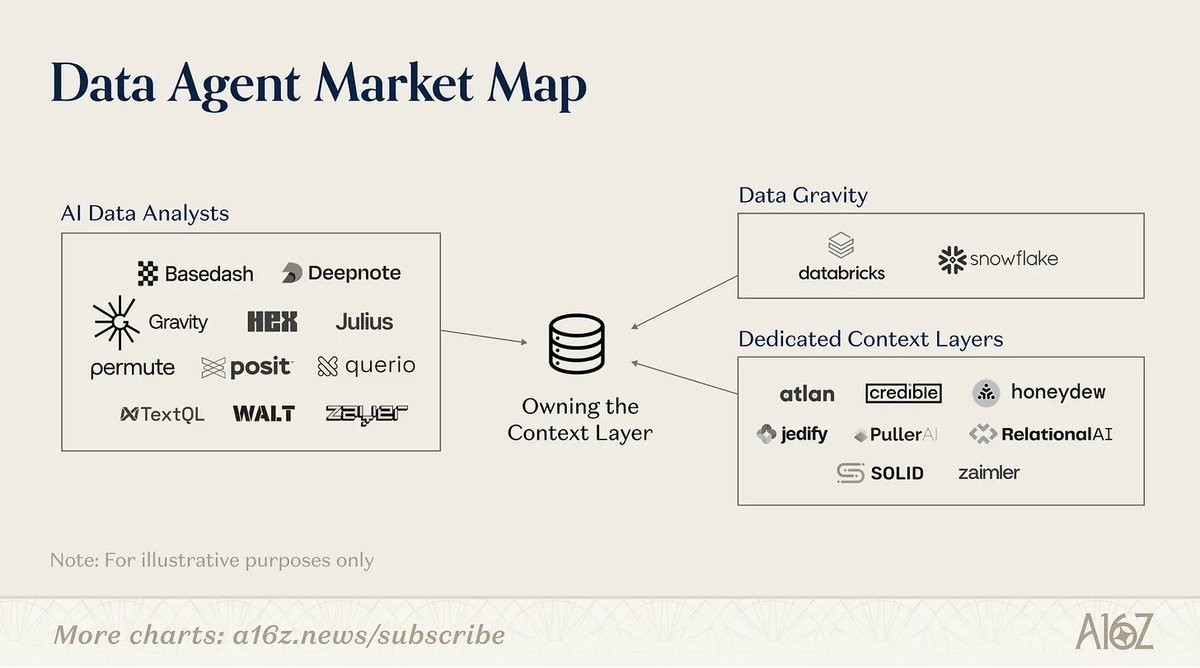
Frontier models are exceptionally efficient, intelligent, and useful. For agents, context is now the bottleneck.
Enter the context layer, which bridges the gap from an enterprise's messy data to actionable context, packaged for agents.
We're seeing three distinct verticals emerge in the context layer space:
- Data gravity platforms
- Existing AI data analysts
- New, dedicated context layer companies
Read the full piece by @JasonSCui and @JenniferHli: https://t.co/ftyF4lYIFK
ZeroDayCommission #3 → “PAC on iOS, Pico Attacks, and Building Compilers”
This week: iOS PAC, Pico glitching, parallel-agent C compilers, and hardware-aware toolchains.
📩Read:https://t.co/N2RCNeyzPs
ZeroDayCommission #1 a weekly, high signal security briefing by OrbitCurve
This week: fault injection, ESP32 flash encryption breaks, microcode guided CPU fuzzing, transient execution in the cloud, and more.
No fluff. Just what matters.
📩 Subscribe/read: https://t.co/OCFsAAtzDD
Statically approaching security won't make the cut. It's 2026. In our work, we always account for dynamic enforcement to accommodate the constantly evolving nature of modern systems.