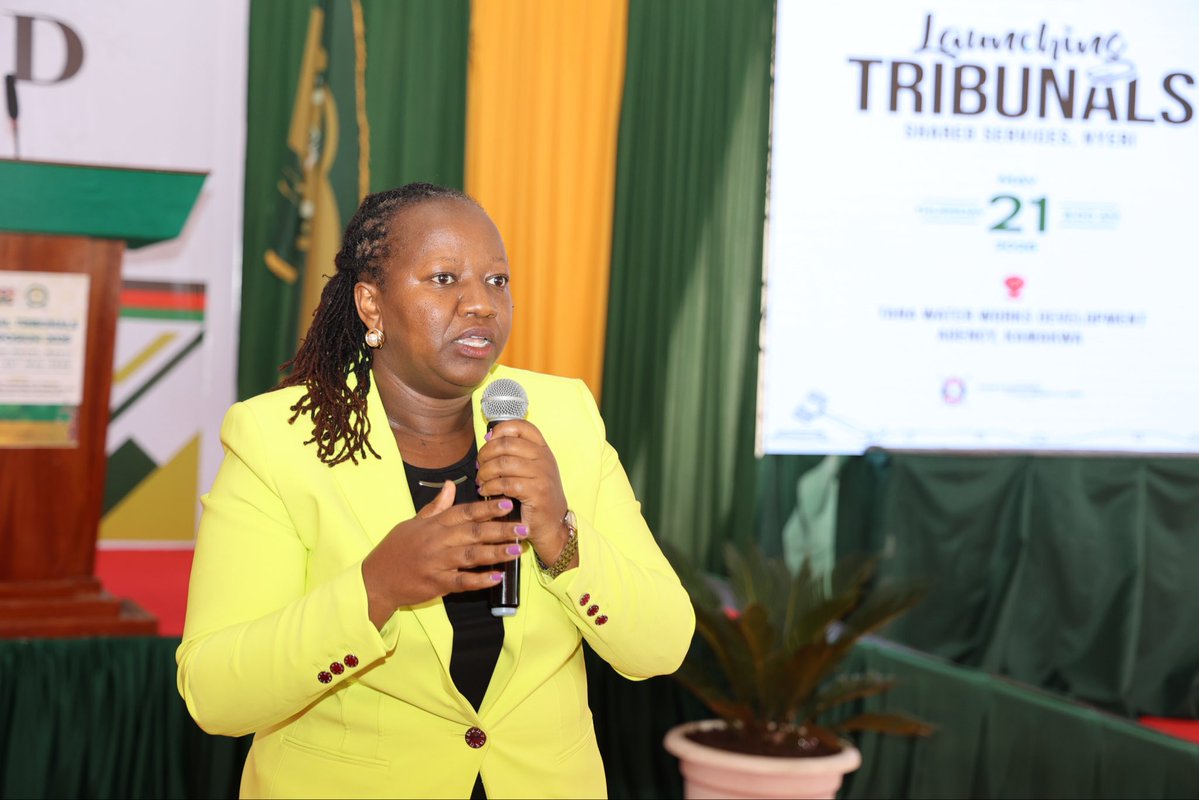
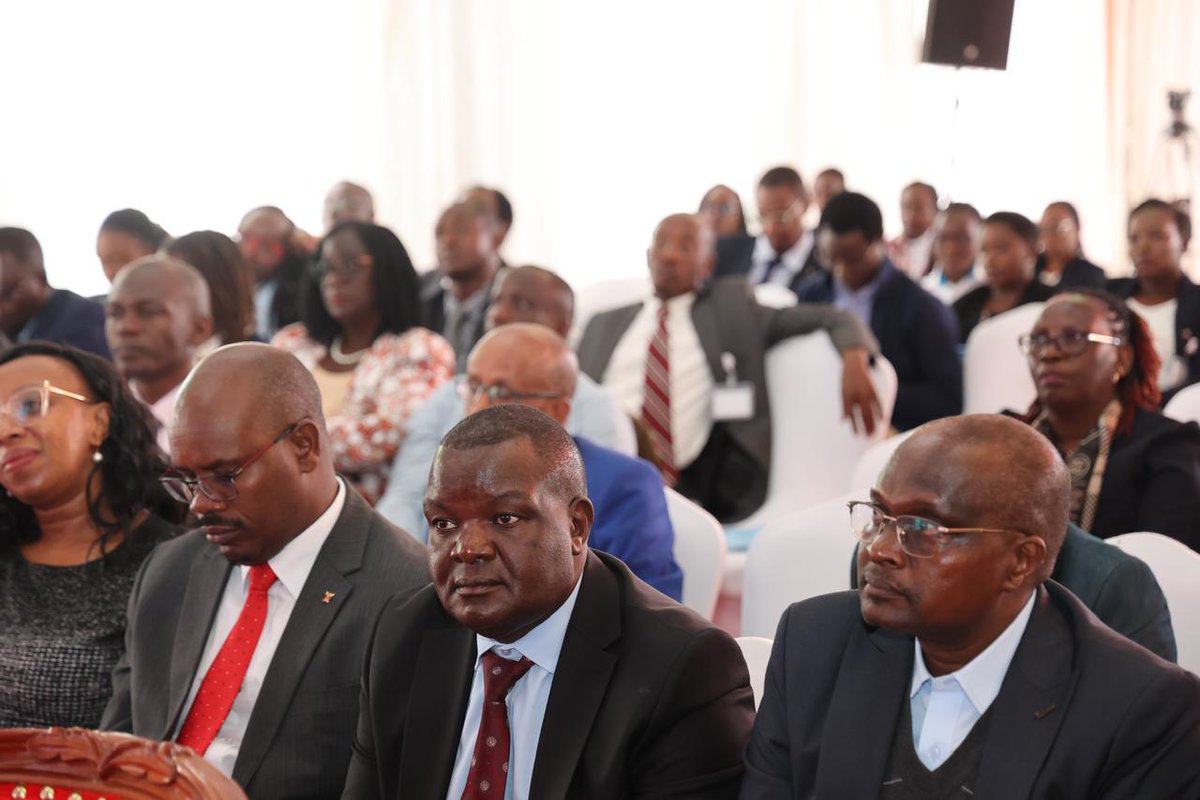
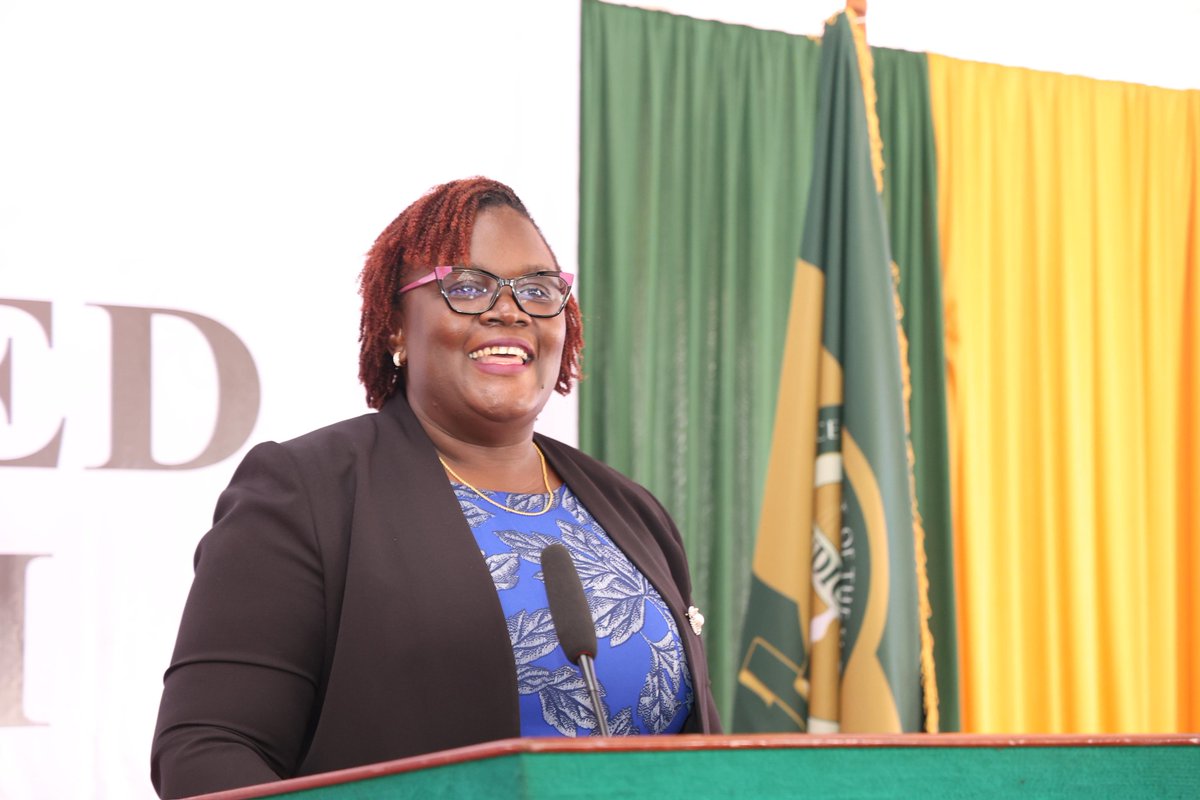
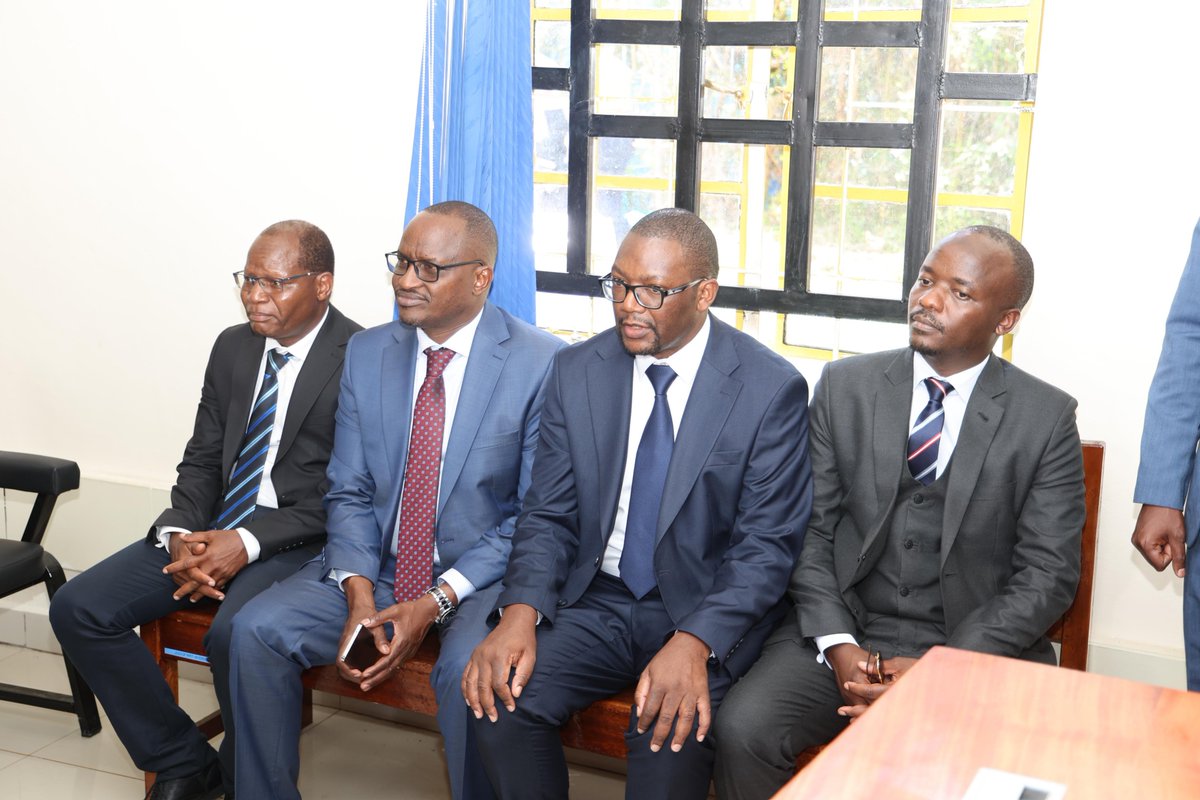
@PBO_RA Director General, Dr Laxmana Kiptoo @Laxmana_Kiptoo , (middle) joined members of the public Benefit Organizations (PBO) Disputes Tribunal during an induction session at the Mövenpick Hotel, Westlands, Nairobi, today. Seated with him are the Registrar of Tribunals at the Judiciary, Hon Ann Asugah (third right) and the Chairperson of the PBO Disputes Tribunal, Hon Ann Nderu (third left).
The Authority appreciates the Judiciary for establishing and operationalizing the Tribunal, a significant milestone in the implementation of the PBO Act, 2013. ^MN
The Judiciary joins other Kenyans in mourning the passing of our dear Member, Hon. Eng. Anne J. Cheboi of the Public Private Partnership Petition Committee (PPPPC).
May perpetual light shine upon her.🙏🙏
“The increasing number of walk-ins, requests for assistance, registry support services, digital hub usage, and public inquiries became the driving force behind our commitment to continue bringing tribunal services closer to the people. We have learned that when tribunals become visible, it should be through the quality of service, responsiveness, and their experience when they walk through our doors,” said Hon. Anne Asugah - Registrar, Tribunals
It is important to have courts established all over the country so that Wananchi can access justice. The launch of the Tribunal Shared Services today is a big milestone since justice will be brought closer to the people of Nyeri.-Lady Justice Fatuma Sichale, JSC Commissioner
Tribunals should ensure they unlock the economy by resolving disputes in a timely manner, thereby releasing funds tied up in cases.- Commissioner Isaac Rutto, JSC Vice Chairperson
JUDICIARY LAUNCHES TRIBUNAL SHARED SERVICES IN NYERI
The Judiciary has launched Tribunal Shared Services in Nyeri aimed at enhancing access to justice and strengthening tribunal services across the country.
Speaking during the launch, Judicial Service Commissioner Hon. Jacqueline Ingutiah said the Tribunal Shared Services is designed to serve not only host towns but also the wider surrounding regions. She noted that the initiative reflects a practical, people-centred approach made possible through institutional collaboration in service to the public.
Commissioner Ingutiah revealed that in the last three quarters alone, more than 10,296 matters were filed across the 27 tribunals, while 10,699 cases were concluded, demonstrating growing public confidence and strong institutional performance. She added that approximately 10,959 matters remain pending, despite sustained improvements in filings and case clearances, particularly within the Business Premises Rent Tribunal, Rent Restriction Tribunal, Co-operative Tribunal, and Tax Appeals Tribunal.
“These are not mere statistics. Behind each of those numbers is a person who walked through the doors of a Tribunal with a problem they could not resolve on their own. They came because they believed that the system would be fair, timely, and that it would treat their matter with the seriousness it deserved. Kenyans are turning to Tribunals, and we must ensure Tribunals are ready to serve them,” said Commissioner Ingutiah.
JSC Vice Chairperson Hon. Isaac Rutto, who also spoke during the launch, urged tribunals to help unlock the economy by resolving disputes promptly and releasing funds tied up in litigation.
The Registrar of Tribunals, Hon. Ann Asugah, noted that when the first Tribunals Shared Services Registry was launched in Nairobi, it was envisioned as a way to improve visibility and make tribunal services more accessible to the public. When the initiative later expanded to Kisumu to serve the wider Lake Region, the public response confirmed that it was no longer merely an administrative concept, but a genuine public need.
“The increasing number of walk-ins, requests for assistance, registry support services, digital hub usage, and public inquiries became the driving force behind our commitment to continue bringing tribunal services closer to the people. We have learned that when tribunals become visible, it should be through the quality of service, responsiveness, and their experience when they walk through our doors,” said Hon. Asugah.
The Shared Services Centre will bring together 28 tribunals that were previously spread across different parts of Nyeri town into a single, accessible location. The registry will serve the wider Mount Kenya region, including Nyeri, Kerugoya, Nanyuki, Nyahururu, Murang’a, Maragua, Kirinyaga, and Nyandarua, providing a central access point for tribunal services.
The Nyeri Tribunal Shared Services Centre will operate as both a physical and digital access hub. It will support walk-in litigants, especially those who are not tech-savvy or lack internet access, by enabling them to use Judiciary e-services such as electronic filing, participation in virtual hearings, and case follow-ups.
The model has already been successfully implemented in Nairobi and Kisumu, where the registries have significantly improved access to information, reduced the need for litigants to travel to Nairobi or make repeated inquiries for simple services such as obtaining court orders, and eased the overall burden on clients.
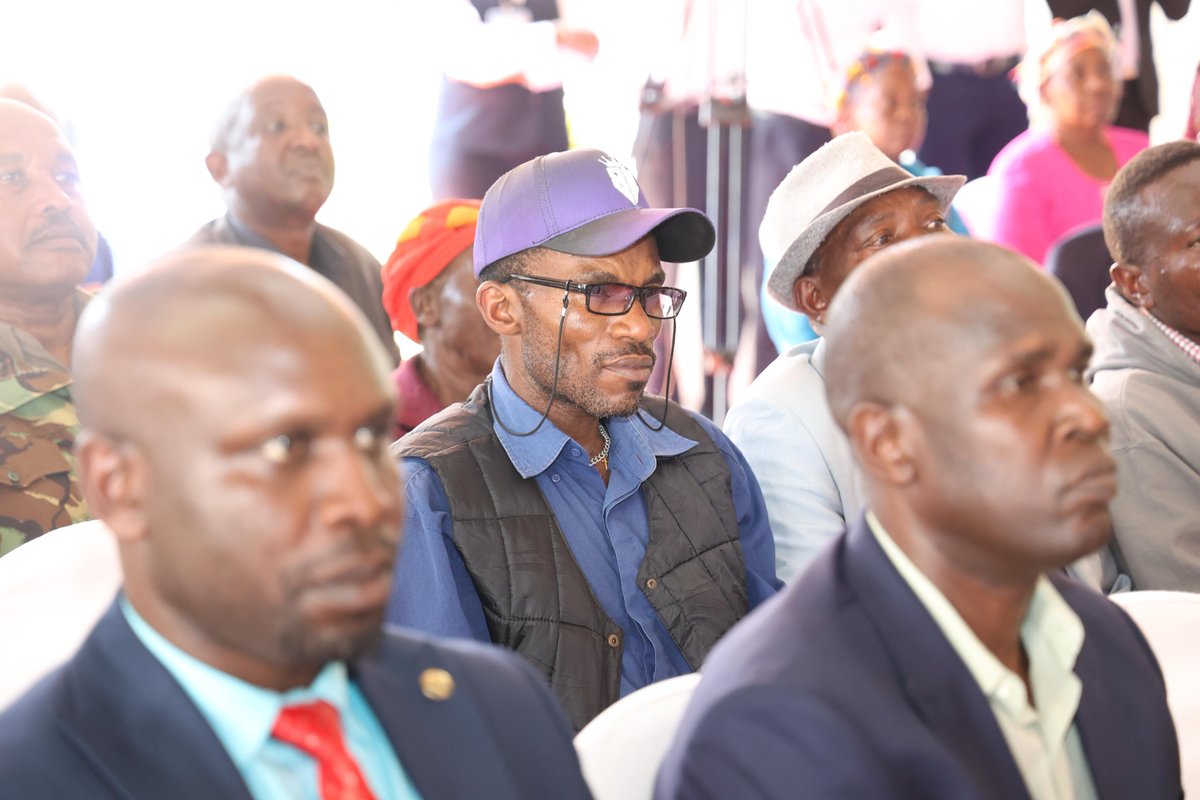
Judicial Service Commissioners Hon. Isaac Rutto, Hon Lady Justice Fatuma Sichale and Hon. Jacqueline Ingutiah joined judges, tribunal members and members of the public during the launch of the Tribunal Shared Services in Nyeri.
The Shared Services Registry brings together all tribunals that were previously spread across different parts of Nyeri Town into a single, accessible location. This consolidation addresses longstanding challenges faced by litigants, including difficulties in locating tribunal offices, delays in accessing services, and the burden of navigating multiple offices.
COURT ROOM OR AJS: WHAT DO KENYANS PREFER?
Majority of Kenyans voluntarily opt for Alternative Justice Systems (AJS) as the first point of call when confronted with justice needs. This was revealed by Judge (Prof) Joel Ngugi who is a Court of Appeal Judge and Chairperson of AJS Taskforce while addressing Tribunals Chairpersons and Members during their Symposium in Nyeri.
The Judge reflected on the role of AJS in advancing people-centred justice. He referred to a survey carried out in the year 2017 that stated that only 17% of Kenyans with justice need took their disputes to court. Majority, 64%, opted for Alternative Justice Systems. While 19% opted to do nothing, in local lingo called ‘Kuachia Mungu’ (giving up in advance owing to the perceived complicated process of pursuing justice and leaving it go God).
Justice Ngugi observed that the statistics elucidate the need to strengthen AJS in Kenya, which is clearly the preferred mode of accessing justice. He further drew the attention of the Tribunals to the Constitution Article 159(2)(c) which gives Judiciary the duty to promote Alternative Dispute Resolution while calling upon them to respect and protect AJS mechanisms.
“You must be vigilant so that human rights are not infringed upon when a matter is being handled under AJS. Do not let parties do harm to each other. You have a duty to transform access to justice. As Tribunals, you must keep interested and know what is happening in AJS,” said the Judge.
The Judge guided on how to screen a matter to determine if it can be handled under AJS. “The first question you must ask yourself is: did both parties voluntarily subject themselves to AJS? The second one is ‘is there a constitutional, statutory or compelling public interest that negates the use of AJS to resolve a matter?” He added that Tribunals must guard against getting too technical and ‘court-like’ and focus on keeping their services simple and accessible.
Judge Ngugi challenged Tribunals to be champions of justice beyond the courtroom . “In some instances you are adjudicators where you decide on a matter. In other instances, you are called upon to be justice problem solvers. Above all you must be stewards of the justice journeys for the people.”
Before we started planning for this launch, we came to Nyeri for a Bar-Bench and stakeholder engagement to hear directly from the public, advocates, court users, and institutional partners on what they think about tribunals and what they expected from this Shared Services initiative. The response was overwhelmingly positive. In fact, some members of the public became so excited about the idea of bringing services closer that they even requested for a Family Tribunal here in Nyeri, though we had to politely explain that the Courts, through the Family Division may already have beaten us to that one. Beyond the humour, that engagement reminded us that citizens are not merely waiting for buildings; they are waiting for institutions that listen, respond, and remain accessible. - Hon Ann Asugah, Registrar Tribunals
What we have launched today matters so much because it will encourage people not to give up on the Judiciary because justice has been brought close to the them. As tribunal users we will be keen to participate during budget making process and advocate for Judiciary to be given enough resources to be able to serve Wananchi. Ms Njeri Mwangi, Rep Tribunal Users Committee
I urge members of the public to make use the Tribunal Shared Services that have been launched today. The Commission should also consider expanding the Nyeri Court to accommodate more courts.- Justice Magare Kizito, High Court, Nyeri
We gather today to celebrate the launch of the Tribunals Shared Services Registry here in Nyeri and to mark a milestone in a journey that has been steadily, purposefully expanding across the country. Nyeri is the third such Registry, following the establishment of those in Nairobi and Kisumu, and together these three hubs are designed to serve not just their host cities but the wider regions surrounding them. This is a practical, people-centred initiative that reflects what is possible when institutions collaborate in genuine service to the public. - Hon Jacqueline Ingutiah, JSC Commissioner
Environment and Land Court Appeals Division was established in 2024. It allows parties to file matters separately under the Appeal Division in the e-filling portal. The Division is tasked to specifically handle appeals arising from decisions (judgments and rulings), award, order or decree of the subordinate courts and local tribunals which by law appeal to the ELC. The justification for the operationalization of the Division is to expedite appeal cases and reduce case backlog. The tribunals include but are not limited to the following:
1. Rent Restriction Tribunal
2. Business Premises and Rent Tribunal
3. National Land Commission
4. Cooperative Tribunal
5. Energy and Petroleum Tribunal
6. National Environment Tribunal
7. Water Tribunal
8. Bio Safety Board
9. Land Acquisition
10. National Environmental Complaints Committee
– Justice Mohammed Kullow
Panel discussion comprising Hon Justice Mohammed Kullow, Hon Lady Justice Janet Mulwa and Hon Lady Justice Christine Ochieng on the role of the High Court and Environment and Land Court as supervisory courts over tribunals, as well as the establishment of the ELC Tribunal Appeals Division.
The judges noted the Division aims to eliminate uncertainty by developing consistent jurisprudence through dedicated and specially trained judges hearing tribunal-related appeals.
How can courts and tribunals integrate Artificial Intelligence in judicial proceedings? First we must accept technology is here with is. Any fears we have of AI must dissipate. AI is a useful tool which can be used in many ways, including researching and summarizing large documents, but human oversight must never be taken for granted. Do not delegate judicial functions and judicial reasoning to AI. The reasoning must remain yours. You must remain vigilant, check for factual accuracy and stay alive to bias. Use AI at your own risk and take responsibility for any judgment, ruling or decision you make. The future of AI in the Judiciary must remain carefully guided so that it helps us without harming us. – Judge Isaac Lenaola, SCJ, addressing the Annual Tribunals Symposium virtually.