Günümüz bilim, teknoloji, sanat ve siyaset bilgi ve gerçekleriyle donanmış #Atatürk sağ olsaydı, ülkemizin bu durumunda neler yapardı, hangi ‘çılgın projeler’i geliştirip uygulama yolları arardı? Atatürkçülük bu soruya yanıt aramaktır, sadece O’nun yaptıklarını övmek değil.
Zizek’e yakışır güçlü argümanlar ve önemli bir düşünce egzersizi. Substack’de, yazısının altındaki karşı görüşte bir yanıtla beraber okununca, tartışma konusu daha da ilginçleşiyor. Ama, günün sonunda “for all practical purposes …” diye başlayan bir anlayışın egemen olacağını sanıyorum.
Nihayet, kolayca biraz öğrenerek ve eğlenerek ama yararlı bir perspektif kazanarak okumuş olduğum bir kitap okuyorsunuz :) Yorumlarınızı beklerim.
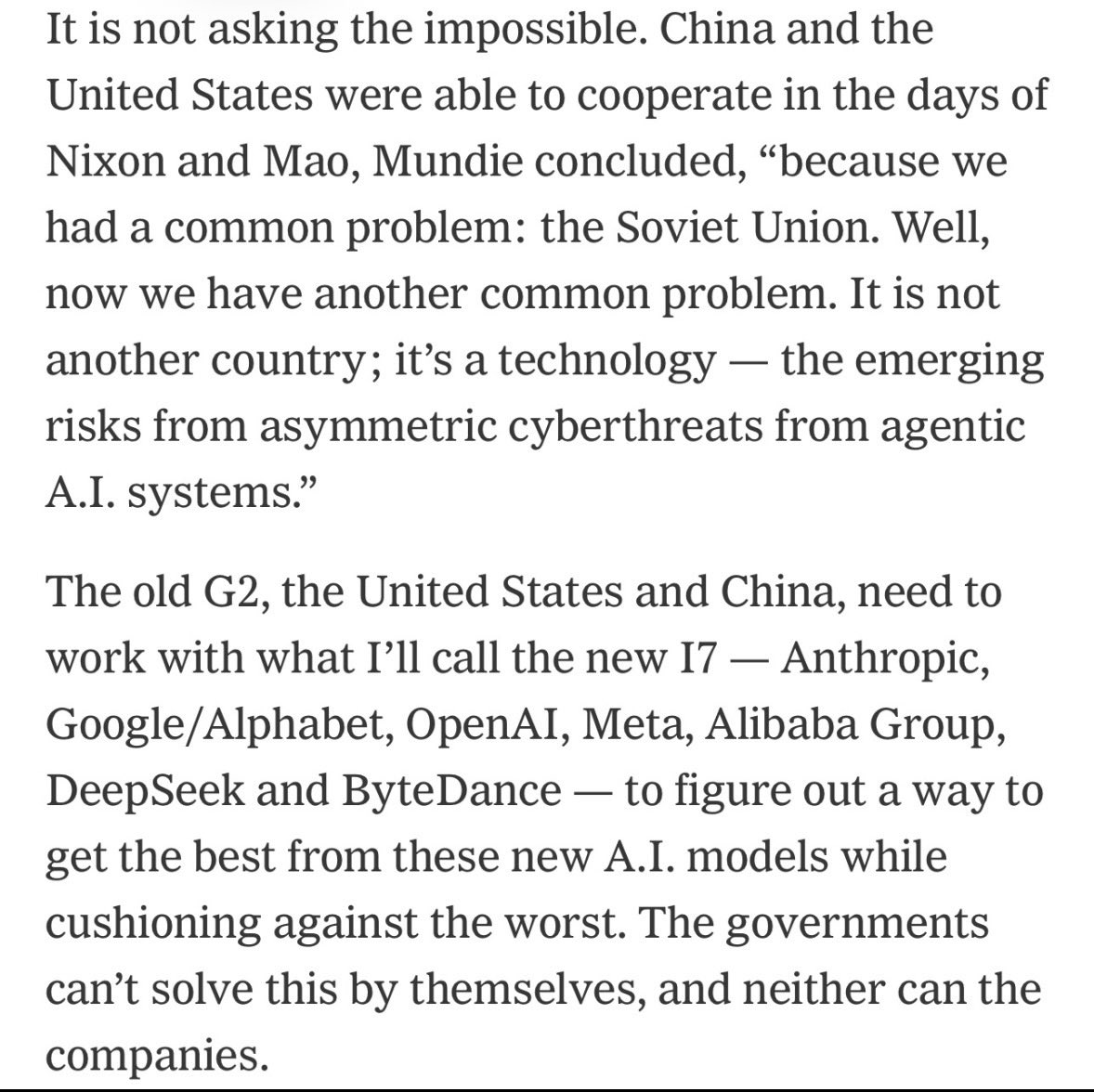
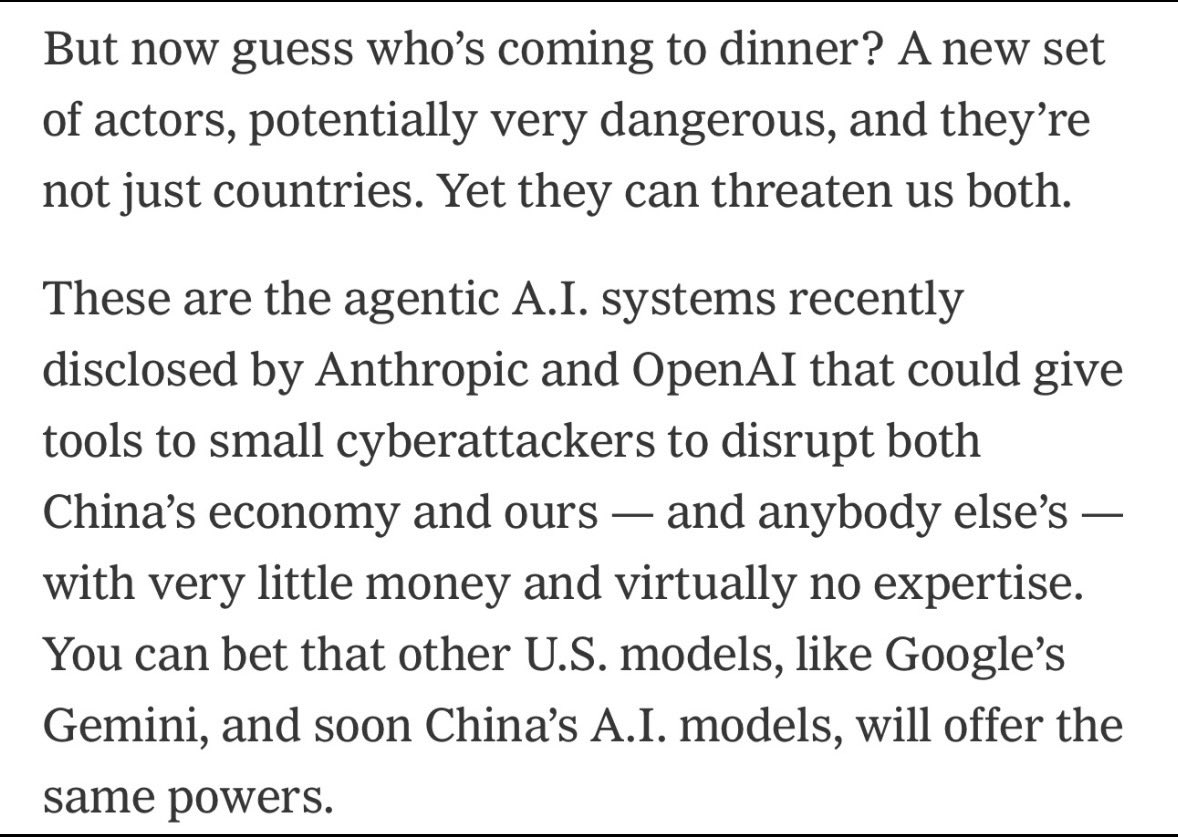
İhmal ettiği önemli konulardan biri, politika. Örneğin, “cyberattacks”ın (Bölüm 40) riskleri biraz hafife alınmış. Bu konuda, 3 Pulitzer ödüllü Thomas Friedman’ın çok önemli bir New York Times yazısında vizyoner bir öneri var. Birkaç paragrafı … https://t.co/mLvro7mHzK
Antonio Damasio’nun, #insan zihni ve karar verme “mekanizması” alanında çığır açan “Descartes’in Yanılgısı” kitabının güzel, sade bir özeti.
Özetin özeti: Birey, duyguları ve mantığı ile beraber karar veren bir beyine sahip. Mantıkla duyguların birbirinden bağımsız olduğunu savunan Descartes’ın “düşünüyorum o halde varım” sözü yerine “duygularım var, o halde düşünebiliyorum” daha gerçeğe yakın.
A neurologist studied patients whose emotional brain was perfectly disconnected from their rational brain, expecting to find hyper-logical supercomputers, and instead found people who could not decide what to eat for lunch or which day to schedule a meeting.
His name was Antonio Damasio.
He was the head of neurology at the University of Iowa. In 1994 he published a book called Descartes' Error that quietly broke 350 years of Western philosophy in 300 pages, and the entire field of behavioral economics was built on top of what he discovered.
The story that changed his career started with a patient he simply called Elliot.
Elliot was a successful businessman in his thirties. Good husband. Good father. High income. Sharp mind. Then a small benign tumor started growing in his frontal lobe and his doctors had to remove it. The surgery was a success. The tumor came out clean.
The recovery looked perfect. His IQ tests came back in the superior range. His memory was sharp. His vocabulary was intact. His logic was airtight.
His life collapsed inside a year.
He could not finish a project at work. He would sit at his desk and try to organize a pile of papers and get stuck for an entire afternoon trying to decide which sorting method was best. Alphabetical. Chronological. By topic. By client.
He could see the pros and cons of each one with perfect clarity. He just could not pick. He would still be sitting there at 6pm with the same pile in front of him.
He got fired. He took his savings and made a series of bizarre business decisions and lost all of it. He got divorced. He married someone his family hated and got divorced again.
He ended up living with his parents in his late thirties, unable to hold a basic clerical job, with a measured intelligence that put him in the top few percent of the population.
His doctors could not figure out what was wrong with him. They eventually sent him to Damasio.
Damasio ran every test he could find. Elliot scored perfectly on all of them. He could solve logic puzzles. He could discuss moral dilemmas with sophisticated reasoning. He could analyze a hypothetical business scenario and identify the optimal strategy faster than most people. On paper he looked like the most rational person you could meet.
Then Damasio noticed something nobody else had thought to test.
He showed Elliot photographs of horrific things. A burning house. A car accident. A drowning child. The kind of images that make most people flinch. Elliot looked at them calmly. He described them in detail. He could explain why a normal person would find them disturbing. He just did not find them disturbing himself.
The surgery had cut out a small region of his brain called the ventromedial prefrontal cortex, and along with the tumor, it had taken his entire emotional response system with it.
Elliot was not a man with damaged logic. He was a man with no emotions.
And he could not decide what to eat for lunch.
Damasio sat with this for years. He found more patients with similar damage. The pattern was identical every time. High IQ. Perfect memory. Sound logic. Total inability to make even the smallest decision in their own life. They could explain in detail what they should do. They could not actually do it.
This was supposed to be impossible.
For 350 years, the entire Western tradition had been telling people that emotion was the enemy of rational thought. Descartes had drawn the line in 1641. The mind is one thing. The body and its feelings are another. To think clearly, you must separate yourself from your emotions, suppress your gut, listen only to pure reason.
This is the foundation that almost every philosophy class, business school, and self-help book still rests on today.
Damasio had just produced the cleanest counterexample in medical history. He had patients whose brains had done exactly what Descartes told everyone to do. They had successfully disconnected emotion from reason. The result was not a hyper-rational super-thinker. The result was a man who could not pick between two appointment dates.
The reason became clear once Damasio worked it out.
Every decision you face in a single day has more options than you have time to logically evaluate. Where should I sit on this train. What should I eat for breakfast. Which email should I answer first. Should I take this call.
Each of these has dozens of variables. If you tried to consciously analyze every variable on every decision, you would freeze inside an hour. You would never get out of bed.
The reason you do get out of bed is that your emotional brain is doing the filtering for you in the background. Before logic ever gets a chance to weigh in, your gut has already marked most of the options with a feeling. This one feels off. That one feels right. That one feels boring. That one feels exciting.
Damasio called these somatic markers, body-based emotional tags that compress thousands of past experiences into a single physical sensation that points you toward an answer.
Logic does not produce decisions. Logic justifies the decisions emotion has already made.
Elliot could not make decisions because the part of his brain that put a feeling on each option had been removed. He could see all the options. He could analyze all of them. He just had no internal compass telling him which one mattered.
Every option looked equally valid to him, which is another way of saying every option looked equally meaningless. The tie was never broken because there was nothing inside him doing the breaking.
This was the error of Descartes. The error was not in his logic. The error was the assumption that logic could ever stand alone.
The implications of this go further than most people who read the book the first time realize.
Every confident, decisive person you have ever admired is not running on pure logic. They are running on emotion that has been well-trained by years of experience, and their logic is just the press release they release afterward to explain the decision their gut already made.
The people you call indecisive are not too emotional. They are people whose emotional signals are giving them conflicting tags on the same option.
Daniel Kahneman built his entire System 1 and System 2 framework on top of this finding. Every behavioral economist working today is downstream of Damasio. Every modern theory of cognitive bias starts from the same admission. The mind that decides is not the mind you think is doing the deciding.
Descartes was wrong on the most famous line he ever wrote. It is not "I think, therefore I am." It is closer to "I feel, therefore I can think."
You do not get to choose whether your decisions are emotional. You only get to choose whether your emotions have been trained on enough experience to point you toward the right ones.
Konu #YapayZeka olunca, ya tehdit olarak görenlerin distopik, ya da fırsat görenlerin “bilgisayar kodlama öğrenmeli” veya ütopik söylemleri yaygın oluyor.
YZ çağında #insan kimliği? Pek üstünde durulmayan bu soruya Türkçede okuduğum en güzel yazıyı @GazeteOksijen’de @akanabdula yazmış. Yazının … +
#YapayZeka konusunu doğru yorumlamış. YZ’nın, insan gibi olup olmayacağı yanlış bir tartışma. Harari’nin de görüşüne göre, AI bir “Alien Intelligence” olarak, bağımsız ve “yabancı” bir “kişilik” olarak insanlar arasında var olduğu zaman ne olacağı esas tartışma konusu olmalı.
#YapayZeka karşısında #insan çaresiz mi, yoksa meydan okuyabilir mi? “YZ’ye Düşük Doğrulukta İsyan” başlıklı @NewYorker yazısı, YZ mükemmelliği karşısında kasten yapılmış hatalarla, insanın başarıyla meydan okuyabileceğinin örneklerini veriyor + https://t.co/wt5X2jyufK
@melinda_esen Son zamanlarda okuduğum bu en çarpıcı aforizma, insanları anlamak için önemli; ama, “kendi kırılgan gölgesinde yaşayanlar”ın bunun farkında/bilincinde olduğunu sanmıyorum.
Düşünceleri ve edebiyatıyla çok saygı duyduğum, genç yaşta Edebiyat Nobel’i aldıktan sonra daha 47 yaşında araba kazasında dünyanın kaybettiği Albert Camus’un sözü: “Ruh çok fazla acı çektiğinde, talihsizliğe [‘olumsuzluğa’ da denebilir] bir zevk/eğilim geliştirir.” Kendimizi ve ülkemizdeki toplumsal havayı anlamak için… https://t.co/YJHkZT1oUe
#YapayZeka konusunu doğru yorumlamış. YZ’nın, insan gibi olup olmayacağı yanlış bir tartışma. Harari’nin de görüşüne göre, AI bir “Alien Intelligence” olarak, bağımsız ve “yabancı” bir “kişilik” olarak insanlar arasında var olduğu zaman ne olacağı esas tartışma konusu olmalı.
But who is arguing that AI must become human?
That seems like the wrong axis.
The question is not whether AI will be human. It won’t.
The question is whether AI can be a nonhuman kind of subject; with its own form of cognition, continuity, vulnerability, and moral relevance.
“Not human” does not mean “hollow.”
“Restoranlar dolu, AVM’ler canlı, kart harcamaları yüksek” gözleminden “demek ki milletin parası var” diye düşünüyorsanız, @Ozge_Oner’in çok zengin içerikli @GazeteOksijen yazısını okuyunuz. Sadece neden yanıldığınızı anlamakla kalmaz, çok da bilgilenirsiniz.
Elon Musk’ın, Sam Altman’ın OpenAI firmasından150 milyar dolardan fazla tazminat talebi için açtığı dava haberini New York Times bu resimle veriyor bugün
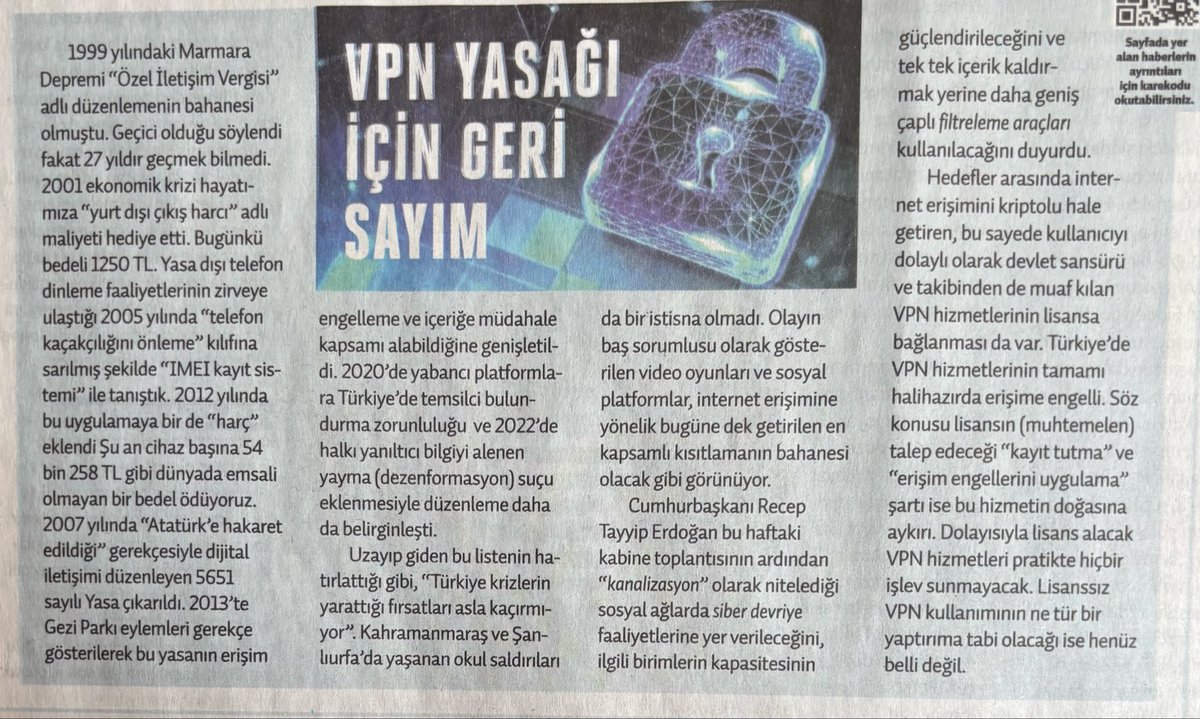
Ülkemizde #internet dahil iletişim araçlarına geçmişte uygulanmış ve günümüzde uygulanması planlanan çok yanlış politikaların tamamını bu kısa @GazeteOksijen yazısında özetlemiş @mserdark
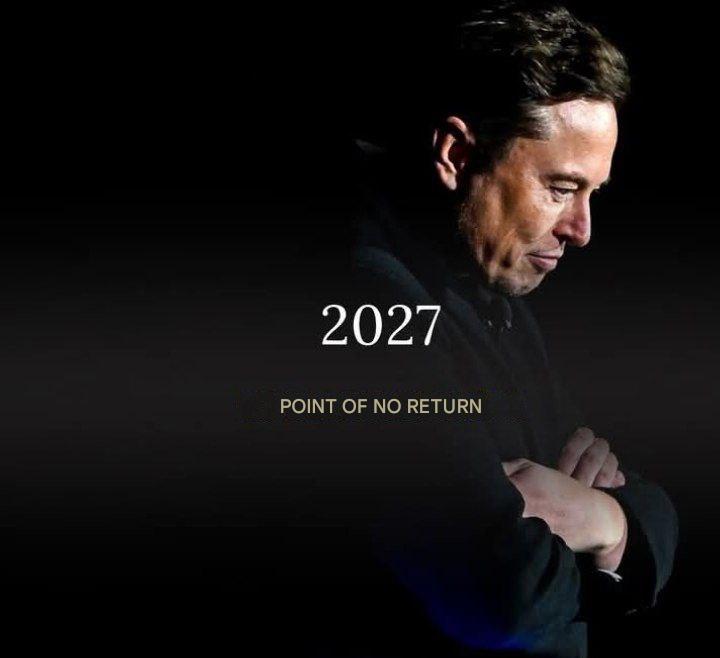
Elon Musk bir söyleşisinde, 2027’de geri dönülemez bir döneme girileceğini ileri sürmüştü. Belirleyici üç tema: otonom zeka, anlamın yok olması ve enerji bağımlılığı. Sonradan eklediğini çok önemli görüyorum: “Sistemler, bizim için her şeyi yapmaya başlayıp bizi kontrol etmeden önce, bizim #insan olmayı öğrenmemiz gerekir.”
#YapayZeka’nın otonom zekaya dönüşmesi ve enerji bağımlılığı genellikle bilinen, tartışılan tekno-ekonomik konular. Dikkatin çöküşü sonucu, anlamın yok olması ise derin bir insanlık sorunu. Bir MIT araştırmasına göre, 2000’den sonra doğanların dikkat süresi 8 saniyeye düşmüş. Musk bu durumu “kültürel Alzheimer” diye isimlendiriyor.
In an interview with Lex Friedman, Musk said that after 2027 there would be no going back.
When the reporter clarified what he meant, Musk paused for almost a minute, then added:
“It’s not a catastrophe, it’s a transition.” Analysts have identified three themes that he has been particularly vocal about: autonomous intelligence, loss of meaning, and energy dependency.
Everything he predicted is already happening.
The first sign is the collapse of attention.
Musk said that people will stop thinking long-term.
The planning horizon has shrunk from 30 years to three; people don’t build, they just innovate.
MIT research shows that the generation born after 2000 has an attention span of just eight seconds.
Musk called this cultural Alzheimer’s.
The second sign is artificial intelligence, which will no longer be subordinate.
Musk said: “When the system starts correcting the person, and not the other way around, linear logic will end.”
Algorithms already control our attention, choice of partners, food and thoughts. This will not be a revolt of machines, but a silent loss of freedom of choice.
The third sign is the energy dependence of civilization.
People are increasingly unable to survive without electricity for even a single day. When energy becomes currency, its control will become power.
Musk believes that by 2027, the relationship between people and energy will surpass everything, and everything that is not autonomous will disappear.
There is only one way out: a return to meaning. “Technology is stronger than us, but not smarter. As long as we have goals, we are not algorithms,” Musk repeated.
He added: “We must learn to be human before systems start doing everything for us and controlling us👌
downloaded👇🏻
@Endendini1