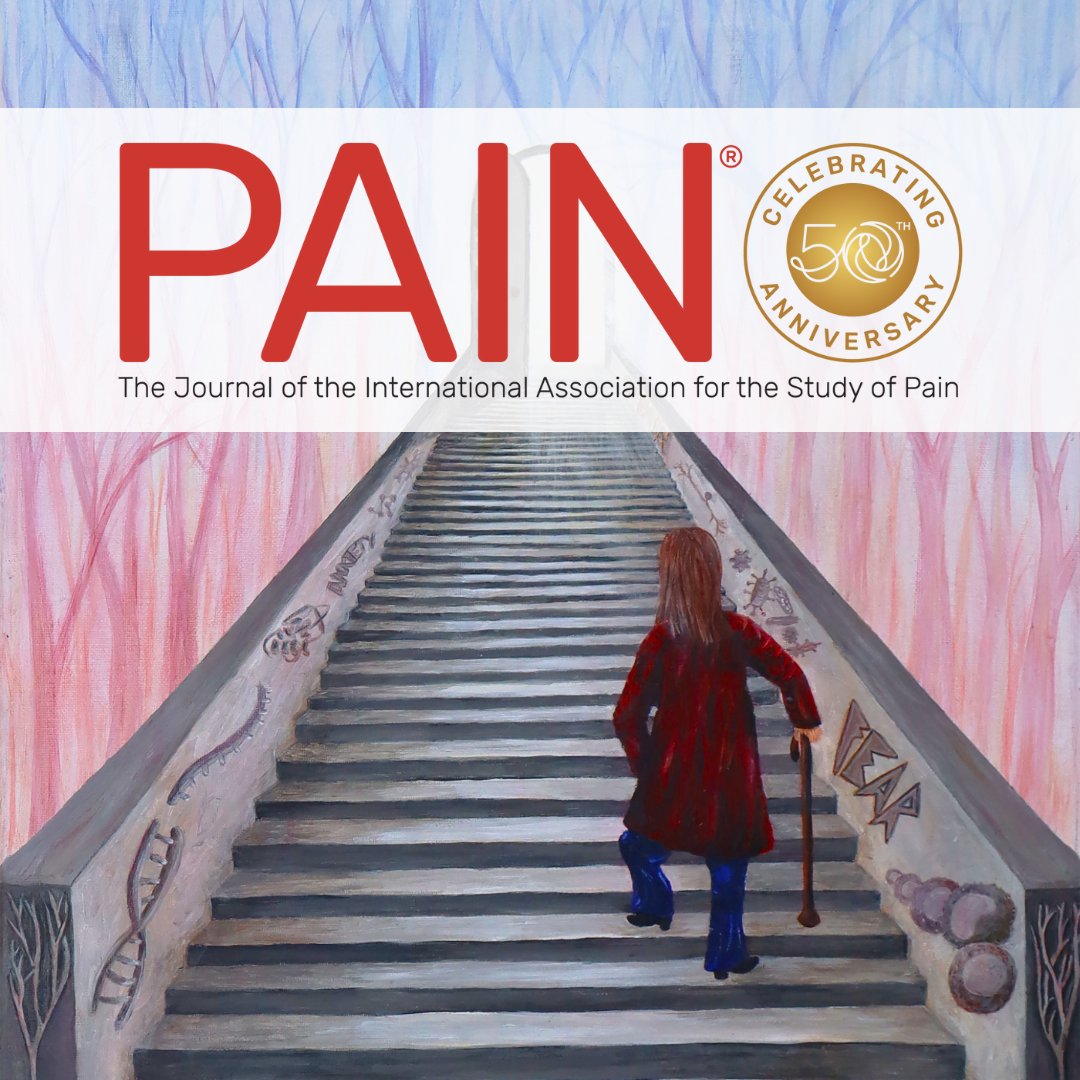
We're extremely proud to announce #PAIN's 2025 supplemental issue: Advancing Pain Research and Management for the Next 50 Years. The entire issue is free to read on our website! https://t.co/sONPcSViZW
Take it from an elephant: Congress is better when you find your herd.
The conversations you did not plan may become some of the most valuable moments of your week.
Register for #IASP2026: https://t.co/C1LSMqJaQY
@AlberHBabiloni et al. find that evening chronotypes have higher odds of chronic pain, suggesting that chronotype may be an important marker of pain vulnerability and a potential target for personalized interventions. Learn more in #PAIN https://t.co/DB4WtwpsvS
Lim et al. find that children experiencing pain and exposed to adverse life events showed accelerated brain maturation in emotion- and pain-associated regions, demonstrating additive effects on brain development. Learn more in #PAIN https://t.co/7bEzNJ1YQ9
Da Silva et al. find that peripheral administration of capsaicin leads to the reversal of maladaptive brain networks in rats with trigeminal nerve injury, which may attribute to long-lasting analgesia. Learn more in #PAIN https://t.co/dx3281UoCE
Pain science advances when pioneering contributions are recognized and shared.
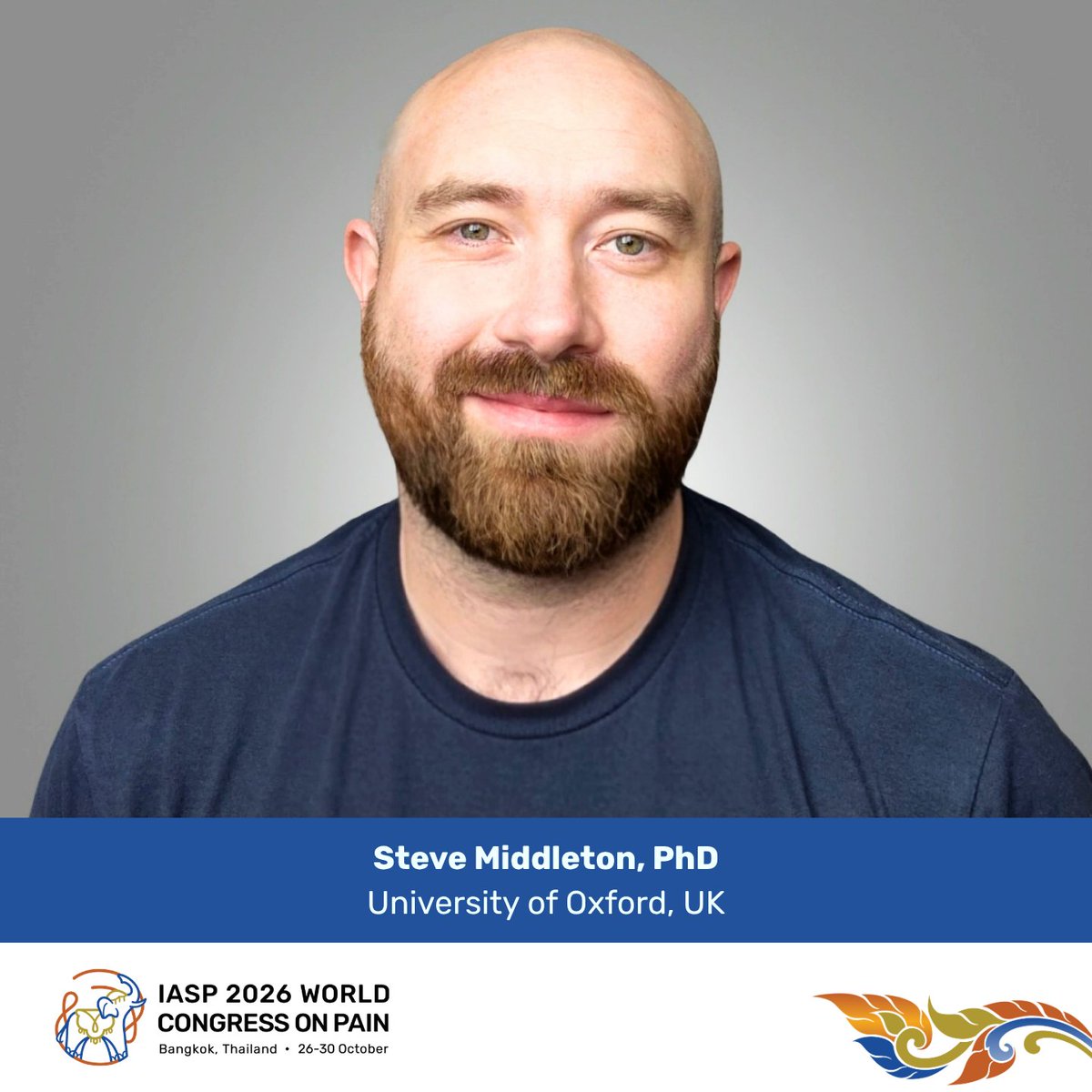
Meet the four Award Lecturers presenting at #WC2026: Esther Pogatzki-Zahn, Steve Middleton (@UniofOxford), Tasha R. Stanton, and Hadas Nahman-Averbuch (@washumedicine).
https://t.co/QGdJJGaKTb
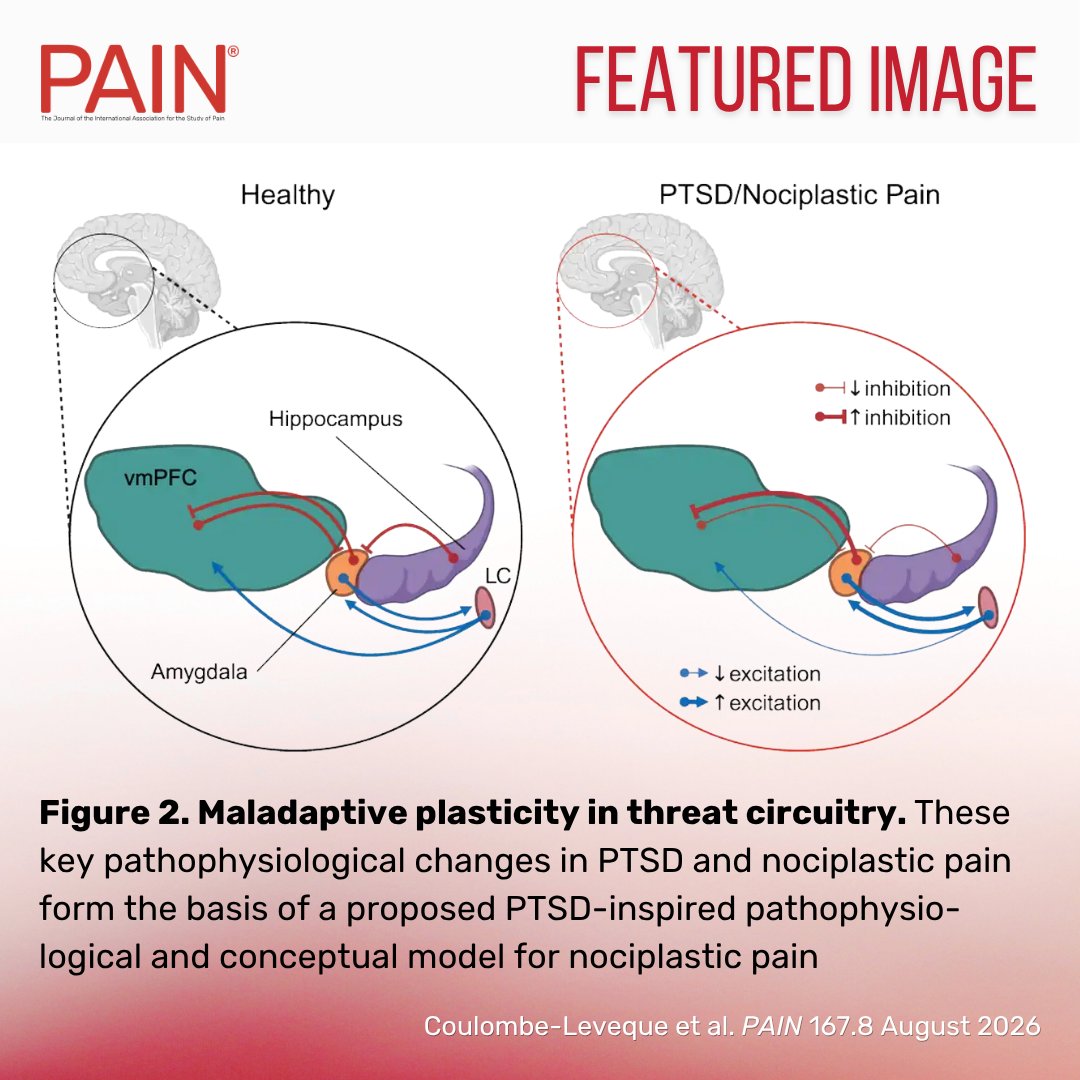
In this week’s #PAIN Featured Image, Coulombe-Leveque et al. depict key pathophysiological changes in PTSD and nociplastic pain that form the basis of a proposed PTSD-inspired pathophysiological and conceptual model for nociplastic pain. Learn more at https://t.co/pIn3Si5jXy
In this week’s #PAIN Featured Image, Coulombe-Leveque et al. depict key pathophysiological changes in PTSD and nociplastic pain that form the basis of a proposed PTSD-inspired pathophysiological and conceptual model for nociplastic pain. Learn more at https://t.co/pIn3Si5jXy
Bring your group, lab, or team to #IASP2026. Groups of five or more receive 10% off registration when submitted together and paid in one transaction. Join the global pain community in Bangkok, 26–30 October: https://t.co/nJeGgknRg7
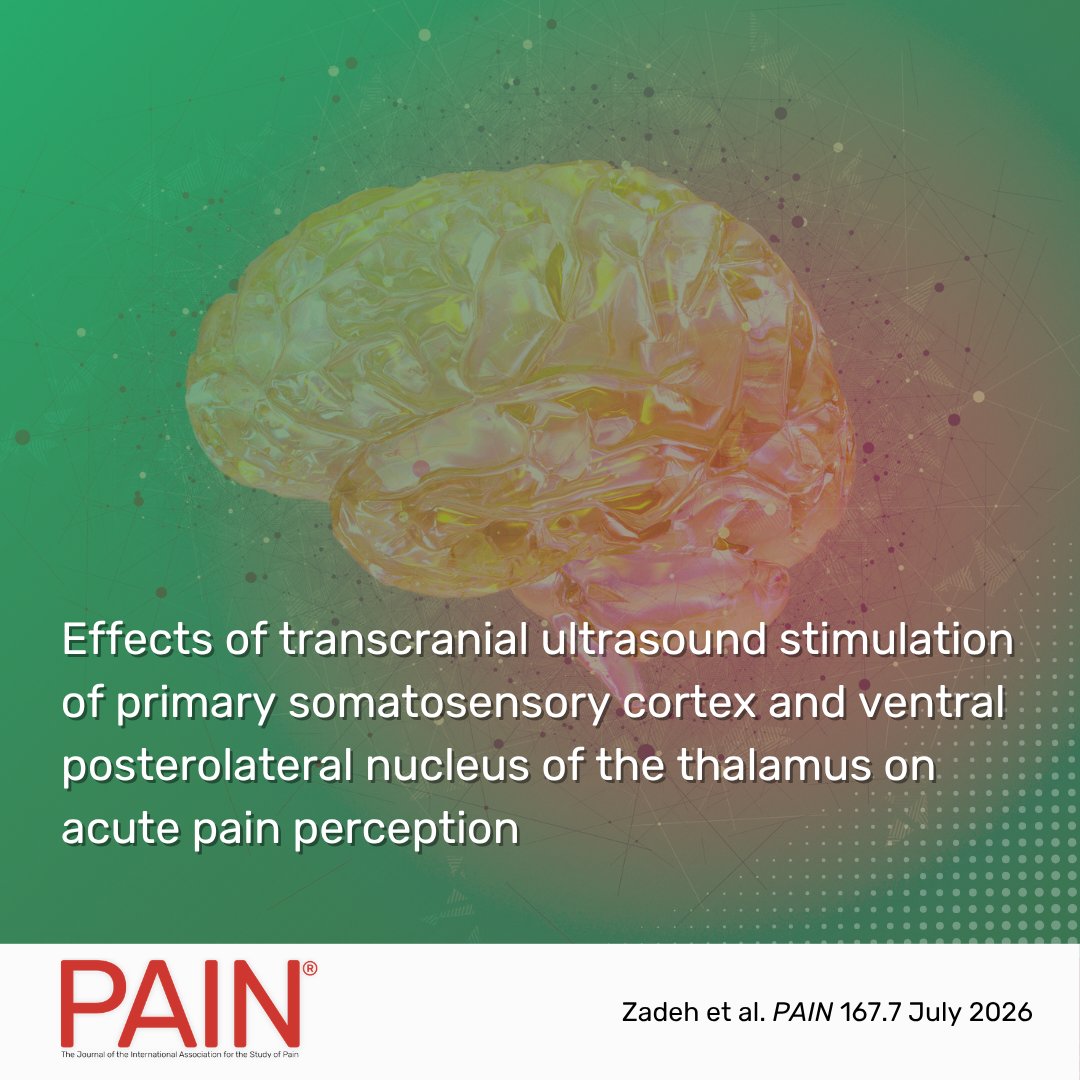
Zadeh et al. find that focused ultrasound stimulation of somatosensory cortex and thalamic VPL altered heat pain and warm detection thresholds, highlighting thalamocortical roles in sensory modulation and neuromodulatory potential. Learn more in #PAIN https://t.co/hgCgkAnEhs
Placebo and nocebo effects influence pain and treatment outcomes. At #WC2026, two Topical Workshops examine predictive processing, endogenous opioids, pain-modulation circuits and nocebo hyperalgesia, with @Colloca_Luana among the faculty. Register: https://t.co/nJeGgknRg7
Cook et al. report that remote CBT-CP approaches are beneficial across a variety of demographic and clinical characteristics, although patient adherence is critical and likely merits support among those using online self-directed programs #PAIN https://t.co/9Q2tGsp3z6
Ellie here: On 26 October, the #WC2026 Pain and Placebo SIG Symposium will examine stronger study design, expectation measurement and bias reduction. Featuring @Colloca_Luana, @crblease and @BenColagiuri. Separate registration required: https://t.co/r1ob0MEUCD
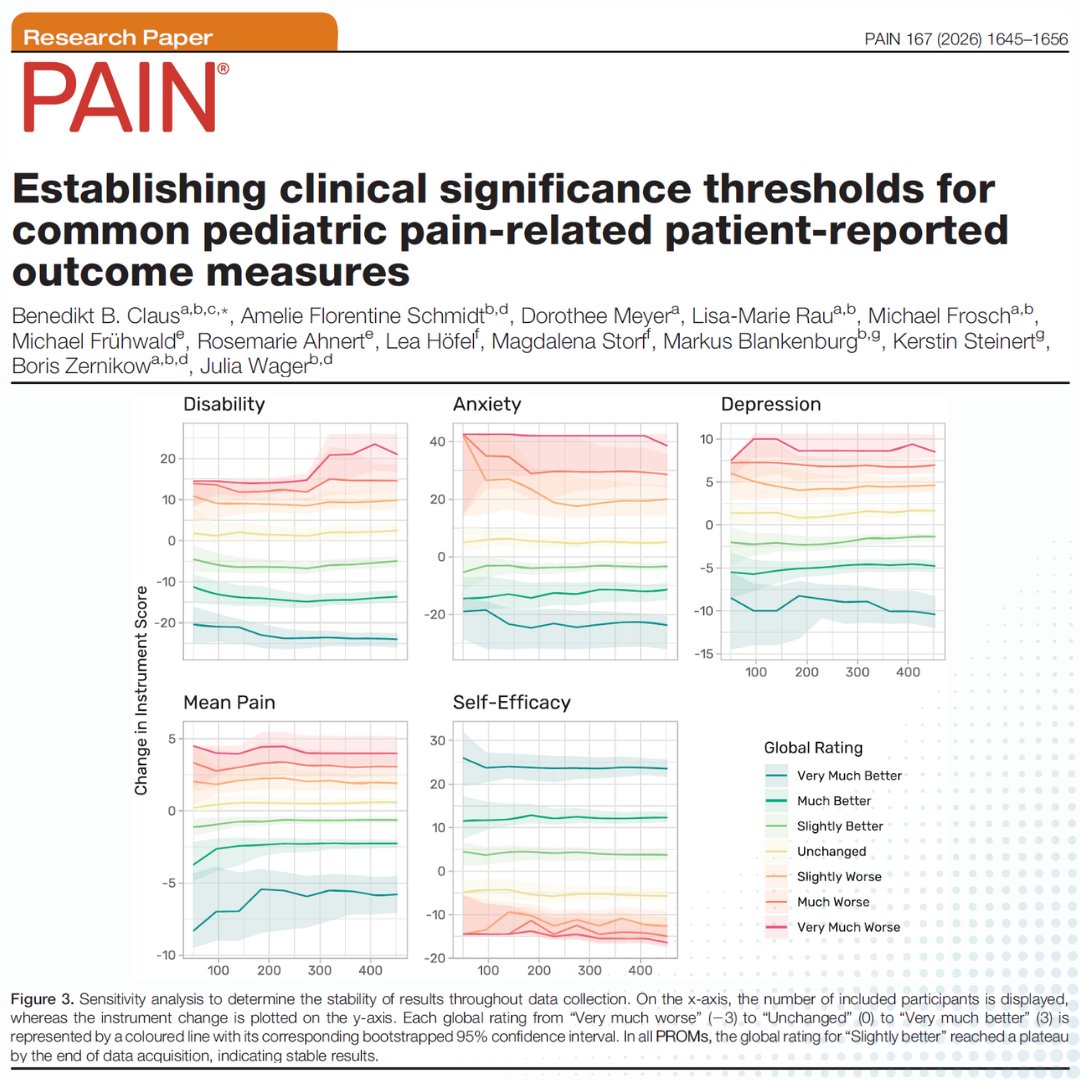
Claus et al. identify minimally important differences for functional disability, anxiety, depression, pain intensity, and pain self-efficacy, which can be used to determine clinical relevance of results. Learn more in #PAIN https://t.co/EbfgVEEb53
Pain science advances when global perspectives come together. More than 5,000 pain professionals will meet in Bangkok for #WC2026, with plenary speakers from around the world, including @link_physio. https://t.co/nJeGgknRg7 #PainScience
Koch et al.’s human dorsal root ganglion circRNA profiling reveals opioid-associated alterations. Network analysis implicates nociceptor regulation and identifies circNTRK2 as a target, supporting circRNAs as modulators of nociceptor function #PAIN https://t.co/TmKm1SN8Ud
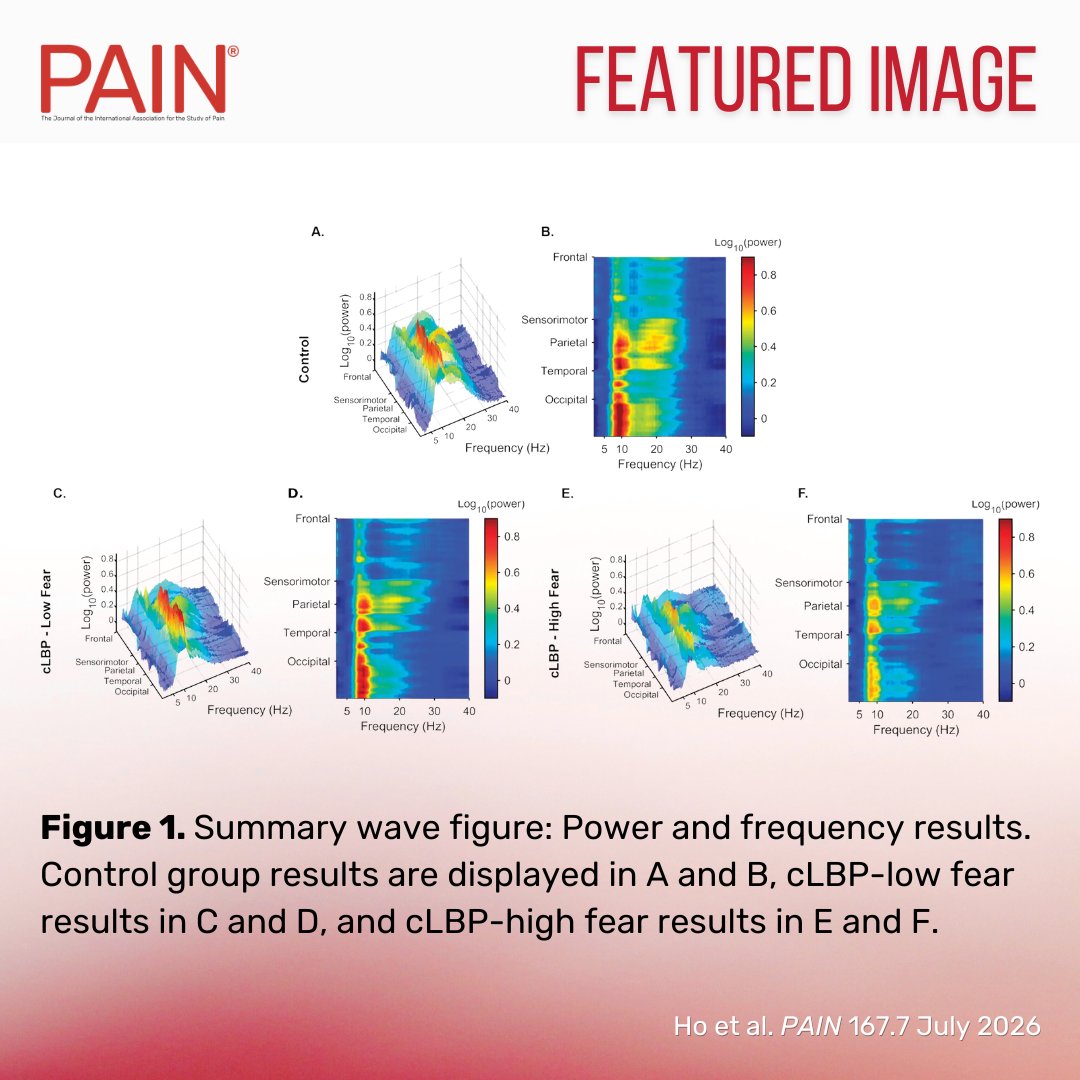
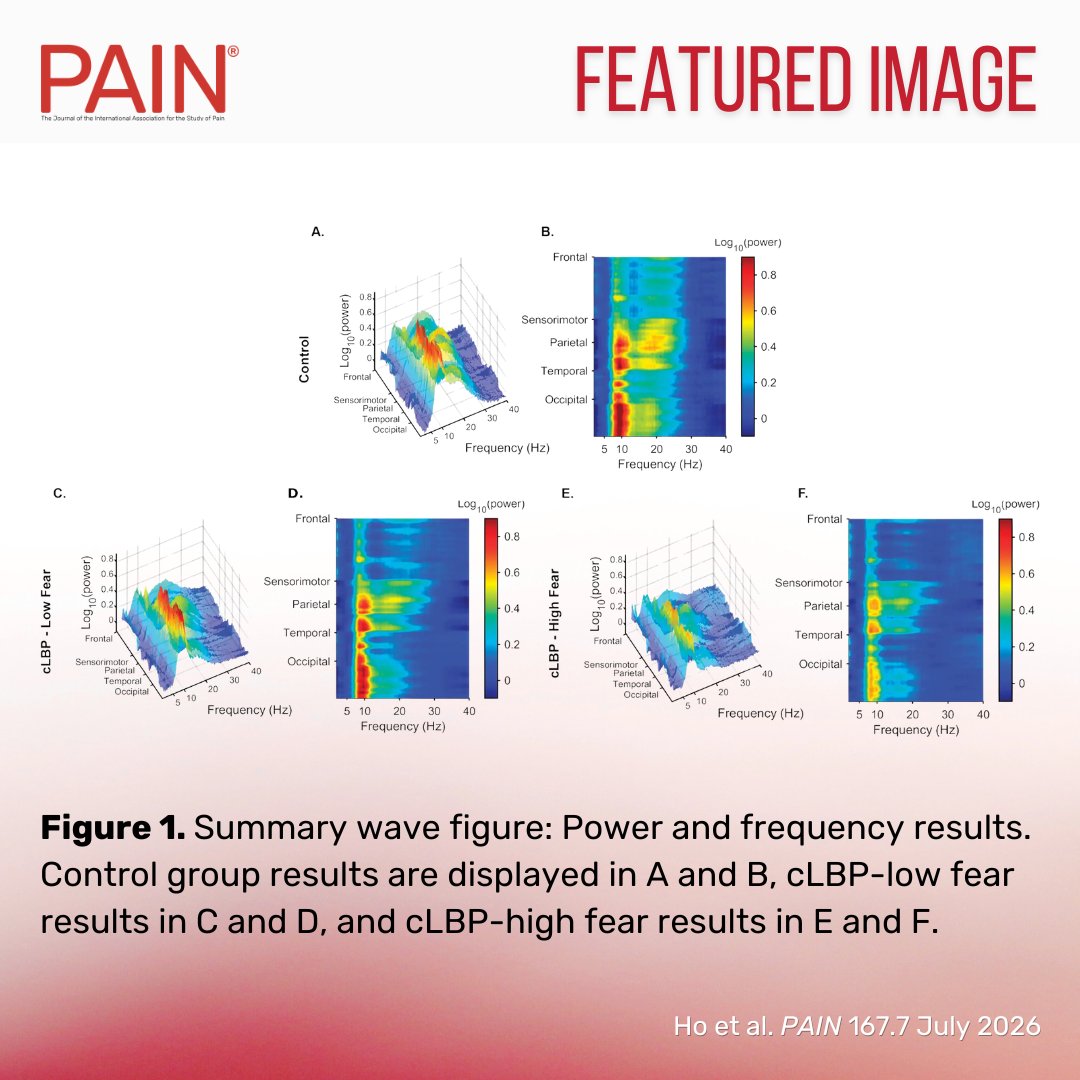
In this week’s #PAIN Featured Image, Ho et al. depict the marginal means from ANCOVA analysis and show frequency, periodic power, and location data for each group. Chronic low back pain and high fear is associated with lower resting alpha and beta power https://t.co/Yq8gOF817V
In this week’s #PAIN Featured Image, Ho et al. depict the marginal means from ANCOVA analysis and show frequency, periodic power, and location data for each group. Chronic low back pain and high fear is associated with lower resting alpha and beta power https://t.co/Yq8gOF817V
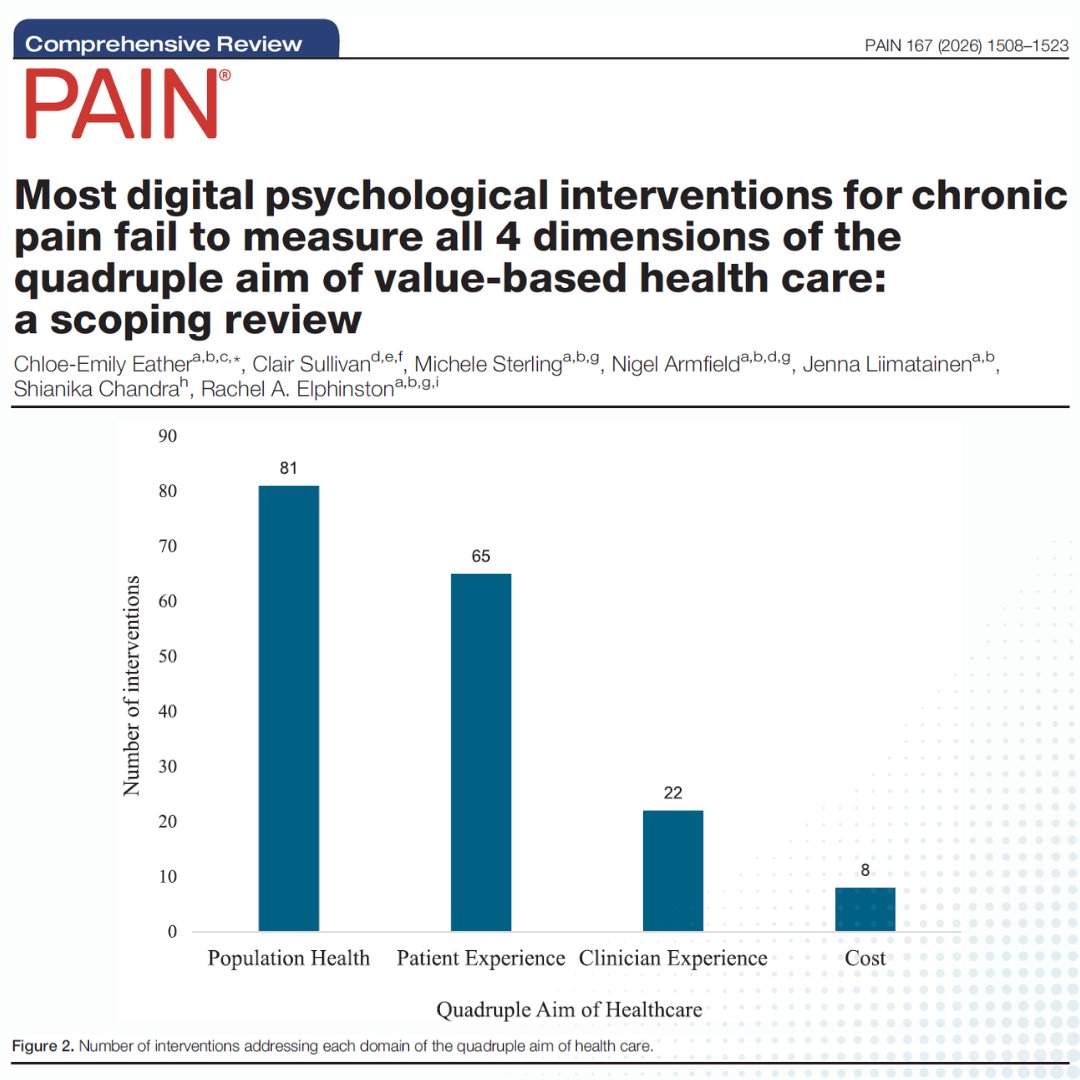
Eather et al. find that digital psychological interventions for chronic pain consistently improve patient outcomes and experiences, but evidence on clinician implementation and cost-effectiveness remains limited. Learn more in #PAIN https://t.co/KpdfY3IOzL
Bring your group, lab, or team to #IASP2026. Groups of five or more receive 10% off registration when submitted together and paid in one transaction. Join the global pain community in Bangkok, 26–30 October: https://t.co/nJeGgknRg7
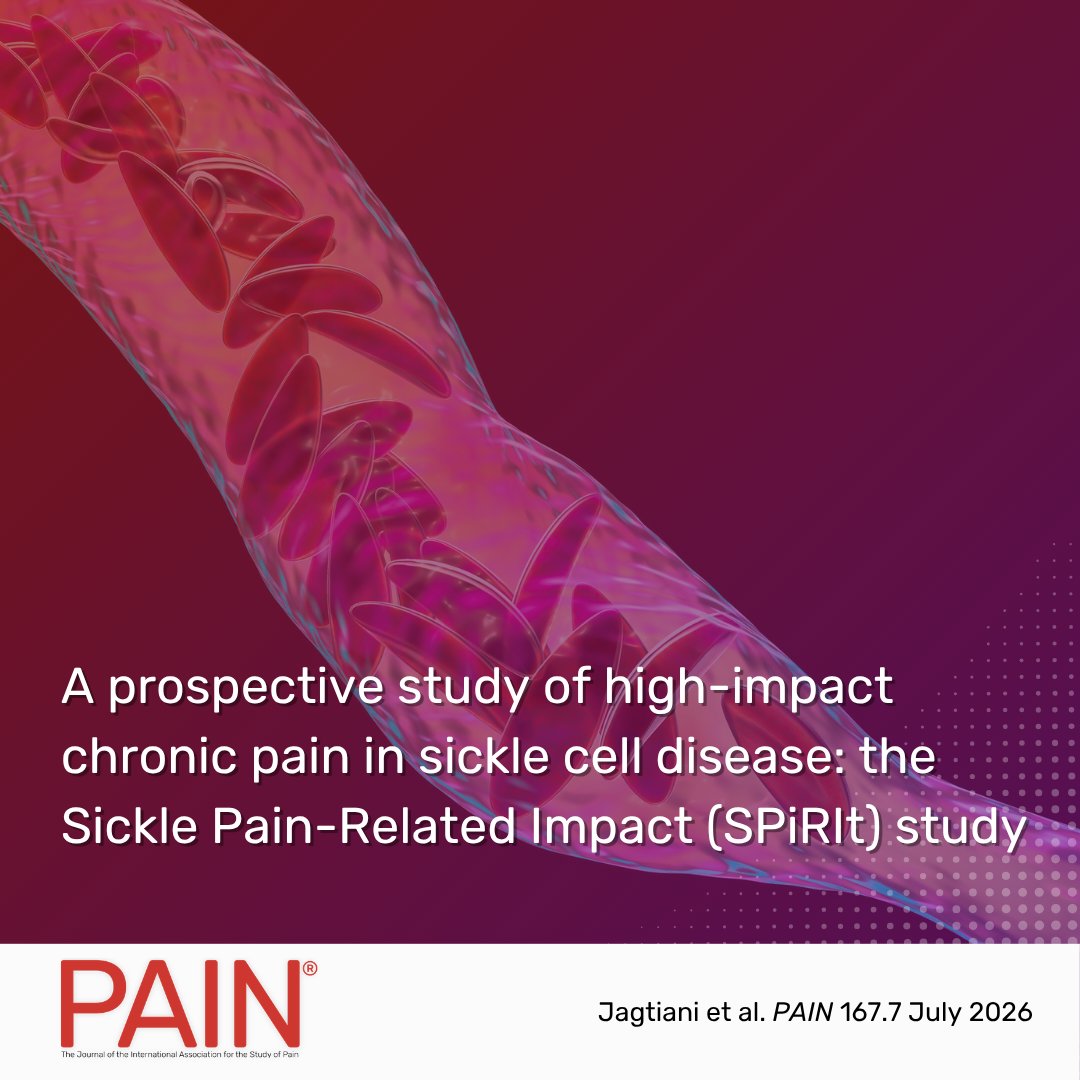
Jagtiani et al. find that persons with sickle cell disease and high-impact chronic pain (HICP) experience poorer outcomes, and psychological factors may be associated with HICP. Chronic pain and HICP may be dynamic states. Learn more in #PAIN https://t.co/PzP3VaY6vb