Introduce your students to the “Milk Mamas” program, a community-based system that provides essential resources for orphaned elephants while supporting local livelihoods. Explore with your students how this system helps people and elephants thrive. https://t.co/2nXHmn6Wwh
Travel back in time when Texas was a new state and explore how efforts to preserve the Southwest corner of the state led to the creation of Texas’ first national park! https://t.co/DZAgLb2hvi
Do your students know about the pandora sphinx moth? Explore this North American species and examine its distinctive wing colors and patterns while helping learners build skills in observing and identifying wildlife. (Grades: 3-12)
Resource: https://t.co/WZZsznLPDH
The Odyssey hits theaters this weekend 🚢
Before your students see Christopher Nolan’s epic, give them the context that makes it land: where these myths come from, how they’ve shaped storytelling for centuries, and why they’re still in pop culture today. https://t.co/1slzhcIFIH
Unlock student imagination and creativity when simply transforming an ordinary sheet of paper into a delightful 3D hand puppet that springs to life with the human touch. https://t.co/N7sDOmh0ut
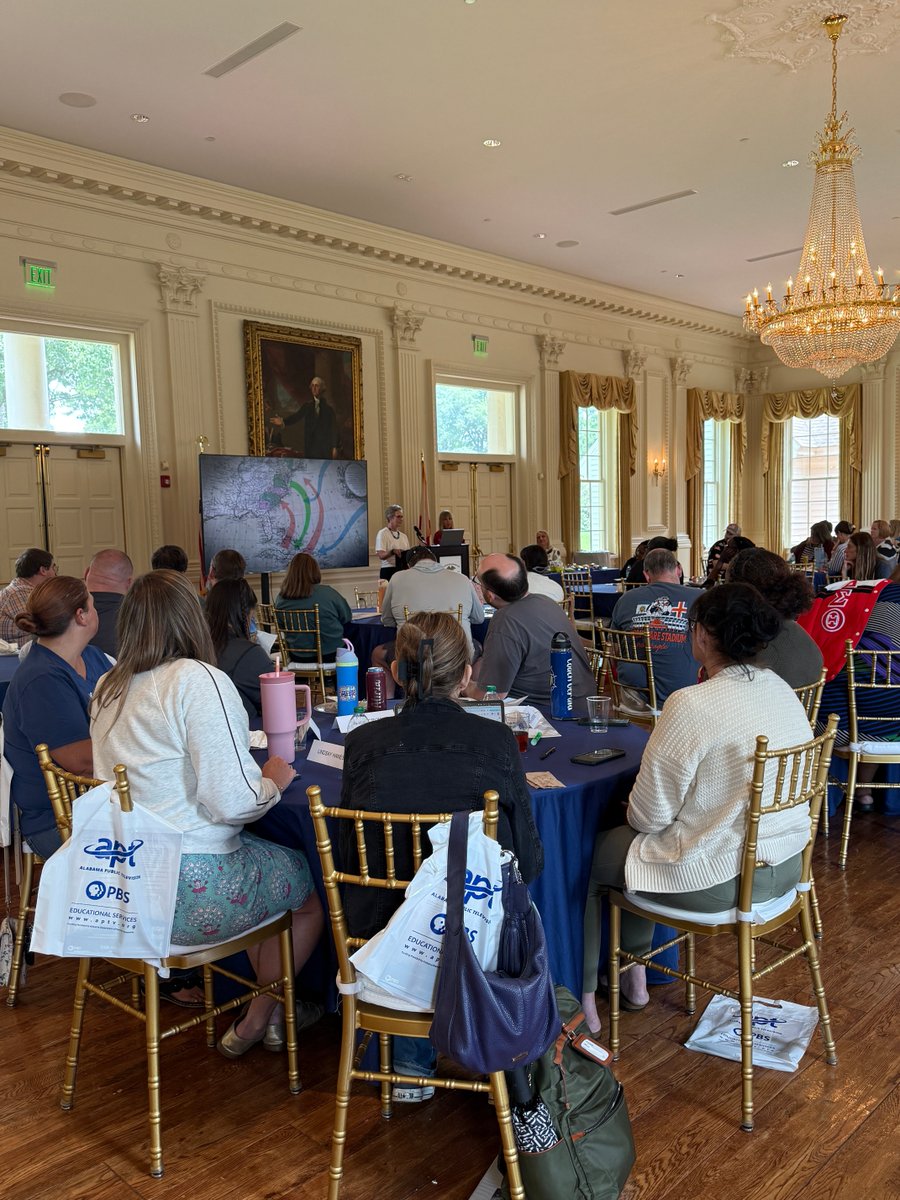
We had a great time in Alabama at @AV_Alabama for @alpublictv’s presentation to 80 social studies teachers from across the state!
A special thanks to APT and American Village for supporting educator professional development this summer!
Show your students this quick recap on the Space Race and Neil Armstrong's first steps on the moon in this overview of the Apollo 11 mission. https://t.co/SFLzs40OR1
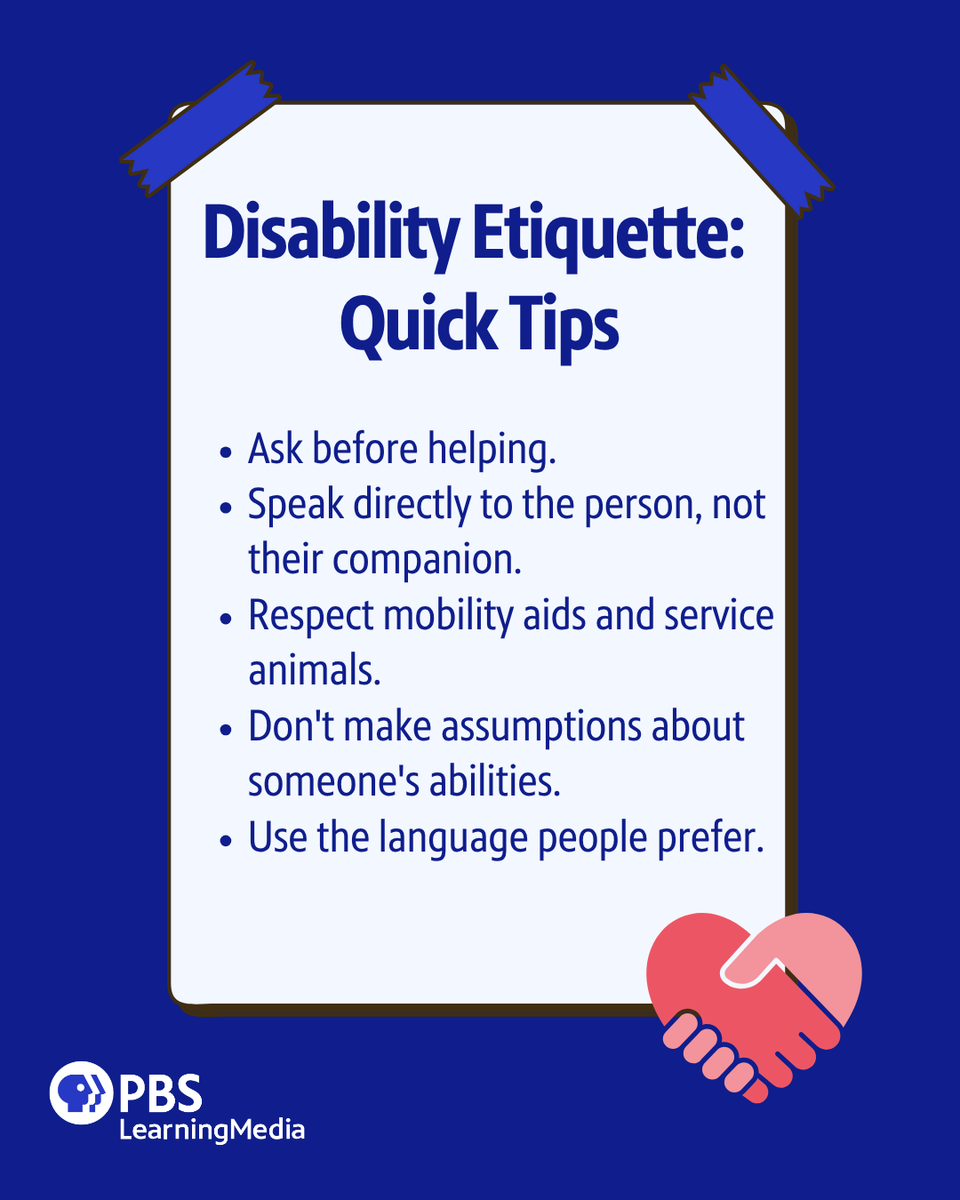
This Disability Pride Month, remember: inclusion starts with respect. Small actions and thoughtful communication can help create a more welcoming community for everyone.
Use this MOLLY OF DENALI digital game to extend students’ knowledge of biodiversity in an area and to learn about Indigenous cultures. https://t.co/gU6KD3hABd
Walking comes naturally to humans—but not to robots.
Using this NOVA video, explore with your students why building a soccer-playing robot is one of the biggest challenges in robotics, requiring advances in vision, decision-making, and movement. https://t.co/FHZPdrGMNx
Did you know the U.S. has over 400 parks and monuments maintained by the National Park Service? Whether you and your students are planning a trip or exploring from the couch, there's always more to discover.
From sloths to giraffes, show your students about the animals they can’t stop asking about! This playlist is perfect for young animal lovers who want to learn about the habitats, diet, and characteristics of their favorite creatures.
Watch now on YouTube: https://t.co/1mYJBrboDX
Fireflies aren’t actually flies—they’re beetles, and their glow comes from a chemical reaction called bioluminescence.
Show your students how light pollution impacts firefly populations around the world with this resource: https://t.co/RFID3w2z75
Invite students to explore how shark diving expeditions can support conservation! Discuss how close encounters with sharks may change public opinion and build appreciation for their ecological importance. (Grades: 6-12) https://t.co/VopEi1IzRf
Why are coral reefs important, and how can we protect them? Spark a classroom discussion about how reefs support marine life, why many are under threat, and what role sunscreen chemicals may play. (Grades: 6-12) https://t.co/3Ya9BJOucP
Show your students how a simple observation of sea lampreys on basking sharks led to a major scientific discovery! This lesson supports scientific inquiry as students ask questions, examine evidence, and investigate real-world observations. (Grades: 6-8) https://t.co/pPWwjGPyw3
Lyla and Stu need your help styling their hairdos! Encourage your students to get creative with this fun interactive game where they can pick various styles, colors, and accessories for Lyla and Stu. #VideoGamesDay https://t.co/2TSmhKIn62
Did you know Milton Hershey started in the caramel business before moving to chocolate? Hersheypark could’ve been a lot stickier if he’d stuck with caramels 🍬 #WorldChocolateDay https://t.co/lQiqGGWM9U
Curving a ball with the Magnus effect is common in every sport. But here's the twist: the effect can be reversed. Kick the ball the same way, and it bends in the opposite direction. Show your class how it works in this resource. #WorldCup https://t.co/6jtT8h2V84