PEAT is an interdisciplinary project aiming to protect peatland ecosystems and address their threats in the Walpole Wilderness Area of southwestern Australia
We are in the field together with ECU PhD candidate Choki, who is studying vegetation communities in the WWA peatlands.
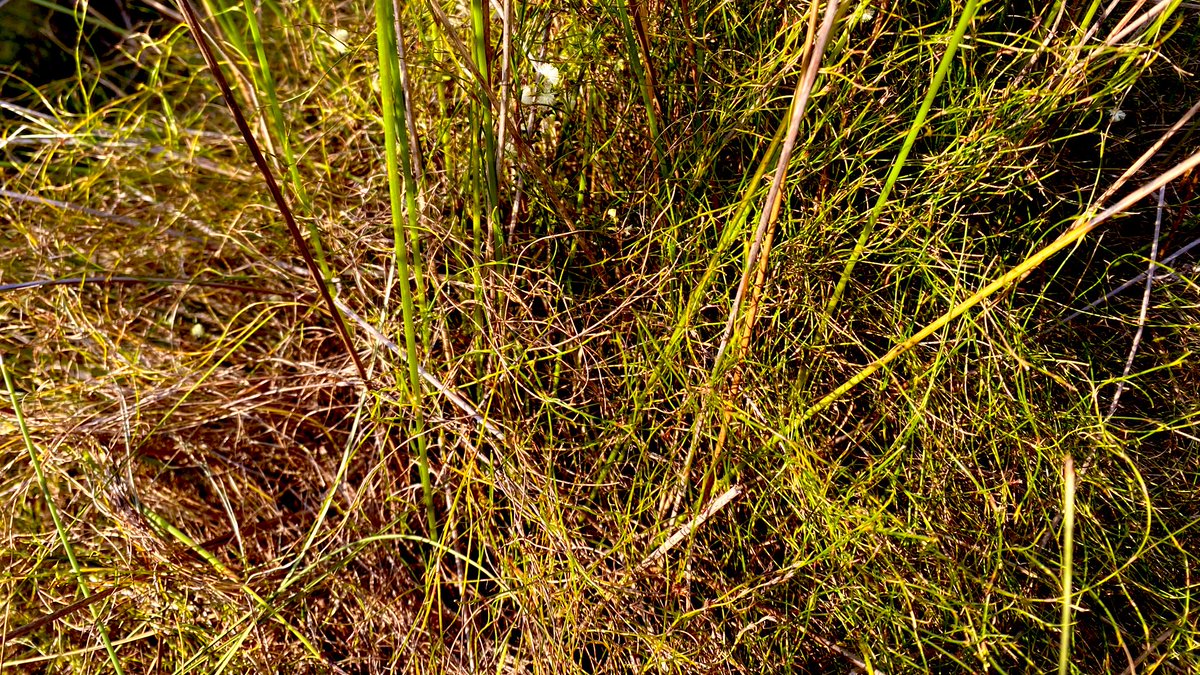
This particular site near Walpole has quite a lot of critically endangered Reedia spathacea amongst typical peat plant species such as Empodisma gracillimum.
What a beautiful day in the Walpole Wilderness Area; researchers from ECU, UWA and WNNPA were soaking in the sun today while installing piezometers at one of our intensive sites.
What an amazing day in the field despite some rain: We officially started our first vegetation surveys and added temperature sensors and a rain gauge to our IoT sensor network.
This week we started slicing up our first peat sediment cores from the WWA.
We are going to freeze-dry each sample, estimate bulk density, measure pH, EC, organic matter content and particle size.
The preliminary data will
help us to fine-tune the methods for our master cores!
Soil is fundamental to life on Earth 🌿
If you eat food, if you wear clothes,
if you take medicines,
if you drink water,
you DEPEND on the #soil. 📷
#SaveSoil via https://t.co/EbxElpzawc
1/5
We are currently looking for a @BiolSci_UWA Honours or Master student interested in doing a research project with us in "Automatic acoustic monitoring of endangered sunset frogs".
More information below! (🧵)
4/5
Additionally, there is a substantial analytical component focused on developing and testing a workflow for automated analysis of acoustic files to detect sunset frogs. The outcomes of this project will have significant applications for future monitoring of the species!
Can you spot the peat bog in this orthomosaic? It can be tricky at times, but even with basic consumer drones, it's possible to generate simple digital surface models that can help.
Great study by the Ulladulla Local Aboriginal Land Council and @WIGL_UOW basically showing that the right fire management helps
to keep carbon in the soil.
It seems to me that good practice are burns with low intensity and low temperatures!
https://t.co/0Bs6GJAC73
One year into the 5-year PEAT (Protecting Peatlands and Addressing Threats) research project, progress is underway within the peatlands of the Walpole Wilderness area, with several SBS researchers being part of the team. https://t.co/LloKiX04NQ
Yesterday we went out and did a couple of test flights with our new Quantum-Systems Trinity Pro #UAV. We are very excited to do our own ultrahigh-resolution #LIDAR acquisitions in the WWA peatlands next year!
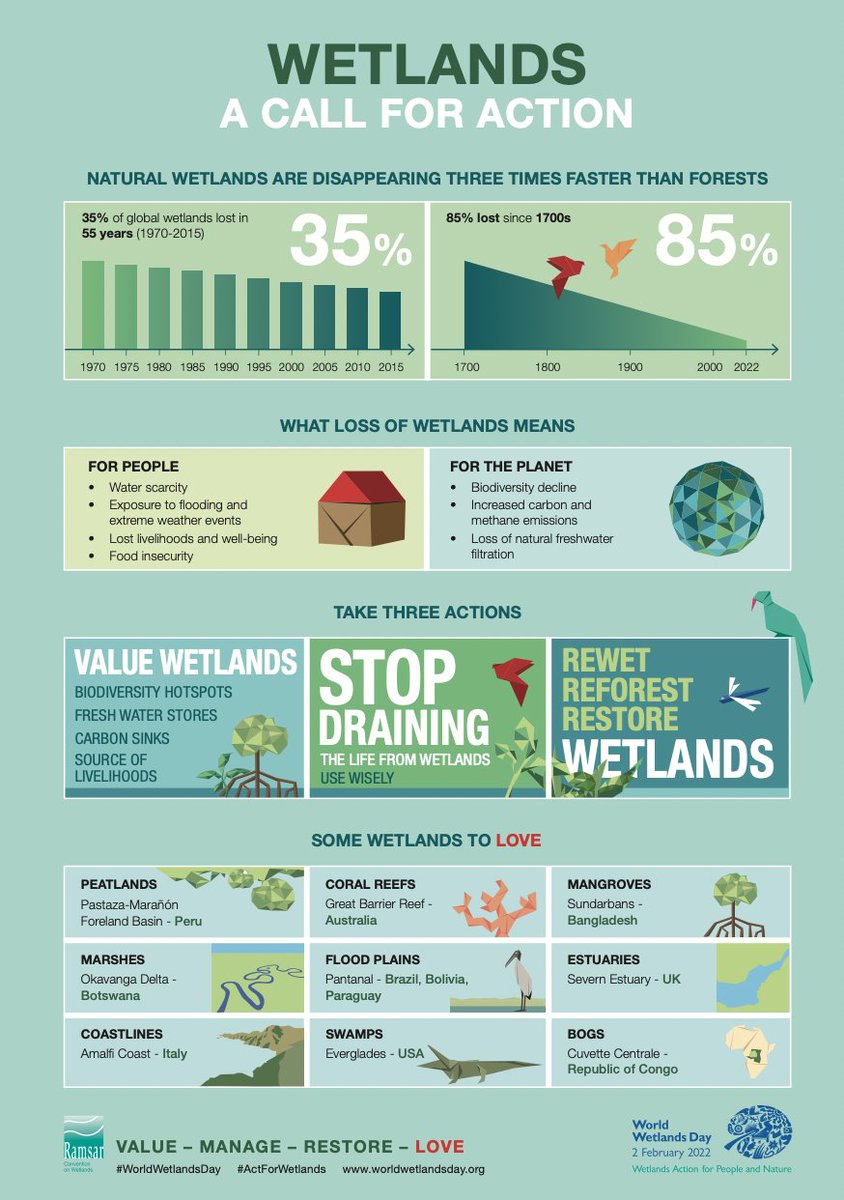
#Wetlands are our most valuable ecosystem with critical services for #biodiversity, health, water security and climate adaptation.
But we are losing wetlands 3x faster than forests. We must accelerate actions for the conservation & #restoration of them.
via @RamsarConv