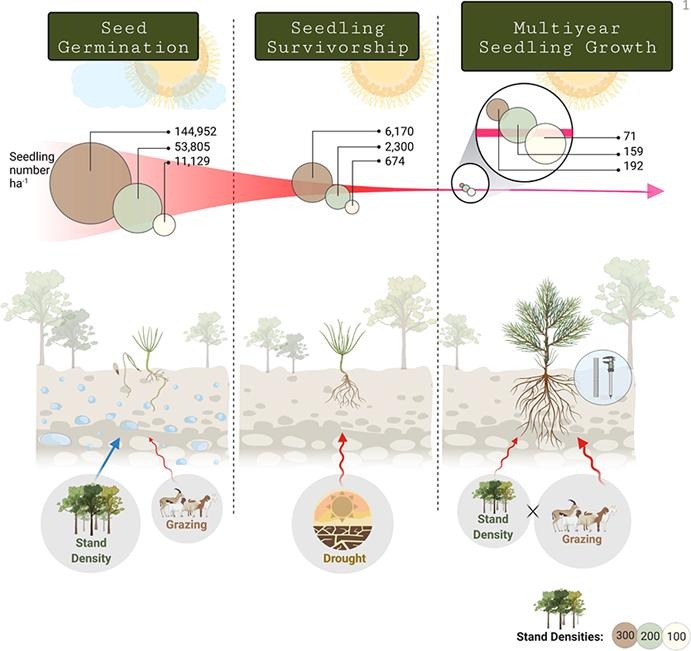
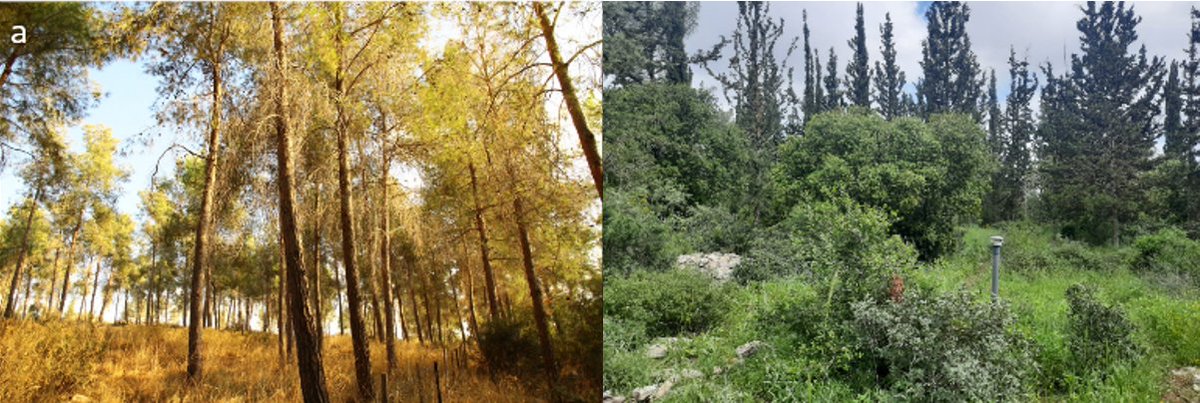
Tamir Klein's group, from Plant and Environmental Sciences, with the Dan Yakir group from EPS, found that drought brings seedling survivorship to near-zero values. Under a changing climate, this process can act as a ‘silent killer’ for forests https://t.co/5EKkNsXGoB
Happy to share our exciting work by Noa Barak-Gavish on the bacterial lifestyle switch, from coexistence to pathogenicity, in response to algal metabolites!
Check it out--> https://t.co/aOYnqKmtfj
Our new paper is out! Or Eliason, PhD student in the lab, shows that while some environmental proxies are sensitive to microbial interactions, others are not. An exciting step towards reconstructing past microbial interactions.
https://t.co/dXl1cdAlxj
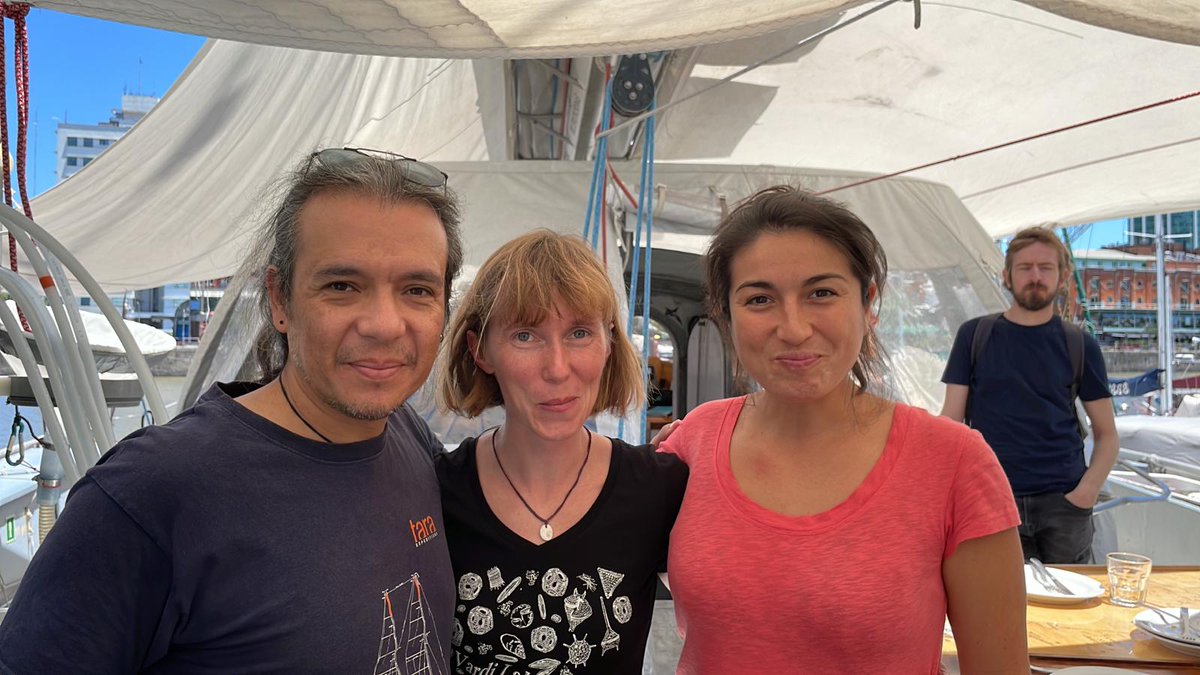
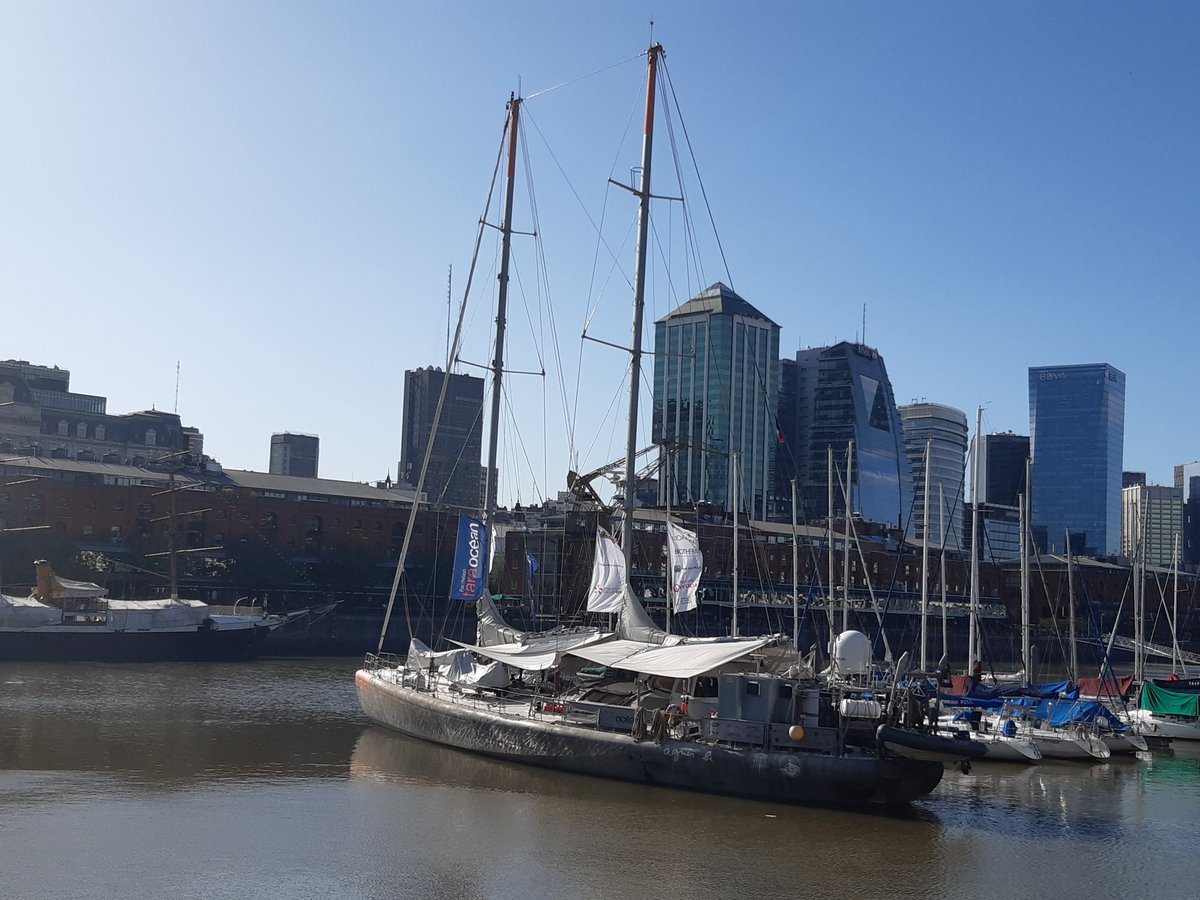
OKAY FRIENDS ! Major update on the Vardi Lab @WeizmannScience, where three members have reached the legendary @TaraOcean_ schooner in... Buenos Aires, Argentina ! A small thread below on why the hell we are there
#coccochase#gayoso
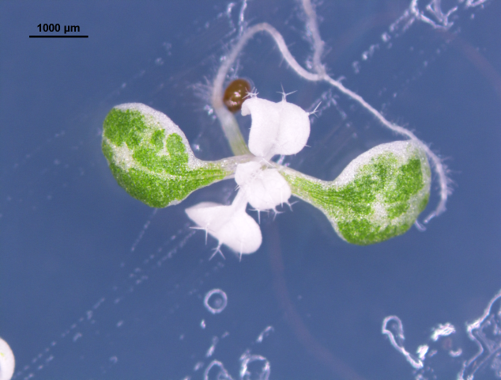
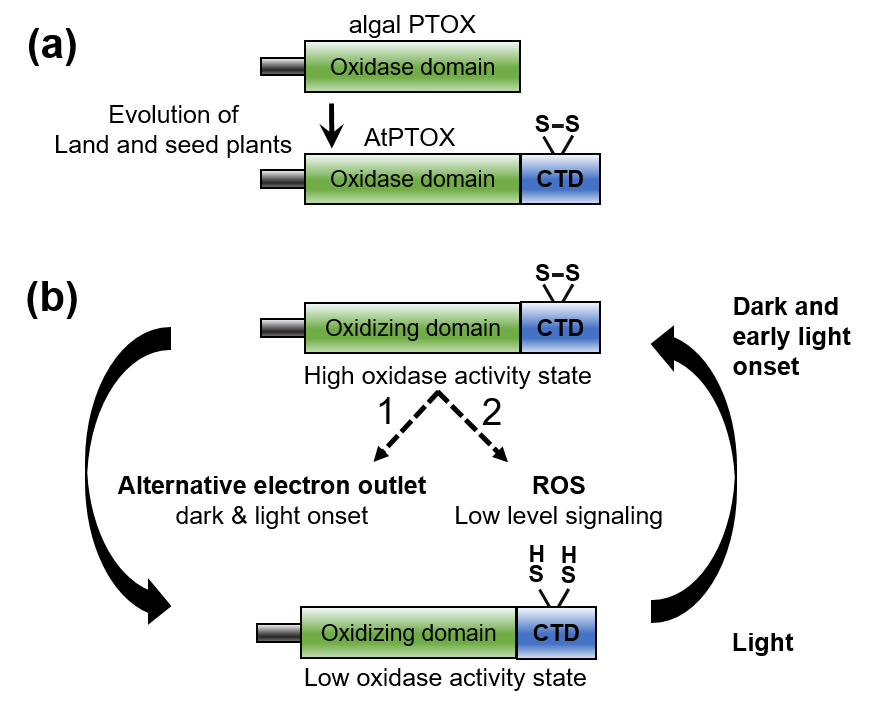
Excited to share the final version of our paper. Low light‐regulated intramolecular disulfide fine‐tunes the role of PTOX in Arabidopsis https://t.co/wdVzxuTGzh
We are still trying to understand the immutans variegation mutant, one of the oldest Arabidopsis mutants.
Our new preprint- an inorganic microbial language. Exciting work spearhead by postdoc @abada_adi shows algal-bacterial interactions mediated by nitrite and nitric oxide. Great collaboration with @SperfeldMartin, @me_microbes_and and @babbinox .
https://t.co/CTUbp7wMRg
Do you need a genome of your exact microbial strain? Martin Sperfeld, postdoc in the lab, developed a brilliant way to generate a synthetic genome (sGenome) using transcriptomic data. He actually revealed new genes in our microalga using this approach!
https://t.co/3tMbo5IyPd
1/ Our new paper is out now @ThePlantJournal
"Low light‐regulated intramolecular disulfide fine‐tunes Arabidopsis PTOX role"
https://t.co/f3zoeWhSOH
@PesWeizmann@SaeriWeizmann
Can we track environmental conditions AND microbial interactions in the geological record? Beautiful work by Or Eliason, PhD student in the lab, brings us a step closer to understanding how to use different microbial proxies.
https://t.co/JXjz2Zg2o9
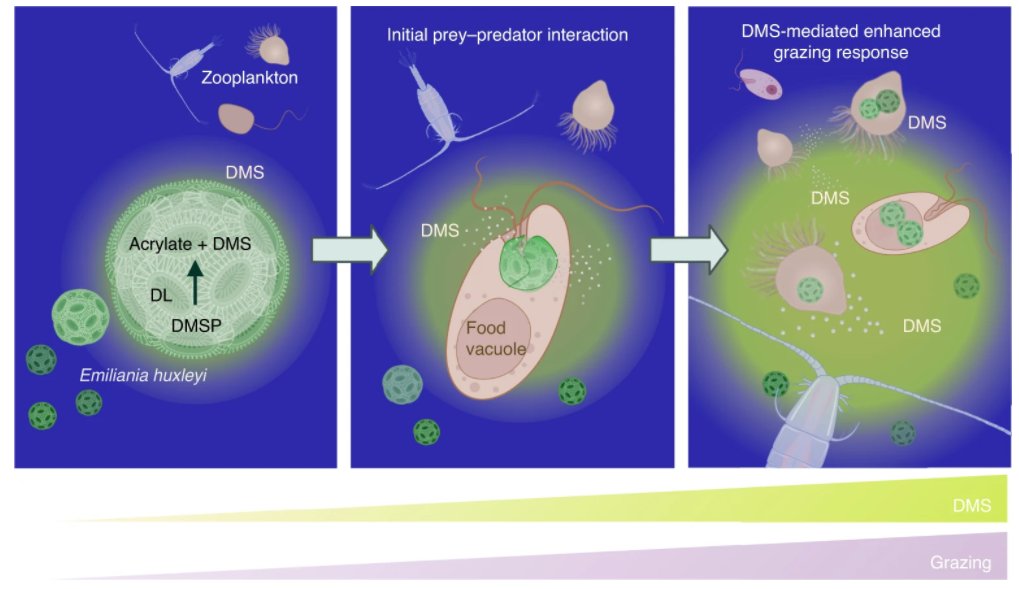
SO EXCITED to share with you the amazing work of our PhD Adva Shemi just out in @NatureMicrobiol, where she explored the role of DMS as an "eat-me" signal during predator-prey interactions, using genetic/biochemical manipulation !
https://t.co/5wj9x5ELlB
Our new study is out- marine bacteria commonly use anthropogenic pollutants as a P source.
This work was an amazing journey with an outstanding team lead by first author Dragana Despotovic, and by my dear friend and colleague Dan Tawfik.
https://t.co/Lbm9SXf4ja
Stocked to report the last baby in the lab ! Fantastic work by PhD student Shiri Graff van Creveld, digging into evolutionary origin of algal #programmed#cell#death by biochemical characterization of metacaspase activity with @Th_Mock @AmandaHopesUAE.
https://t.co/tDcEhmLgsb
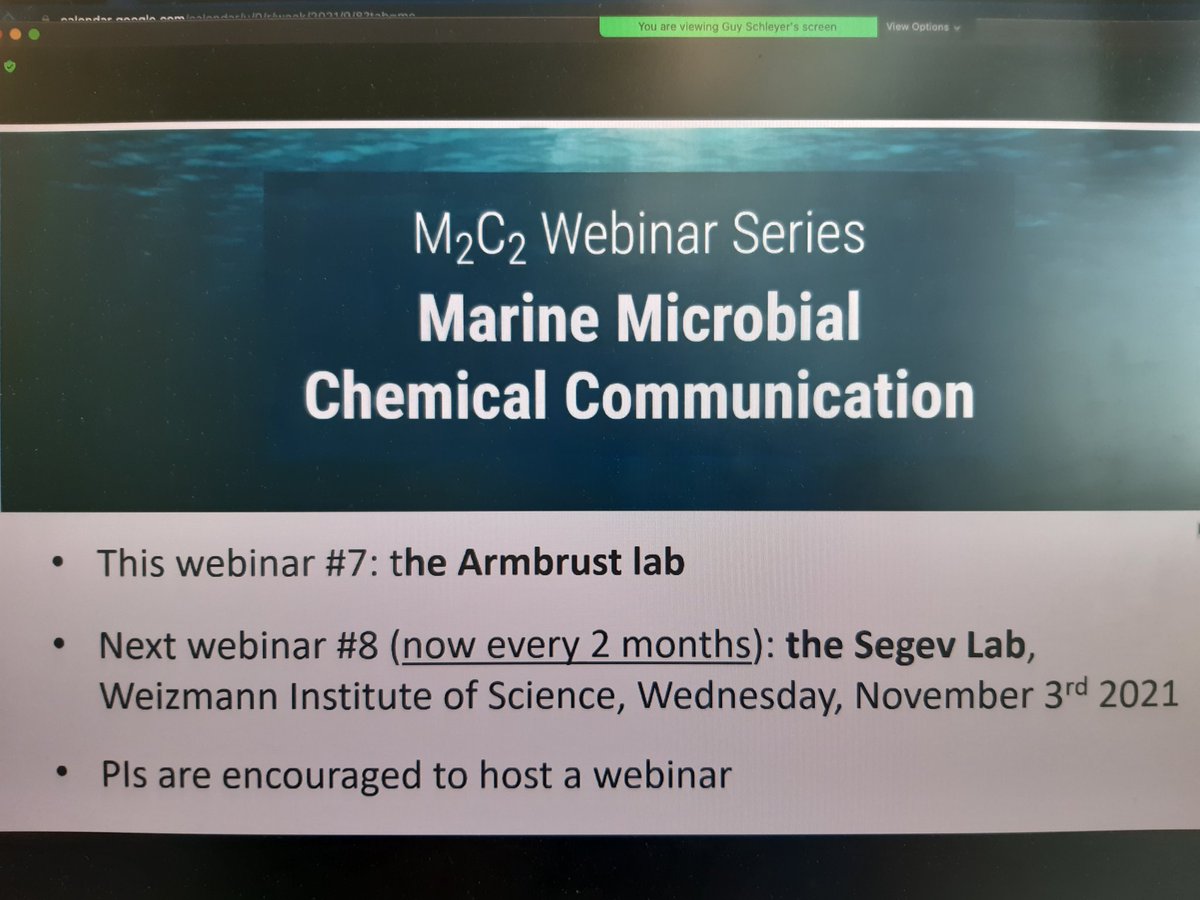
You are a PI and work on chemical ecology in marine microbial systems ? Host an M2C2 seminar and share your research with the right community ! Get in touch :) #infochemical#metabolites#marinemicrobes#communication
Today, Armbrust lab !