The grass beneath your feet is doing more than you think! CALS researchers at O.J. Noer Turfgrass Research and Education Facility are uncovering new ways to make lawns, parks, and golf courses healthier, more sustainable, and more resilient to disease. https://t.co/dBfxK67ekg
Another great Turfgrass Apprenticeship Program ‘Shop Talk’ today, this time learning from @hawksnr about cultivation and organic matter management. Really helpful info for our students!
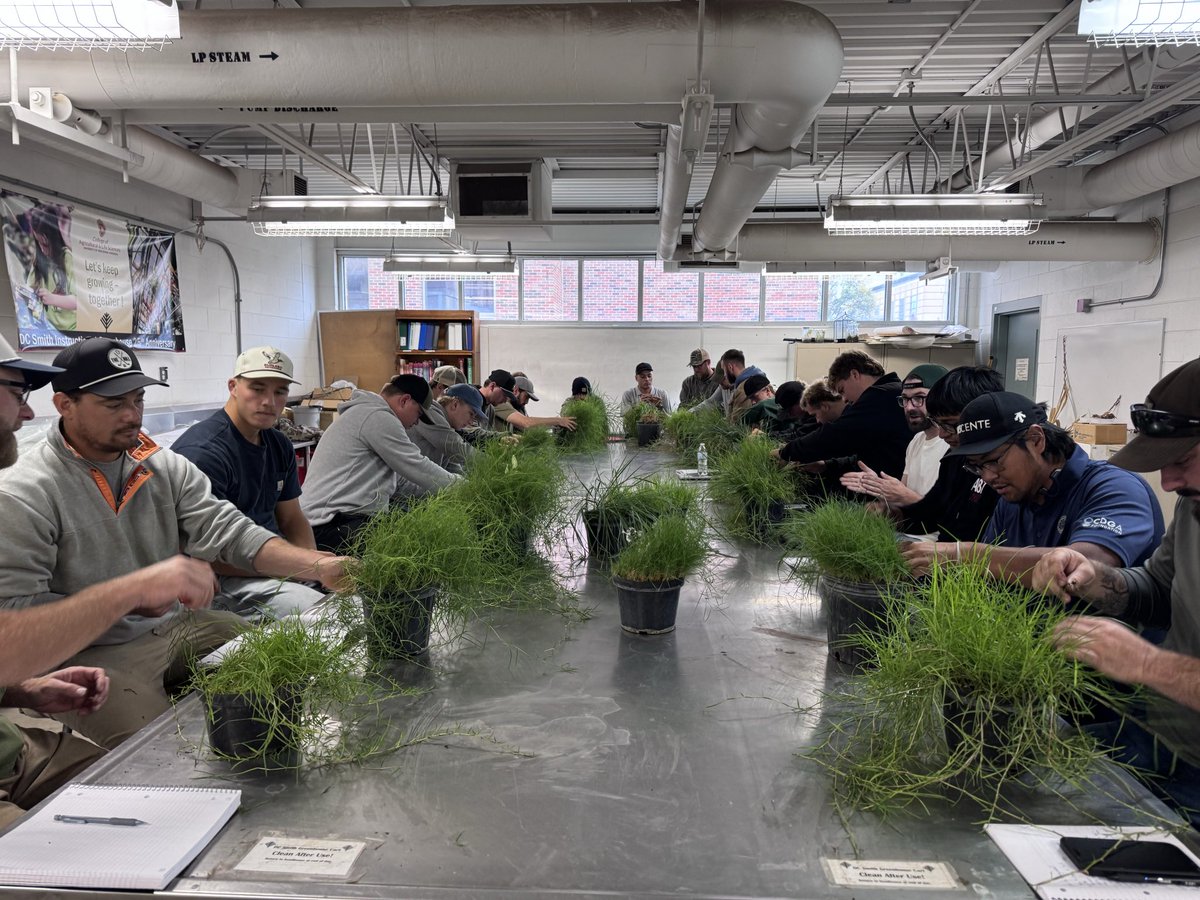
The first week of this year’s Turfgrass Apprenticeship Program was a great one! Grass ID in the greenhouse, and talking course construction and grass selection at TPC Wisconsin with @LeonardTPCWi. Excited to get to know these 22 students better over the next 11 weeks. @djsoldat
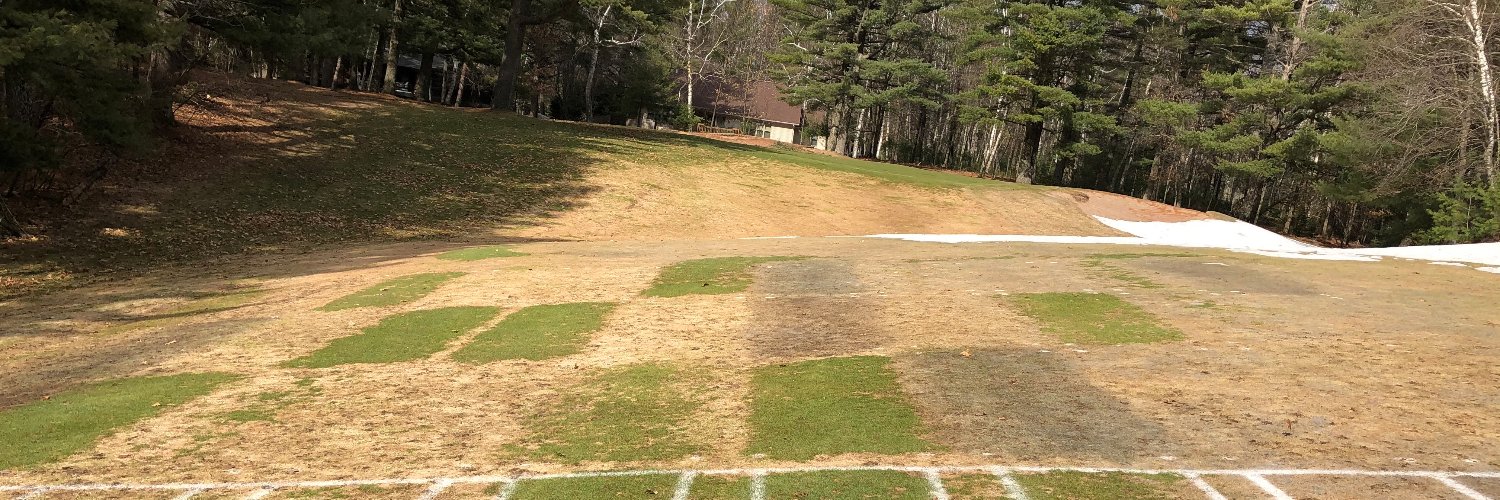
Excited to share our latest research looking at fungicide resistance among 21 snow mold isolates from around the US and Norway. In short, some indications of resistance but not widespread, even from sites with long fungicide histories. @Suwell86
https://t.co/8RbKsRHR25
Excited to present along with a great group of researchers and practitioners about strategies for managing dollar spot without fungicides as part of STERFs 20th Anniversary Celebration!
The webinar is free to attend, and more information is below:
https://t.co/44HHv1jy5b
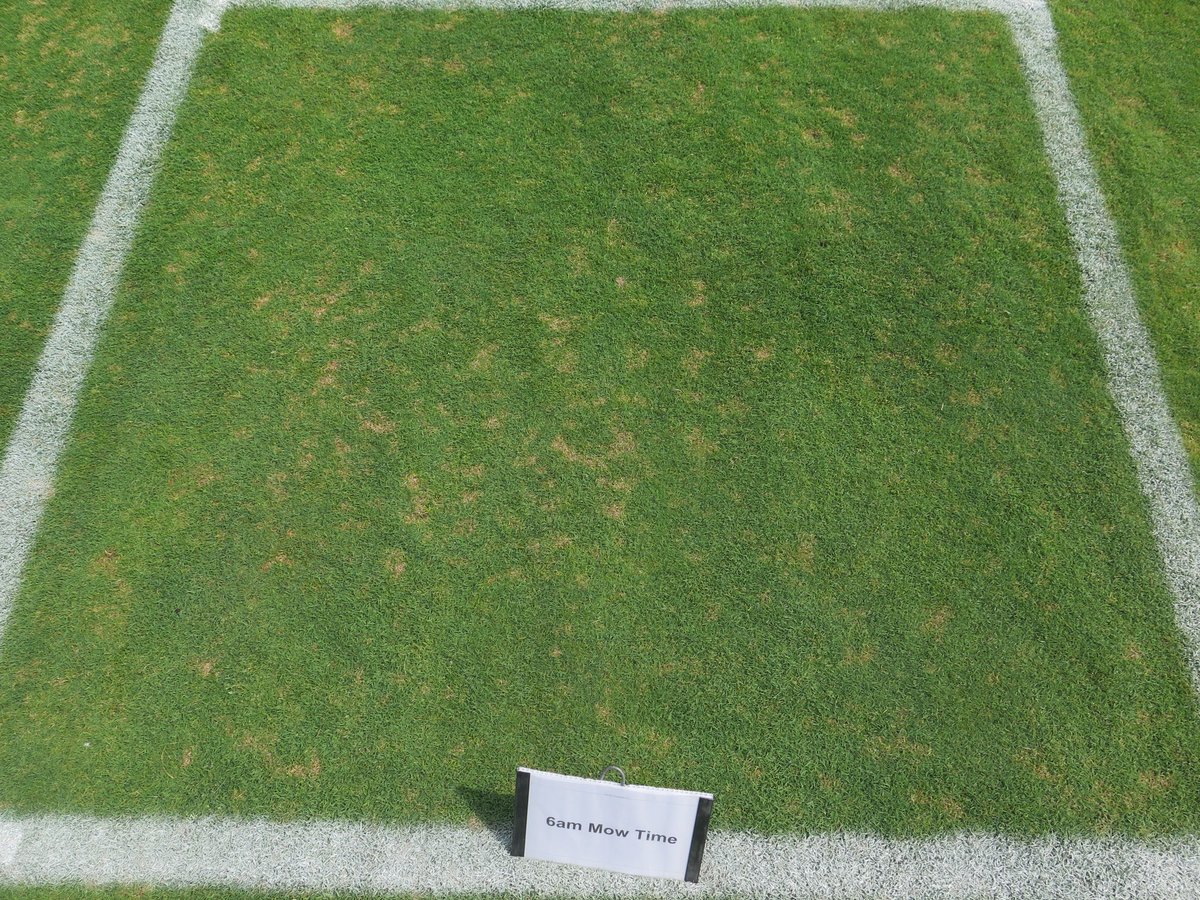
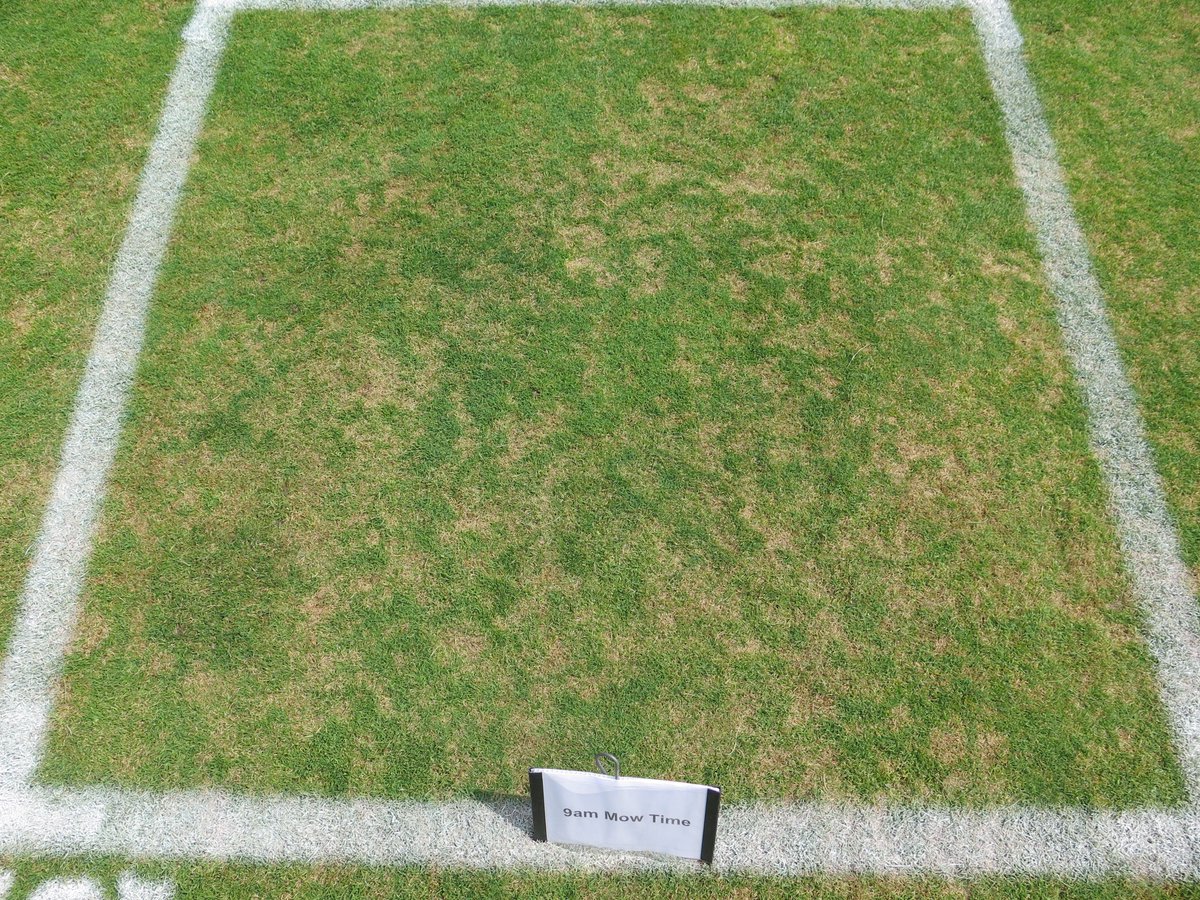
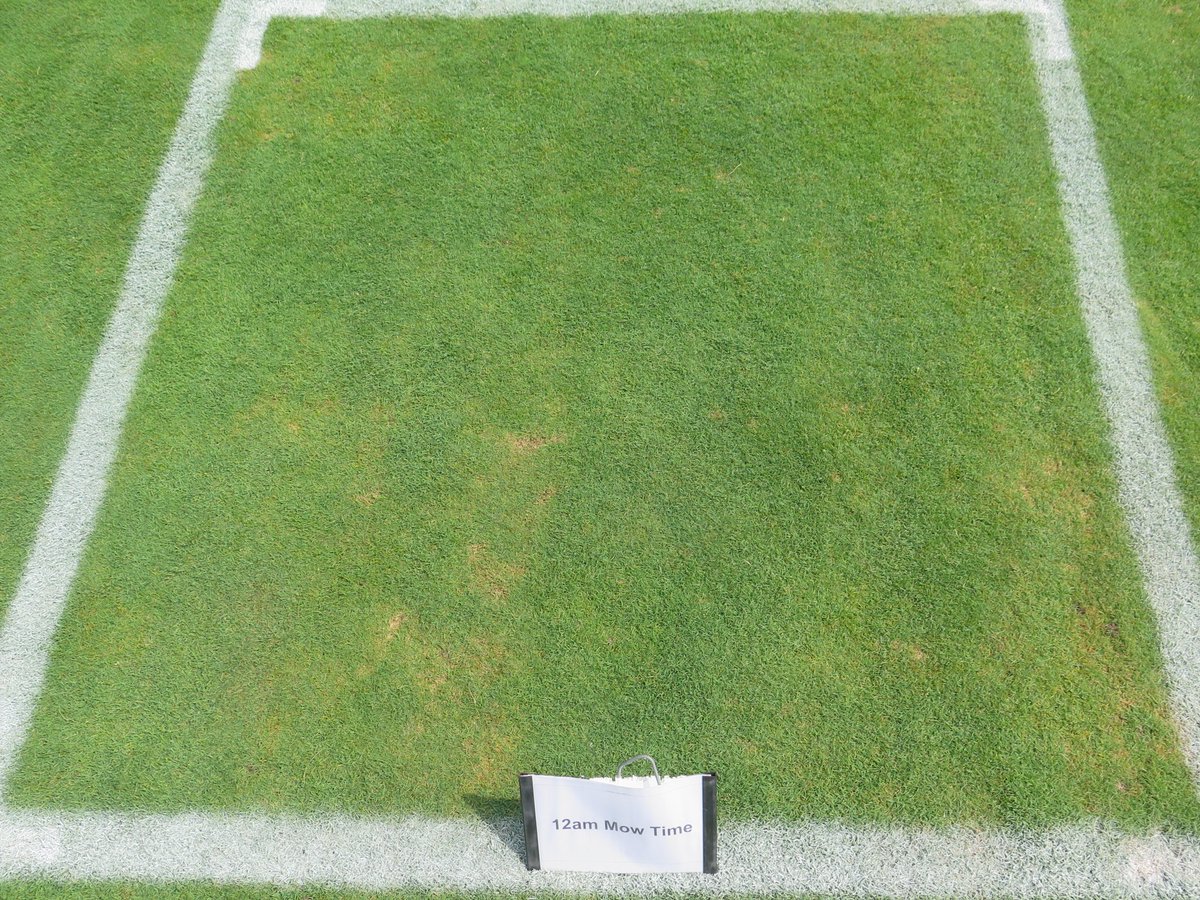
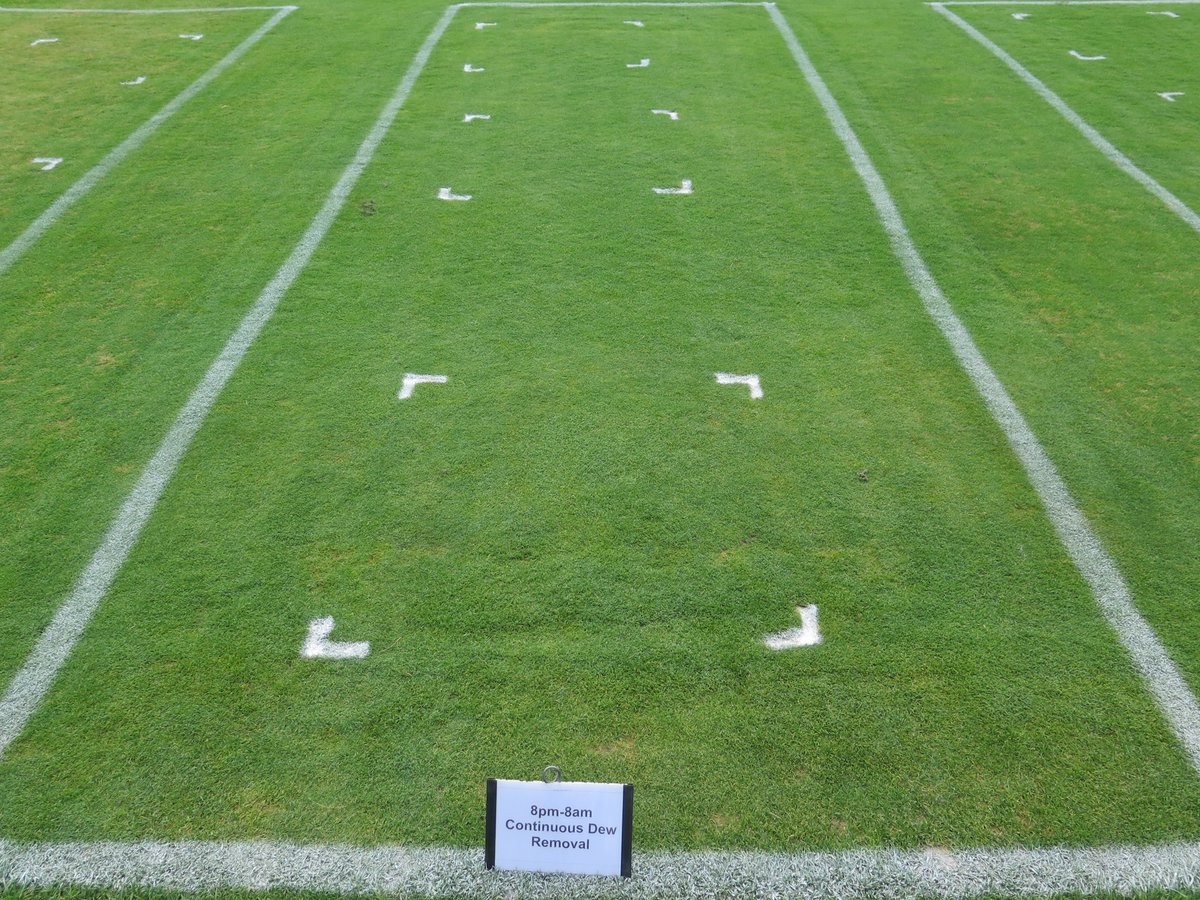
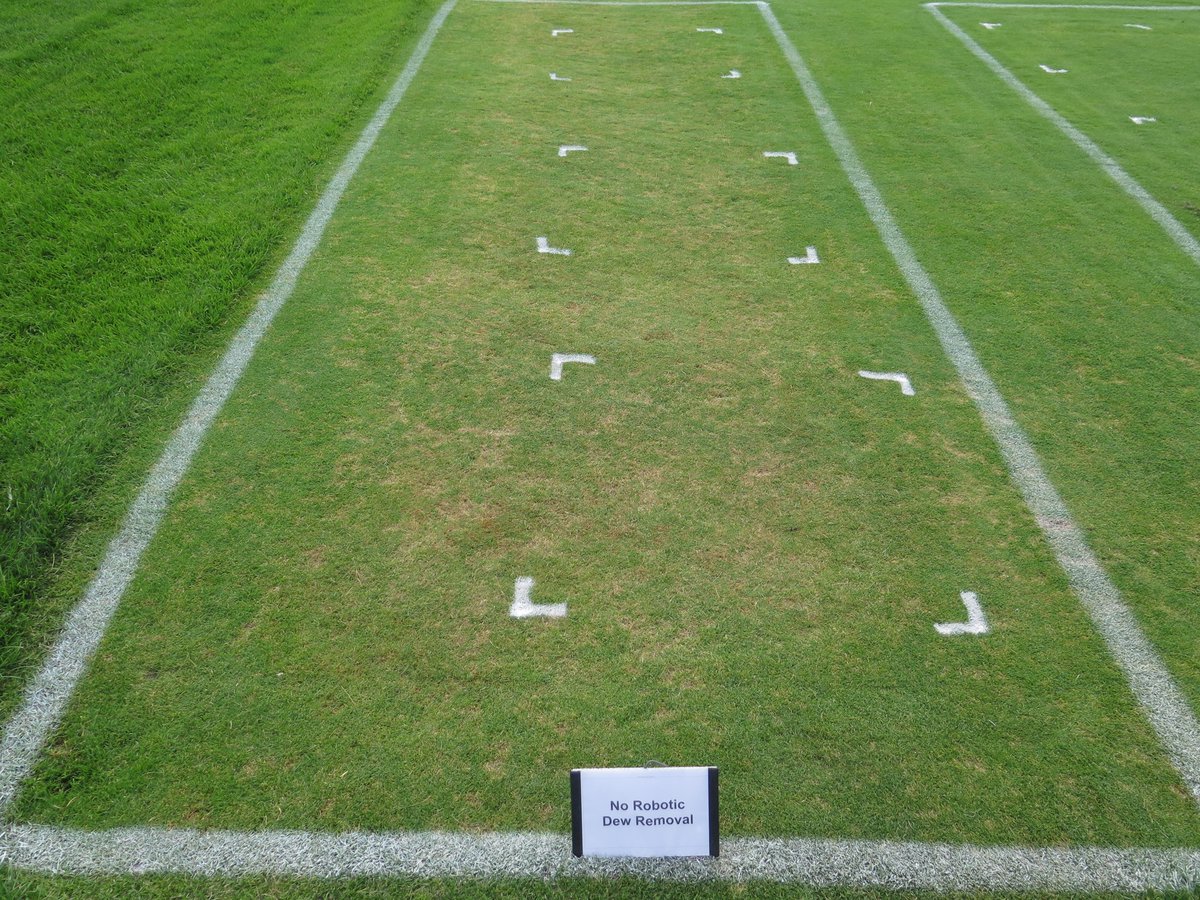
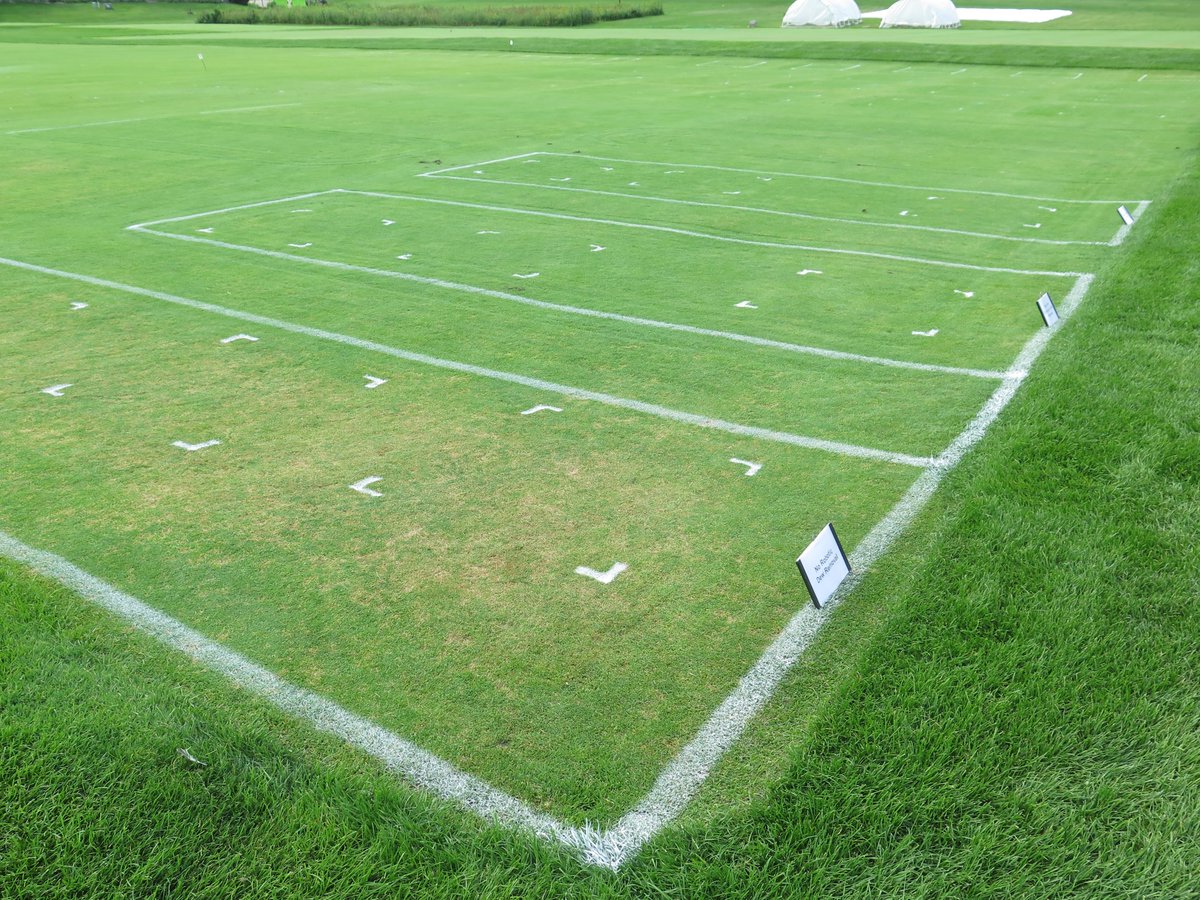
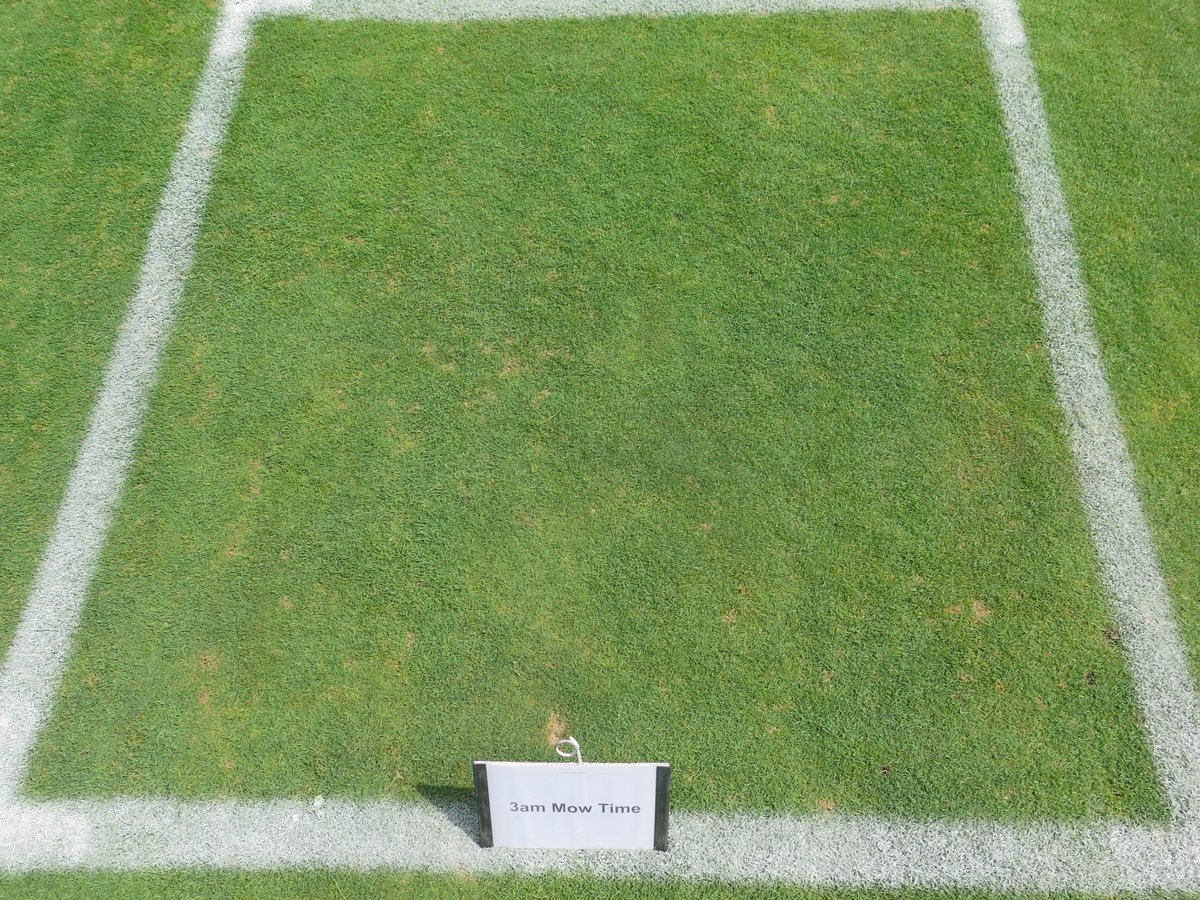
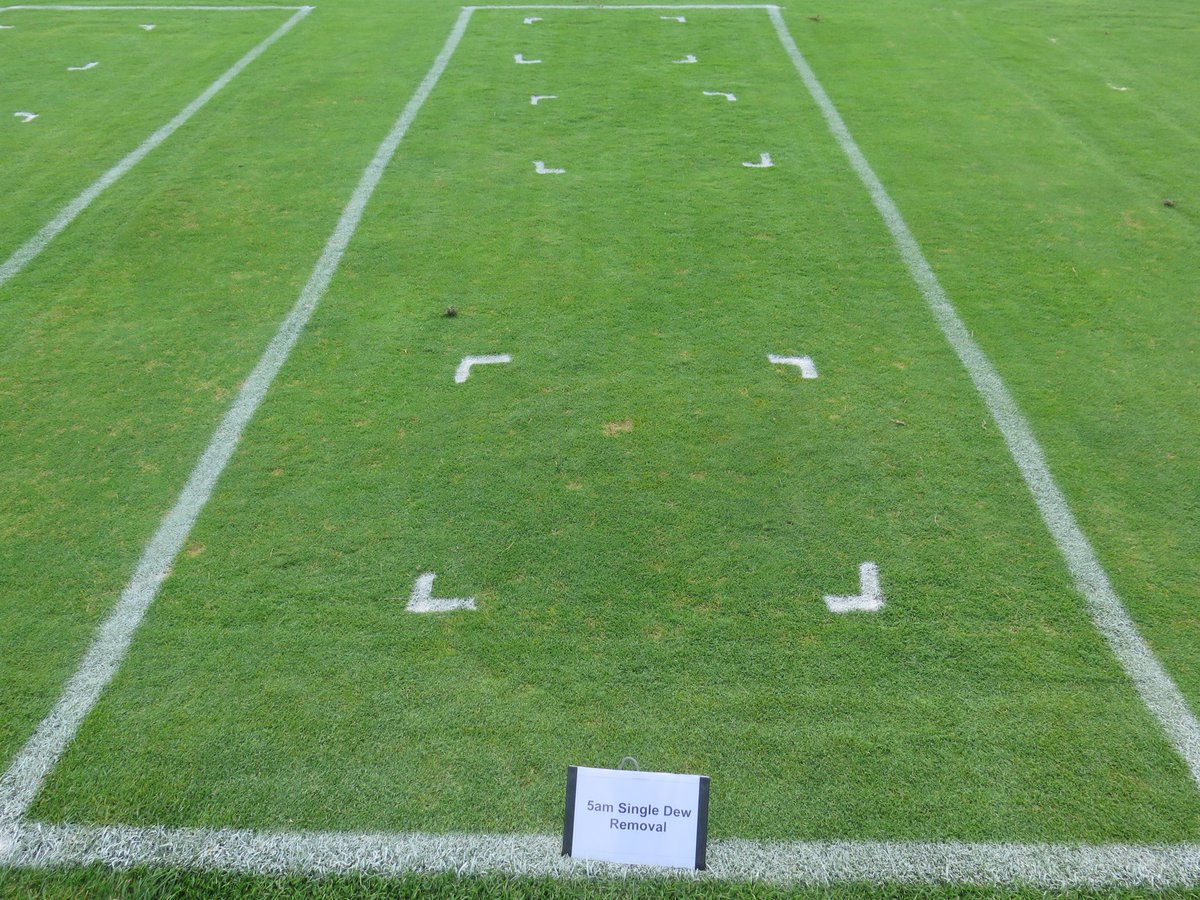
Pretty incredible impacts of the timing of autonomous mowing on dollar spot development. On the peak disease date of Aug 12, 2026 there was a 96% reduction in DS when mowed at midnight compared to 9 AM and a 91% reduction when mowed at 3 AM. The pics below tell the story
@JmacBallyb@Mvaughan33 Yes as long as it removes dew as effectively as the mowing. In the second study highlighted above (funded by the ITRI) that mower had a brush attachment on it in addition to the mowing
You can read the full reports of these projects, and many more, at our Summer 2026 Turfgrass Pathology Research Results page. Thanks to @kurtaculous for managing all these impactful projects!
https://t.co/eCUnzdfLXx
In a separate study funded by the International Turfgrass Research Initiative, mowing at 2-hour intervals from 8 PM to 8 AM completely suppressed DS even as the regular mowing timing had over 90 spots per 3 sq ft plot.