How do we ensure AI is safe, trustworthy and effective in cancer care and research?
Meet Dr. @bhaibeka, Executive AI Scientific Director @UHN, Scientific Director @PM_CDI@pmcancercentre and learn how he's developing AI guardrails for safe health care:
https://t.co/8pqhLJu1Pr
Congratulations to @PMResearch_UHN’s Dr. @stephxie, recipient of the 2026 Till & McCulloch Award for her @Nature study on how blood stem cells can retain a "memory" of inflammation. The findings provide new insight into aging and blood cancer risk.
🔗https://t.co/XYes1xScI1
Congratulations to our Scientist Dr. @stephxie on receiving the 2026 Till & McCulloch Award from @StemCellNetwork for her team's @Nature publication “Human haematopoietic stem cells remember inflammatory stress”.
Check out the award-winning publication below:
A new study @UHN@pmcancercentre and @UniofOxford identified a subset of blood stem cells that are shaped by past inflammatory events. These cells can accumulate with age and are linked to mutations with a higher risk of leukemia:
https://t.co/cp3mfErE8A;
https://t.co/BwgxvBm1jg
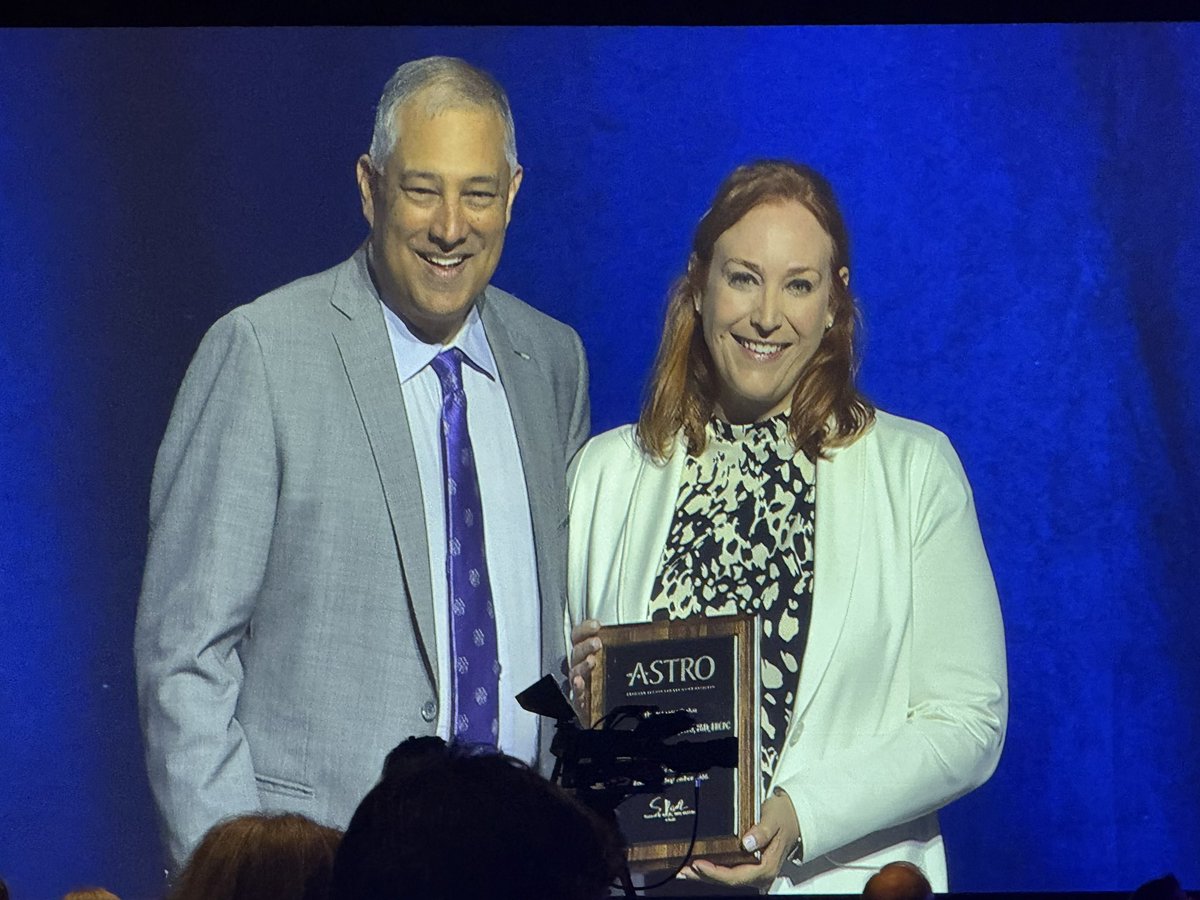
Over her 40-year long remarkable career, Dr. Frances Shepherd @UHN@pmcancercentre has transformed the standard of care for lung cancer patients in Canada and around the world. Congratulations to Dr. Shepherd on the induction into @CdnMEdHallFame!
The wait is over! 🎉
We are proud to announce the #2027CMHFInductees:
THE HONOURABLE YVONNE BOYER, LLD
DON COCKCROFT, MD
BARTHA MARIA KNOPPERS, PhD
ANTHONY LANG, MD
FRED POSSMAYER, PhD
FRANCES A. SHEPHERD, MD
https://t.co/i5M7sBn7RT
@CMA_Docs@Financial_MD@scotiabank
Dr. Frances Shepherd, an Emerita Scientist at @PMResearch_UHN, helped establish new standards of care for lung cancer.
Her research demonstrated the benefits of chemotherapy and targeted therapies, helping advance precision oncology worldwide.
Congratulations to three clinicians @UHN@pmcancercentre on receiving 2026 Clinician Scientist Awards from @marathonofhope@tfri_research. The awards provide funding to support their innovative research aimed at improving cancer care in precision oncology.
https://t.co/OcIb5HP4mw
In people with age-related blood stem cell mutations, our study found early pre-fibrosis and inflammatory regions in the bone marrow, that may set the stage for blood cancer development.
The @NatImmunol study was led by @DrStass@UHN@pmcancercentre:
https://t.co/7iMeR2AW5q
🧬 Excited to share our new work in @NatureBiotech!
Paper: https://t.co/7bc59q8p7O Research Briefing: https://t.co/o5wKM3RQBr
Large gene editors require large mRNAs, but LNPs are typically discovered using much smaller reporter RNAs. We asked: does RNA size matter when discovering delivery lipids?
Using a large base-editor mRNA for high-throughput screening, we identified LC-1, an ionizable lipid that enabled efficient gene editing in the liver, lung, and brain via different administration routes in mice, with up to 4× higher Cas9 editing than benchmark LNPs. LC-1 also efficiently delivered base editors for disease-relevant targets in hypercholesterolemia, cystic fibrosis, and Angelman syndrome.
Why does LC-1 work so well? Cryo-EM and X-ray scattering revealed that LC-1 LNPs form an ordered, inverted-hexagonal structure that persists with large RNA cargo. This membrane-fusing structure helps RNA escape from endosomes, the compartments that can trap it inside cells. In cell studies, LC-1 released roughly twice as much large mRNA into the cytosol as the benchmark formulations. We show that LC-1's key design features also apply to ionizable lipids made through other synthetic routes.
These findings show that accounting for RNA size from the start can change which lipids we discover and improve delivery of large gene editors. This could help expand the delivery options available for future gene-editing medicines.
Thank you to all our co-authors, collaborators and funders @CIHR_IRSC@NSERC_CRSNG@UofTPharmacy@LisaDolovich@PMResearch_UHN@bradwouters #LipidNanoparticles #GeneEditing #RNATherapeutics
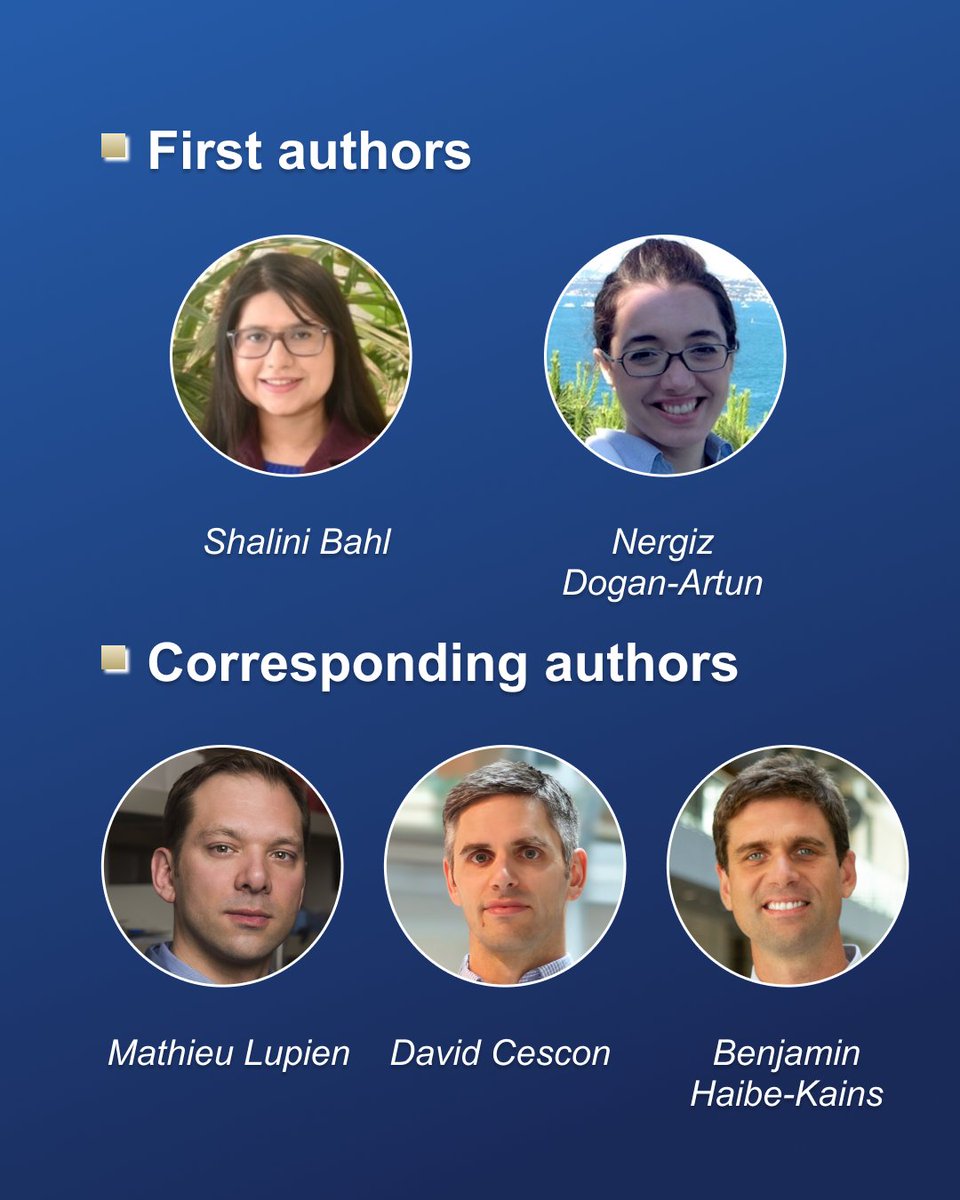
A new lipid nanoparticle, LC-1, overcame gene editing barriers and efficiently delivered large RNA tools to the preclinical models of liver, lungs, and brain.
The @NatureBiotech study was led by @BowenLi_Lab@UHN@pmcancercentre & @UofTPharmacy:
https://t.co/e9ju3EbUhZ
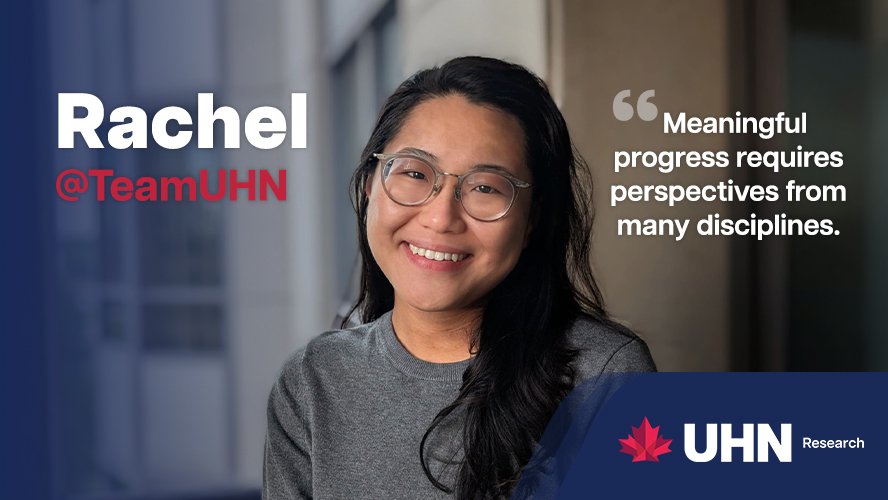
#PostdocAppreciationWeek 👋 Meet Rachel Shum, a postdoctoral researcher at @PMResearch_UHN. Learn how her research is helping advance radiation dose measurement to support more precise #cancer treatment.
🔗: https://t.co/j9GmmYmO9v
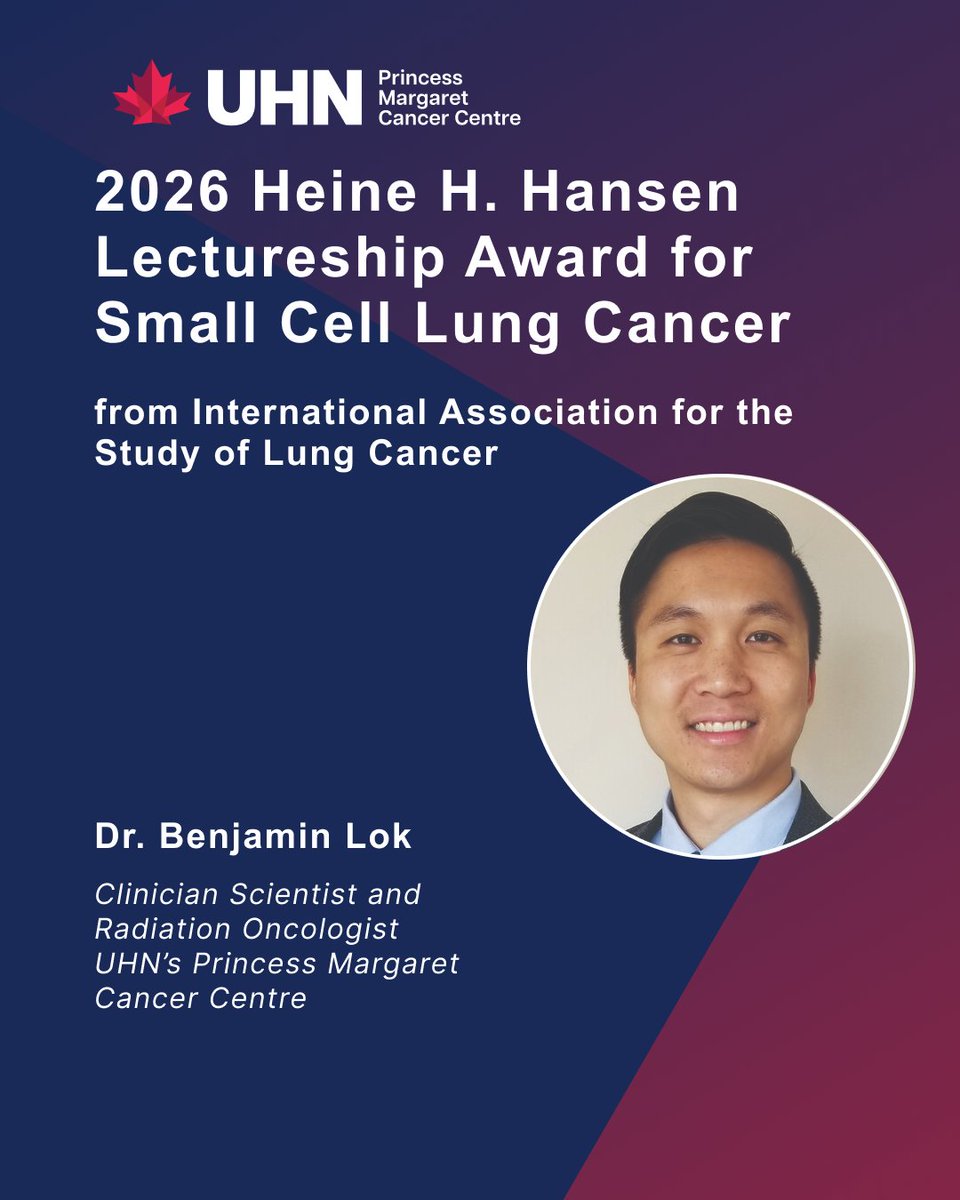
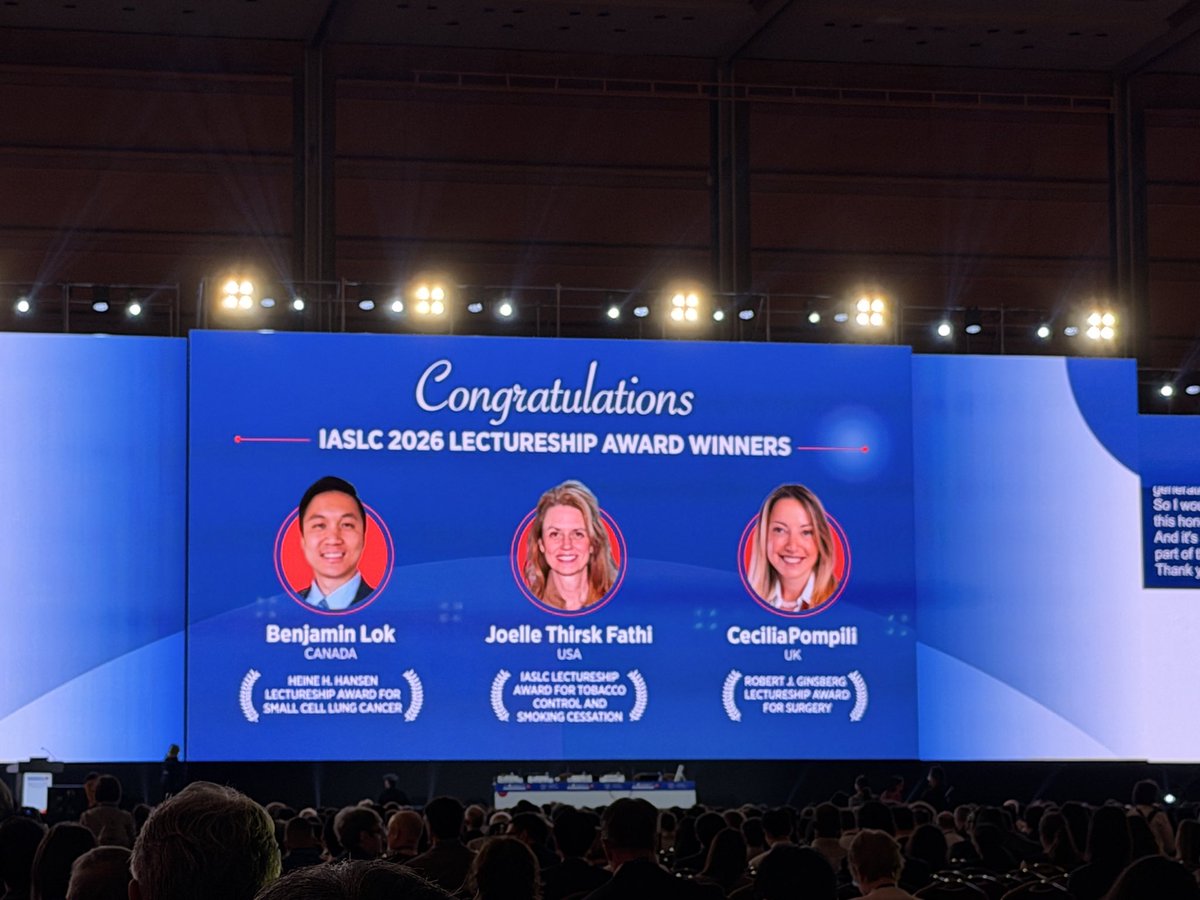
Congratulations to Dr. @BenLok on receiving the Heine H. Hansen Lectureship Award for Small Cell Lung Cancer (SCLC) from @IASLC for his sustained practice-changing contributions in understanding DNA repair mechanisms & improving patient outcomes in SCLC.
https://t.co/MGQWe3AyCl
New research from @PMResearch_UHN shows how chemotherapy can cause long-term damage to bone & and blood-forming cells in the bone marrow by triggering inflammation—offering insight into why many cancer survivors face lasting health challenges.
🔗: https://t.co/E8kcA7XfFe
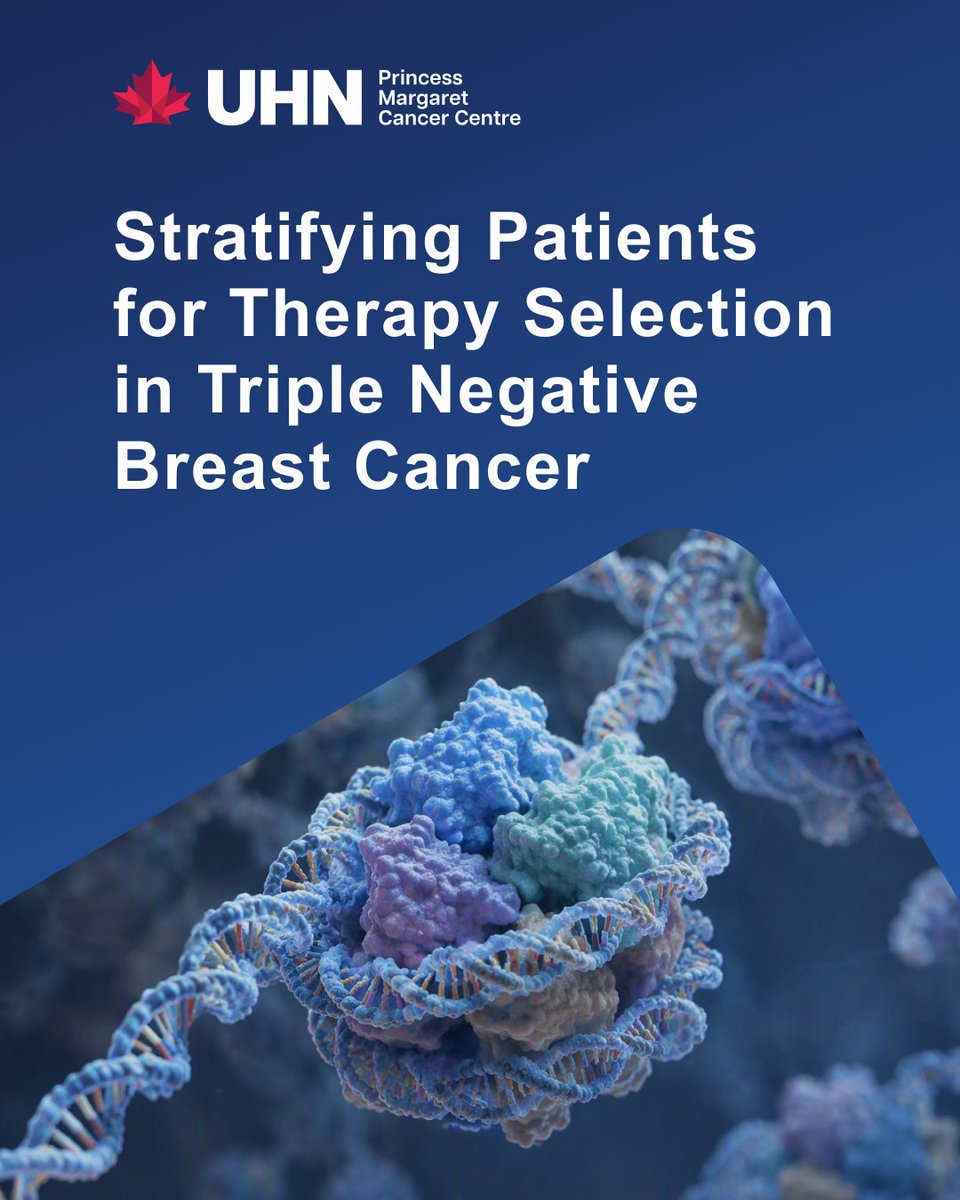
Our study @UHN@pmcancercentre identified a set of 94 regulatory proteins that help predict survival outcomes & treatment response in triple-negative breast cancer, paving the way for more personalized therapy for patients with this aggressive disease.
https://t.co/bZIh9iEqZ6
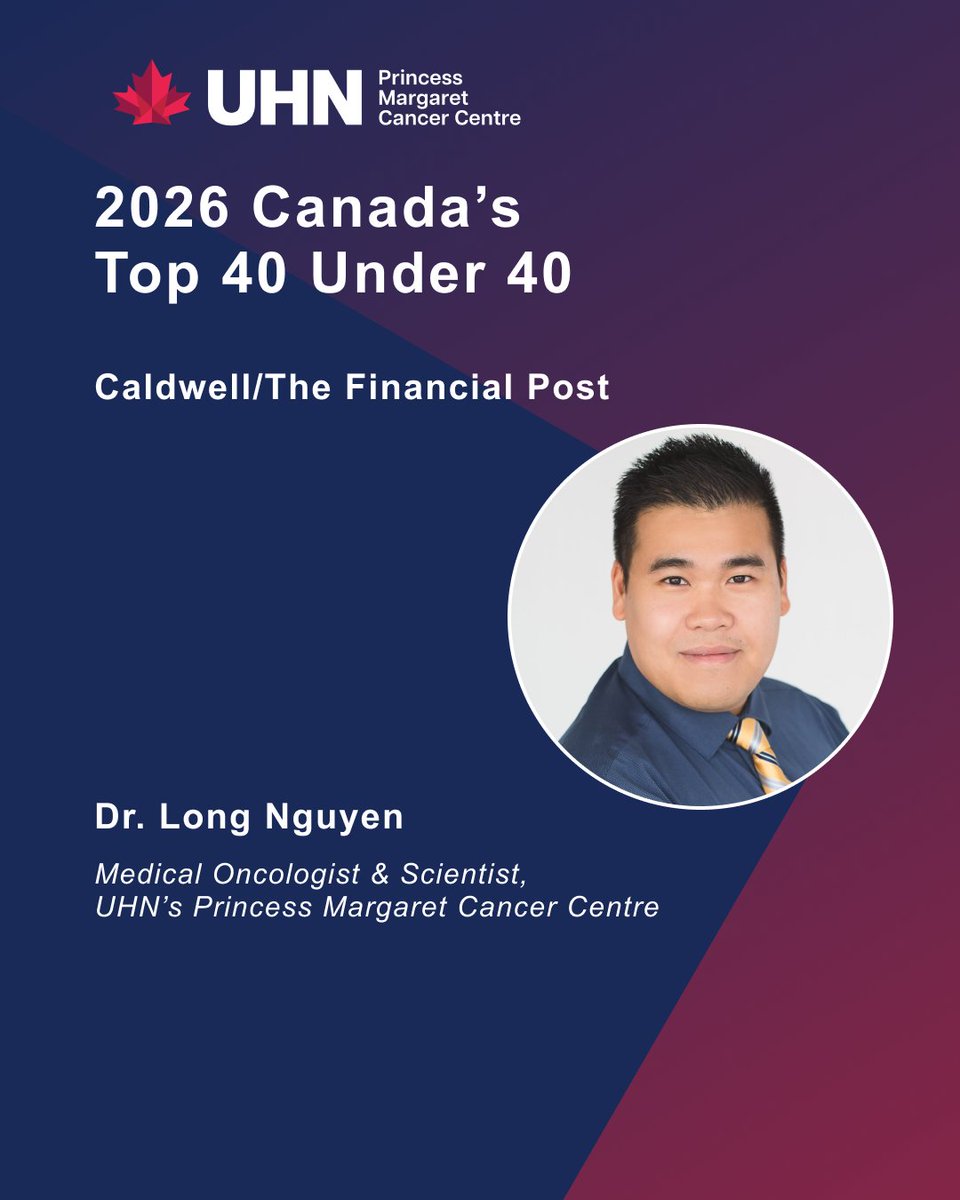
Congratulations to Dr. Long Nguyen @UHN@pmcancercentre on being named Canada's Top 40 Under 40 by @financialpost for leading a research program uncovering how cancer cells evolve, adapt, and develop resistance to treatment, to improve patient outcomes.
https://t.co/am8Q0a7Dgu
Honoured to be named one of Canada’s #Top40Under40! Grateful to my mentors, trainees, collaborators, friends and family for their support. Excited to continue advancing #CancerResearch and patient care @UHN@PMResearch_UHN
Finding immune cells that naturally recognize cancer has been a barrier to developing T cell-based therapies. Our study @UHN@pmcancercentre used AI to decode what makes γδ T cells respond to tumour cells, unlocking new therapeutic potentials.
https://t.co/PDUzAtmcqy
Day 3 of #WCLC26 is underway!
We’re starting the day with Presidential Symposium 2, highlighting leading science and recognizing excellence across the thoracic oncology community. Congrats to the Lectureship Award Winners!