I collaborated with @WardLabs to look at the mineral content of forages submitted. Most pasture and hay samples will not even provide half of the copper and zinc needs of a cow. Corn silage is low in manganese as well as Cu and Zn. https://t.co/FVAUeyHDKD @UNLBeef
@hnw2 “It does take time, but visual inspection can sure be improved by doing the clipping.” This was a rancher quote. Is the learning process associated monitoring the real benefit? Probably a diminishing return on investment at some point.
Been getting questions about nitrate risk of grazing drought stressed annuals. Grazing can be lower risk than feeding high nitrate hays but management is key! check out these tips to reduce risk @UNLBeef
https://t.co/c0Ia0uZdBi
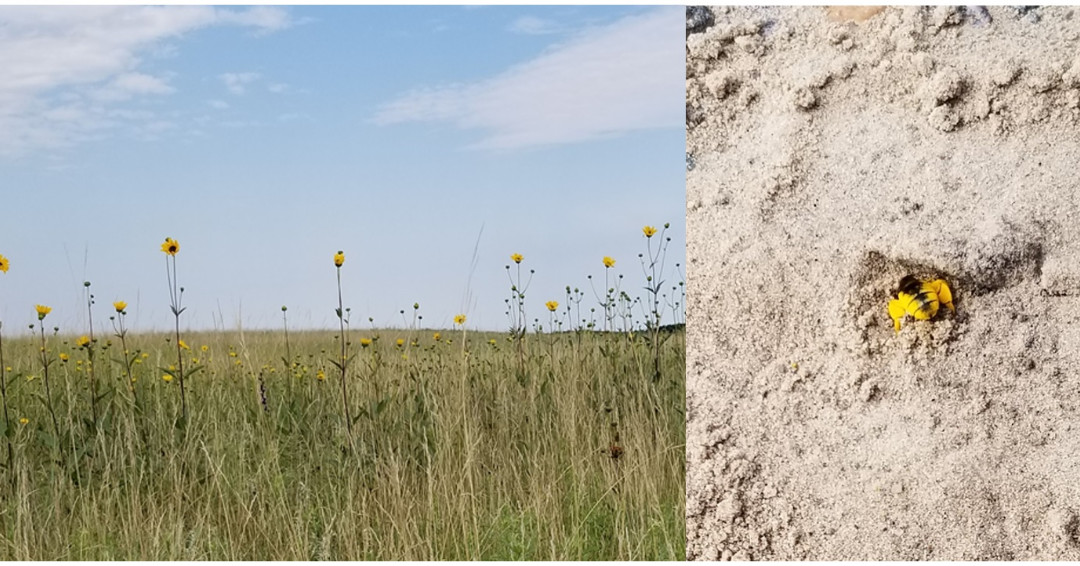
Aaron Berger and Dr. Mitch Stephenson discuss the value of native rangelands in Nebraska (in particular, the Sandhills) in providing plants that support pollinator species in this UNL BeefWatch Podcast (~12min): https://t.co/EZfvb4jKAE
#UNLBeefExt#UNLExtBeef
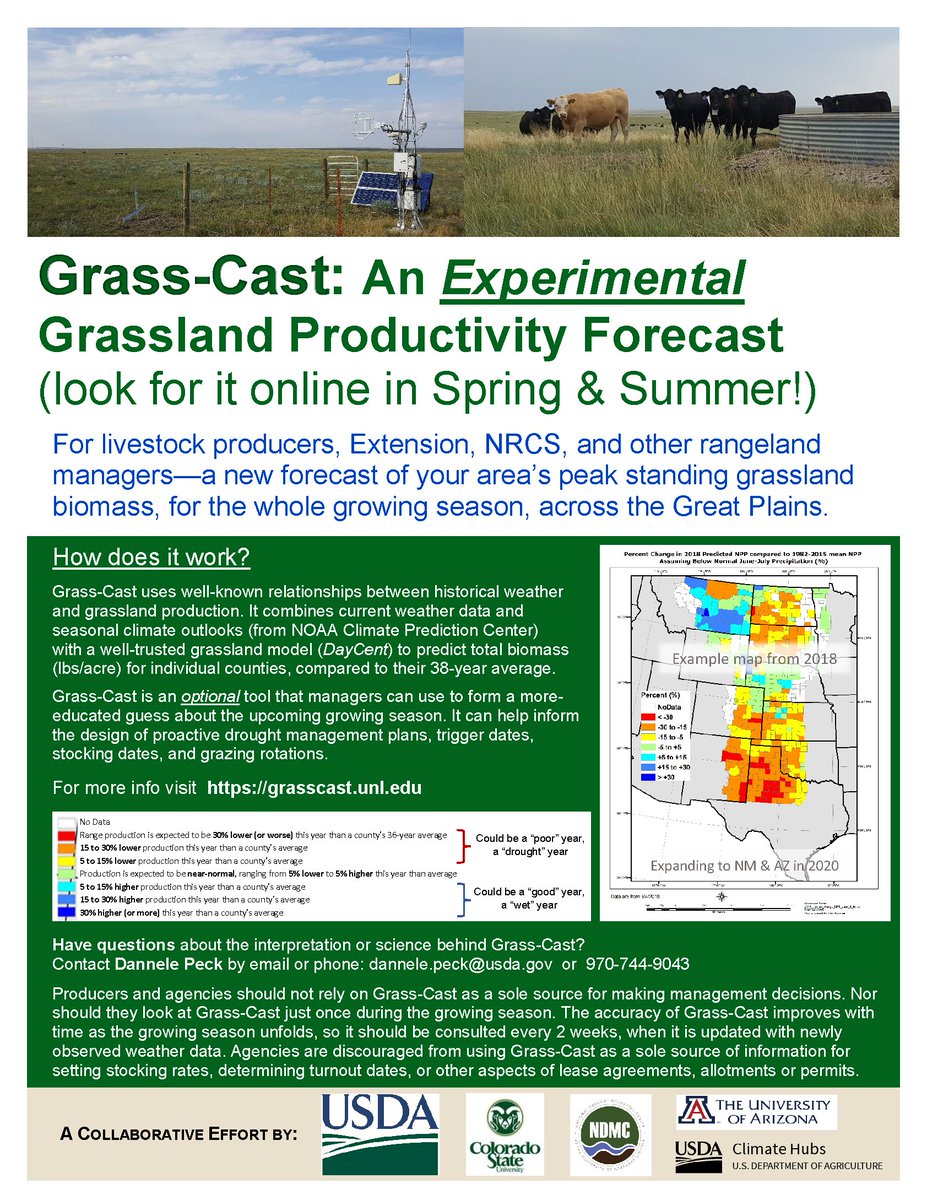
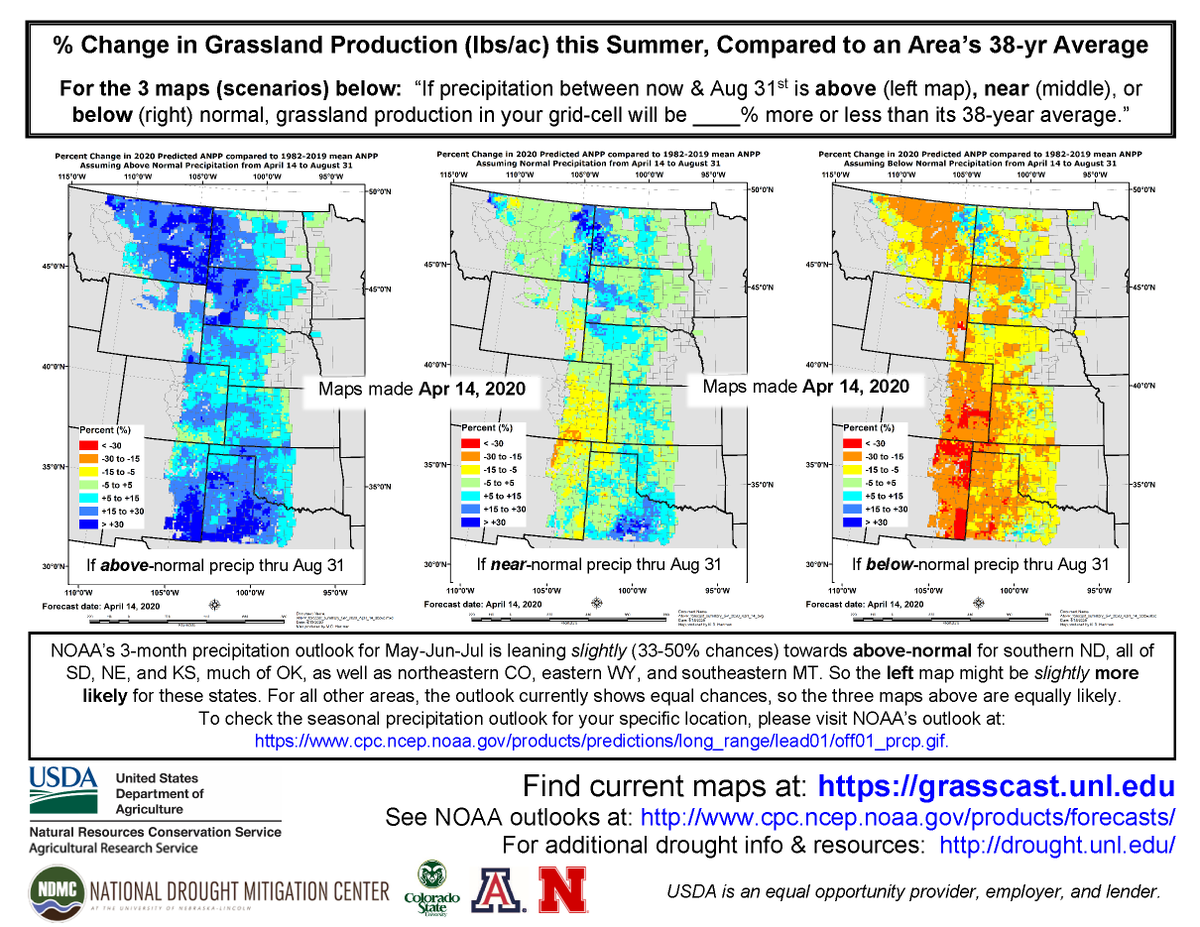
Excited to share the first #GrassCast maps of the 2020 grazing season for the #GreatPlains! How much #range vegetation might grow in YOUR area this summer if rain in May-Aug is above, near, or below normal? Check the maps at https://t.co/KuaWeUyIup @USDAClimateHubs@DroughtCenter
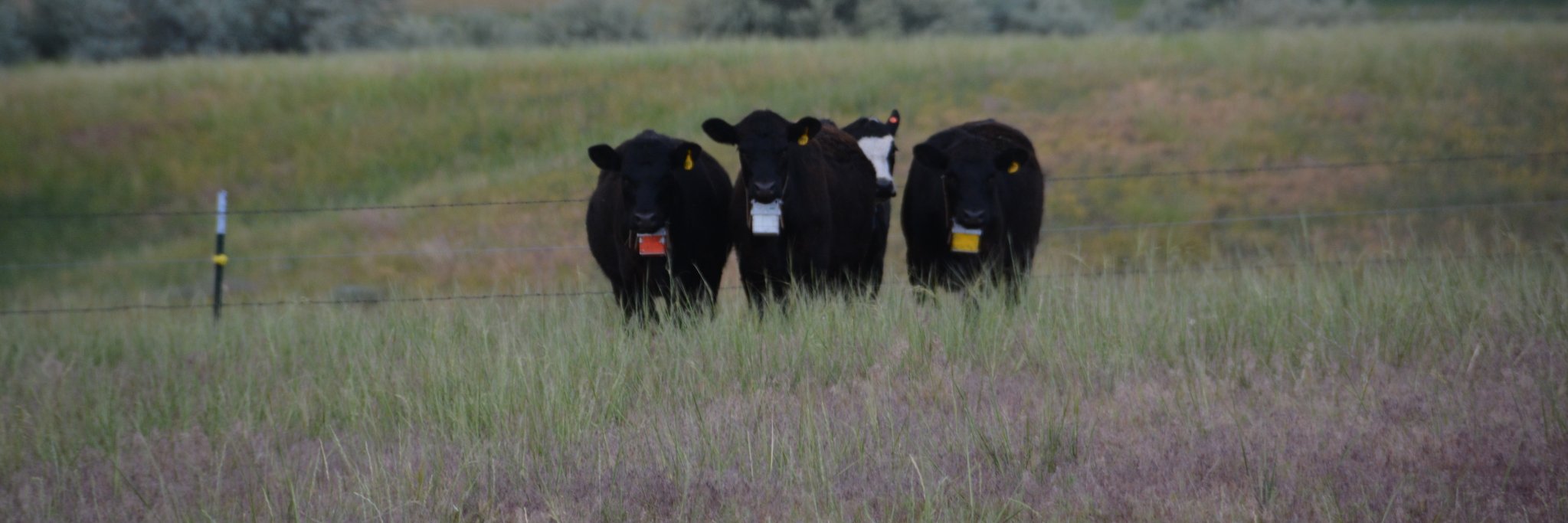
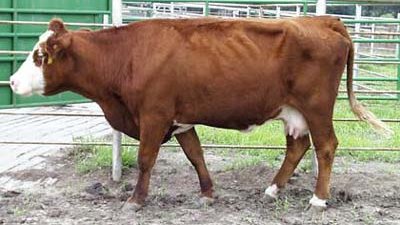
Are your cows ready for calving? If she looks like this (BCS 4) then more energy is in order. Late gestation is the last chance to improve condition before calving and thus increase newborn health and cow breeding success. https://t.co/e1vbI5gJmE @UNLBeef