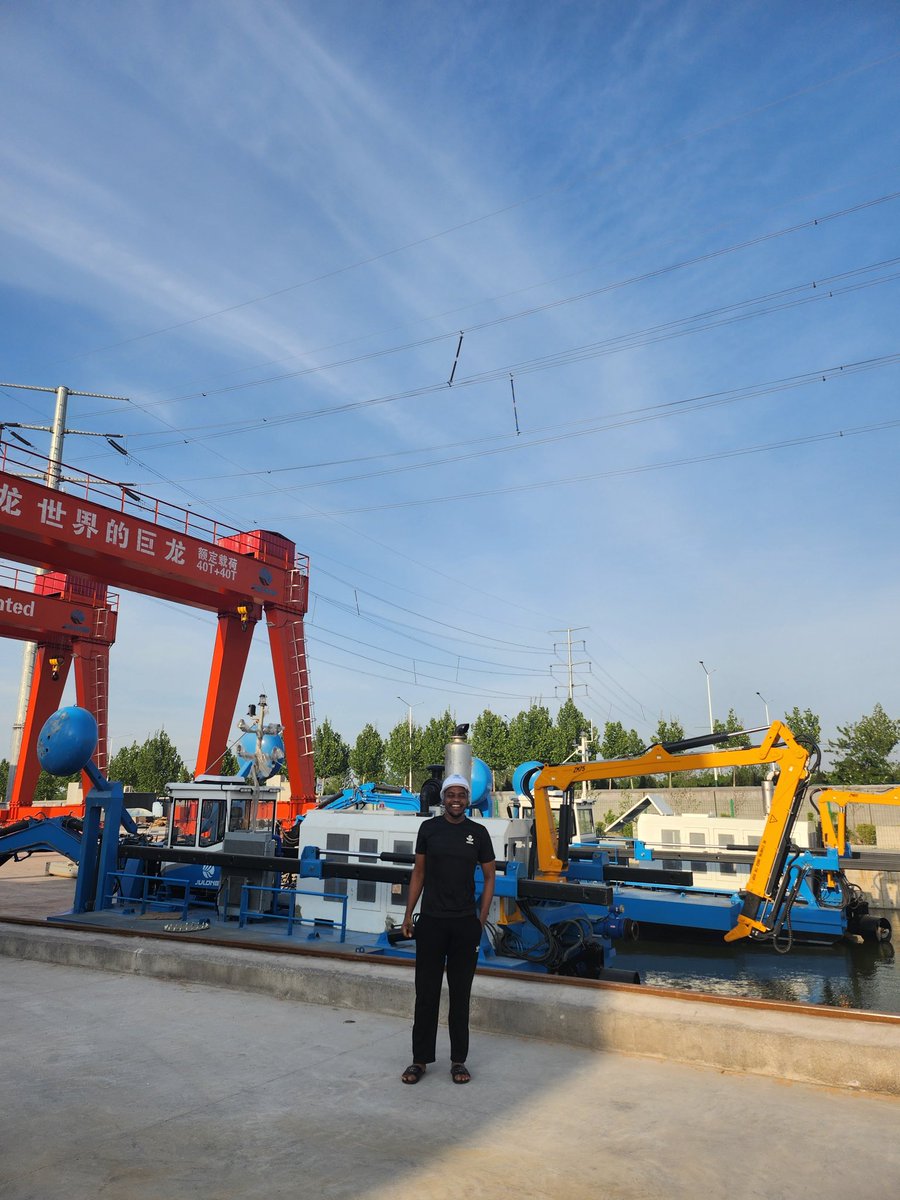
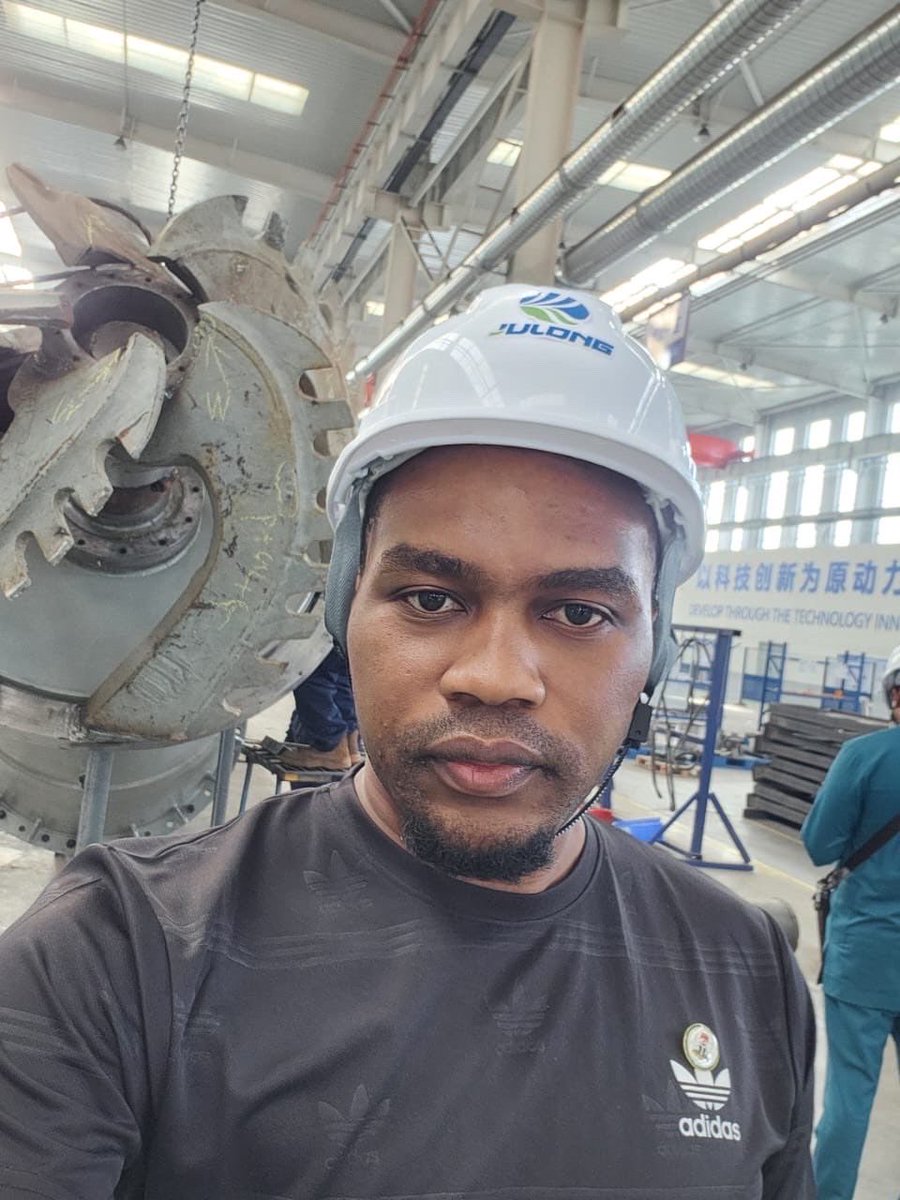
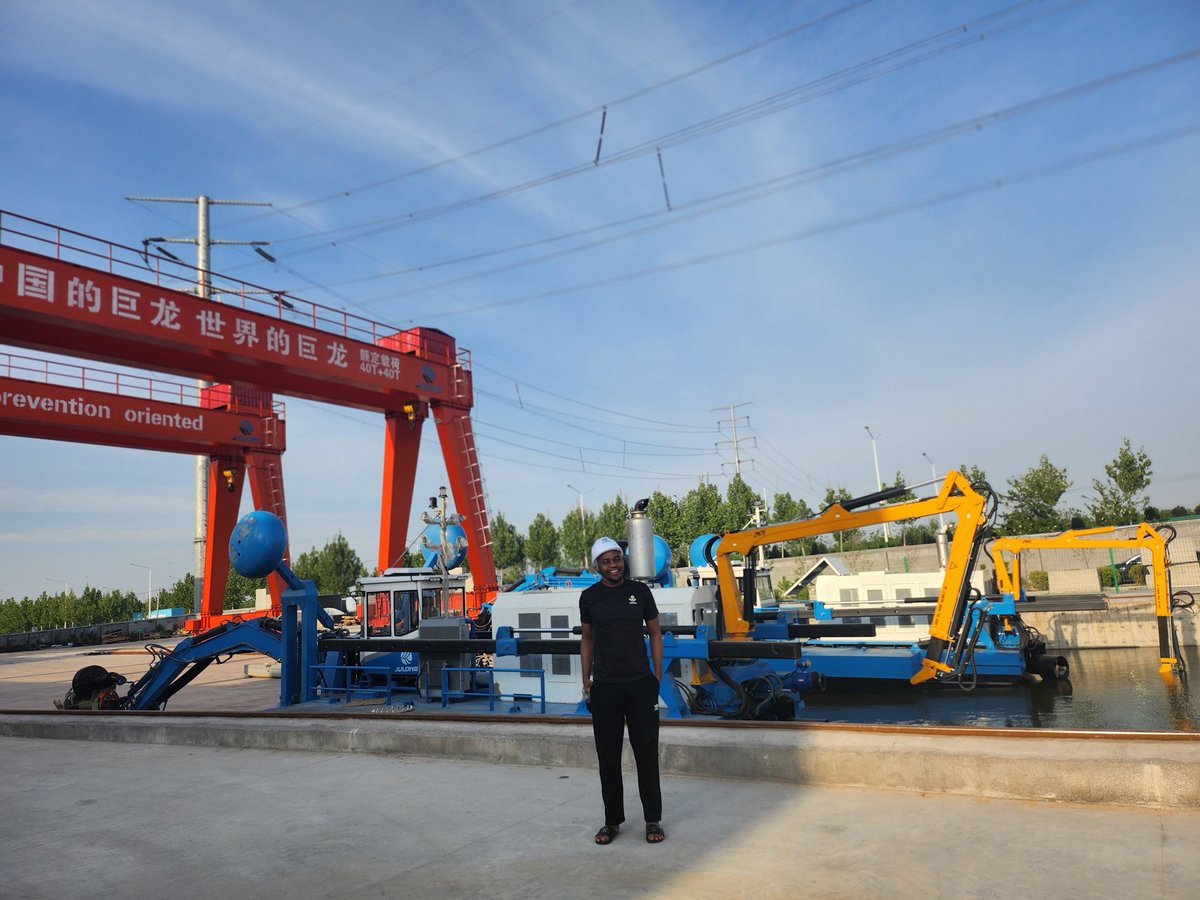
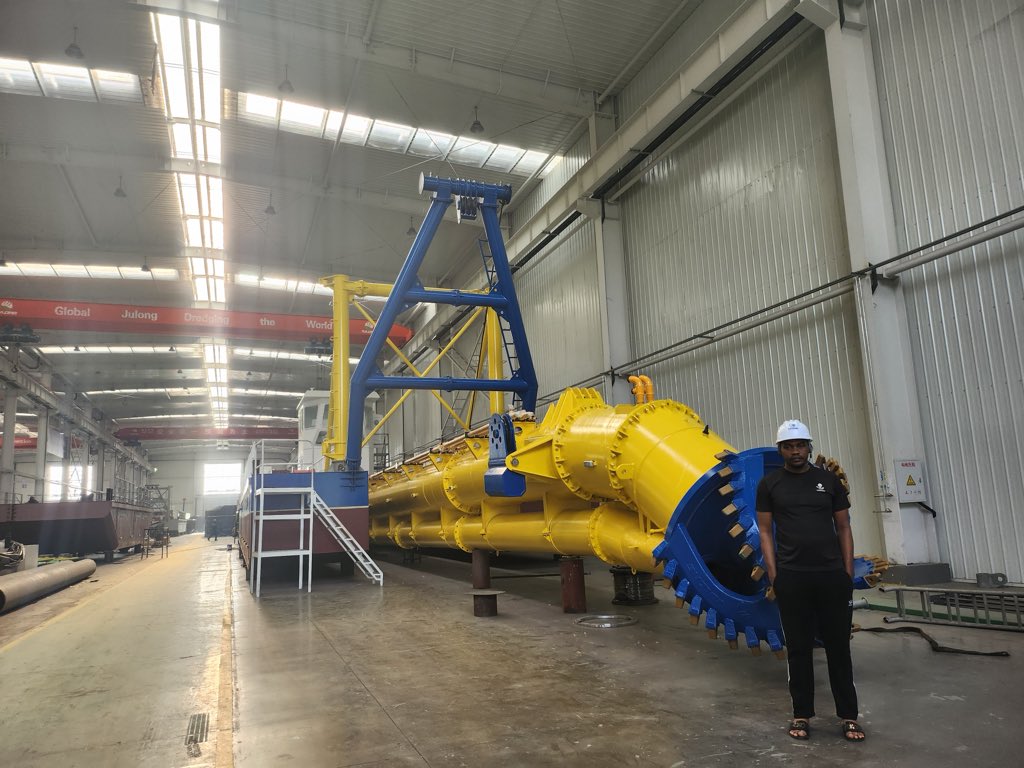
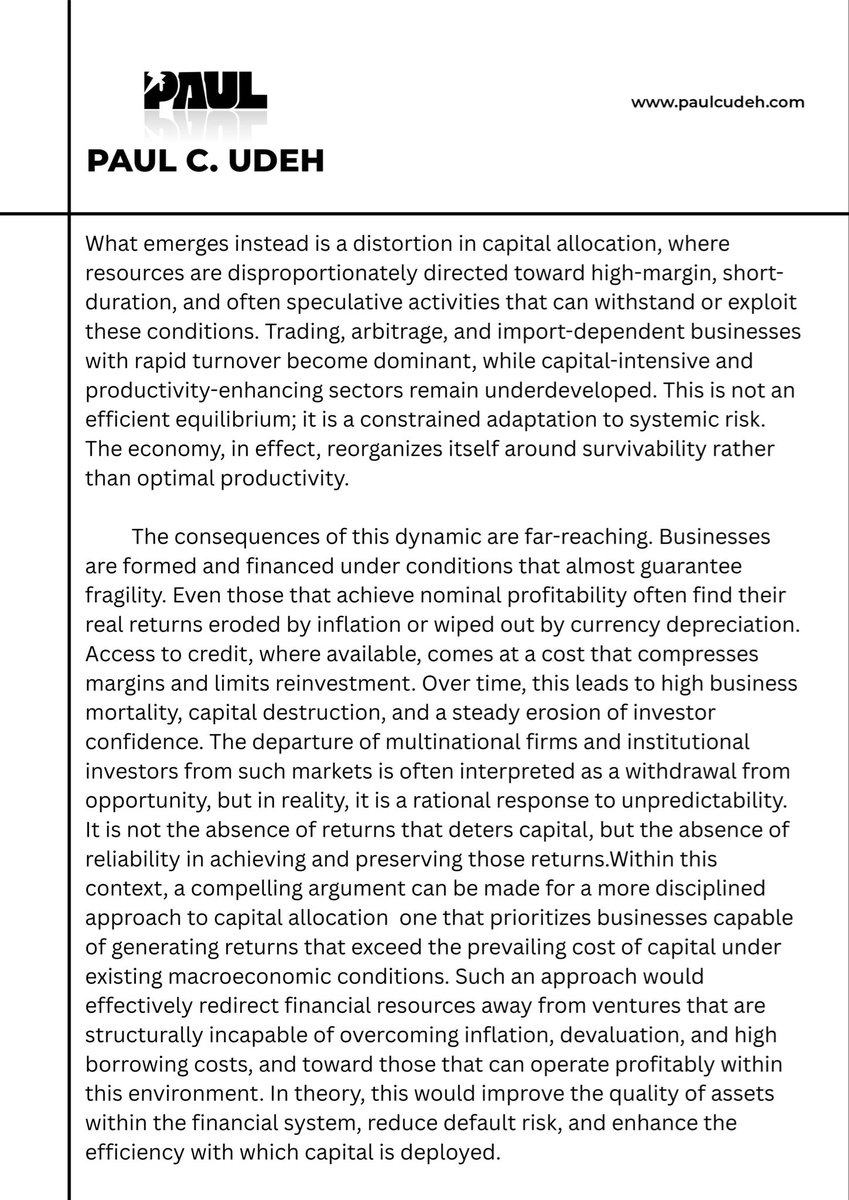
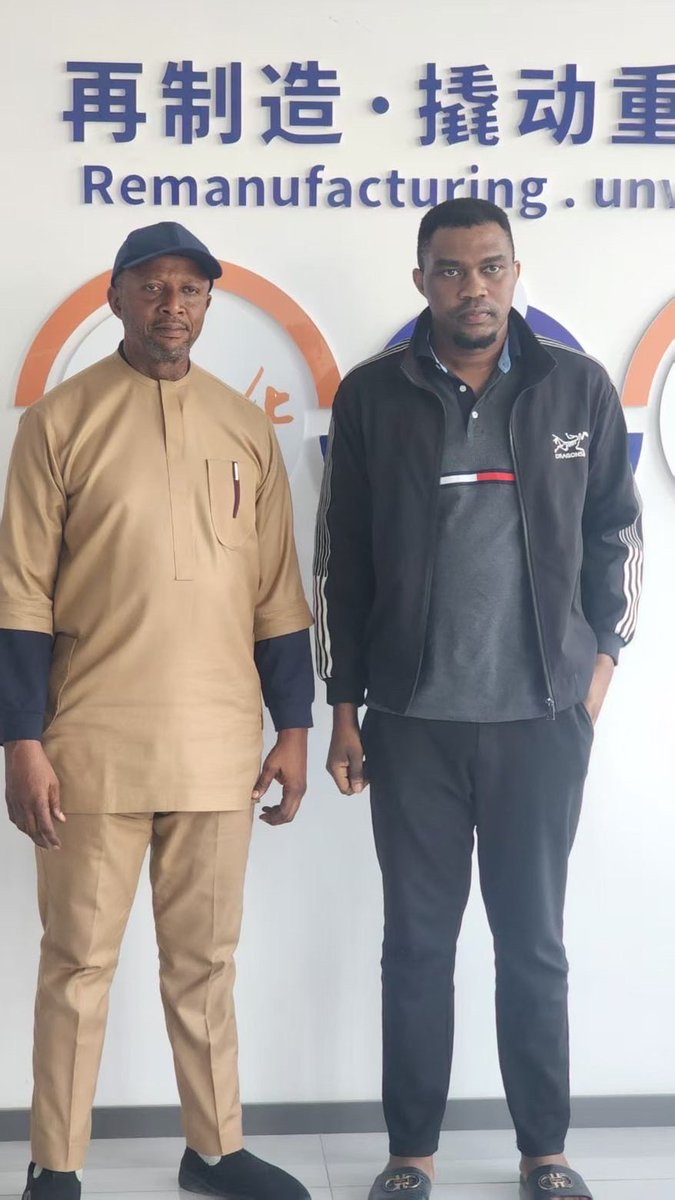
Africa’s long-term position in the global economy will not be determined by population size or raw resource abundance alone, but by its ability to convert those advantages into productive industrial output. Sustainable economic power is built through manufacturing capacity, infrastructure networks, energy reliability, logistics systems, and coordinated industrial development. No major economy became globally influential through consumption alone; they built factories, ports, roads, rail, power systems, and production ecosystems that supported large-scale value creation. For Africa, economic globalization should not mean remaining a supplier of raw materials while importing finished goods. It should mean strengthening domestic production, expanding manufacturing, deepening regional supply chains, and building infrastructure that supports trade, industry, and export competitiveness. Industrialization is not optional, it is the foundation that transforms labor, resources, and capital into lasting national wealth. Without stronger production systems, Africa risks remaining a large market for external industries rather than becoming a competitive center of global manufacturing and trade.
@paulcudeh@afnecon@panuel
#Panuel #PanuelGroup #PaulCUdeh #Afnecon #AfricanEconomicGlobalisation #EconomicNationalism #Industrialization #BlueEconomy #MaritimeEconomy #ShippingLogistics #GlobalTrade #Infrastructure #SupplyChains #IndustrialPolicy
The modern global economy is often presented as a neutral arena governed by competition, efficiency, and comparative advantage. In practice, the field is rarely equal. Capital structure, state coordination, and strategic financing shape outcomes as much as productivity itself. An industrial firm in a high-interest economy can enter the same global market as one in a subsidized low-cost system, yet they are not competing under the same financial architecture.
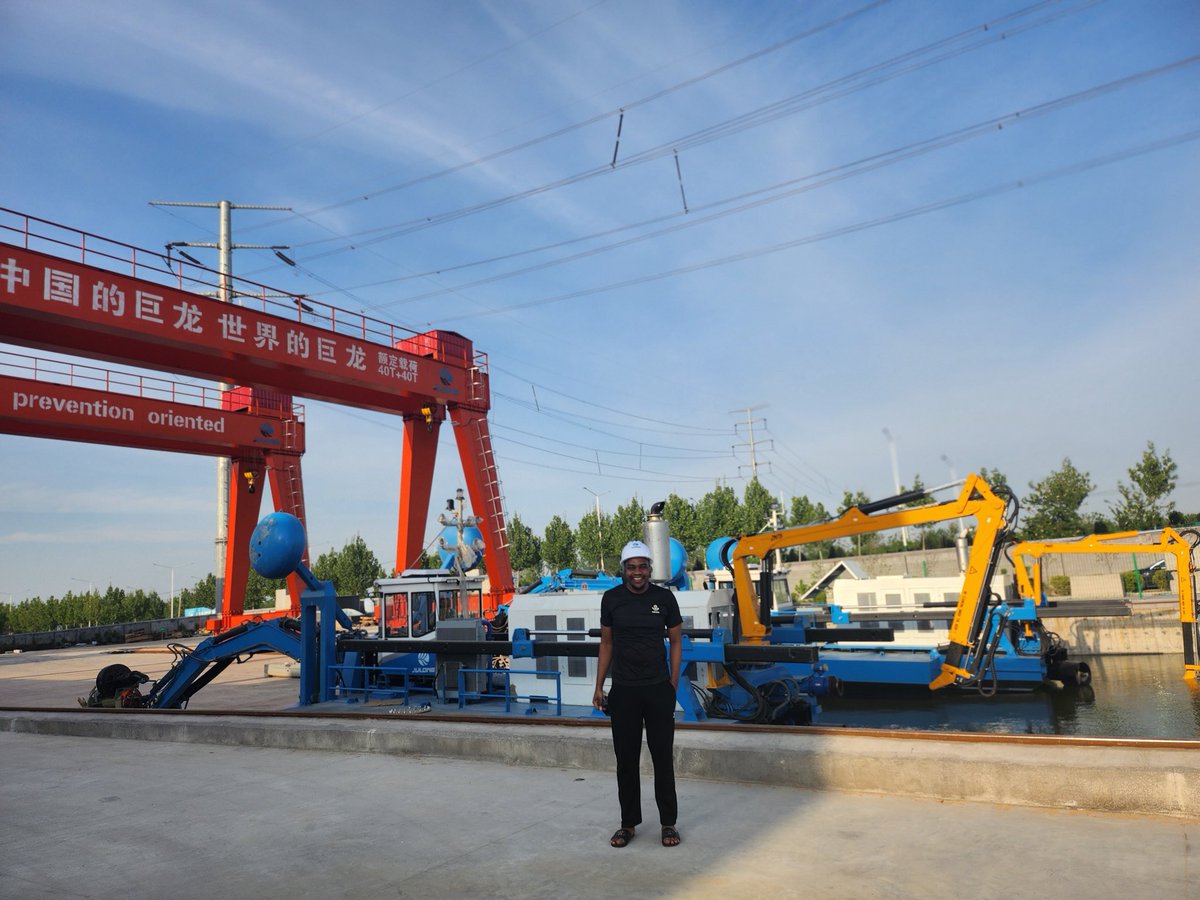
This distinction matters profoundly for sectors such as maritime infrastructure, dredging, shipbuilding, logistics, and heavy industry, where scale depends on long-term capital and infrastructure support. Ports, shipping lanes, industrial corridors, and freight systems are not built by market narratives alone; they are built by coordinated finance, industrial planning, and strategic patience. The cost of capital often determines whether a nation participates in global trade as a producer or remains a downstream consumer.
The future of economic sovereignty will depend less on slogans about open markets and more on whether nations can build domestic systems capable of financing industry, protecting strategic sectors, and controlling trade infrastructure. Globalization rewards efficiency, but structural power determines who captures lasting value.
@paulcudeh@afnecon@panuel
#Panuel #PanuelGroup #PaulCUdeh #Afnecon #AfricanEconomicGlobalisation #EconomicNationalism #Industrialization #BlueEconomy #MaritimeEconomy #ShippingLogistics #GlobalTrade #Infrastructure #SupplyChains #IndustrialPolicy
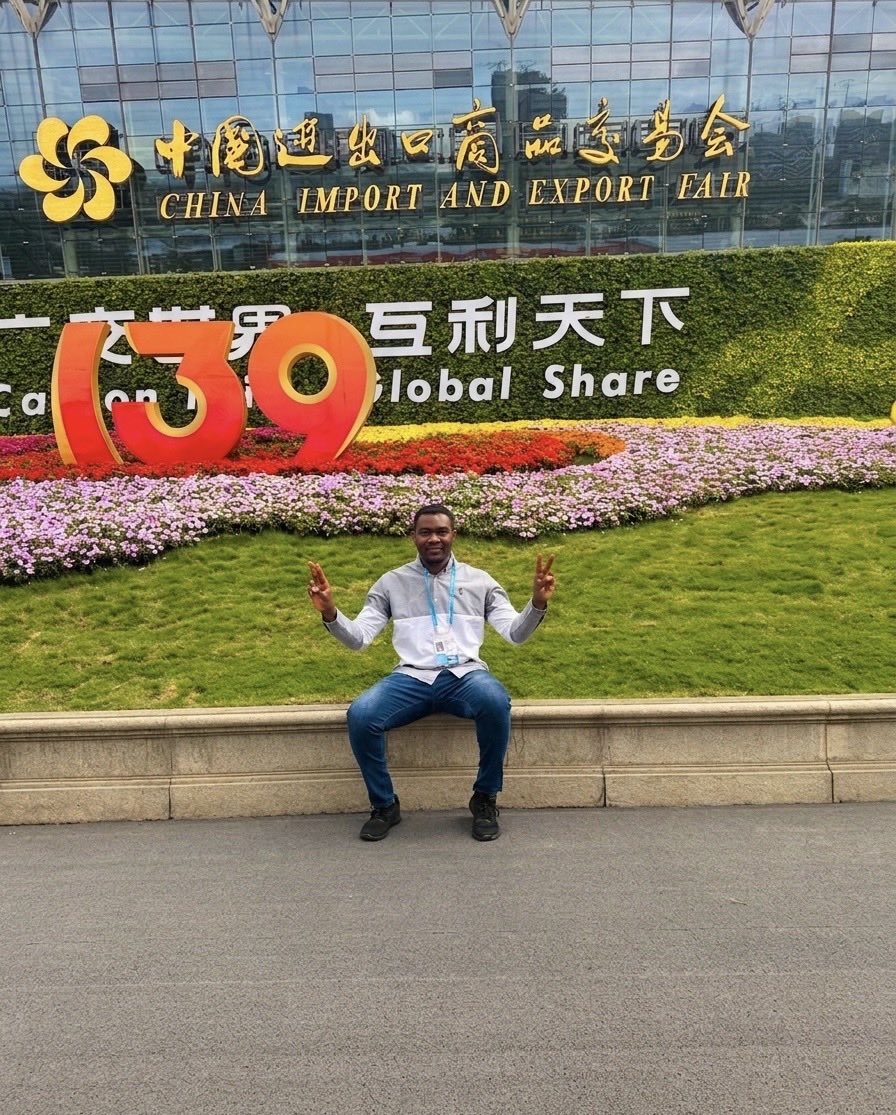
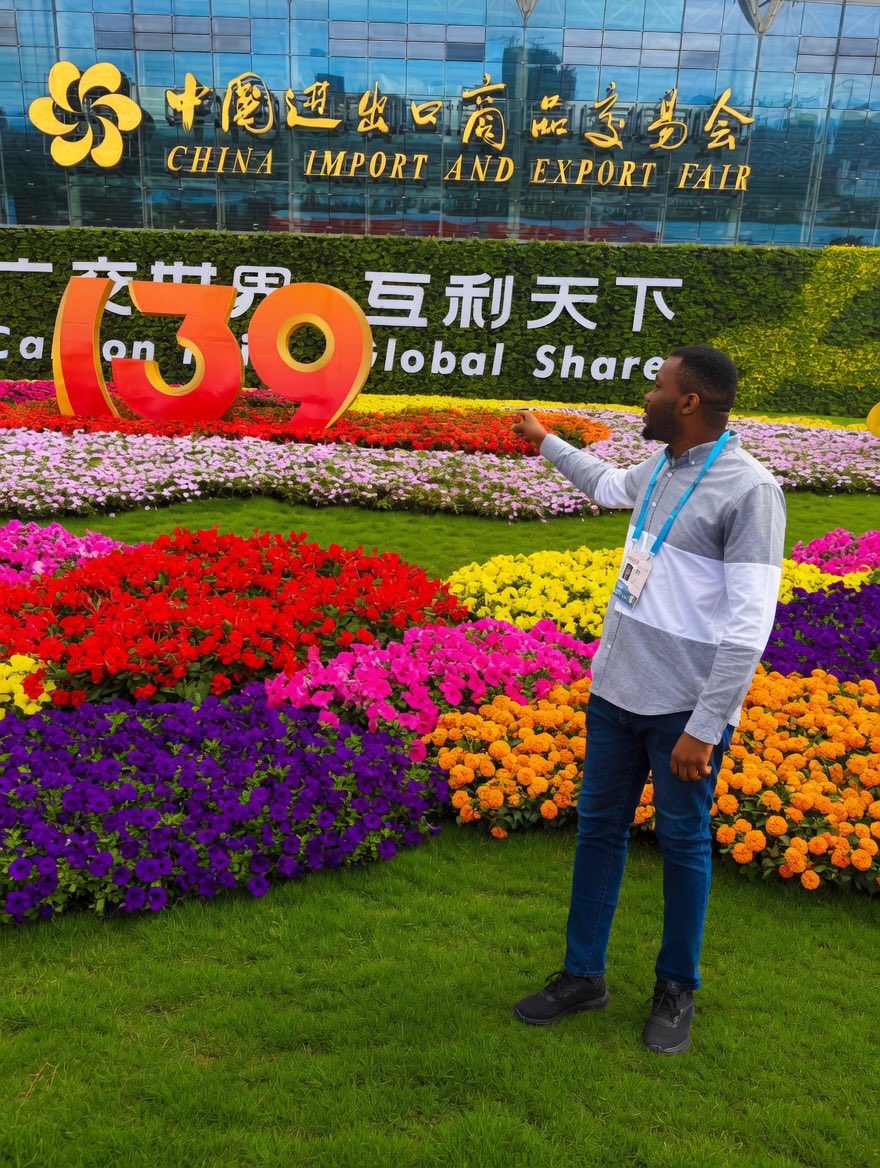
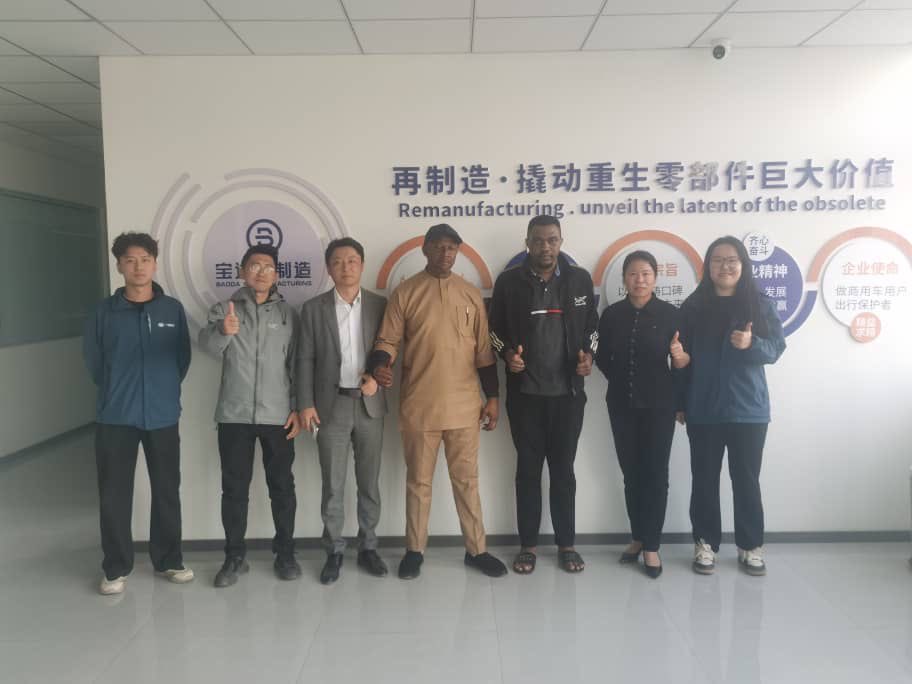
Attending the Canton Fair in Guangzhou is more than visiting an exhibition; it is observing how global economic power is organized in practice. The world economy is not abstract. It moves through factories, ports, logistics corridors, financial systems, and supply chains that connect production to global markets. Over 32,000 enterprises gather here because nations that control manufacturing and trade infrastructure shape the global flow of value. Economic power belongs to countries that do not merely consume goods but produce, finance, move, and distribute them at scale. Production creates value, but supply chains determine reach, and finance determines who ultimately captures that value. For Africa, this is a strategic lesson. A continent with vast resources, labor, and market potential must move beyond import dependence toward productive integration within global value chains. The future belongs to economies that manufacture, coordinate logistics, strengthen maritime access, and build financial systems that retain value internally. Global trade is not simply exchange; it is positioning. Nations that understand supply chains influence markets. Nations that neglect them remain dependent on those who control movement. This is part of the long-term vision of Panuel and Afnecon: positioning Africa not only as a market, but as a coordinated production and trade power within the global economy. @paulcudeh@afnecon@panuel #Panuel #Afnecon #Paulcudeh #PanuelGroup #139cantonfair #EconomicNationalism #GlobalTrade #SupplyChains #Manufacturing #Industrialization #TradeStrategy #BlueEconomy #ShippingLogistics #AfricaRising #ValueCreation
One of the least understood realities of global economics is that production alone does not determine wealth; financial architecture often determines who captures and retains that wealth. Nations may mine resources, manufacture goods, or supply labor, yet the largest share of value frequently settles where capital systems, reserve currencies, banking networks, and settlement infrastructure are controlled.
This is why Africa’s development challenge extends beyond industrialization. Production is essential, but without strong financial systems, a nation can produce extensively and still remain structurally dependent. Raw materials may leave African ports, factories may produce goods, and labor may create output, but profits can still be absorbed elsewhere through currency systems, global financing, insurance, trade settlement, and ownership of intellectual property.
This creates a productivity trap. Economies work, export, and consume, yet fail to capture the full strategic value of what they produce. Financial architecture acts as invisible leverage, directing where wealth ultimately concentrates.
For Africa, economic globalization must mean more than participation in trade. It requires building industrial strength alongside stronger financial sovereignty payment systems, capital markets, trade finance, and regional settlement mechanisms. Production without financial control leaves nations productive but dependent.
The future belongs to economies that control both value creation and value capture.
@paulcudeh@afnecon@panuel
#AfricaEconomicGlobalization #EconomicNationalism #FinancialArchitecture #GlobalTrade #Industrialization #MonetaryPolicy #TradeFinance #ValueCapture #SupplyChains #ProductionEconomy #AfricaRising #Panuel #Afnecon #Paulcudeh #PanuelGroup
A key point often overlooked in development discussions is that digital growth does not replace the physical systems that sustain real economies. The global economy still moves fundamentally through the blue economy, maritime transport, ports, shipping logistics, and marine infrastructure.
Heavy industry cannot scale without movement. Manufactured goods, machinery, energy products, industrial inputs, agricultural commodities, and construction materials all depend on maritime systems to reach global markets. Without ports, dredged waterways, shipping corridors, and logistics infrastructure, industrial output remains geographically trapped and economically limited.
This is why the strongest economies invested first in productive systems and trade connectivity. Maritime infrastructure links production to global demand. It is not simply transport; it is the backbone of international commerce and industrial competitiveness.
For Africa, the challenge is strategic. A continent with vast coastlines, trade routes, and natural resources should be leading in maritime logistics, ship support services, and regional trade integration. Yet weak port systems and external dependence continue to constrain scale.
Economic power belongs to nations that control production and movement. Without shipping strength, industrial strength cannot fully mature.
@paulcudeh@afnecon@panuel
#BlueEconomy #ShippingLogistics #MaritimeEconomy #EconomicNationalism #Industrialization #GlobalTrade #SupplyChains #PortInfrastructure #AfricaRising #Manufacturing #TradeConnectivity #Infrastructure #Panuel #Afnecon #Paulcudeh #PanuelGroup
A critical point often ignored: digital activity is not the same as economic strength. The strongest economies built industrial capacity first, then scaled digital systems on top of it. Africa risks celebrating online participation while underinvesting in energy, manufacturing, logistics, and infrastructure ,the sectors that create real national power. Technology is an amplifier, not a substitute for production. Sustainable prosperity begins when productive systems expand faster than digital consumption. @paulcudeh@afnecon@panuel #DigitalEconomy #RealEconomy #EconomicNationalism #Industrialization #AfricaRising #Manufacturing #Infrastructure #GlobalTrade #SupplyChains #EnergySecurity #ProductionEconomy #EconomicTransformation #DevelopmentStrategy #Panuel #Afnecon #Paulcudeh #PanuelGroup
One of the most underestimated truths in global economics is that maritime power quietly shapes economic power. Nations do not dominate global trade because of population size alone. They dominate because they control the movement of goods, energy, industrial inputs, and strategic supply chains across oceans.
Over 80% of global trade moves through maritime transport, yet many developing economies still treat shipping, dredging, ports, and logistics as secondary sectors instead of strategic national assets.
China expanded through export logistics, shipbuilding, and integrated port systems. Singapore transformed itself into a global trade hub through maritime efficiency and connectivity. Maritime infrastructure is not simply transportation, it is the circulatory system of industrial economies. Ports connect production to markets. Dredging sustains trade access. Logistics determines competitiveness.
Africa possesses strategic coastlines, trade routes, natural resources, and a massive consumer market, yet much of the continent still depends heavily on external shipping systems and weak logistics infrastructure. This creates structural dependency where value extraction benefits foreign economies more than local industrial growth.
No nation becomes globally competitive while remaining logistically weak. Industrialization without maritime strength becomes constrained, and trade without infrastructure becomes inefficient.
The future of African economic transformation will depend on building stronger ports, modernizing dredging operations, improving logistics systems, and integrating maritime infrastructure into a larger industrial strategy.
Because in the global economy, whoever controls movement increasingly controls value.
@paulcudeh@afnecon@panuel
#MaritimeEconomy #ShippingLogistics #GlobalTrade #PortInfrastructure #Industrialization #SupplyChains #EconomicNationalism #AfricaRising #MaritimePower #Dredging #Logistics #InfrastructureDevelopment #Manufacturing #ExportEconomy #EconomicTransformation #Panuel #Afnecon #Paulcudeh #PanuelGroup
This is a strong and intellectually disciplined argument because it separates productive power from surface-level visibility. One of the biggest economic misunderstandings in many developing economies is assuming that digital activity alone can substitute for industrial capacity. History shows otherwise.
The United States and China did not become global powers because of the internet. They became powerful through manufacturing, infrastructure, logistics, energy systems, industrial production, and coordinated economic expansion long before their digital giants emerged. The internet later became an amplifier of already-established productive systems.
That is why companies like Amazon, Alibaba, Google, and Microsoft depend heavily on physical economies beneath them ports, electricity, transport systems, semiconductor industries, industrial supply chains, warehousing, and high-productivity consumer markets. Digital economies do not operate independently. They scale on top of productive economies already built underneath them.
This is where Africa’s structural challenge becomes visible. A continent cannot sustainably build digital dominance while remaining heavily import-dependent, industrially weak, and infrastructure-constrained. Digital participation without corresponding production capacity risks creating consumption-driven growth rather than lasting economic power.
The strongest economies build the real sector first, then scale the digital layer on top of it. Productive systems create sustainable digital strength not the other way around.
@paulcudeh@afnecon@panuel
#EconomicNationalism #Industrialization #DigitalEconomy #Manufacturing #Infrastructure #GlobalTrade #ProductionEconomy #SupplyChains #AfricaRising #EconomicTransformation #EnergySecurity #IndustrialPower #EconomicStrategy #ValueCreation #Logistics #Geopolitics #DevelopmentEconomics #FutureOfAfrica #Panuel #Afnecon #Paulcudeh #PanuelGroup
You can never fully solve a problem without first identifying the complete structure of the problem itself. One of the greatest misconceptions in modern economics is the belief that global economic power is primarily driven by finance, internet visibility, digital platforms, or political narratives alone, while underestimating the foundational systems that physically sustain civilization, especially energy.
Remove oil from the global economy today and the operational limits of modern civilization become visible almost immediately. Transportation weakens. Manufacturing slows. Logistics fracture. Agriculture becomes unstable. Supply chains collapse under pressure. From aviation to shipping, mining to construction, petrochemicals to pharmaceuticals, oil remains deeply embedded in the productive backbone of the world economy.
This does not suggest that the future belongs permanently to oil alone. It means that despite advances in artificial intelligence, digital finance, automation, and renewable energy, the current global system still operates heavily on fossil fuel infrastructure beneath it. Many nations speak about digital transformation, yet the industrial systems supporting these ambitions still depend on energy-intensive production and logistics networks.
The deeper lesson is about systems. Real economic power belongs to nations capable of building and controlling the structures that sustain production, movement, industrial continuity, and strategic independence at scale. Nations that misunderstand this often confuse visibility with structural strength, consumption with productivity, and digital participation with economic power.
Before solving any economic problem, nations must first understand what the system itself is truly standing on. Economies are not sustained by narratives alone,they are sustained by energy, infrastructure, production systems, logistics, industrial capacity, and disciplined execution beneath them.
@paulcudeh@afnecon@panuel
#EconomicNationalism #GlobalTrade #SupplyChains #EconomicStrategy #Panuel #Afnecon #Paulcudeh #PanuelGroup
Africa must be careful not to confuse digital activity with economic transformation.
A nation does not become economically powerful because its population is highly visible online. Sustainable national power is still built on production systems, manufacturing, logistics, infrastructure, energy, industrial capacity, and supply chain control.
The world’s strongest digital economies were first strong industrial economies. Silicon Valley rose on top of America’s industrial, energy, logistics, and financial systems. China’s digital dominance expanded alongside manufacturing expansion, export growth, infrastructure development, and industrial discipline.
Digital economies do not operate independently. They grow on top of productive foundations already built beneath them.
This is where Africa faces a strategic challenge. The continent’s digital participation is expanding rapidly, but productive capacity is not expanding at the same speed. If consumption grows faster than industrial capability, Africa risks becoming one of the world’s largest digital consumer markets while remaining structurally dependent on external production systems.
Economic relevance is not built by visibility alone. It is built by the ability to produce, refine, transport, innovate, and scale value consistently.
Industrial strength creates sustainable digital strength ,not the other way around.
@paulcudeh@afnecon@panuel
#Panuel #Afnecon #Paulcudeh #PanuelGroup #EconomicNationalism #Industrialization #DigitalEconomy #Manufacturing #GlobalTrade #SupplyChains #Infrastructure #ProductionEconomy #AfricaRising #EconomicTransformation #TradeStrategy #IndustrialPolicy #AfricanDevelopment #ValueCreation #FutureOfAfrica #EconomicPower
Infrastructure is not decoration for an economy. It is the operating system of economic power.
Every major industrial nation understood this early. The Asian Tigers did not rise because they had more resources. They rose because they built systems that allowed production, logistics, manufacturing, and trade to move with precision, speed, and scale.
Ports. Energy. Transport corridors. Industrial zones. Supply chain integration.
That is how nations convert potential into power.
Africa’s challenge has never been the absence of resources. The challenge has been the absence of integrated systems capable of transforming those resources into sustained industrial output.
Without infrastructure, productivity slows.
Without logistics, trade weakens.
Without connectivity, scale becomes isolated instead of integrated.
This is why strategic industrial infrastructure matters. Not for appearance, but for economic control, production capacity, and long-term competitiveness.
At Panuel, we understand that dredging, maritime infrastructure, and logistics are not side industries — they are foundational pillars of economic expansion and continental trade integration.
The future of Africa will not be built on consumption. It will be built on industrial capacity, infrastructure systems, and supply chain dominance.
#Panuel #Afnecon #Paulcudeh #PanuelGroup #AfricanEconomicGlobalisation #EconomicNationalism #Industrialization #GlobalTrade #SupplyChains #Manufacturing #AfricaRising
Economic activity across much of Sub-Saharan Africa, especially in Nigeria, is often marked by an endless cycle of effort, capital deployment, and entrepreneurial energy that doesn’t produce lasting growth. The issue lies in the structural misalignment of capital costs and macroeconomic conditions, particularly the high interest rates and inflation that hinder real economic progress. Capital, the lifeblood of business, becomes a barrier, rather than a driver of growth.
This article dives deep into how Nigeria’s economic environment distorts capital allocation, preventing sectors like manufacturing, infrastructure, and agriculture from thriving. By focusing on short-term gains, businesses that could build long-term value remain underfunded. Achieving sustainable growth requires a framework that restores investor confidence, encourages long-term capital deployment, and addresses inflation and currency instability.
Read the full article on how Africa’s economies can break out of this cycle of stagnation, and what steps must be taken for lasting economic transformation.
#AfricanEconomy #EconomicGrowth #SustainableDevelopment #CapitalMisallocation #NigeriaEconomy #Finance #Macroeconomics #BusinessGrowth #Inflation #FinancialStability #EconomicReform #AfricaRising #Entrepreneurship #InvestInAfrica
China’s strategic focus isn’t on building its own multinational brands, but on fostering immense industrial capacity. This creates a foundation that supports and amplifies global brands, allowing them to scale and succeed through efficient production. China’s vast manufacturing ecosystem provides businesses worldwide with the resources needed to innovate and grow, without the burden of investing in their own production infrastructure.
At the Canton Fair in Guangzhou, I experienced this firsthand. It’s one of the world’s largest trade exhibitions, where manufacturers and entrepreneurs from all corners of the globe come together to build partnerships and explore opportunities. The fair isn’t just a platform for showcasing products; it’s a space for fostering relationships that drive global business forward.
China’s role as a manufacturing powerhouse is crucial for global business expansion. By leveraging its industrial might, businesses can scale globally, unlock new markets, and create valuable partnerships. This collaboration enables entrepreneurs to thrive in a fast-paced, interconnected world, proving that the global hustle knows no borders.
#CantonFair #China #GlobalBusiness #ManufacturingPower #BusinessExpansion @trade@AfricaBusiness
In a world that often prioritizes external success, it’s crucial to pause and reflect on the true purpose of our lives. The constant hustle for more, whether it’s wealth, recognition, or achievements, tends to leave us feeling more restless rather than fulfilled. What if the way to true peace and purpose doesn’t lie in fighting every battle or winning every challenge, but in learning when to surrender and when to align with a deeper truth?
The wisdom shared here encourages us to stop and consider that sometimes, less is more. Instead of stretching ourselves further and further in pursuit of something we think will bring us peace, it might be time to look inward and re-align ourselves with the principles that bring true fulfillment: humility, purpose, and peace. This is not an easy path, as it challenges everything we’ve been conditioned to believe about success. But by understanding that not every battle must be fought and that peace is not something we chase, but something we align with, we can move toward a life with less struggle and more peace.
The real power lies in knowing when to stop, when to let go, and when to be still. This doesn’t mean we stop being active or working towards our goals. Instead, we work smarter, not harder. Aligning with a higher purpose means working with clarity, peace, and focus rather than desperation and unending struggle.
To all who are feeling stuck in the rat race: take a moment. Reflect on the idea of realignment, not as a weakness, but as a source of strength. True fulfillment and peace come when we stop pushing against life and instead learn to move in harmony with it.
#InnerPeace #PurposeDrivenLife #SpiritualWisdom #SelfReflection #PeaceNotStruggle
Brands can amplify value.
But only production creates it
In the modern global economy, power is not defined by visibility, but by control control of production, supply chains, and industrial systems. Nations that dominate these layers shape trade flows, influence currencies, and determine economic outcomes far beyond their borders.
Across Africa, economic activity is vibrant, yet structurally limited. Markets are active, brands are emerging, and entrepreneurial energy is high. However, much of this activity is concentrated in distribution and consumption, while the core layers of production remain externally controlled. This creates a cycle where effort is high, but value capture is low.
By contrast, China has built its economic strength through sustained investment in industrial capacity and supply chain integration. The example of Apple Inc. is instructive: while Apple owns the brand and ecosystem, its products are manufactured through partners such as Foxconn, Pegatron, and Quanta Computer. This model allows production ecosystems to serve multiple global brands simultaneously, anchoring real economic power at the manufacturing level.
The implication is clear: branding captures value, but production secures it. For Africa, the path forward lies in shifting from consumption to production, from market activity to industrial systems, and from participation to positioning within global value chains.
The global economy rewards those who build and supply at scale. Africa’s opportunity is to align its growth with production, infrastructure, and trade and in doing so, redefine its place in the world.
#AfricanEconomicGlobalisation #EconomicNationalism #Industrialization #GlobalTrade #SupplyChains #Manufacturing #AfricaRising