𝐏𝐫𝐢𝐬𝐦𝐚𝐗: 𝐑𝐞𝐚𝐥 𝐂𝐨𝐧𝐭𝐫𝐨𝐥, 𝐑𝐞𝐚𝐥 𝐈𝐦𝐩𝐚𝐜𝐭
Spent some time on @PrismaXai today, going from queue to actually controlling the robot and the experience feels more real than I expected.
The wait is more predictable now, the control center feels clearer, and once you get access, you actually have to slow down and think through every movement. There’s a slight delay, but that’s what makes it feel real like you’re interacting with something physical, not just a screen.
Small improvements, but they genuinely make the whole flow smoother and more enjoyable.
The Distance Barrier Is Disappearing
> For most of human history, doing physical work meant being physically present.
If you wanted to move something, inspect something, or interact with the real world, you had to be there yourself.
But teleoperation is starting to change that.
With platforms like @PrismaXai people can control robots remotely and turn actions from anywhere into real-world results.
What's fascinating is that this isn't just about convenience.
It's about changing how humans interact with the physical world.
A robot becomes more than a machine.
It becomes an extension of human capability, allowing people to perform tasks beyond their immediate location.
As robotics continues to evolve, the ability to influence the physical world remotely could become as normal as sending a message across the internet today.
Key Takeaways
→ Teleoperation removes physical distance as a limitation.
→ Robots can extend human capabilities into new environments.
→ Remote actions can create real-world outcomes.
→ Human-robot collaboration is becoming increasingly practical.
Most Web3 infrastructure discussions revolve around throughput, TPS, and scalability.
But there’s another metric that often gets overlooked: how fast information actually spreads across the network.
A blockchain is only as efficient as its ability to propagate blocks, transactions, and critical data between geographically distributed nodes. Even small delays can create bottlenecks, increase network congestion, and impact the overall user experience.
That’s what makes @get_optimum
particularly interesting.
Rather than simply pushing more data through existing networking models, Optimum focuses on improving the way data moves itself. Through RLNC (Random Linear Network Coding) a technology developed through research at MIT under Professor Muriel Médard Optimum enhances data propagation by reducing redundancy and improving resilience against packet loss and network contention.
Its flagship protocol, mump2p, brings RLNC-powered propagation to decentralized networks while remaining compatible with existing libp2p and gossipsub ecosystems. This allows builders and node operators to improve network performance without completely redesigning their infrastructure.
Beyond propagation, Optimum is also building toward decentralized memory primitives:
• DeRAM → low-latency decentralized read/write memory
• DeROM → decentralized read-only memory optimized for broadcasting and caching
Together, these components aim to create a faster and more responsive decentralized internet stack.
As blockchain networks continue to grow, reducing latency may become just as important as increasing throughput.
The future of Web3 won’t only depend on how much data networks can process.
It will depend on how efficiently that data reaches everyone.
@get_optimum is approaching that challenge from the networking layer up.
Is it a quadruped, or two bipeds? At #ICRA2026, it's both.
@castorhat spent last week on the floor in Vienna. 75 seconds of what stood out: in-hand manipulation, block stacking, Booster's humanoid, and a robot that splits in half and walks away 👀
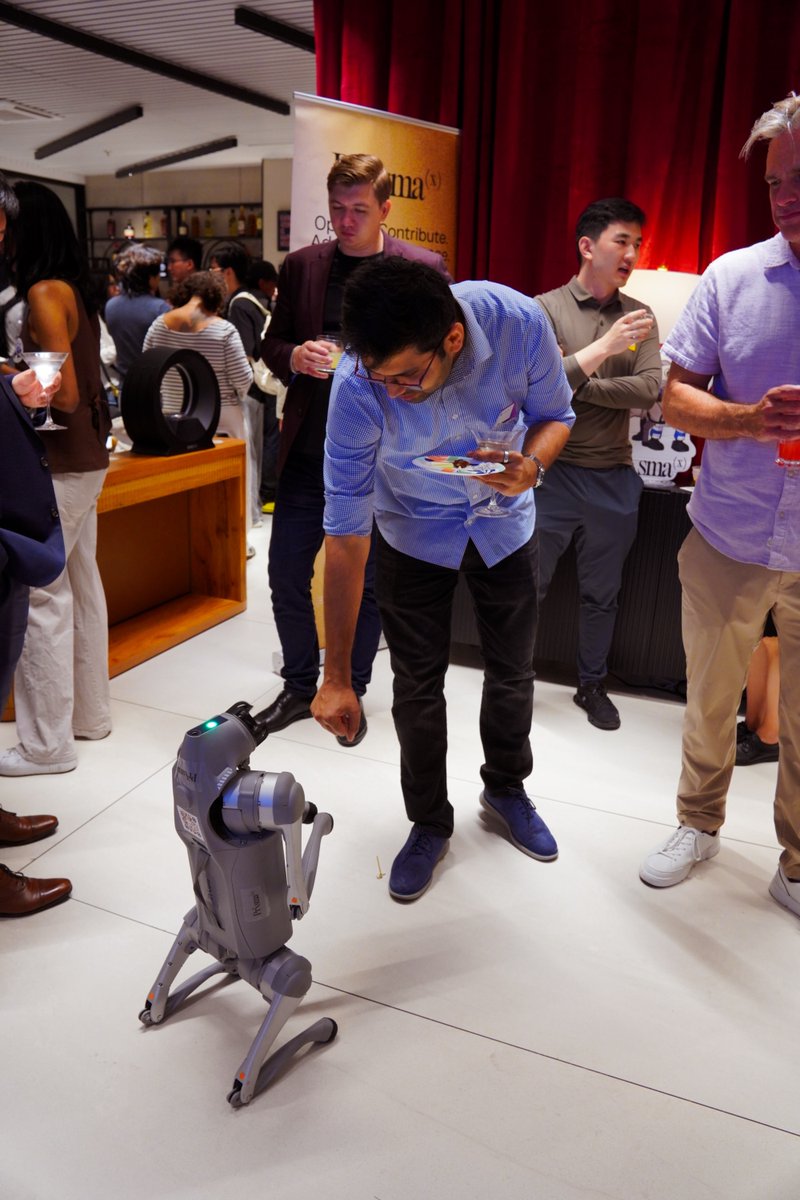
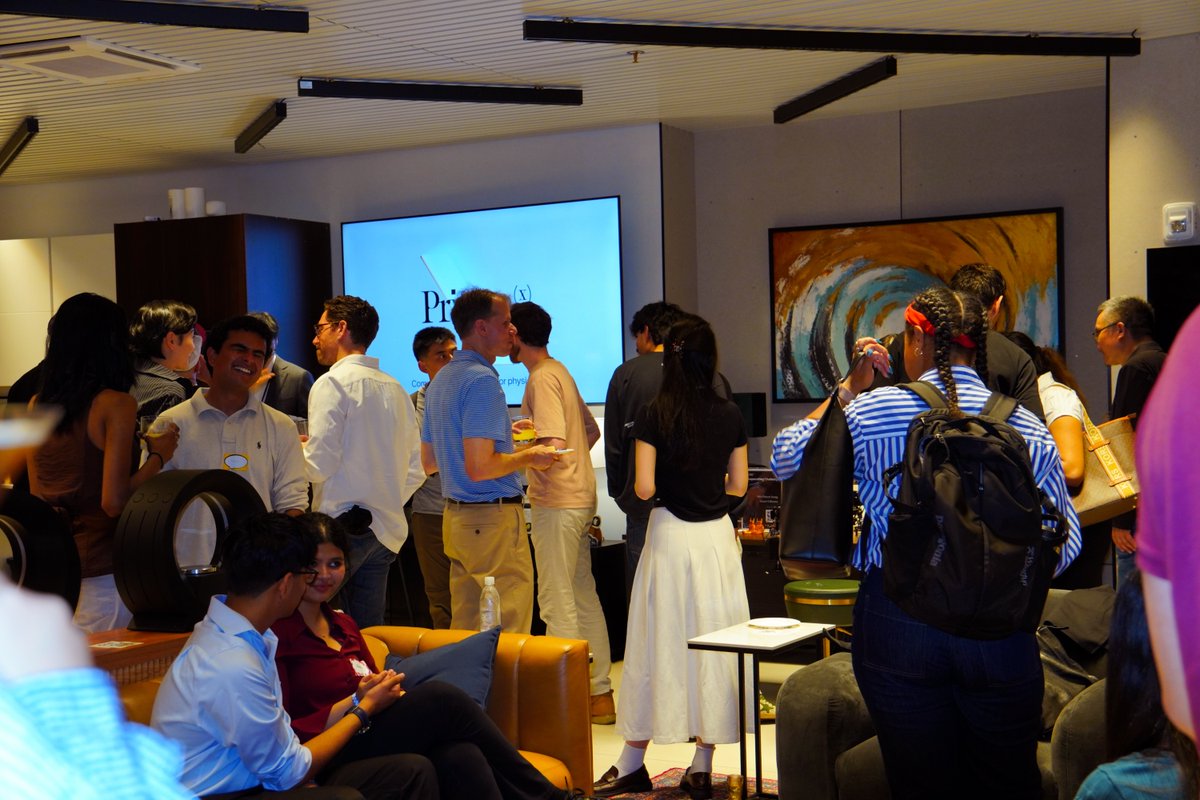
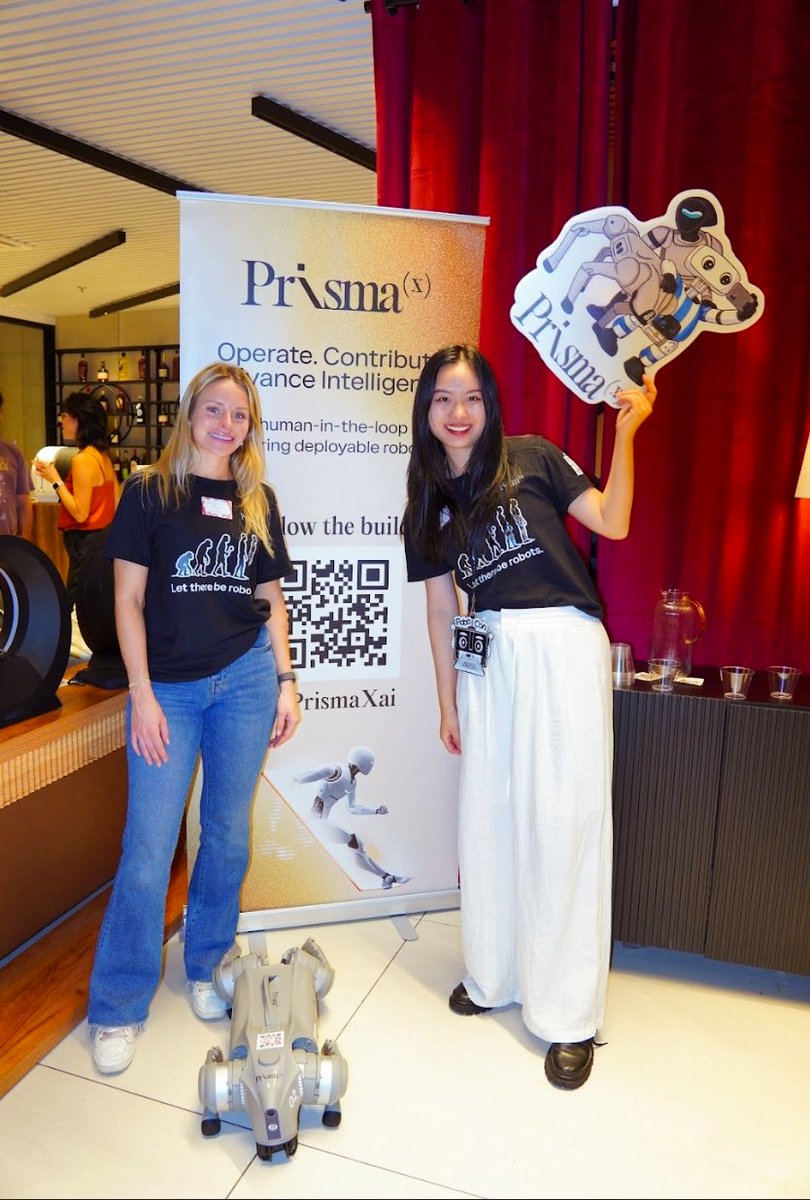
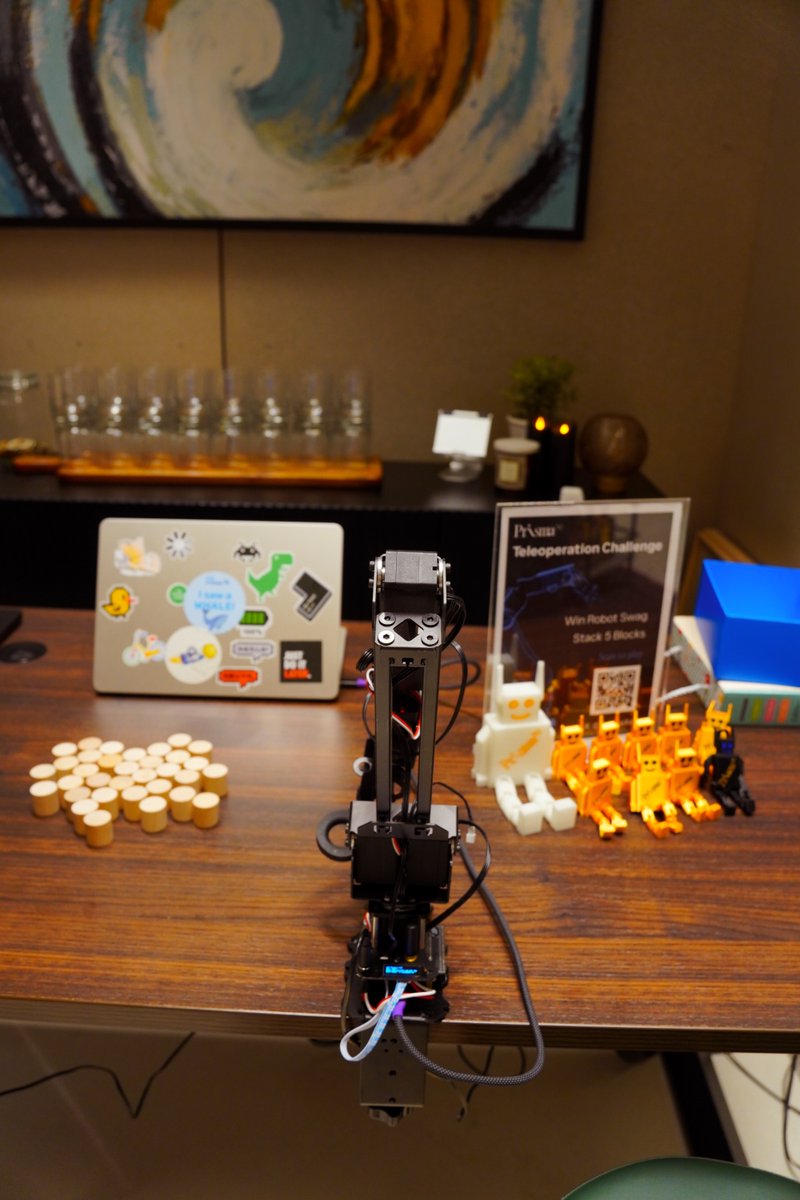
This week we hosted Robots & Rollups during @a16z#NYTechWeek 🍸🤖
The room was packed with robotics, AI, and crypto founders, researchers, investors, and builders. Exactly the cross-section we set out to bring together.
@isturaf@ritualnet Trust will define AI adoption more than intelligence alone.
Verifiable execution gives autonomous systems the accountability they need to operate at scale.