Center for Mental Health at the University of Pennsylvania. The premier academic center for advancing mental health research, policy, training and practice.
"I had legitimate heart problems going on... and you don't want to treat me in the same way..."
New & important article detailing experiences & insight from people who inject drugs being hospitalized for endocarditis (life-threatening heart condition):
https://t.co/kDWtqqF9jV
Important info from @statnews explaining a new harm-reduction tool: test strips meant to test for contaminated drugs (similar to the way fentanyl strips work)
https://t.co/rYHClrtJpK
This week's #ThrowbackThursday emphasizes the importance of discussing finances in implementation of EBPs.
What do the stakeholders think? Who is responsible for sharing the cost? How can we make it happen?
From @rebbstew@Rsbeidas
https://t.co/L9HiV3a2Md
Incredible, clearly written resource at the intersection of #autism and #Medicaid policy. Families often don’t know about Medicaid services for autistic people. Some states even have waivers that don’t rely on income cutoffs. Medicaid can often cover psychology services too!
Firearm injury is a major contributor to suicide deaths in the US.
Lethal means safety counseling (LMSC) is a clinical intervention that educates & encourages people to better remove/store these firearms.
How can we improve LMSC implementation?
https://t.co/h6xmpeMBJD
This study conducted a systematic review of qualitative studies discussing perceptions from stakeholders (those directly involved in using LMSC).
Many important ideas came forth, incl. preserving identity & individualism, cultural views, and inclusion of family/friends & more.
Fidelity, which describes the delivery of an intervention based on its specific guidelines, is a critical component of seeing the intended benefit of the intervention.
To ensure this is met, how can we accurately measure fidelity?
Explored here: https://t.co/YOtrrXZUQD
A potential harm reduction tool seen right in your office: vending machines.
These can be used to dispense wound care, fentanyl test strips, naloxone and more.
This study explored stakeholder views of the idea: https://t.co/nac29TQctt
🚨 NEW 🚨 in the discussion about the use of effective & evidence-based exposure therapy for anxiety and the role that therapists' individual beliefs play:
How can experiential training affect use of these exposure therapies?
https://t.co/Tptl3lPLvq
"The composition of most research samples, which do not include many minoritized populations or those from low socioeconomic strata, means that autism research has quite limited knowledge of what works for whom and under what conditions."
Important point made by the article!
Significant research has developed interventions & services for children w/autism, but a critical component is sustainability of these interventions & feasibility of implementing multiple in the same environment.
The UNITED strategy examines this here:
https://t.co/CA9ORXW2aZ
Significant research has developed interventions & services for children w/autism, but a critical component is sustainability of these interventions & feasibility of implementing multiple in the same environment.
The UNITED strategy examines this here:
https://t.co/CA9ORXW2aZ
The growing need for improved access/utilization of mental health services has emphasized pediatric primary care as a potential venue.
This study explored the feasibility & preliminary outcomes of a depression prevention program.
Findings here:
https://t.co/rPm35Z3P4q
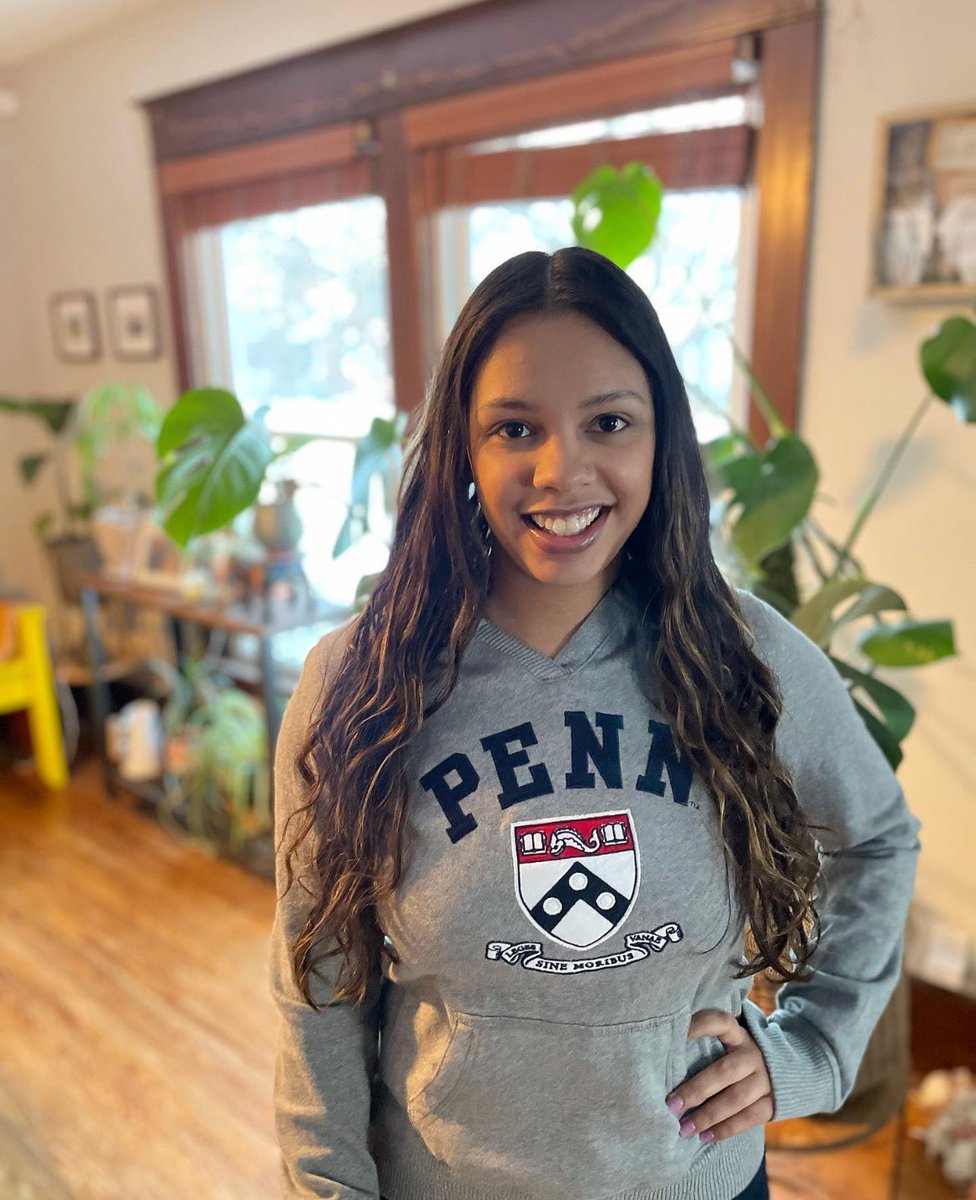
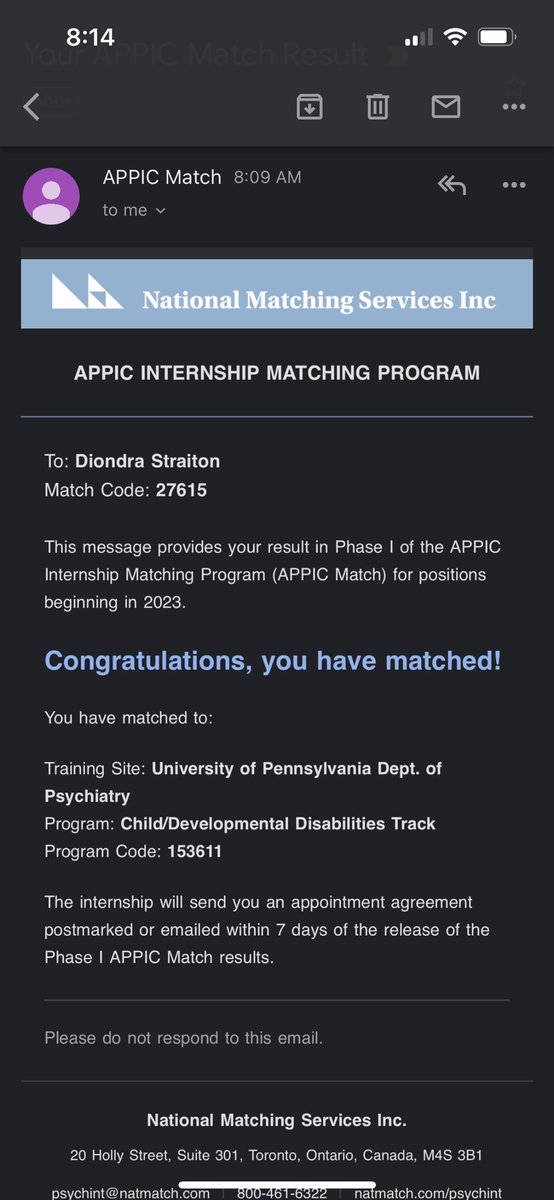
So excited to match to the #APPIC clinical psychology predoctoral internship (our version of a residency program) at @PennMedicine on the Child/Developmental Disabilities track. I started my clinical science journey @PennCMH as a post-bac and am so excited to finish it at Penn ♥️