Not all fiber is created equal. In a new Q&A, Vishal Singh of @pennstatenutr shares how his lab is studying processed fibers in foods and supplements and what they mean for gut health, IBD, and the gut microbiome. https://t.co/r0ynjKvsBX
Children who eat too fast are at higher risk of developing obesity. Researchers at Penn State are training new AI software to measure children’s bite rates in order to promote healthy eating. Learn more. https://t.co/v5yoDU8FBM
Congratulations to Martin Sliwinski and Sy-Miin Chow. They are part of a new, multi-University network to measure and prevent Alzheimer’s disease, funded by the National Institute on Aging - NIH. https://t.co/xvqpczBiki @PennStateHDFS
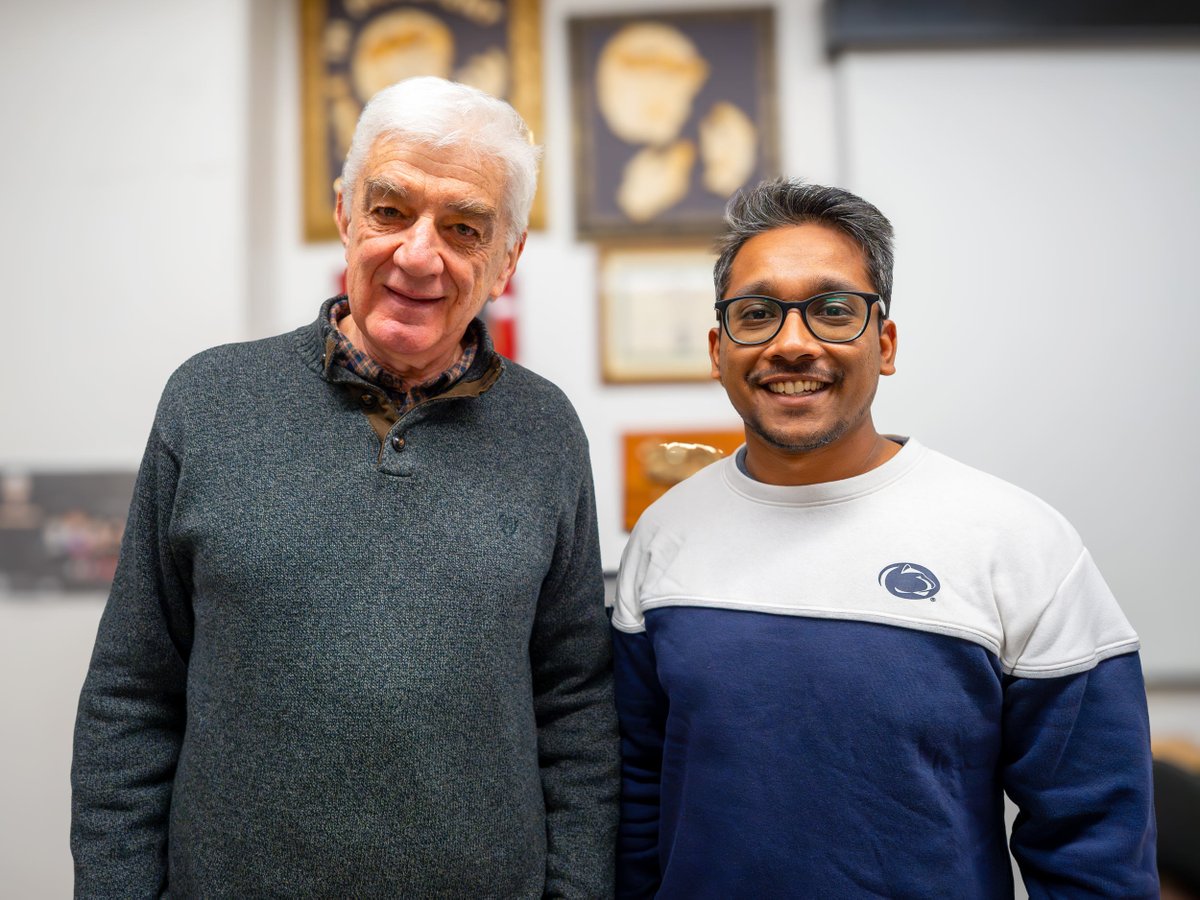
The way we perform basic physical tasks could be used to screen who is at a higher risk for Parkinson’s disease years before people display visible symptoms.
Learn more in this Q&A with Mark Latash and his pre-doctoral advisee, Sayan Deep De. https://t.co/FOxl9Zi8qq
Congrats to @pennstatenutr's Kathleen Keller on being named president of the Society for the Study of Ingestive Behavior! Her leadership shows how our faculty shape the future of nutrition research and inspire the next generation of scientists.
Sliwinski, @pennstatehdfs, will present this year's Schmitt Russell Research Lecture on Wed., Sept. 24, discussing his research on new methods for capturing cognitive change and brain health within the contexts and challenges of daily life.
Learn more: https://t.co/Ocnyb7uVeR
Sliwinski, @pennstatehdfs, will present this year's Schmitt Russell Research Lecture on Wed., Sept. 24, discussing his research on new methods for capturing cognitive change and brain health within the contexts and challenges of daily life.
Learn more: https://t.co/Ocnyb7uVeR
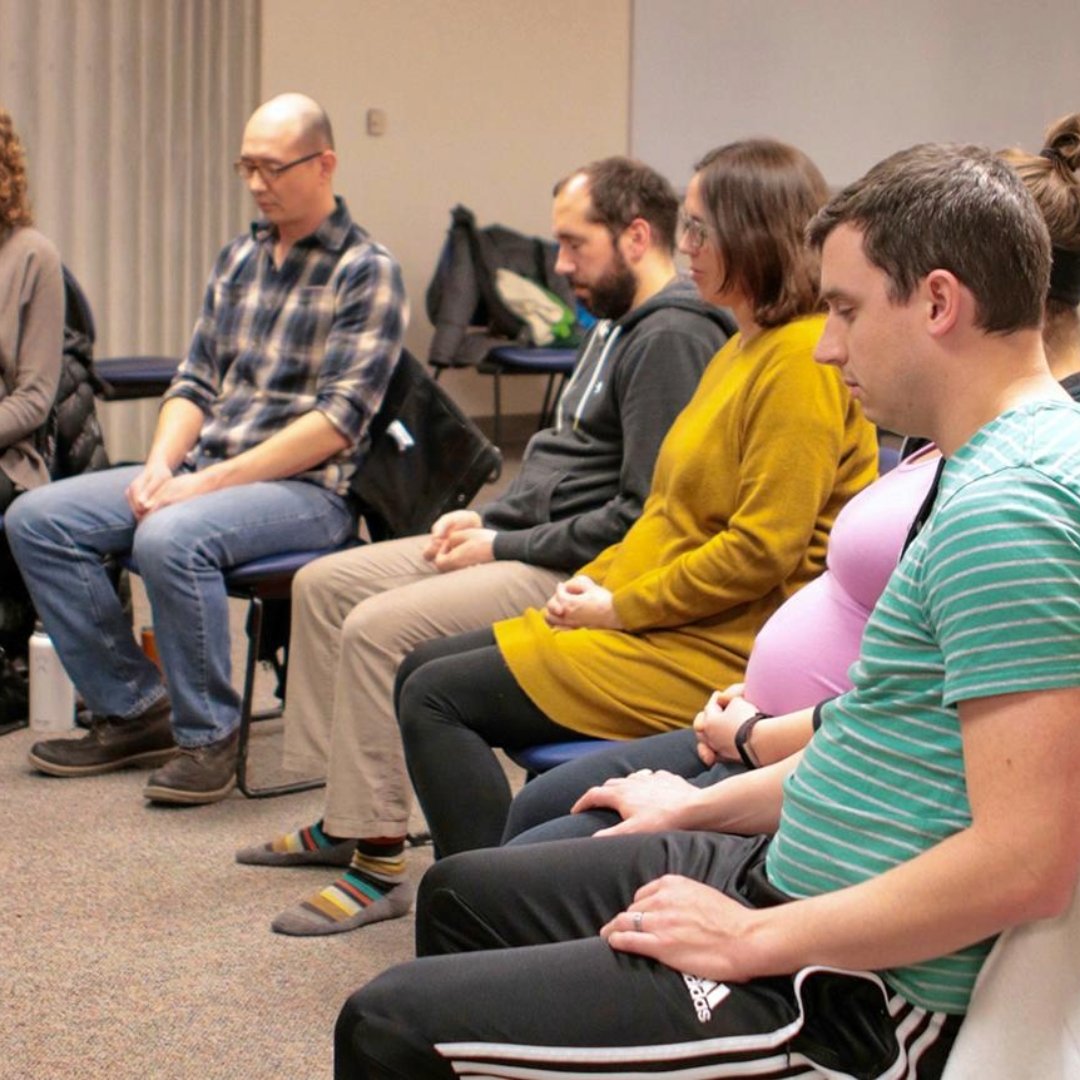
A new study by researchers at Penn State found that mindfulness-based birthing courses, compared to traditional community-based birthing courses, better supported new parents and relieved the stress of new parenthood 👶.
Read more: https://t.co/WqsqIuV6xk
Emily Lundstrom, former grad student and current assistant professor at the University of Southern California explains how her research as a graduate student at Penn State can support athletes' performance and long-term health. https://t.co/0zlUeDD88p
“Any way we looked at the data, the relationship was crystal clear — the more an older person’s weight varied from year to year, the faster that person experienced cognitive decline.” - Muzi Na https://t.co/YWoowkwuSB
Do cultural identity and social norms affect risk for cardiovascular disease? For people in both the US and South Korea, which have very different social norms and priorities, feelings of loneliness increased the risk of CVD by nearly 15%.
Read more: https://t.co/tbqiJ3MN6N
Do you know that 1 in 10 women live with endometriosis?
Penn State Kinesiology researchers Lacy Alexander and @AuniWilliams are studying the disease to develop new treatments and less invasive methods for diagnosis. https://t.co/yiRMB5xf8N
Nelson Roque, researcher in @pennstatehdfs, developed an interactive map so that people in the U.S. can track our air quality. Do you know what you are breathing?
https://t.co/CZEt9KnzbW
A new @pennstatekines study from Keegan Peterson and Melissa Bopp finds fitness tests (like blood pressure and waist size) predict cardiometabolic risk better than self-reported exercise. https://t.co/URcQo3HxYf
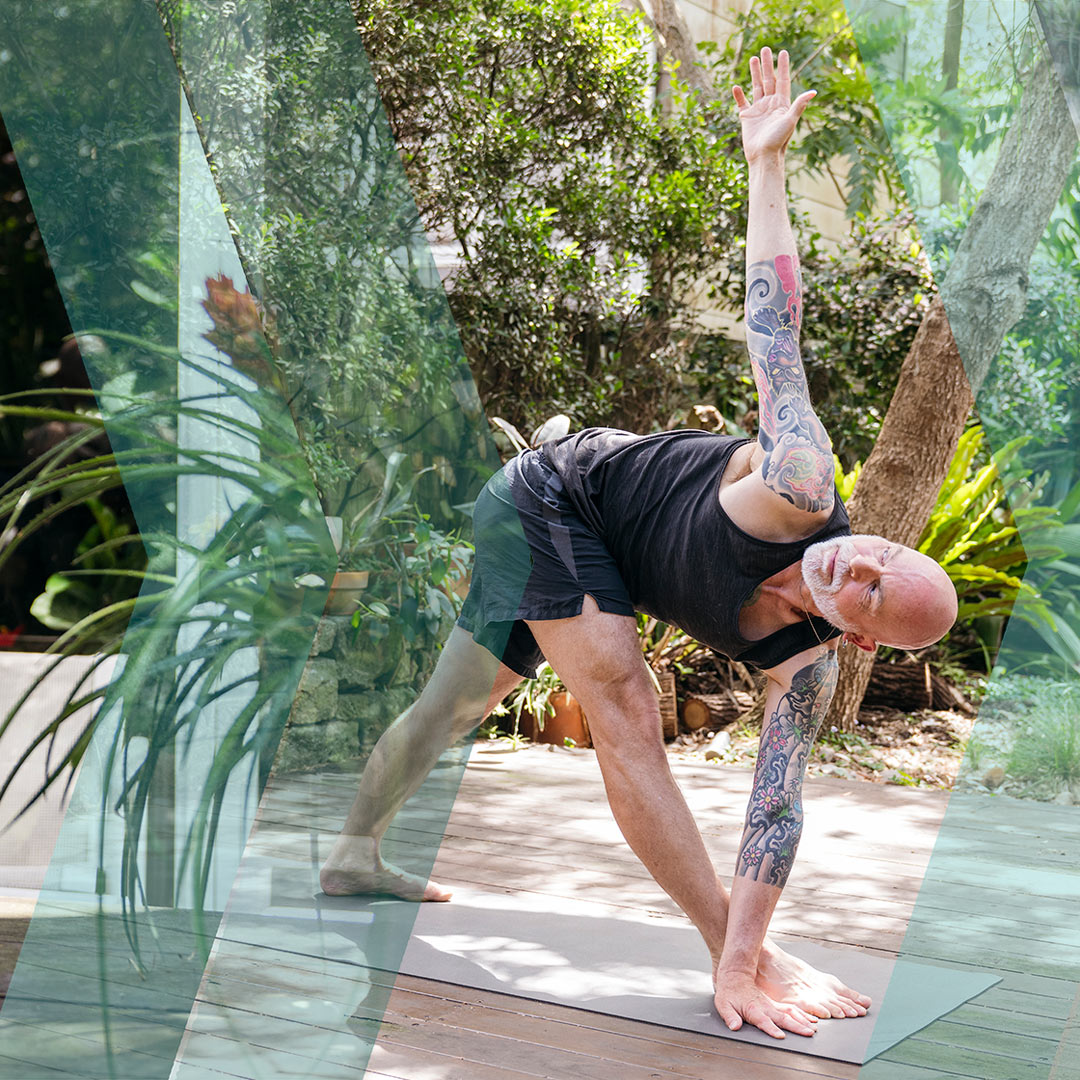
How hot is too hot for people? Read our brief Q&A with Larry Kenney and Olivia Leach of @pennstatekines on when a heatwave becomes dangerous and for whom. https://t.co/NcMT0B2uQk
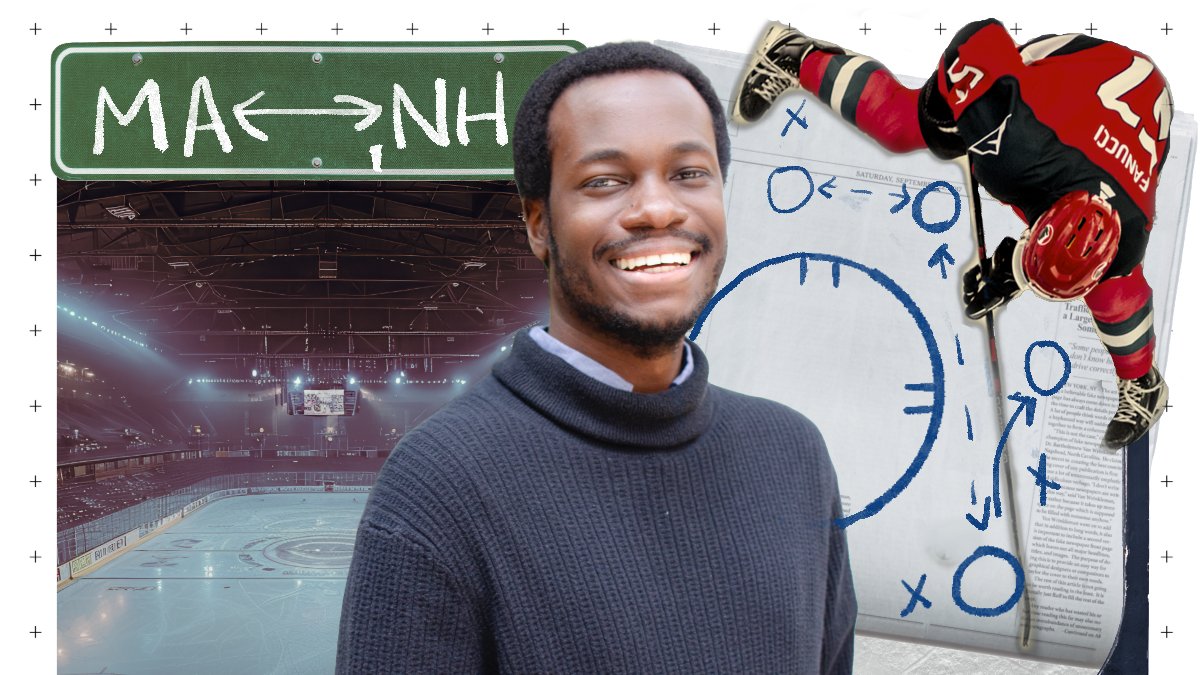
Why do cities use public money to build stadiums for billion-dollar sports teams? A Q&A with @pennstatekines doctoral candidate Aaron Bonsu dives into this long-debated question — and what history can teach us.
https://t.co/s5Yq2bv3zg
Nutritional Sciences researcher and associate professor Kristina Petersen discusses common misconceptions about seed oils and how they are beneficial to a healthy diet in this Q&A. https://t.co/ZOIxrr9BfL
Energy deficiency is a common problem among physically active women and can result in bone and reproductive health problems.
Penn State Kinesiology researchers developed a brief, free, online questionnaire that can help detect energy deficiency. https://t.co/JfsWOjj2n6
"Did you bring more snacks🍎🥨?" Emily, a third-year in @pennstatebbh, hears the question often when working as an undergrad researcher with the Center for Childhood Obesity Research. Learn how undergrad research is helping Emily on her path to PA school.
https://t.co/elGjkphCGZ