Introducing a safety solution is only the first step. Ongoing guidance and support help ensure users remain confident in how and when to use their protection.
A range of training resources are available to support organisations and their teams at any time, including:
• On-demand webinars that explain key features and best practice
• Helpcentre articles that provide quick answers and practical guidance
• Training videos that demonstrate how devices and apps should be used
These resources allow organisations to reinforce knowledge, answer questions and support new users whenever they need it.
Accessible training helps ensure safety systems remain familiar, trusted and effective throughout their use.
Continuous support helps embed safety into everyday working practices.
#SafetyCulture #LeadershipInSafety #WorkplaceStandards #EmployeeConfidence #ProactiveSafety #OrganisationalResilience
When a lone worker alarm is activated, monitoring professionals first attempt to assess the situation and communicate directly with the worker.
If the situation cannot be resolved immediately, a designated escalation contact may be notified.
An escalation contact is typically a manager, supervisor or trusted colleague who can help confirm the worker’s circumstances, provide additional context or assist in determining the most appropriate response.
Being an escalation contact means being available to support the response process when needed. This might involve helping verify the worker’s location, confirming their planned activity or assisting monitoring teams in understanding the situation more clearly.
Having clear escalation contacts in place ensures that when an alarm is raised, there is always someone within the organisation who understands the worker, their role and the potential risks they may be facing.
This additional layer of communication helps monitoring professionals coordinate the most appropriate response quickly and effectively.
Watch the short video below which explains the role of escalation contacts in more detail: https://t.co/p8KIBpRqzZ
#EscalationProcess #CrisisManagement #SafetyProtocols #WorkplaceGovernance #IncidentTransparency #RiskControl
Lone working occurs across housing, education, retail, healthcare and utilities.
Risk is not defined solely by industry. It is defined by isolation, unpredictability and limited supervision.
Protection should reflect exposure, not job title.
#LoneWorkerPolicy #WorkplaceWellbeing #RiskExposure #EmployeeWelfare #SafetyAcrossSectors #CorporateResponsibility
Not every emergency allows verbal communication.
If a worker is unconscious, injured, or under threat, they may not be able to explain what’s happening. That’s why choosing the right lone worker safety device matters.
The right technology can automatically raise the alarm and provide monitoring professionals with critical information such as location data and risk details. From there, a predefined escalation pathway ensures the right response is triggered quickly.
Support shouldn’t depend on a worker being able to speak.
Learn how to choose the right lone worker safety device for your organisation: https://t.co/1s0dJ9P8fC
#PersonalSafety #WorkplaceSecurity #EmergencyPlanning #FieldWorkerSafety #DutyOfCareObligation #IncidentResponse
Lone worker safety doesn’t stop at implementation.
Rolling out a safety solution is only the beginning. Ongoing support, regular usage reporting and proactive account management help organisations ensure their protection strategy continues to work effectively as teams, risks and environments evolve.
The ability to review data, refine settings and optimise how technology is used makes a real difference to long-term safety outcomes.
Because protecting people is not a one-time project - it’s an ongoing partnership.
#CustomerSupport #SafetyPartnership #WorkplaceSolutions #ClientSuccess #HealthAndSafetyManagement #ContinuousImprovement
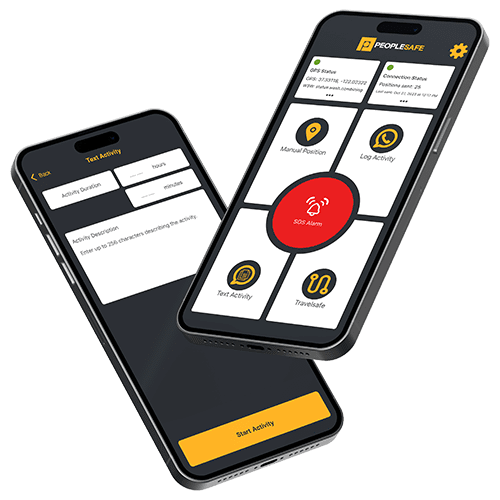
Instead of just talking about features, let’s talk about making everyday app usage easier.
Shortcuts. Automations. Faster actions when it matters most.
In high-pressure moments, reducing friction isn’t a “nice to have” - it’s essential. This video explores how smarter app shortcuts and automation can streamline workflows, save time, and improve response when it counts. Watch here: https://t.co/xItebUpq4e
If your team relies on speed and simplicity, this is worth a few minutes of your time.
#Automation #AppEfficiency #UserExperience #WorkplaceSafety
The value of lone worker protection is best demonstrated in real situations.
In our latest case study, see how rapid alarm activation and structured monitoring support helped protect a worker during a high-risk encounter.
Real incidents highlight why preparation, monitoring and clear escalation procedures matter.
Read the full case study to understand the impact in practice.
https://t.co/tj7YAhWu04
#CaseStudy #LoneWorkerProtection #RealWorldSafety #DutyOfCare #EmployeeProtection #WorkplaceRisk
Speed matters.
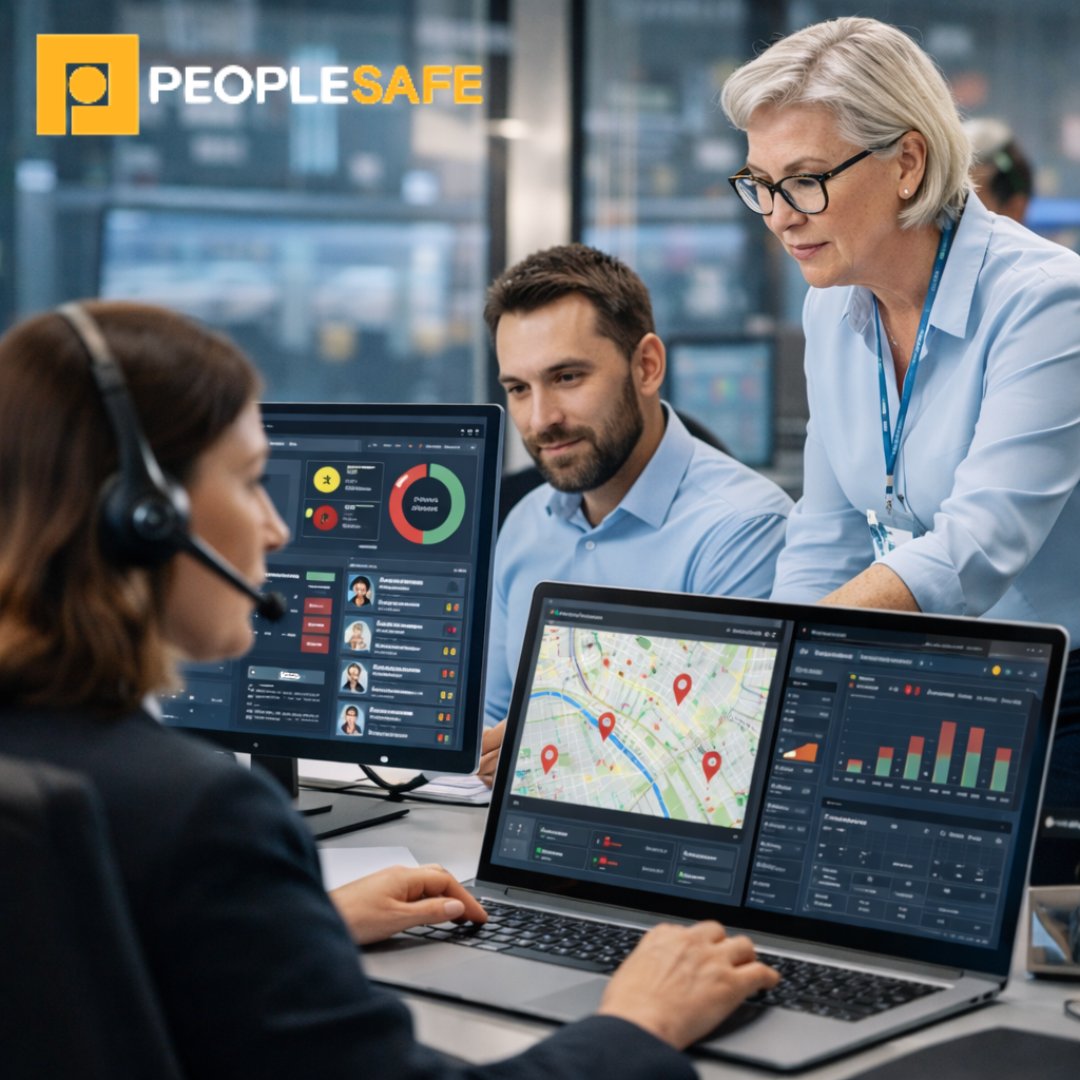
When an alarm is activated, it is instantly routed to a professional monitoring centre. The controller immediately accesses the worker’s profile, location and risk notes before opening two-way audio.
Those first seconds determine how the situation is assessed and what action follows.
Watch this short video to see how our monitoring team responds in real time.
https://t.co/rtZMe0Fqjf
#EmergencyResponse #IncidentManagement #WorkplaceProtection #EmployeeSafety #AlarmMonitoring #BusinessContinuity
Many organisations believe serious incidents are rare and therefore unlikely to affect their workforce.
In reality, most alarms relate to everyday risks such as verbal aggression, medical episodes or workers feeling unsafe during visits.
Effective worker protection is about managing probability - not reacting to catastrophe.
#MythBusting #WorkplaceRisk #LoneWorkerSafety #DutyOfCare #HealthAndSafetyLeadership #RiskAwareness
If a lone worker is harmed, what would your approach to safety say about your organisation?
Lone-worker protection is not just about devices or systems. It reflects how seriously leadership treats duty of care and foreseeable risk.
Where lone working is present, regulators and stakeholders may examine:
• Whether risks were identified
• Whether appropriate protection was implemented
• Whether workers were trained and supported
• Whether systems were actively used
Strong safety cultures invest in protection before incidents occur, not after.
Lone-worker safety signals whether protection is a compliance exercise or a leadership priority.
Because culture becomes visible when something goes wrong.
#LoneWorkerSafety #WorkplaceSafety #HealthAndSafety #DutyOfCare #EmployeeSafety
If a lone worker raises an alert, how quickly can you confirm exactly where they are?
In a serious incident, uncertainty around location can delay response, increase harm and expose employers to scrutiny, especially where lone working is already identified as a risk.
Accurate location intelligence enables organisations to:
• Locate workers immediately
• Assess surrounding environmental risk
• Provide precise information to emergency services
• Reduce escalation time
Without reliable location data, response decisions rely on assumption rather than evidence.
Clear, documented location tracking strengthens both emergency outcomes and your compliance position.
In critical moments, certainty reduces risk.
#LoneWorkerSafety #WorkplaceSafety #HealthAndSafety #EmployeeSafety #RiskReduction
Lone-worker protection only works if people trust and use it.
If safety technology is complicated or poorly adopted, employers are left exposed, not just operationally, but legally.
In the event of an incident, you may need to demonstrate:
• That suitable systems were provided
• That workers were trained
• That protection was actively in use
Peoplesafe provides:
• Easy to use solutions
• Training options including eLearning, webinars, videos and written guides
• Dedicated resources for onboarding, support and success
• Reports that help you identify low usage
Because a safety system that is not used cannot protect your people or your compliance position.
#LoneWorkerSafety #WorkplaceSafety #DutyOfCare #HealthAndSafety #EmployeeSafety
In a lone-worker emergency, response time directly affects outcome.
Delays can mean:
• More serious injuries
• Greater business disruption
• Increased legal scrutiny
• Higher reputational risk
If your organisation identifies lone working as a risk, your response capability matters.
Lone worker services, like Peoplesafe, enable rapid response, immediate escalation and a clear audit trail.
Peoplesafe provides:
• Immediate alert escalation
• 24/7 Alarm Receiving Centre support
• Real-time location sharing
• Documented incident handling
Fast detection. Rapid response. Clear audit trail.
Because when something goes wrong, minutes matter and so does evidence.
#LoneWorkerSafety #RiskManagement #HealthAndSafety #Compliance #EmployeeSafety
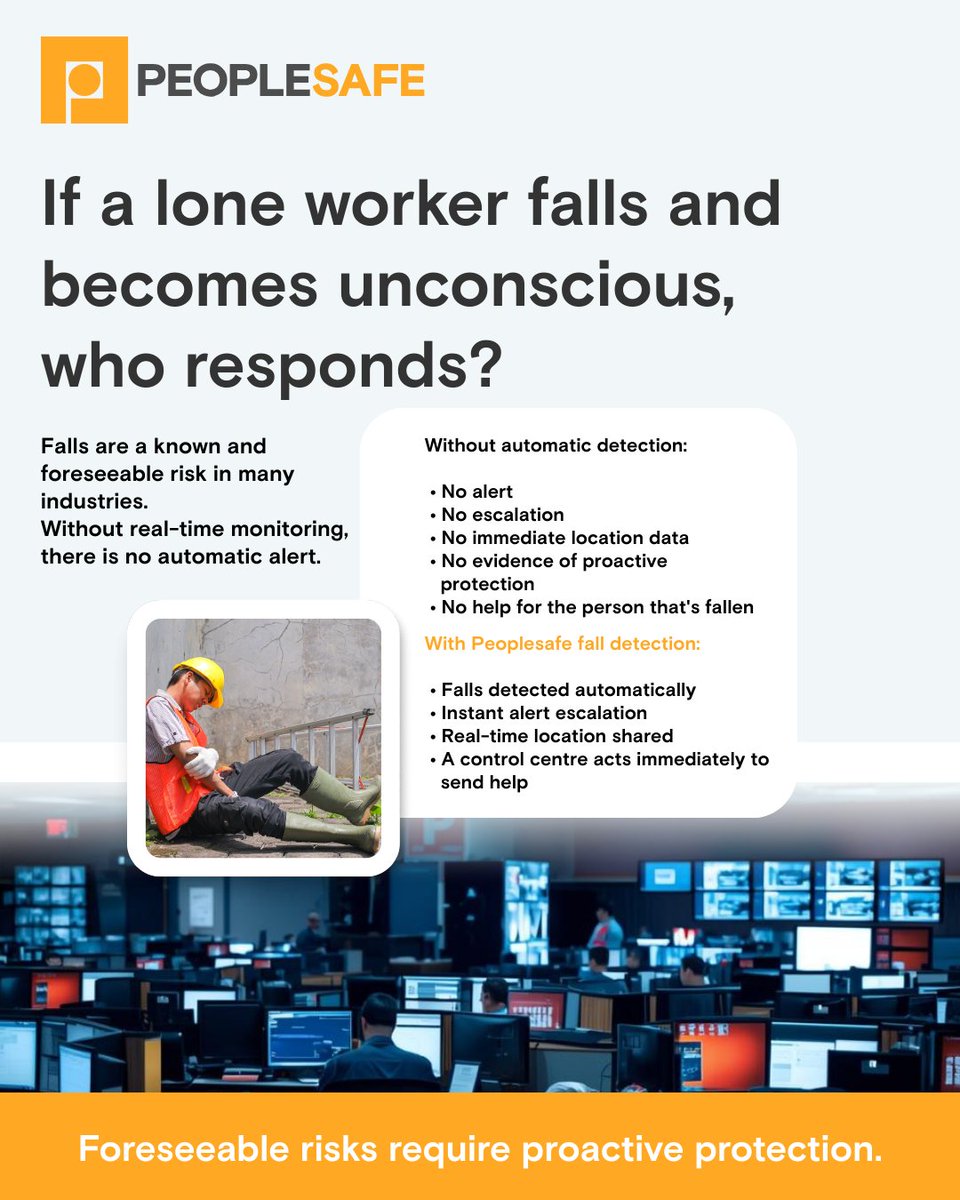
If a lone worker falls and becomes unconscious, how would you know?
If falls are a known risk within your business and no real-time monitoring is in place, that gap can expose your organisation to serious compliance and duty of care questions.
Without automatic detection:
• There is no alert
• No escalation
• No immediate location data
• No evidence of proactive protection
• No help for the person that’s fallen
With Peoplesafe fall detection:
• Falls are detected automatically
• Alerts are raised instantly
• Location is shared in real time
• A control centre acts immediately to send help to the person
When falls are a foreseeable risk, protection should not rely on someone else noticing.
#LoneWorkerSafety #DutyOfCare #HealthAndSafety #RiskManagement #Compliance
Valentine’s Day is a good reminder that love shouldn’t be reserved for one day a year.
Showing you care about your teams is something that happens all year round - in the systems you put in place, the risks you plan for, and the steps you take to keep people safe at work.
Because looking after your people isn’t a seasonal gesture. It’s a daily commitment.
When the Valentine’s Day posts are coming at you from every angle sometimes the safest place to hide is work 😅💘
Not the most romantic way to spend 14 February… but definitely something productive!
Why lone worker safety data matters for compliance
Duty of care is not only about protection. It is also about proof.
Organisations must be able to demonstrate that:
• Risks were assessed
• Protection was in place
• Alerts were monitored
• Responses were logged
Without reliable safety data, compliance becomes difficult to evidence.
Audit-ready safety systems protect people and organisations.
#DutyOfCare #HealthAndSafety #Compliance #RiskManagement #LoneWorkerSafety
How Weetabix improved safety for isolated workers
Weetabix employs staff who often work alone in secluded areas of its manufacturing sites, including around heavy machinery.
These environments create increased risk if an incident occurs and no one is nearby to help.
To improve protection for isolated workers, Weetabix introduced Peoplesafe’s 24/7 personal safety service.
Staff were equipped with SOS safety devices that include:
• GPS location tracking
• Two-way audio communication
• Fall detection
• Direct connection to a 24/7 monitoring centre
This ensures that when an alert is triggered, trained operators can assess the situation, access live location data and escalate the response when required.
The result is stronger protection for isolated workers, improved response to incidents and greater confidence for staff working in high-risk areas.
#CaseStudy #LoneWorkerSafety #WorkplaceSafety #HealthAndSafety #DutyOfCare #EmployeeSafety
In an emergency, time and clarity matter.
A lone worker safety system must not only raise alerts. It must also guide what happens next.
Effective escalation workflows ensure that:
• Alerts are prioritised correctly
• The right people are notified
• Responses follow a defined process
• No incident is left unresolved
Without escalation rules, critical alerts can stall or be missed.
Safety depends on structure, not guesswork.
#LoneWorkerSafety #WorkplaceSafety #HealthAndSafety #RiskManagement #DutyOfCare
Why lone worker safety is also about confidence and wellbeing
Lone workers face not only physical risk, but also emotional and psychological strain.
Working alone can increase:
• Anxiety in unfamiliar environments
• Stress in confrontational situations
• Fear of being unsupported if something goes wrong
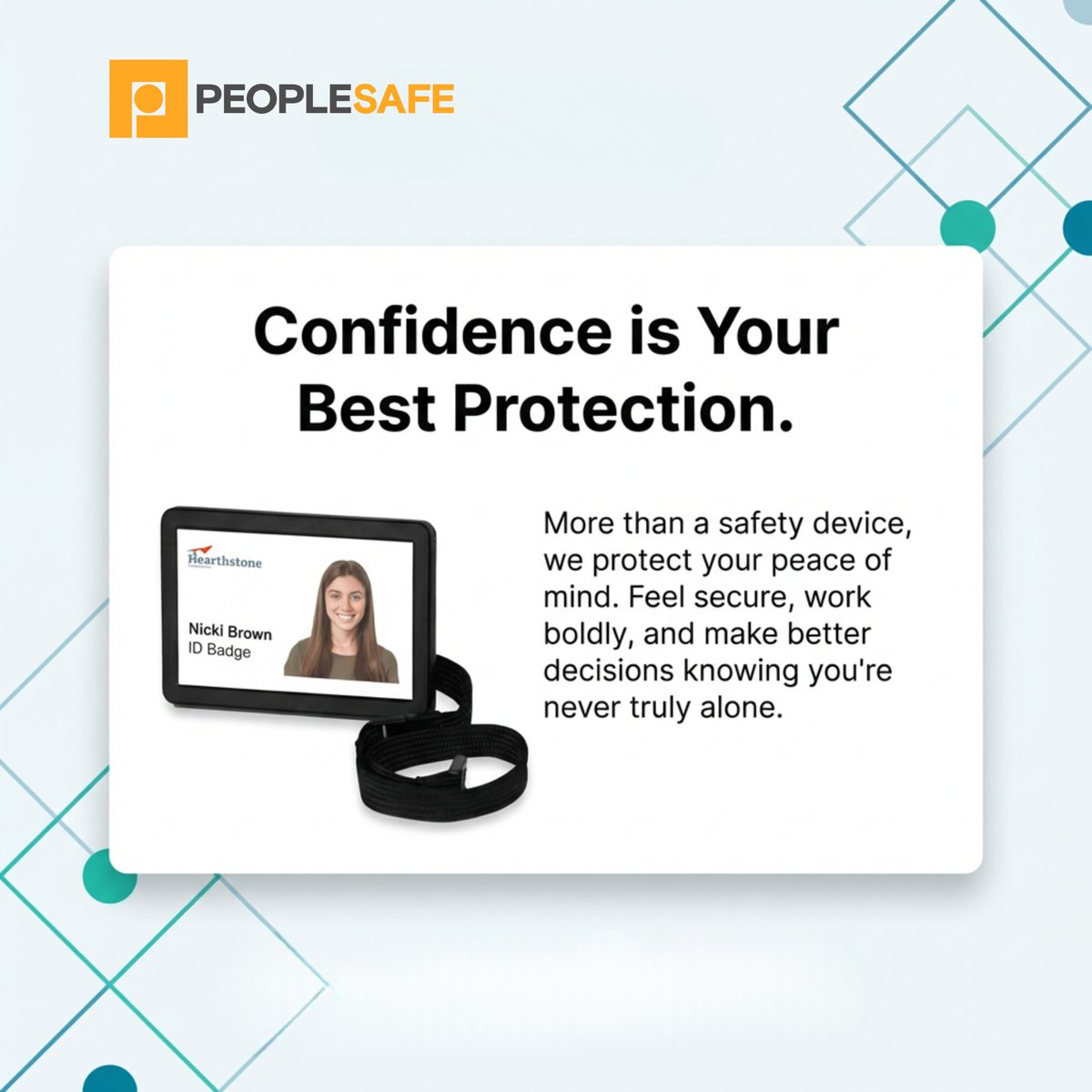
When workers know they are protected, they behave differently.
They feel safer. They work more confidently. They make better decisions.
Safety systems protect more than bodies. They protect peace of mind.
#LoneWorkerSafety #EmployeeWellbeing #WorkplaceSafety #HealthAndSafety #DutyOfCare