In a new @CNASdc piece on U.S. strikes in Iran, @StaciePettyjohn and I add some nuance to the ongoing munitions debate, raise several ways this conflict can still change, and put the campaign in broader strategic context: https://t.co/i4YMmw5vyh
Airbone battle managers have been essential in detecting low-flying drones and cruise missiles in the Middle East.
@PhilSheers on why they are uniquely capable compared to ground based radars, and why it may have lessons for our homeland defense.
As the US attempts to export American AI abroad, the countries it's courting are increasingly pursuing "sovereign AI" and see dependence on the US as exactly what they're trying to escape
To succeed in these markets, the AI Exports Program needs a sovereignty strategy
🧵
Iran is targeting key U.S. airpower infrastructure. Radars, SATCOM, KC-135s, and AWACS. New analysis on what it means for US operational readiness today and in the future.
Grateful to @ka_grieco, @Joe_m_costa, and @PhilSheers for their expert insights.
https://t.co/J70HE1sZKH
Glad to share some thoughts with @defense_news on the ABM fleet. "There is very little slack remaining for flexibility and adjustment... that places a huge burden on the remaining fleet as well as other systems to fill in the gaps, potentially at the expense of other priorities"
Iran has struck radar systems, satellite communications and mission-critical aircraft at US bases across Bahrain, Qatar, Kuwait, Saudi Arabia and the UAE. https://t.co/NhvcngwV8T
@BreakingDefense@CNASdc Looking at the next budget, DoD needs to invest in its ABM fleet. It should do so with a sober appreciation for what alternatives can and cannot do, and with an honest re-assessment of what is needed for DoD’s actual priority scenarios.
The loss of an E-3 aircraft this weekend has cast the spotlight back on airborne battle management.
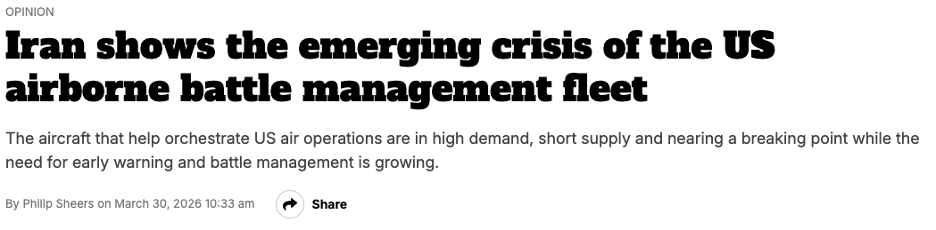
Today in @BreakingDefense, I wrote about the crisis facing the U.S. ABM fleet, and why DoD needs to soberly reinterrogate the way it resources this critical part of the force🧵
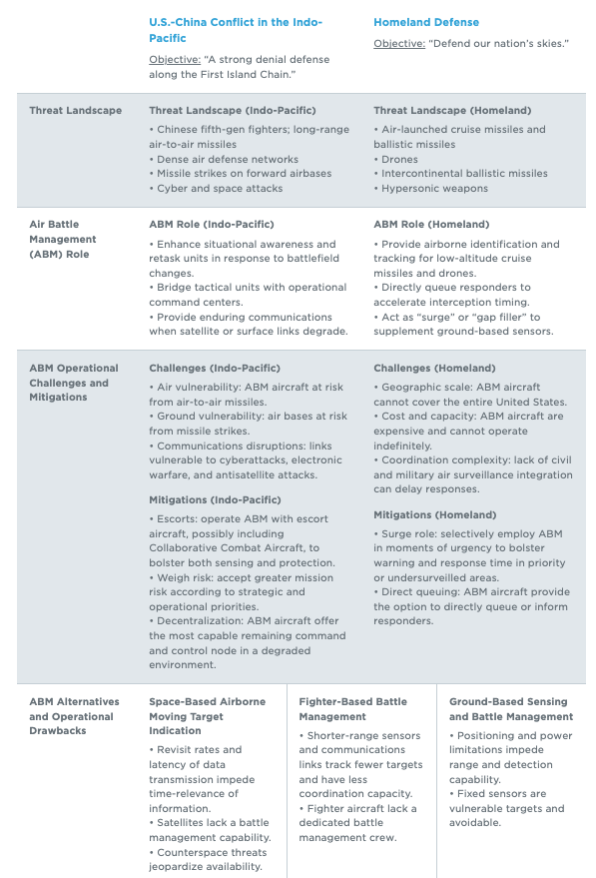
@BreakingDefense@CNASdc A summary table from the report captures many of these tradeoffs, as well as how ABM operations can consider mitigating some of these challenges in DoD’s priority scenarios:
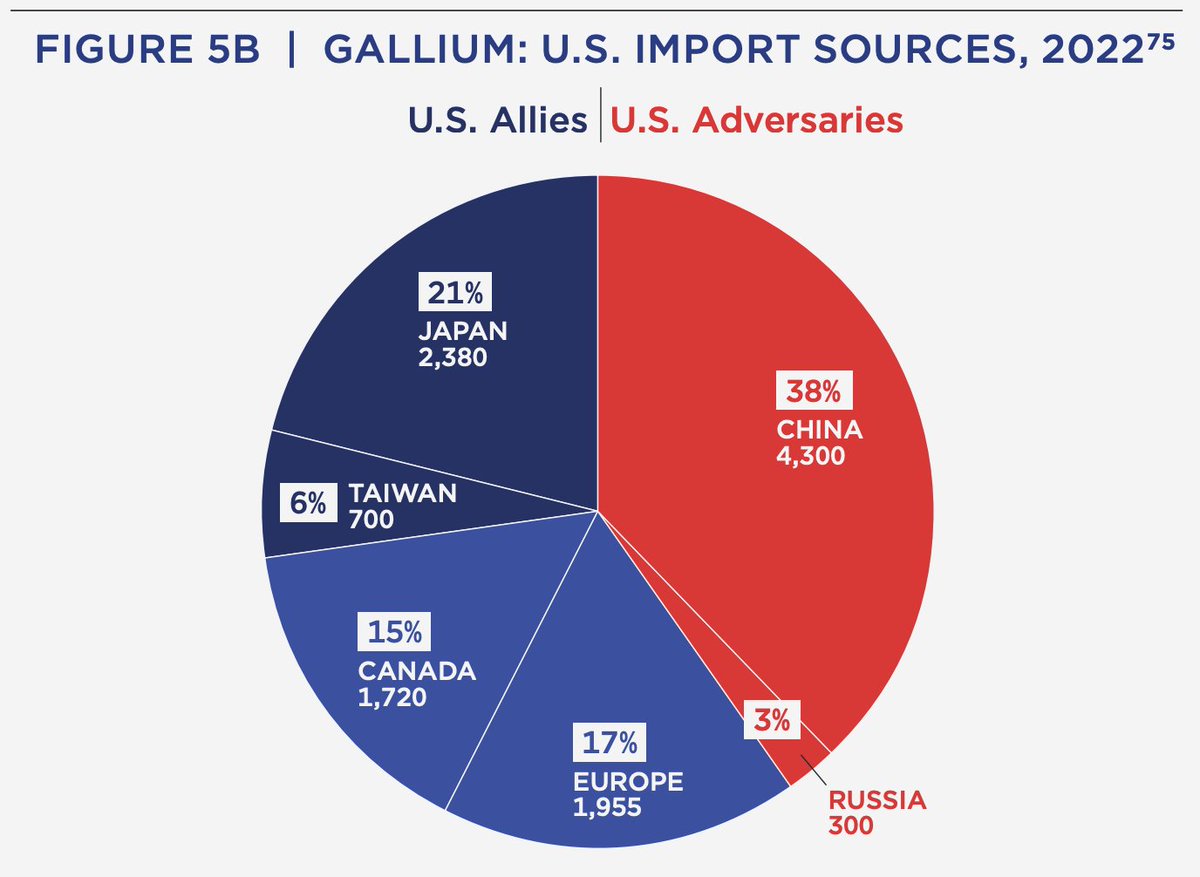
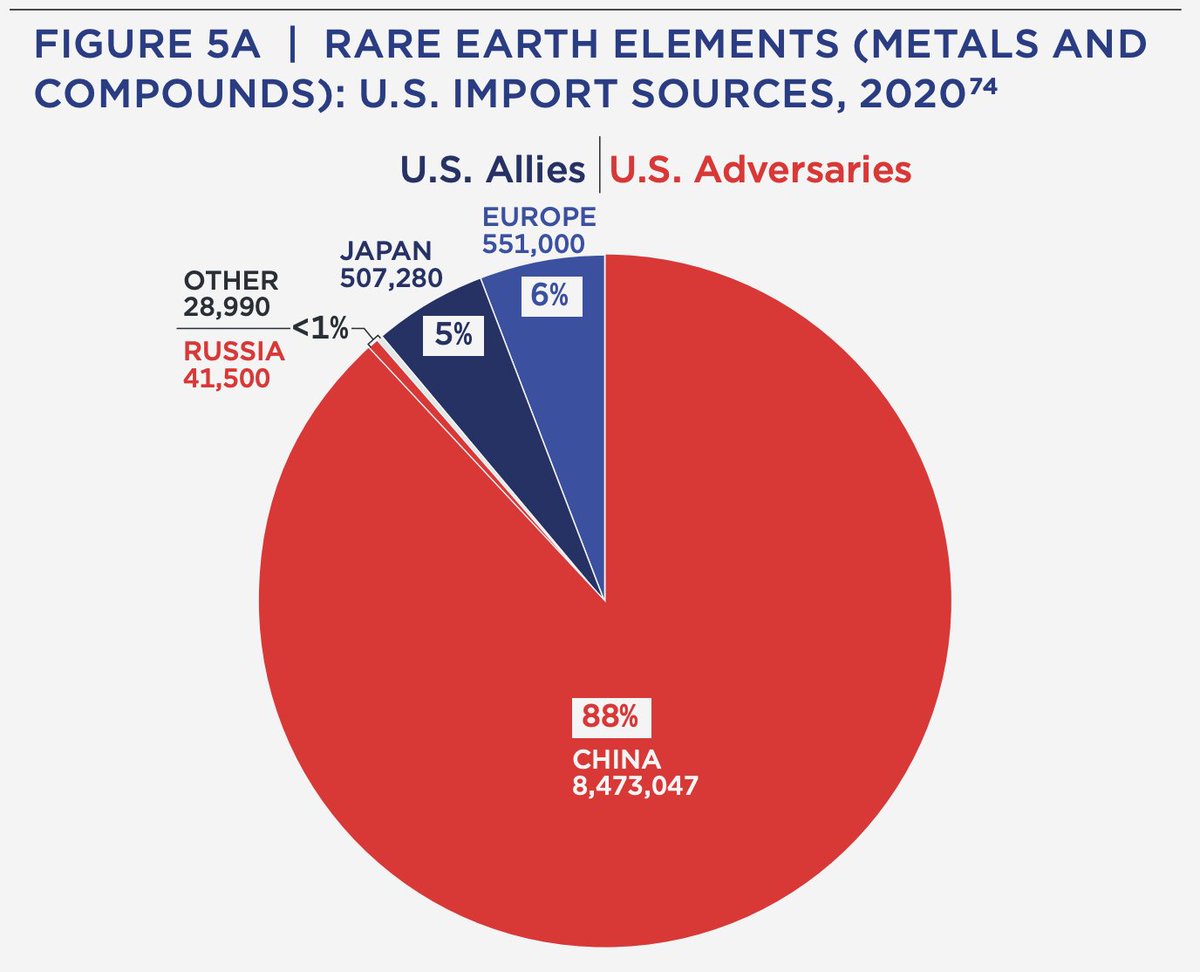
This is an interesting piece on the role critical minerals play in U.S. supply chains and implications for defense. @becca_wasser and I discussed this in our @CNASdc DIB report last year—charts below. You can dig into more of the analysis here: https://t.co/MX0Xcis0aj