The National Pipe Archive (NPA) was founded to collect and preserve documentary and archaeological evidence relating to the history and culture of pipe smoking.
Where are they now? Members of the Wrexham Pipe Club at the Royal Oak, New Broughton. Heats of National Pipe Smoking Competition, December 1974. Reported in the Shropshire Star #Wrexham#claypipes
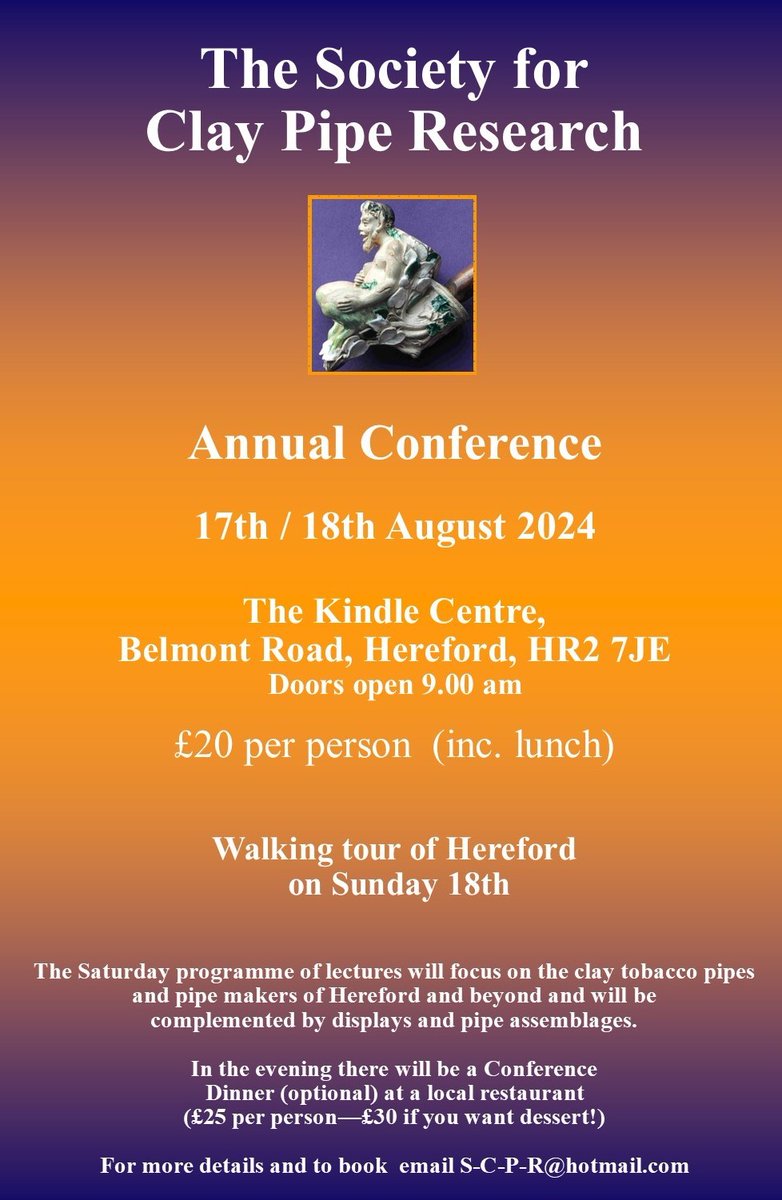
The Society for Clay Pipe Research are holding their conference in Hereford this year on 17th August - here are all the details if any of you are able to join them. Non-members welcome. #Claypipes#Hereford
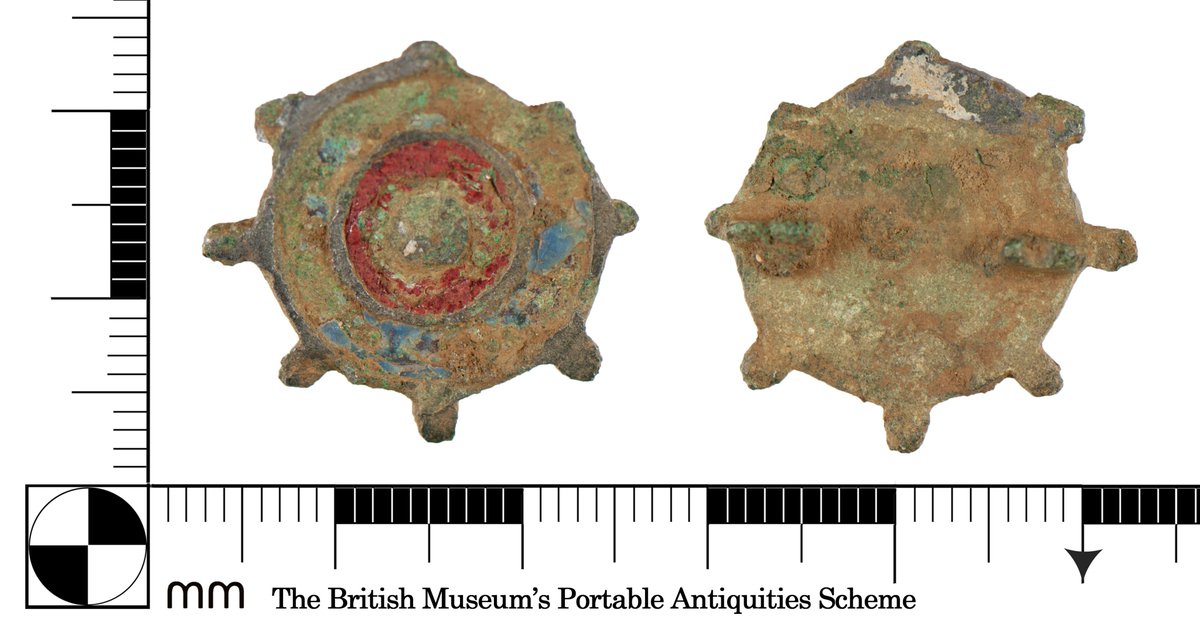
This lovely Roman disc brooch has traces of bright red and blue enamel which hints at how colourful and striking it would have been. #FindsFriday https://t.co/k2YZYvOtqc
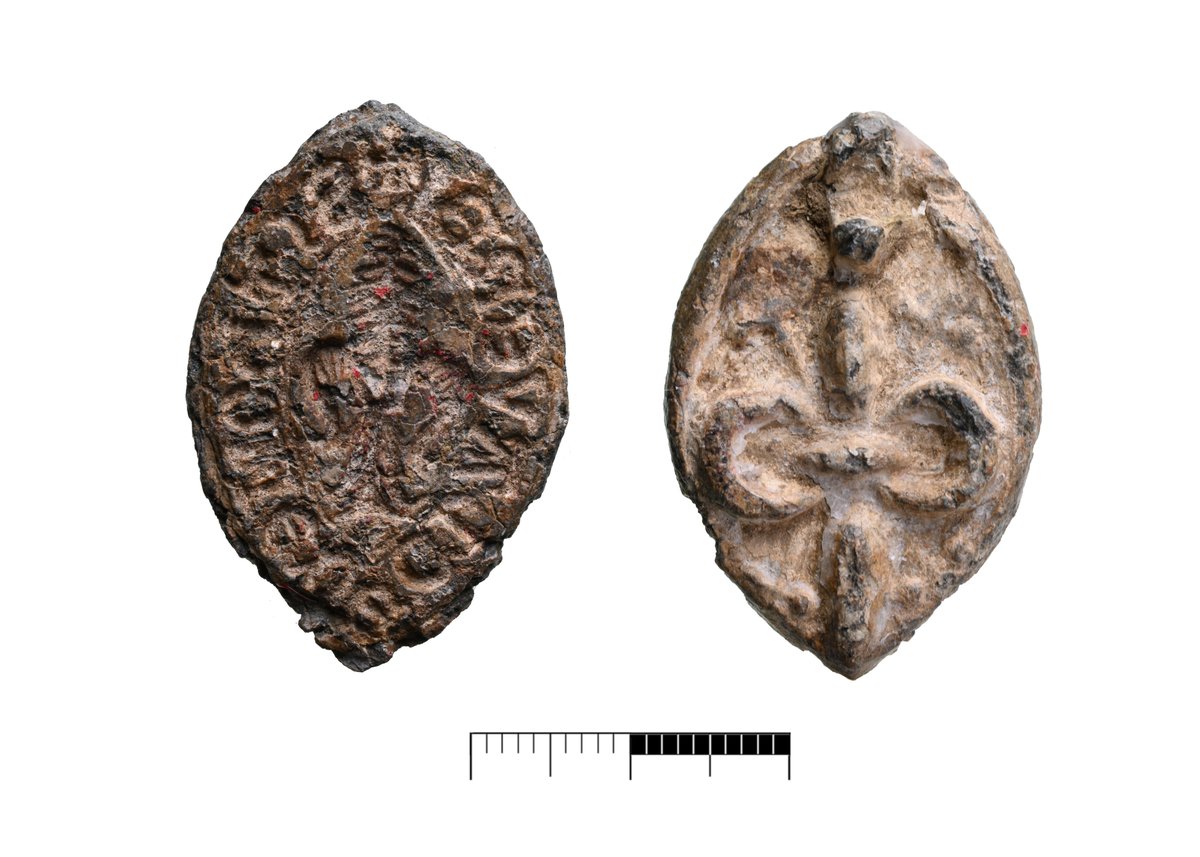
“Let Him Be A Man Of Glory”
...at least that's our best effort at translating the inscription we think is '+ SIT hOMENE GLAVERE' on this C13th medieval vessica seal matrix.
Unusual to see decoration of both faces of the seal.
#FindsFriday
https://t.co/mJnOypoIKJ
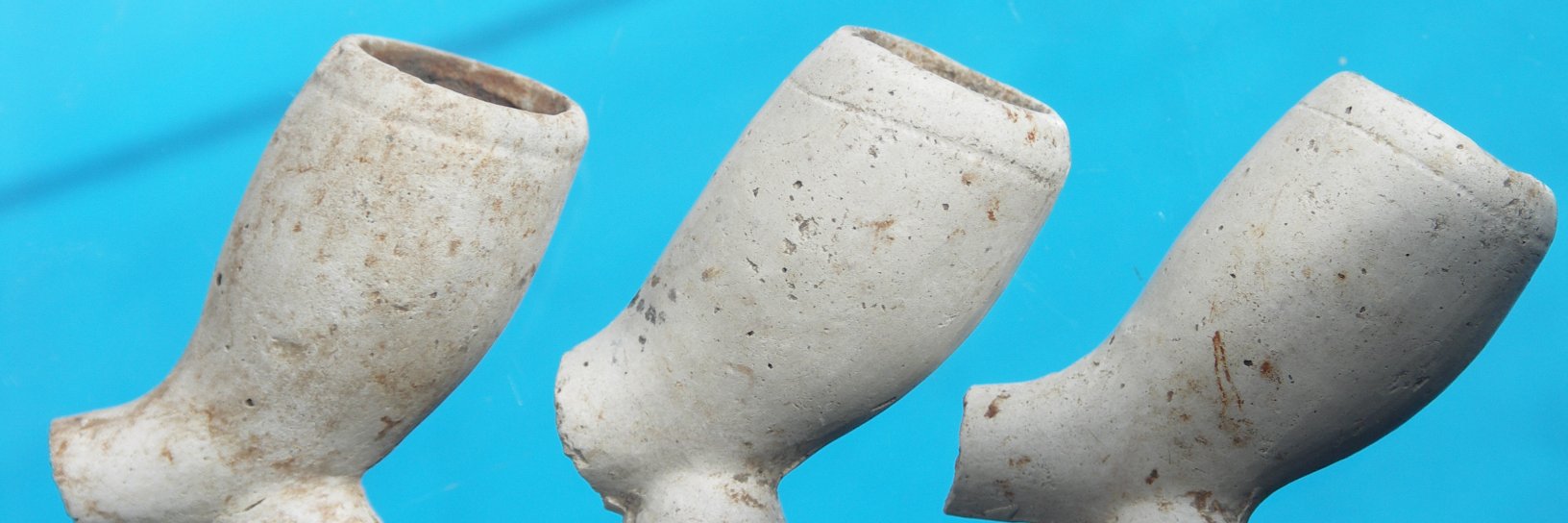
@MeganOlshefski@cmgerrard1@JohnCastling@ArcDurham@aucklandproject Short-stemned 'cutty' pipe c.1850-1930. Moulded TW probably initials of specific maker originally but soon became a generic pattern type used by lots of makers. Hatched area took form of hearts, circles and stars, often just on one side. Hope that helps.
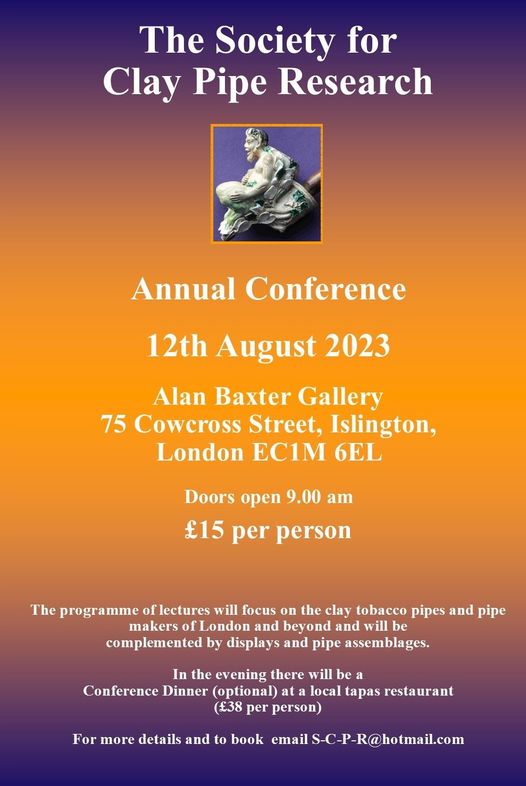
Help the Society for Clay Pipe Research celebrate their 40th year. They are holding their annual conference in London this year - why not join them to have a full day of pipe talk. Details on their website https://t.co/UozwMMAMoi #ClayPipes
@SarahsGarden12 Victorian or later, May not have had a heel or spur but a short branch as part of its design - meant to represent a rusticated piece of wood.
40 years after the first SCPR conference in London, we'll be back there on 12 August. Come and hear me talk about pipemaking in the reign of James VI/I. Other talks will be available. Details and booking form at https://t.co/wVaV7PCvQR
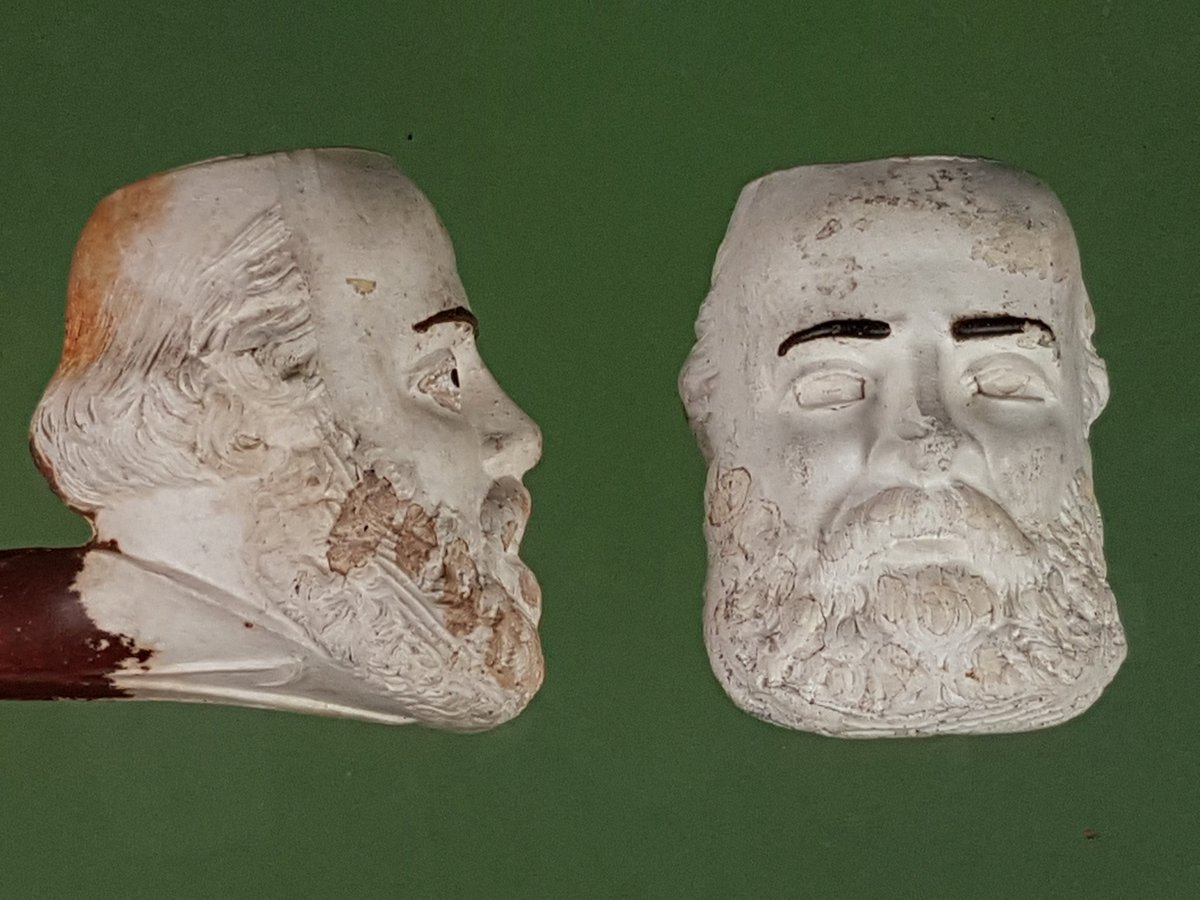
@Bucks_FLO @findsorguk Snap! Lord Salisbury (3 times prime minister between 1885 and 1902). These examples are French with traces of enamel, as is yours.
@PeterReavill@scottylar@lucymayrowland@ArchaeoAnni There doesn't seem to be a close parallel in the known literature, but it's certainly the right size and shape for a pipe stopper (tamper), probably C19th.