A relationship manager at a European bank asks her AI copilot: "Summarize my client's recent transactions."
Between prompt and response, the agent made 4 access decisions: prompt control, data filtering, tool invocation, response masking.
→ https://t.co/HWeUtLQQG9
Login-time authorization was built for a world where the access decision could be made once and trusted.
Agents do not work that way. They chain operations after the door opens, and each one is a new decision.
Runtime authorization, explained → https://t.co/Gd6yOvoAxh
A CFO using an HR assistant shouldn't be able to pull payroll data through a tool that was never meant to reach it.
✔️ The role check clears the CFO.
✔️ It clears the agent.
❌ Neither catches what matters: what the two of them together can do right now.
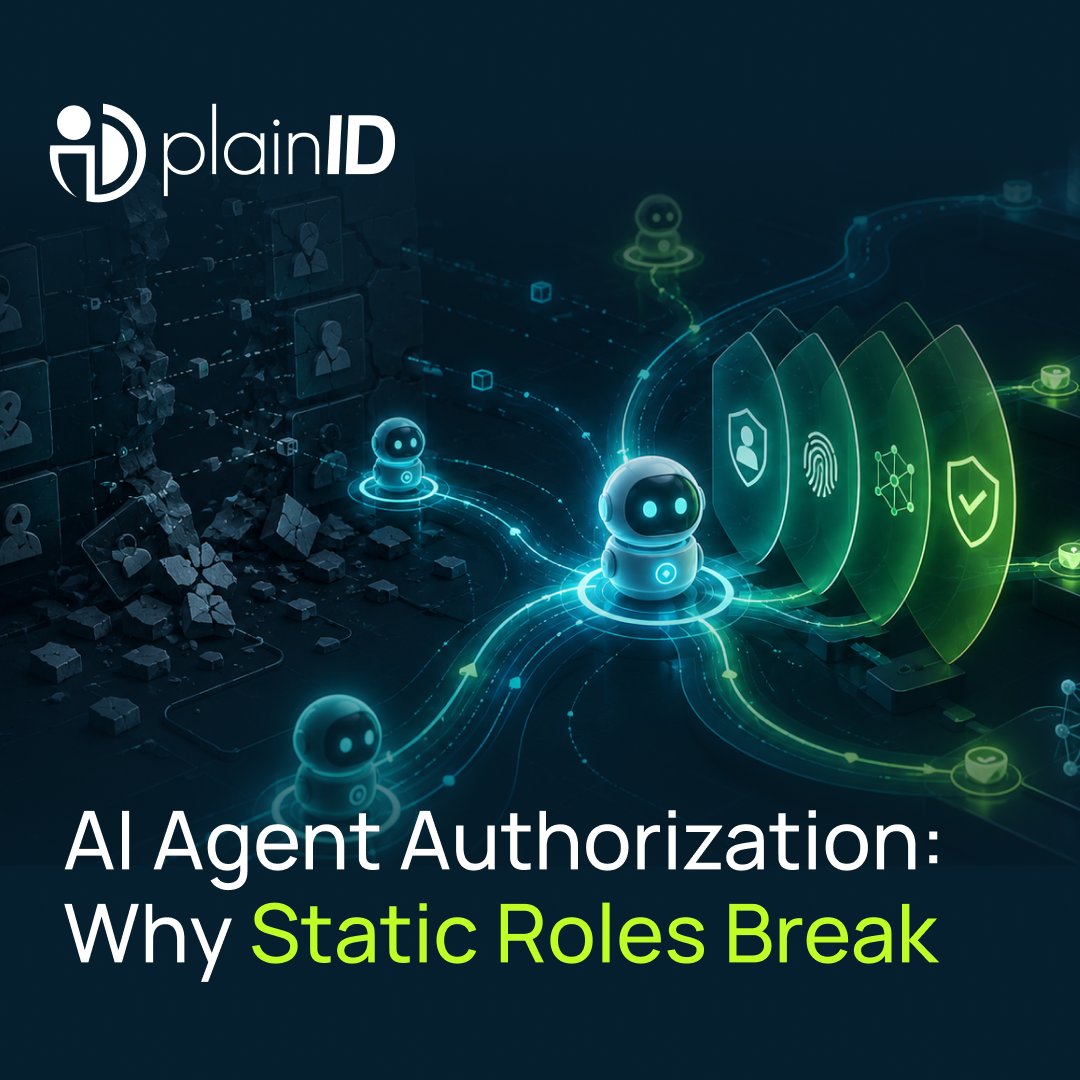
RBAC and ABAC were built for identities that behave predictably. AI agents don't.
What replaces both 👉 https://t.co/f9cUk0vHjG
CIAM used to describe one thing: a business managing its consumers. B2C. That framing is done 🚨
B2C became B2B2C. B2B2C is now B2B2C2AI.
@thalesgroup' Marco Venuti and PlainID's Gal Helemski walked through the full runtime authorization architecture in our joint session 👉 https://t.co/fDWjj9Yelf
In our latest guide, PlainID co-founder and CPO Gal Helemski walks through why accountability stays with the deploying organization no matter which model powers the agent, and why policy-based access with composite identity holds up where static roles fall short.
You can read it here https://t.co/xq4w3B5GoM
A relationship manager at a European bank asks her AI copilot: "Summarize my client's recent transactions."
Between prompt and response, the agent made 4 access decisions: prompt control, data filtering, tool invocation, response masking.
→ https://t.co/NQJ67CPefj
Most enterprises built their authorization around one question: can this human log in?
With AI agents onboard, it is time for a harder one: Can this agent, acting on behalf of this user, access this data, execute this action, and expose this information right now?
Our new guide walks the full evolution of access control, from legacy ACLs and RBAC through ABAC and ReBAC.
See the full access model showdown and why PBAC comes out on top in our latest guide 👉 https://t.co/D8m4TFDbn6
At our latest webinar, almost every attendee said they're already running AI agents in production. That's no surprise. What is surprising is that fine-grained authorization for those agents is still the exception, not the rule.
Watch the full recording to 👉 https://t.co/F7nKIapafb
What we're seeing across board is AI agents being connected to enterprise systems before organizations fully understand:
• what data agents can access
• what tools they can use
• how their actions are governed
https://t.co/IzSbvNf7en
Ask an AI coding tool to build authorization for your app, and it'll ship something that works. Permissive controls make the feature look better in a demo, so that's what the model writes.
PlainID's Kobi Gol recently asked @Matt_Rosenquist (35+ years in cybersecurity) what enterprises can do about it.
You can watch the full webinar recording here 👉https://t.co/Ng6PDLfgzM
When authorizing access, who do you focus on:
A) the user
B) the AI agent
C) none of the above is correct
The reality is that it cannot be one or the other. It has to be both.
We're talking about it in more detail in our latest ebook: https://t.co/Tmw8ilqwna
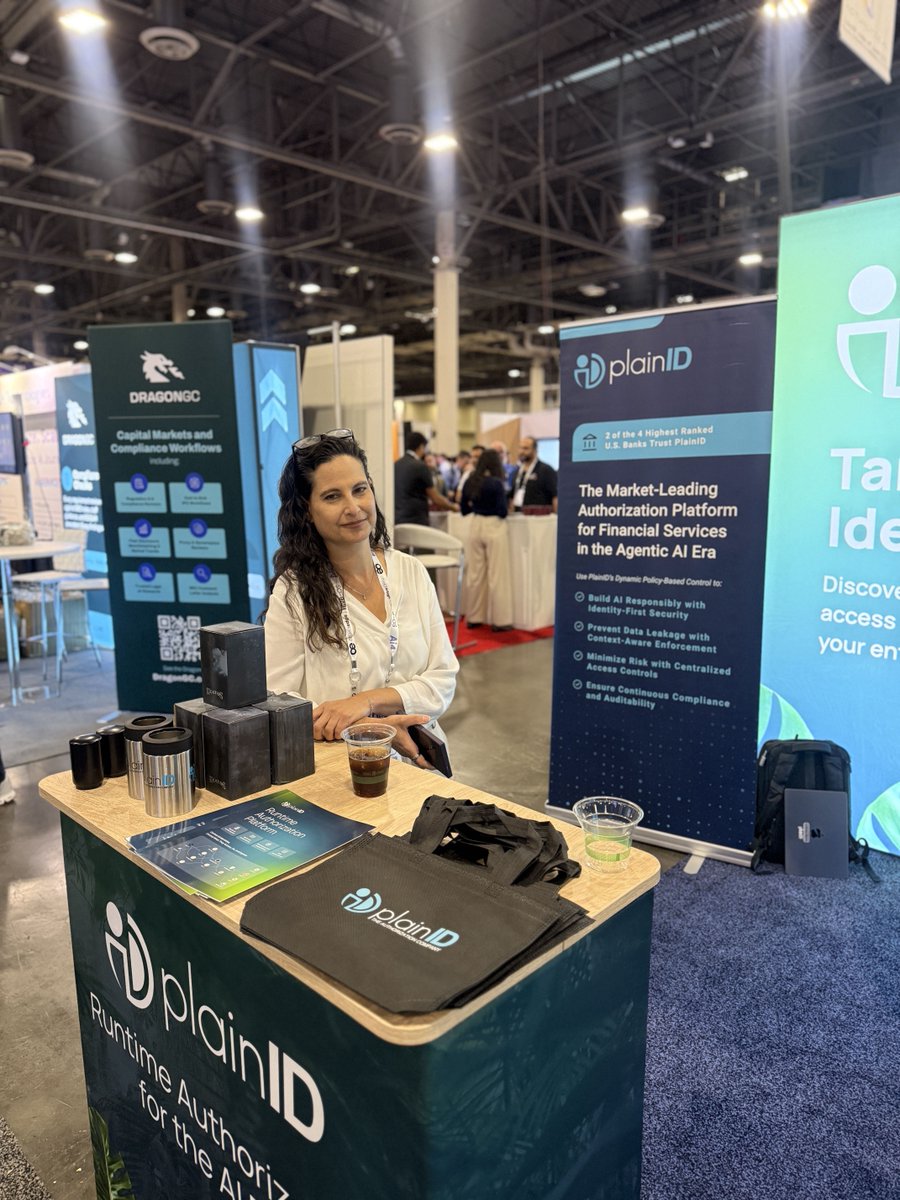
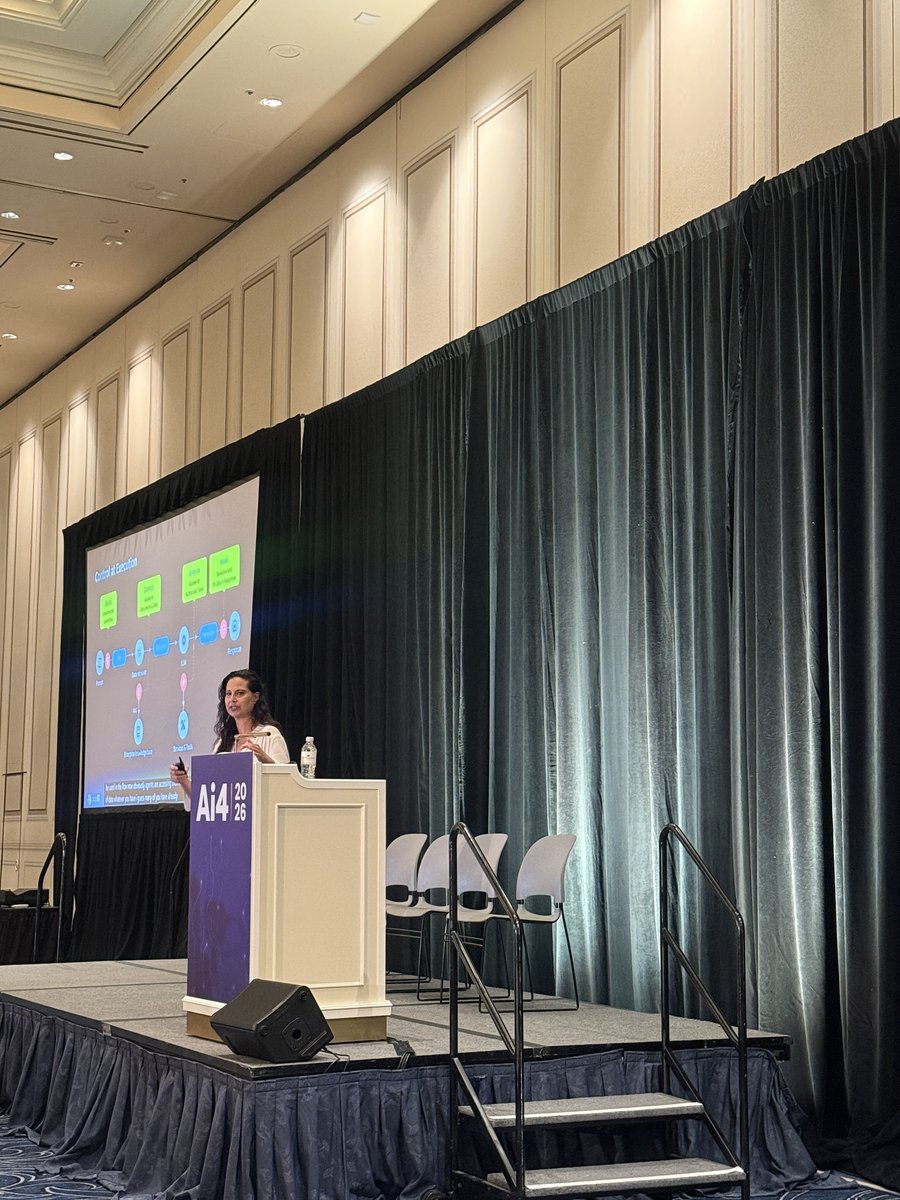
Today's your last chance to meet us at #Ai42026 and talk runtime authorization for agentic AI!
If you want to see how to control what users and agents can access, retrieve, and execute across the full flow, pop by booth #1045.
See you there!
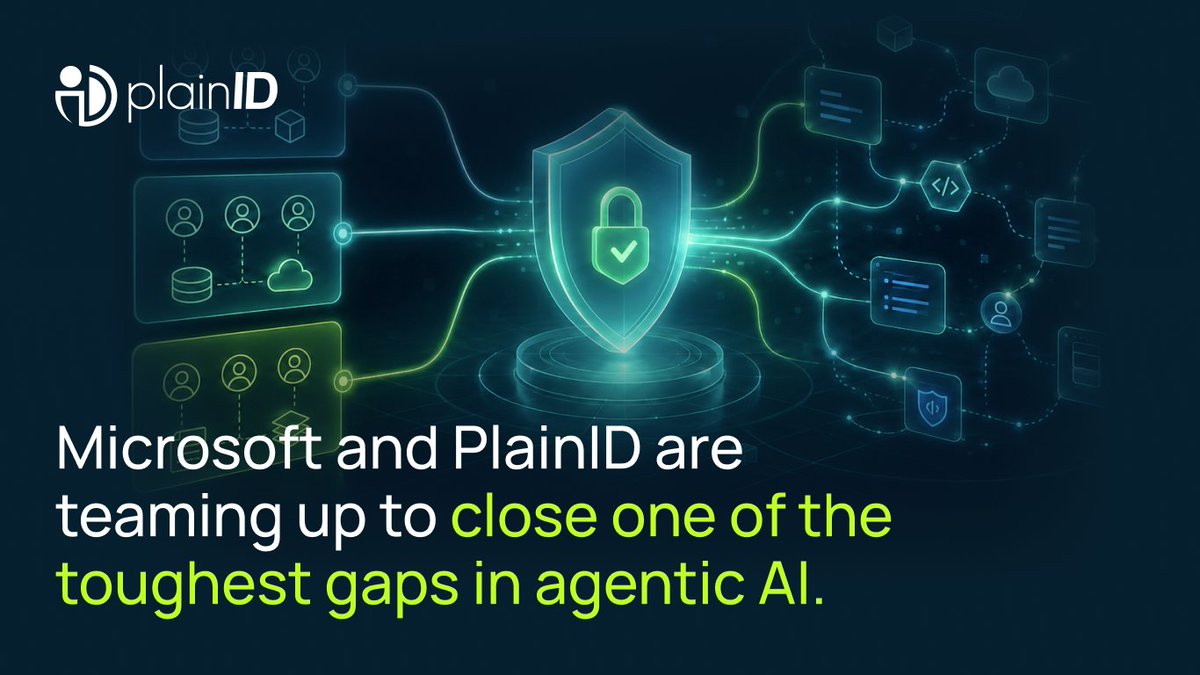
🤝 @Microsoft and PlainID are teaming up to close one of the toughest gaps in agentic AI.
Microsoft provides the identity, security, and native governance foundation for these workflows.
PlainID extends that trusted context into Runtime Authorization decisions near the tools, APIs, and data involved.
Together, we help organizations preserve policy continuity across the tools, APIs, data, and platforms involved in agentic execution.
Read more 👉 https://t.co/6sqmFGvgDR
We're at #Ai42026!
If you're on the floor at The Venetian, come find the PlainID team. We're talking runtime authorization for agentic AI, how to control what users and agents can access, retrieve, and execute across the full flow.
Bring your hardest IAM and authorization questions. We like those 👀
Find us at booth #1045 through Thursday!
Across the Fortune 500 companies, IAM job titles show how much the work has changed.
The role turned executive and specialized, and moved inside security. But no role yet owns the decision AI agents force: what an agent may do at runtime.
Full write-up 👉 https://t.co/hekTNSCaWS
If Gartner predicts that over 50% of successful cybersecurity attacks against AI agents will exploit access control issues by 2029... then that number should stop you.
If you’re deploying agents and want to do it responsibly, early access is open: https://t.co/L5ExTZsooG
AI agents aren’t malicious by design, and that's not the main risk organizations should be dealing with.
The risk is what those agents can access. If permissions are too broad, will they leak sensitive data leaks? Can you risk it?
https://t.co/YMno4barvt
The point-solution problem in agentic AI security is the SIEM consolidation story on a faster clock 👈
One tool for prompts. One for APIs. One for data. Three policy languages.
Attackers don't probe the strongest control. They probe the seam between two. https://t.co/DszLRKpxkL