We help you OWN your First Property. Easily Manage Your Ongoing Construction Projects Even From 1,000s of Kms Away with PodCity by @UjenziBora Tel: 0720578632
Scarcity of resources is not a constraint. It is an opportunity for innovation. - Alejandro Aravena
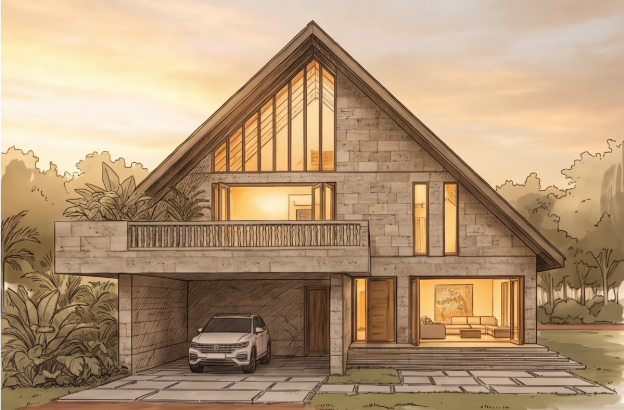
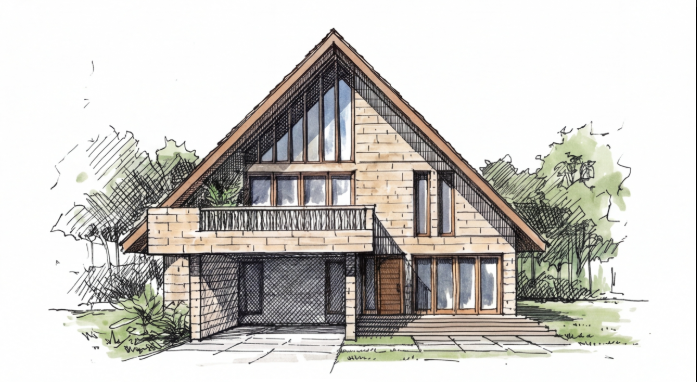
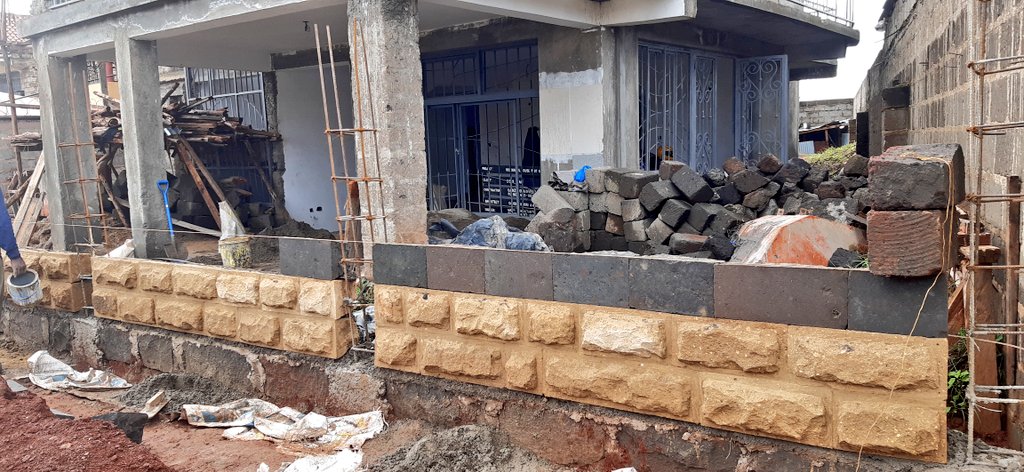
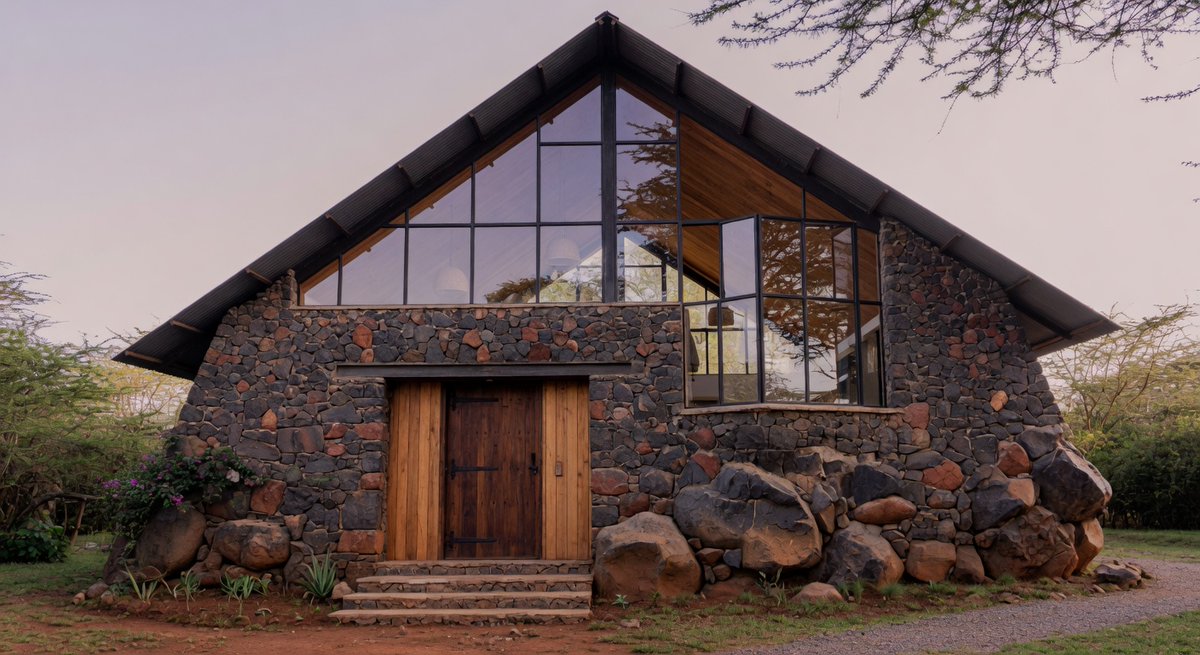
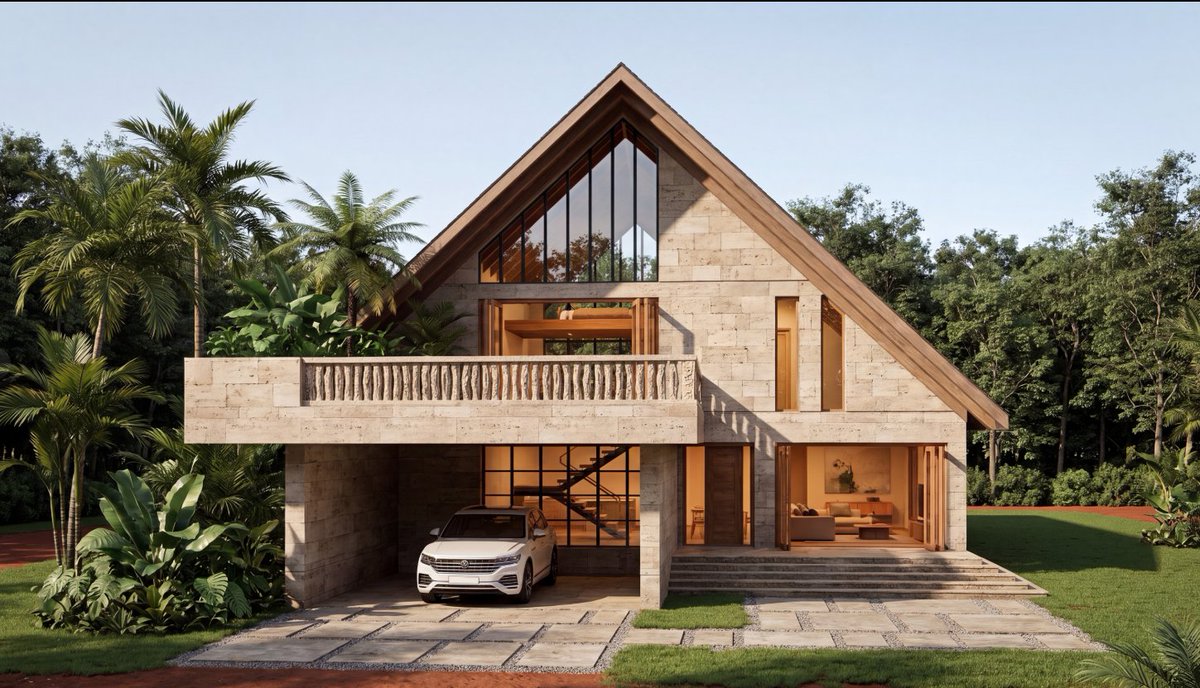
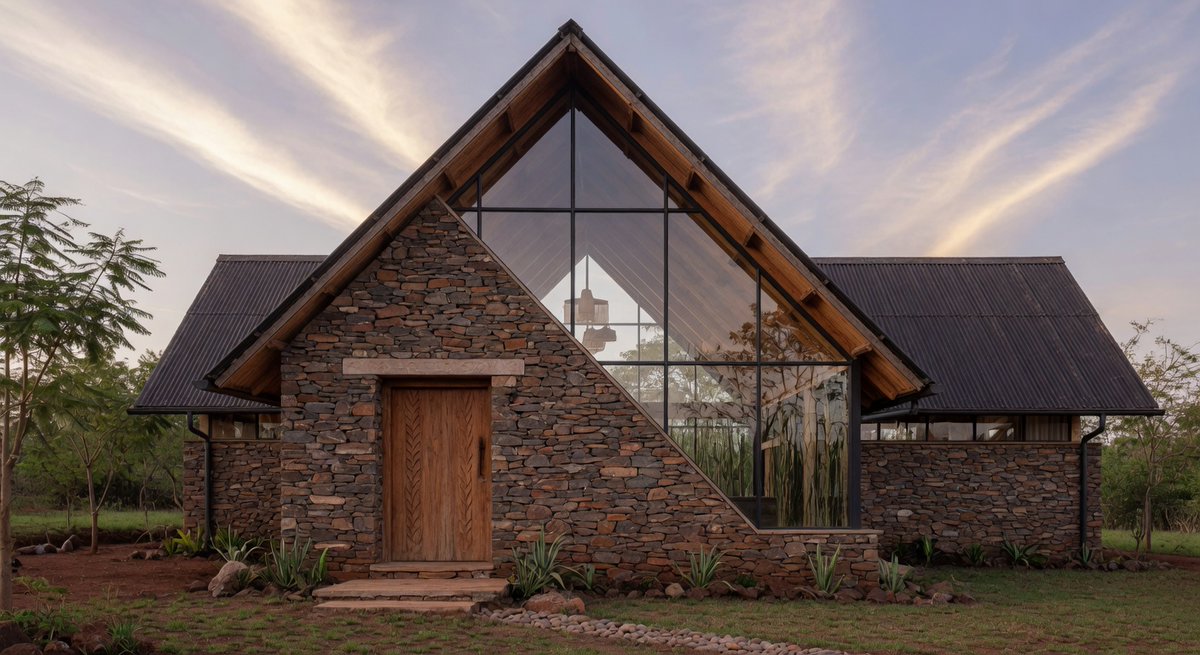
Local stone and honest concrete still beat imported finishes when the brief is durability, not display.
Most people wait until they can afford to build before they start thinking about the home they want.
That order is backwards.
PoDCity lets you choose the home first, understand the true cost, and prepare with clarity.
One platform. Real numbers. Kenyan designs.
Begin here: https://t.co/v2Fk9kDzc8
Own the Journey. Then Own the Home.
Most plots in Kenya are measured in decimals.
Yet most homeowners still treat them like they have acres to waste.
@PodCityKe lets you design homes that turn that land into daily returns like vegetables on the table, eggs from the coop, and lower long-term costs.
💼 Save productive layouts.
💰Estimate real build costs.
📆 Plan the homestead that pays you back.
🏡 Stop designing a house. Start designing a working home.
https://t.co/v2Fk9kDzc8
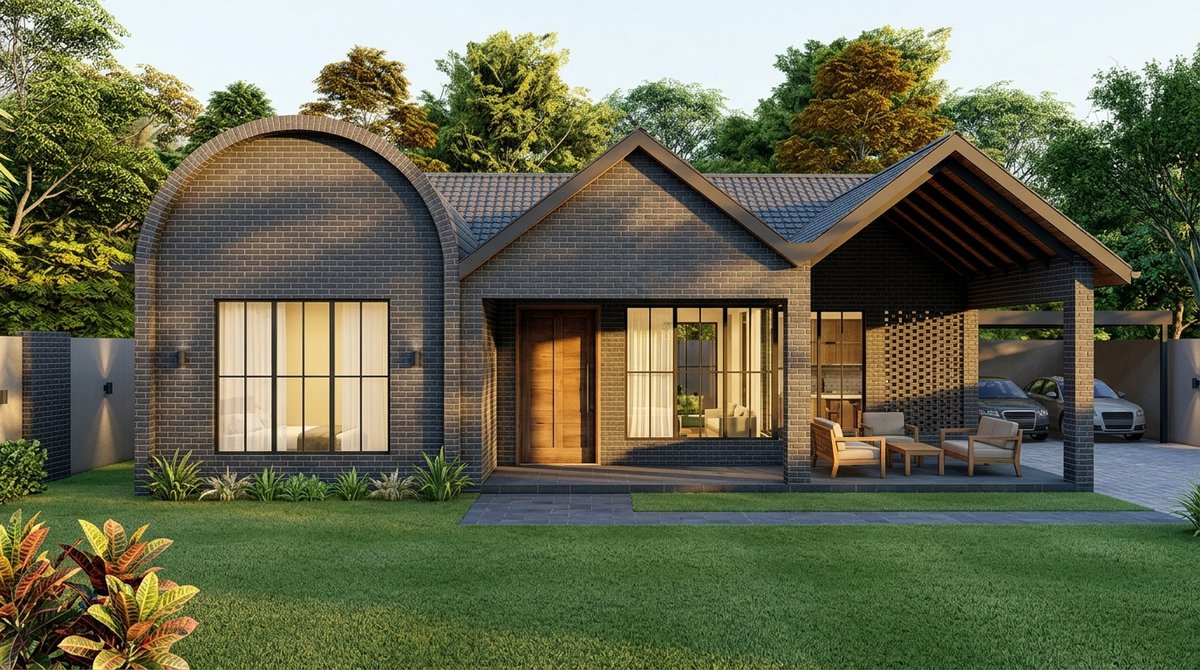
Blue shutters on charred brick speak of homes that age gracefully.
The deep veranda with timber posts offers shade and gathering space that modern boxes forget.
Design for the family that lives there, not just the photo.
Why did the African throw away his technology for Building?
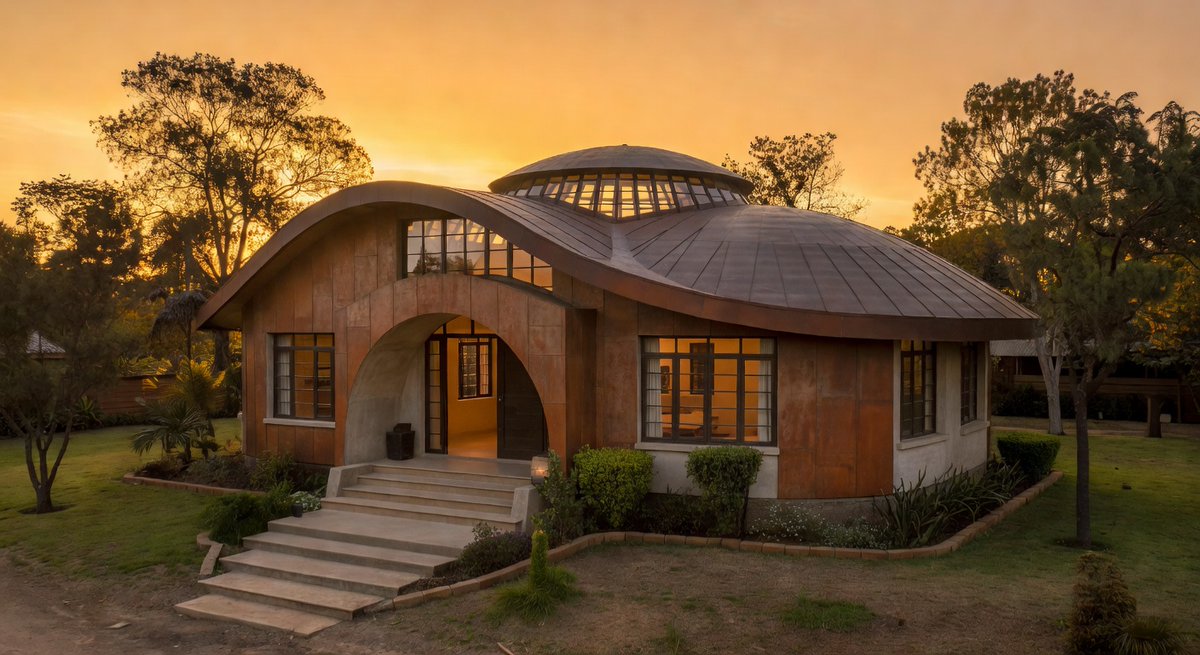
The pyramid form clad in terracotta isn't just dramatic. It captures wind and light in ways flat roofs never will.
In our climates, such shapes shed rain naturally while creating shaded verandas below.
Choose forms that work with nature, not against it.
You already know the home you want to wake up in.
PoDCity simply removes the distance between that image and a real plan.
See homes built for Kenyan light.
Understand what they cost today.
Keep every idea in one private space.
When the moment arrives, you will not be starting from zero.
https://t.co/v2Fk9kDzc8
Own the Journey. Then Own the Home.
Most people don’t fail to build because they lack money.
They fail because they start without a system.
PoDCity gives you that system.
🏡 Save beautiful home ideas.
📐 Estimate construction costs.
🗂️ Organize your building journey.
🚀 Upgrade whenever you’re ready to build.
Whether your dream home is one year away or ten years away, every journey starts with one account.
Join today.
https://t.co/v2Fk9kDzc8 @PodCityKe by @Ujenzibora
Own the Journey. Then Own the Home.
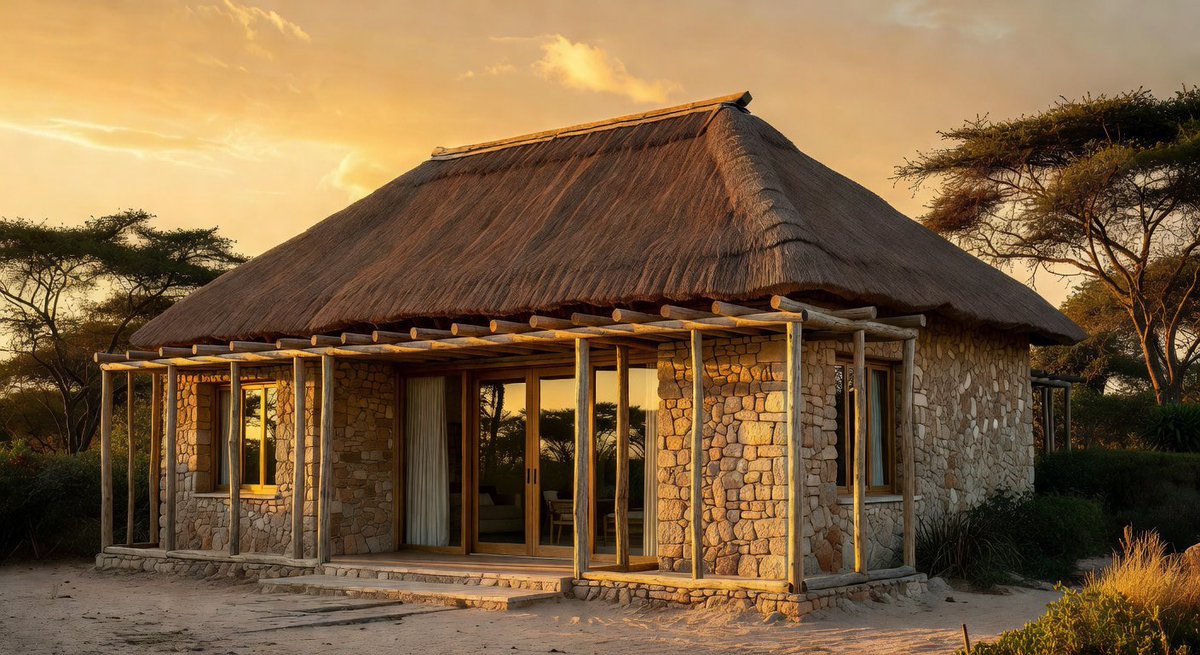
🏠 UB 020 - Vernacular
✨ KEY STYLE FEATURES:
• Utilization of locally sourced materials and traditional craftsmanship.
• Designs rooted in cultural practices and regional aesthetics.
• Passive climatic adaptations suited to local weather conditions.
• Simple construction methods passed down through generations.
💭 "Your perfect style awaits. You can find out the COST ESTIMATE?"
#PoDCityDesign #KenyanArchitecture
via @PoDCityKE by @UjenziBora https://t.co/gpZf3cMomP
🏠 UB 001 - Bungalow
✨ KEY STYLE FEATURES:
• Single-story layout prioritizing easy accessibility.
• Broad front porches or verandahs encouraging indoor-outdoor living.
• Low-pitched roofs with wide eaves for shade and shelter.
• Compact floor plans suitable for small families or retirees.
💭 "Love this style? See how much it costs!"
#PoDCityDesign #KenyanArchitecture
via @PoDCityKE by @UjenziBora https://t.co/WdEwL8Maun
A house that doesn't age gracefully isn't a home. It's a liability.
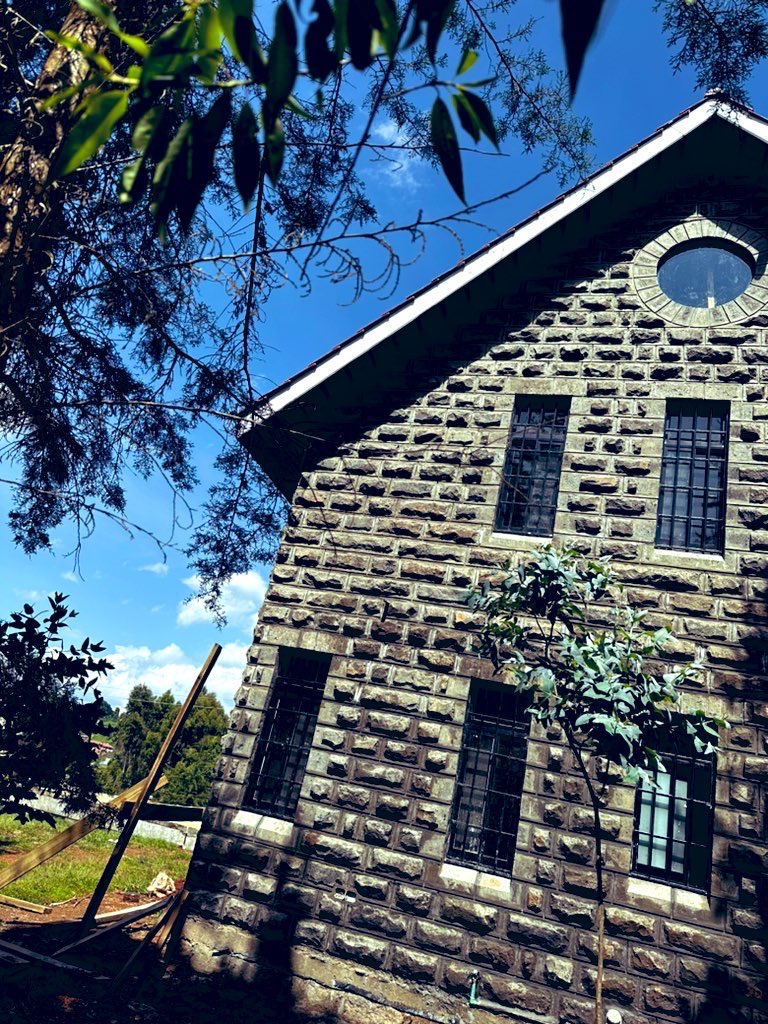
We spend so much time chasing cheap finishes that we forget: the building itself must improve with time. Red brick that weathers beautifully. Stone that holds stories. Timber that darkens with dignity.
Build something that gets better, not worse.
Kenya's older estates already cracked the code:
1. Build an extra rental unit from day one
2. Use income to ease mortgage pressure
3. Convert road-adjacent space into shops
4. Plan separate access to protect family privacy
Why do we always FORGET Kenyan hacks? And we know very well if you can survive Kenya you can overcome any other place on earth?
Intentional dual occupancy beats retrofitted stress every time.
#MjengoElimu Tip of the day: Use locally available materials.
Most Building Materials have this pattern:
1. Cost of Harvesting in Natural State (e,g. Sand, Stone, Ballast), Import or Manufacture
2. Cost of Loading to a Truck
3. Cost of Transport + Cess Charges/ Government Levies
4. Cost of Offloading
5. Cost of Storage/Security
6. Wastage on Site
Example: A stone could be Kes. 22 at the quarry in Ndarugo, transport can push its cost to Kes. 55 (Karen) to Kes. 100. (Kakamega)
A brick in Migori is 6 Bob while a block costs 80.00 to 120.00.
A brick outside Clay Works in Nairobi is Kes. 53 Bob but in Bungoma, the same brick costs Kes. 7.50. Transport is Kes. 1.5 per brick on a donkey.
Localism Works. It minimizes cost No. 3 and with the rising fuel prices, you may need to reconsider what materials go into your building.
@PodCityKe@UjenziBora
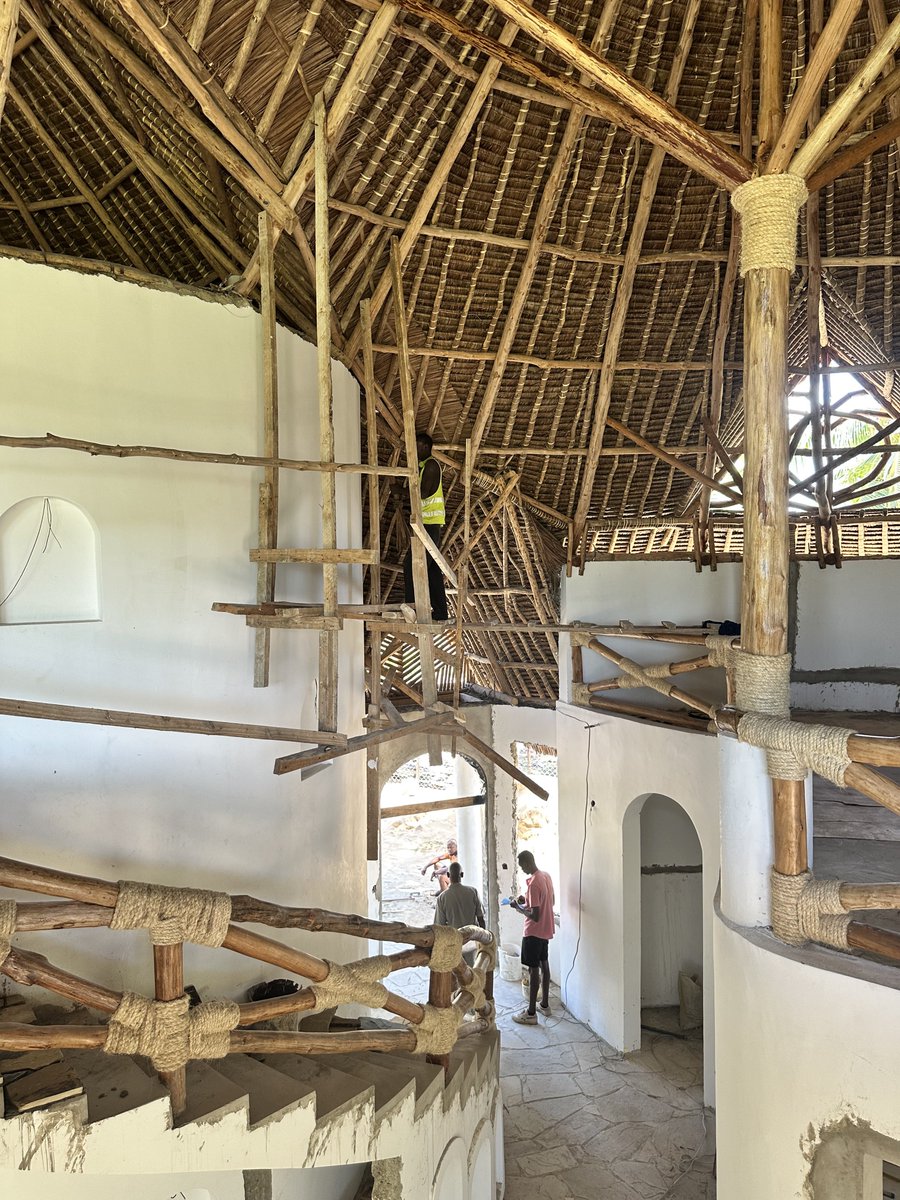
This approach begins with the ground itself.
The walls are formed from local earth mixed with straw, shaped by hand into a continuous shell that carries its own thermal mass and structural strength.
The vaulted roof, rising without interruption, channels rising heat outward while the thick earthen envelope slows the daily temperature swing of the Kenyan climate.
What if the African had not abandoned his technology for building?
We would be having Advanced Maasai Architecture.
Listen to this wisdom:
Walling
The cave man noticed after threshing corn that straw mixed with earth makes big lumps which hold together. The earth molecules do not hold together enough so we have to have a stabilising factor. The straw mixed with mud at harvest time showed man how to make mud bricks, Adobe, to build walls.
Roofing
When he came to the problem of roofing primitive man used timber or other materials. But timber was not always at hand.
In Iran, Egypt, Libya and Tunisia they found a solution. If you build a boat, every ring is pulling on the other, and it is working entirely under tension. There is no compression or it would crumble. If you reverse this upwards it will be working entirely under compression. Mud brick can take compression but not tension.
They invented a system to build roofs with just bricks end to end, leaning the vertical a little against an end wall so that the brick is on an incline plane.
The sticking power is the weight of the brick multiplied by the cosign of the angle divided by the area of the brick. They found that they had to have very light adobe bricks, 25 cm by 15 cm and only 5 cm thick.
- Hassan Fathy, #MjengoElimu
We are bringing back this style of building. The greatest mistake the African did was to reject his own technology for building.
🏛️ Pattern #236: WINDOWS WHICH OPEN WIDE
❓ THE CHALLENGE:
Casement or sliding windows limit ventilation and connection to outside.
💡 THE SOLUTION:
Use casement windows that open fully (90–180°) or floor-to-ceiling French doors so rooms can become completely open to air and view.
📖 THE INSIGHT:
Repeated for emphasis — full opening is vital in tropics.
🏗️ WHEN TO USE:
Repeated because of climate necessity.
🔗 Related Patterns: #192, #221
---
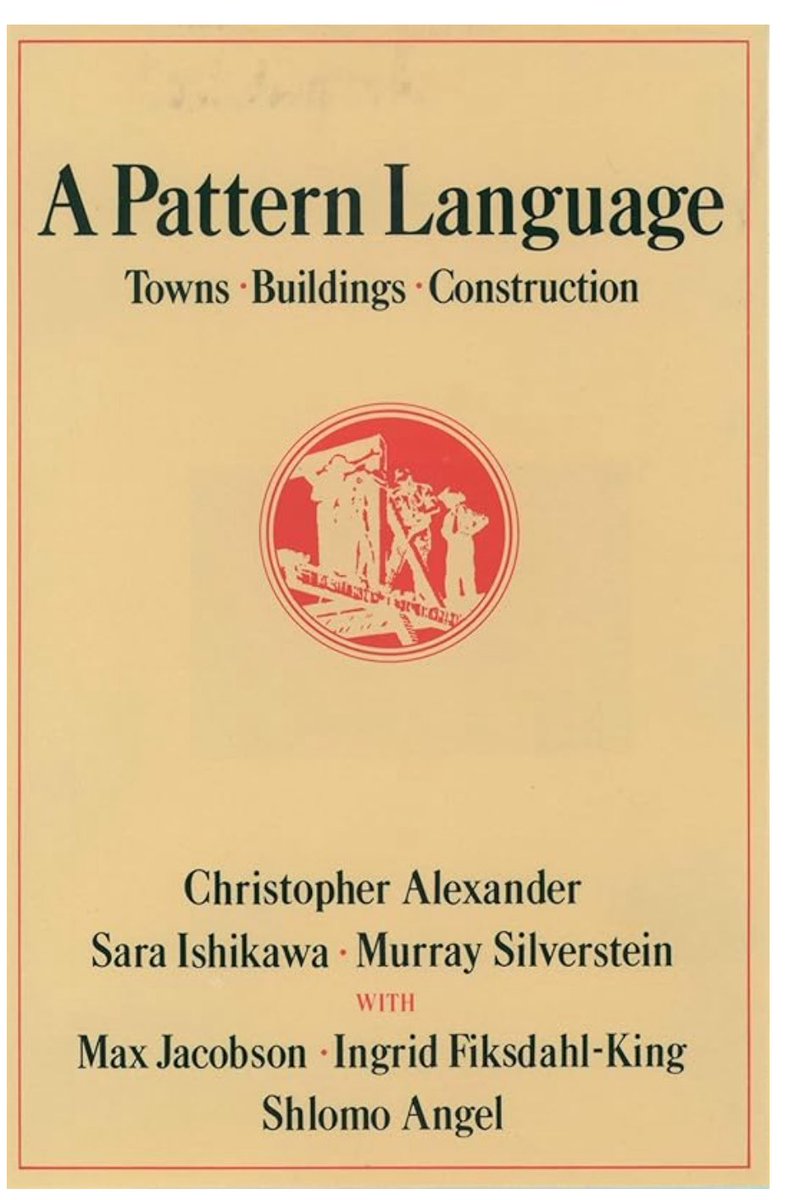
📚 From "A Pattern Language" by Christopher Alexander (1977)
Pattern 236 of 253 timeless design patterns
#PatternLanguage #Architecture #DesignWisdom #Construction
The great Architect Hassan Fathy taught us a principle which we have forgotten.
He said we should build from what is beneath our feet.
If you plant the tree now, you can use it for the roof and columns and entrance transition in less than 10 years.
Grass can grow easily
And rock is still abundant.
But the African has this curse, he has anti-bodies that, “rejects his own technology for ownership.”
Good morning #MjengoElimu