@foundmyfitness And if you use the median of that range, and assume high sleep efficiency numbers (i.e., strong, healthy sleepers), the amount of time needed to be in bed to obtain that median essential amount of sleep looks like this, as best I can tell.
demographic landslide defining our era is gaining speed & terrain. In > two-thirds world’s 195 countries average number of children born to each woman has fallen below the “replacement rate” of 2.1 that keeps populations stable without immigration.
https://t.co/zPMpbmfdz8
Coffee snobs have a new rival: chemistry.
Passing an electric current through a cup of black coffee could give a fast, reliable read on its strength and roast level, according to a new study.
Learn more: https://t.co/M6RYaUd8O6 @NewsfromScience
Physiological influences on neurovascular coupling: A systematic review of multimodal imaging approaches and recommendations for future study designs is a Top Viewed Article for @ExpPhysiol@uofcknes
Read it here https://t.co/sEkHbns1Cf
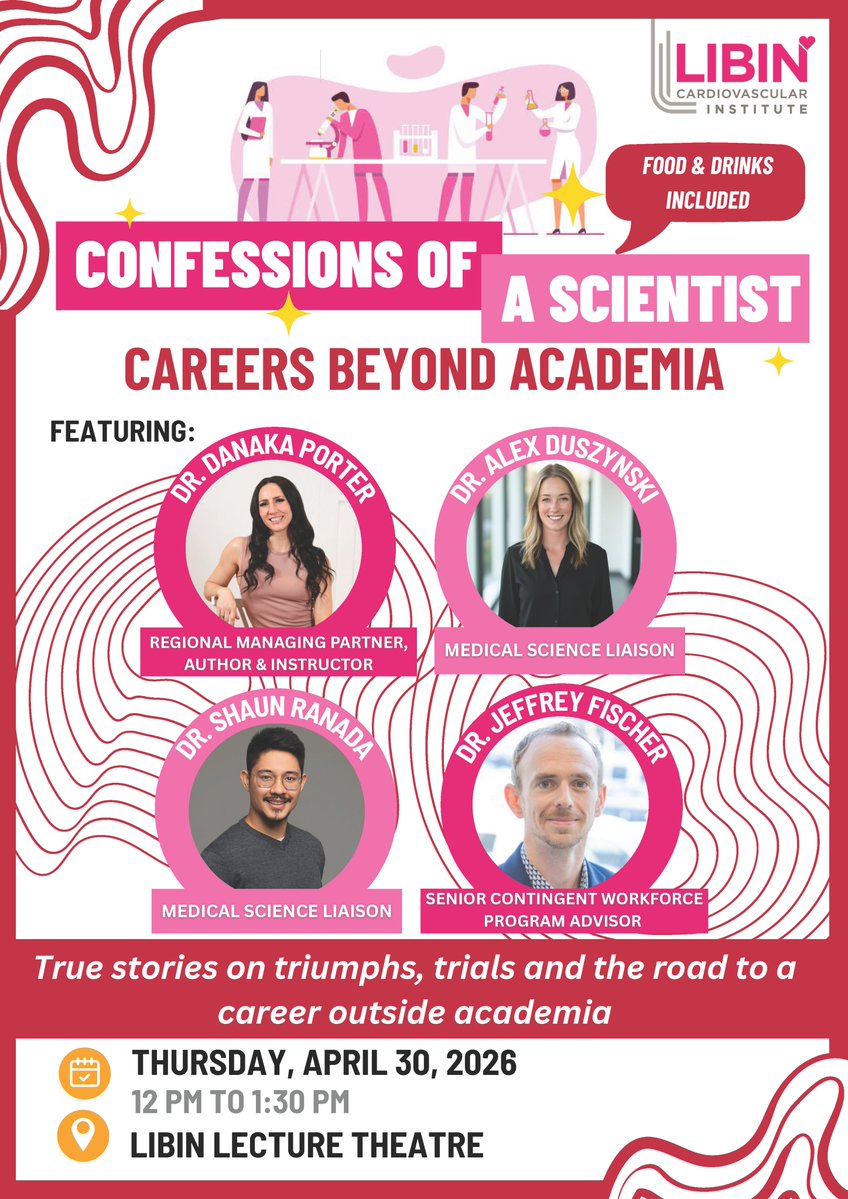
Join us on April 30, 2026 from 12-1:30pm for Confessions of a Scientist, where speakers share their diverse career journeys and insights into opportunities beyond traditional academic paths.
Learn more: https://t.co/nzGUHpJnjj
Congratulations to PhD trainee Connor Snow, recipient of the 2026 Libin Cardiovascular Institute/Women’s Cardiovascular Health Initiative Graduate Trainee Research Award! 👏
@PunMatiram is our first speaker this Thursday.
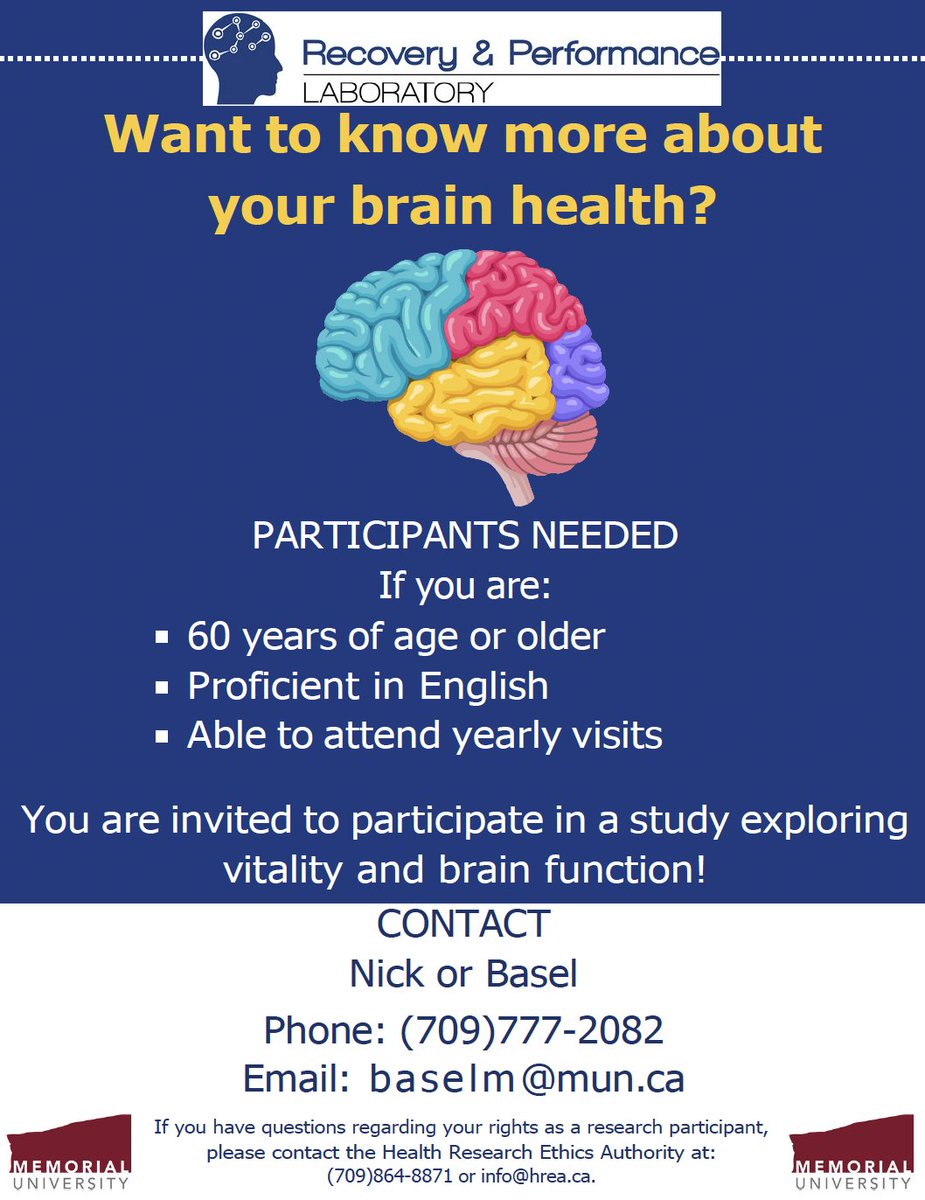
To participate, kindly sign up here: https://t.co/p7syW8xofa
To stay updated on our webinars, events, and more, subscribe to our mailing list here: https://t.co/Oa9dLowy1h
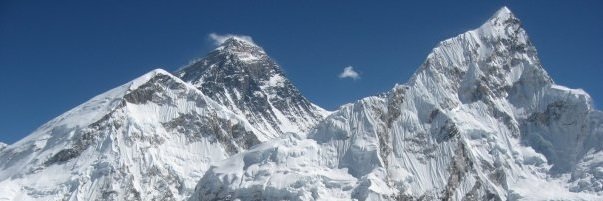
#SleepApnea#HighAltitude#UCalgary
Sex differences in cerebrovascular function across an aerobic exercise intervention in older adults using MRI: Results from the Brain in Motion study #brain#agin#exercise
https://t.co/U11JbFZkAW
Should athletes supplement with antioxidants?
A new position stand from the International Society of Sports Nutrition (ISSN) makes a key point. Training works through an inverted-U curve.
Too little stress → weak stimulus, weak adaptation
Just enough stress → your body adapts (mitochondria, antioxidant defenses, resilience)
Too much stress → fatigue, inflammation, slower recovery, higher illness risk
ROS (reactive oxygen species) are part of that “just enough” zone. If you constantly hammer high-dose antioxidant supplements, you might flatten the curve and blunt some training adaptations (especially if you’re popping big doses daily and after every training session).
Their key recommendations:
• Food-first antioxidants (berries, cherries, colorful plants) are your baseline.
• Supplements aren’t for everyday—they’re best for deficiency/gaps or high-stress blocks (peak weeks, doubles, travel, heat/altitude, back-to-back races or competition).
• If you do supplement, be targeted + time-limited (recover now, adapt later).
A few options have the best overall support in athletes: tart cherry, omega-3s, astaxanthin (and creatine as a top-tier performance supplement with potential antioxidant/anti-inflammatory benefits).
@jaybjackson@GarminFitness Most high level runners rarely do "HIIT" workouts (we do not call our workouts "HIIT"). If a running coach says that word, run away. They are not fluent in running!
"In marathon runners, a low training volume (<40 km/wk) was related to a slower finish time and a high training volume (>65 km/wk) to a faster finish time."
It's not rocket science. But it's still difficult to run a lot. https://t.co/mJGqsbAMEp
Check out Dr. Jacquie Baker's new paper titled "Elevating blood pressure in neurogenic orthostatic hypotension: Investigating the efficacy and tolerability of rebreathing therapy" published in Autonomic Neuroscience!
https://t.co/xdWQImxygg
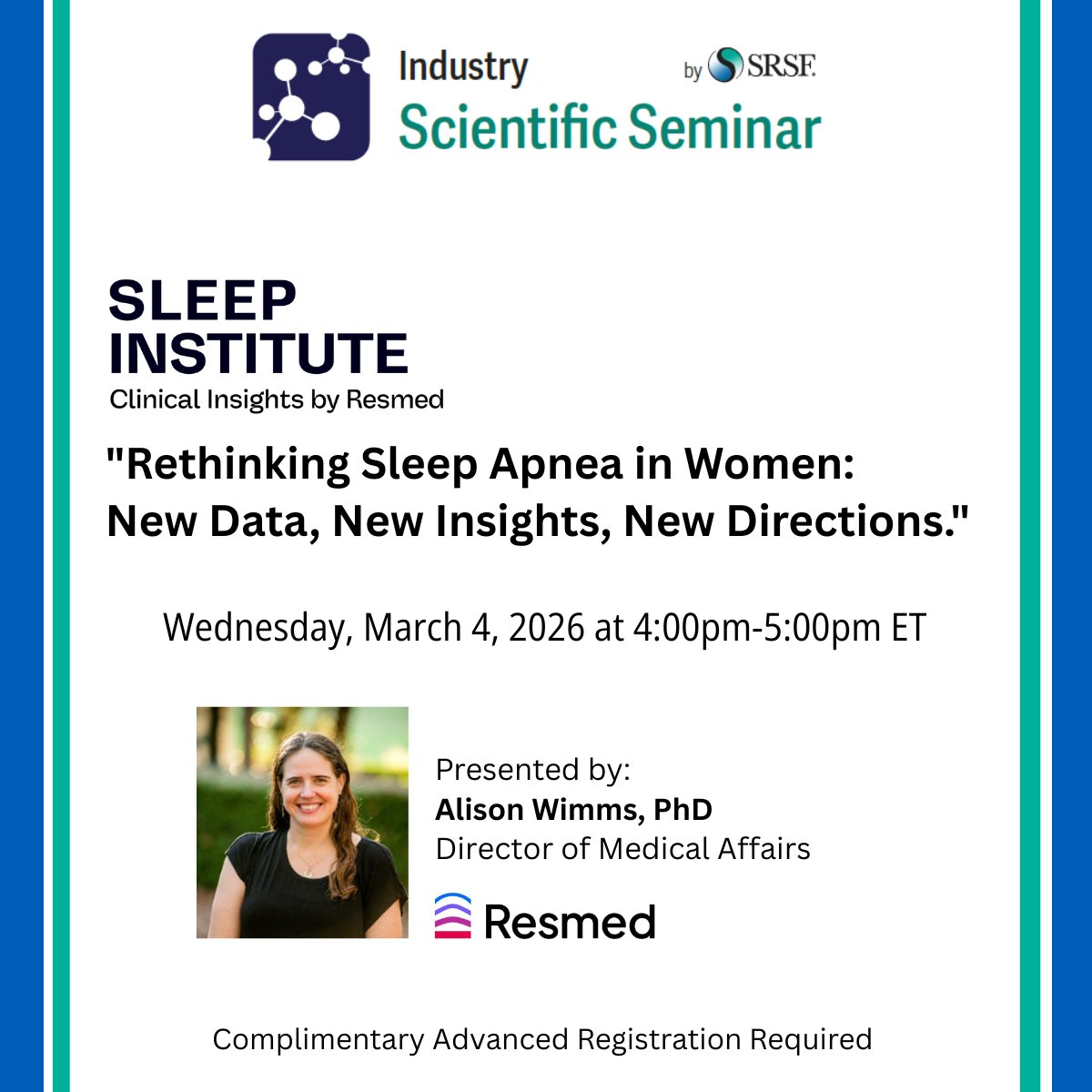
Join us at the SRS Foundation hosts a complimentary educational webinar!
Sharing data from new large-scale population studies, this talk will take a deeper dive into what female OSA patients look like, including emerging phenotypes and endotypes. Dr. Alison Wimms, Director of Medical Affairs at Resmed, will discuss recent research linking sleep disruption in women to rising rates of cardiovascular disease, cognitive decline, and metabolic disorders, and outline the pathways that may be contributing to these long-term health risks.
Advanced registration is required - https://t.co/DDZFyjRGuN
#OSAWomen #SleepHealth #CardiovascularResearch #WomenInMedicine #SleepDisorders #resmed #SRSFoundation
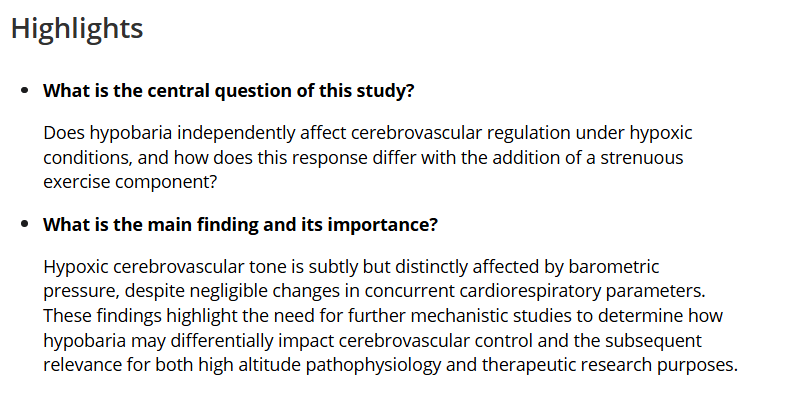
Great to start the week with a publication from our @EuracMEMed team, adding a cerebral context to the ongoing #normobaric vs #hypobaric#hypoxia debate, all data collected in our very own @terraXcube 🚵♂️⛰️ https://t.co/6G4YueczVv
A comparison of normobaric and hypobaric hypoxia effects on cerebrovascular response pre and post maximal exercise by @talkingthinair and team @EURAC
https://t.co/JgPAmXaV5g