An interesting thing is happening in Python land the last few years.
Many developers are running Rust 🦀 every day.
You might not realize it, but:
- You run Ruff / uv / ty -> Rust
- You use Polars or Pydantic -> Rust
- You swap out pre-commit by Prek and/or use just -> Rust
New exercise track 🎉
#unix classics: wc, head, grep, cut, sort, sed ...
up to a top_words capstone:
`tr -s ' ' '\n' < file | sort | uniq -c | sort -rn | head`
Taught from #Python. 🐍
You rebuild them in #Rust. 🦀
We all love Unix tools, right? They're quite easy to emulate in Python, but how would you build them in #Rust? 🦀
Enter the new Unix tools track: 10 bites reimplementing wc, grep, cut, sort, uniq and friends.
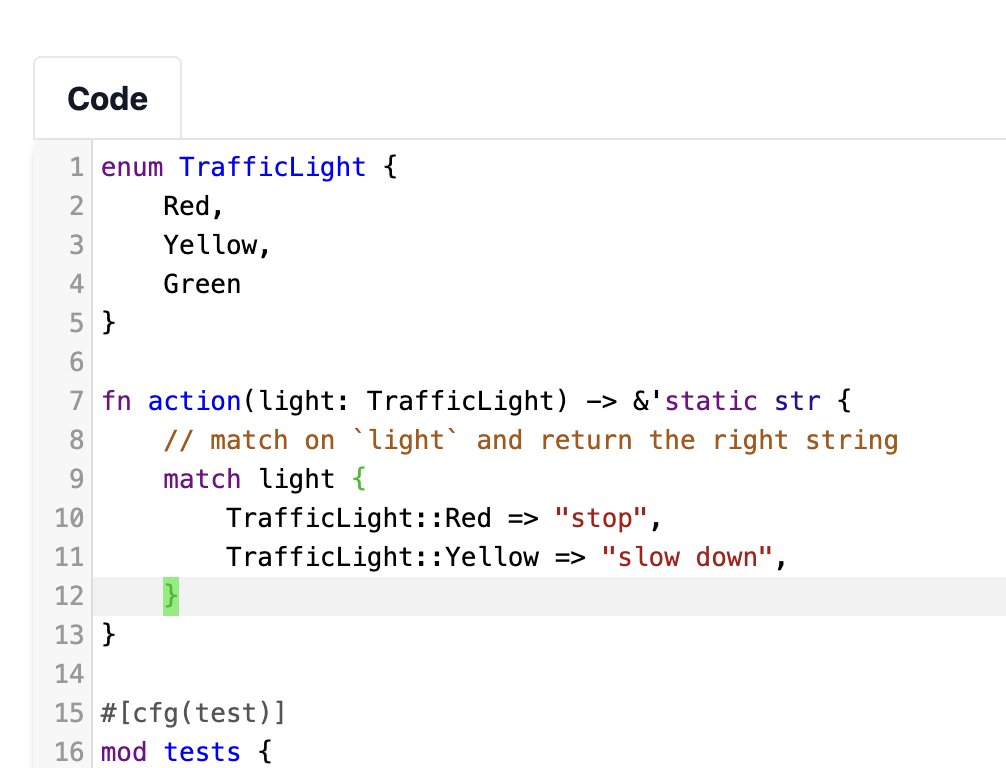
Give them a go and practice writing idiomatic Rust with iterators. 🚀
Nice feedback from somebody going through our #rust exercises:
> I started with the Rust Platform - exercises and really enjoy the comparison made with Python at each one of them! It allows to appreciate both languages in one go. Plus I love the reference made in some of them to docs (Rust Programming Language)!
Join us here: https://t.co/3oz1otPUkU
But also code the Bites, you'll be forced to figure things out yourself (increasingly important now with agents writing most code!), and then look for more idiomatic ways to do things 📈
Start with the 15 intro ones: https://t.co/TusE5JfaY0
Need to learn more of Rust's built-in helpers :) - me writing `parse_with_optional_sign` helper for a Bite that peeked at the first char, stripped a leading `+`/`-`, parsed the rest, and re-applied the sign. Of course that's well covered by the std lib!
Nice I could 'forget' my #rust bites after months of creating them, and have some nice *deliberate practice* today 🦀🎉
Jut finished: https://t.co/Gt54SfK4oA
Some more good #rust learning today, wrapping up the intro Bites 🦀
Especially tokenizer + parser (10 and 15) will throw a curve ball here and there, and they form a nice (simplified) sneak preview of things we have you build in our JSON parser cohort. 💪