@ulfcytel Isn't it a universal manifestation of the same deities across different cultures and understanding? Summer, Babylon, Egypt, India, Avesta, Greece, Rome...
Milan 🇮🇹:
An Italian guy risked his life to save 30-year-old Polish model Anna Aksamit from a group of North African immigrants who beat her and tried to rape her.
Her words:
“Surrounded and beaten, they were about to rape me. A guy saved me. I want to meet him. I spent the whole night crying and I can’t stop. I was so scared, and every time I look in the mirror I see my eye still swelling from the punches. Those were horrifying moments. It’s something I’ll probably never forget.”
When will we finally wake up and start deporting them all?
"I, who have met with many of these [atheists] people, would declare this to you, that not a single man who from his youth has adopted this opinion, that the Gods have no existence, has ever yet continued till old age constant in the same view"
- Plato, Laws X
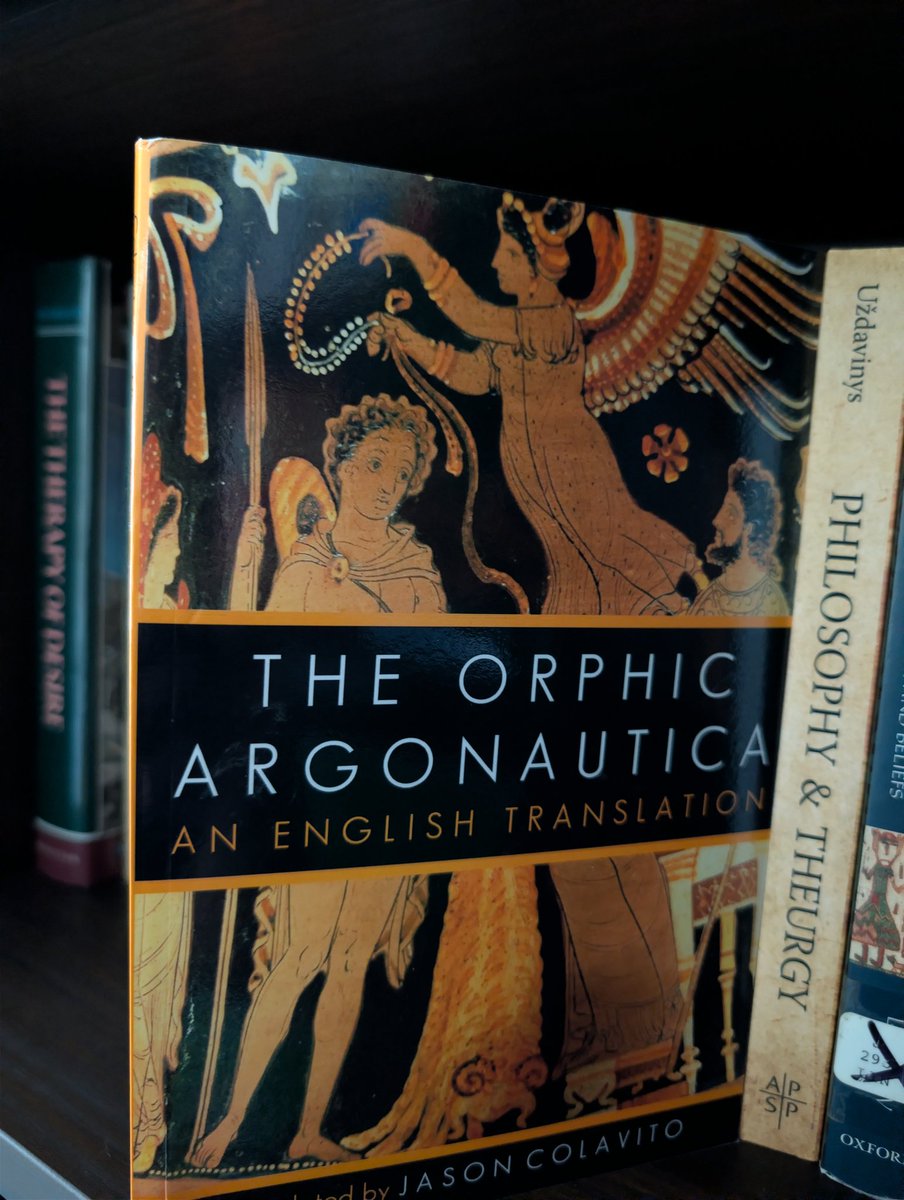
The Orphic Argonautica
The poem is found in manuscripts either on its own or together with the Orphic Hymns and other hymns such as the Homeric Hymns and those of Proclus and Callimachus. The poem was lost, but in the fifteenth century it was found and copied in a manuscript.
Constellation Myths: With Aratus's 'Phaenomena' is a collection of ancient Greek and Roman myths explaining the origins of constellations, primarily drawing from Eratosthenes' lost handbook and Hyginus's Poetic Astronomy, alongside Aratus's poem Phaenomena.
Karen showed some Bruce Lee style moves and just like that, it was time to end the fury..
Never bring your Karen to A water cannon fight..
Cool down Karen!! 🫵😆
Great Initiates #12 - John Dee
John Dee was a master of both worlds, the brilliant mathematician who drew the map of the British Empire and a daring occultist who charted the realms of angels, remaining the ultimate symbol of the Renaissance quest for universal knowledge.
🧵
Hidden gem of a book about an interesting topic.
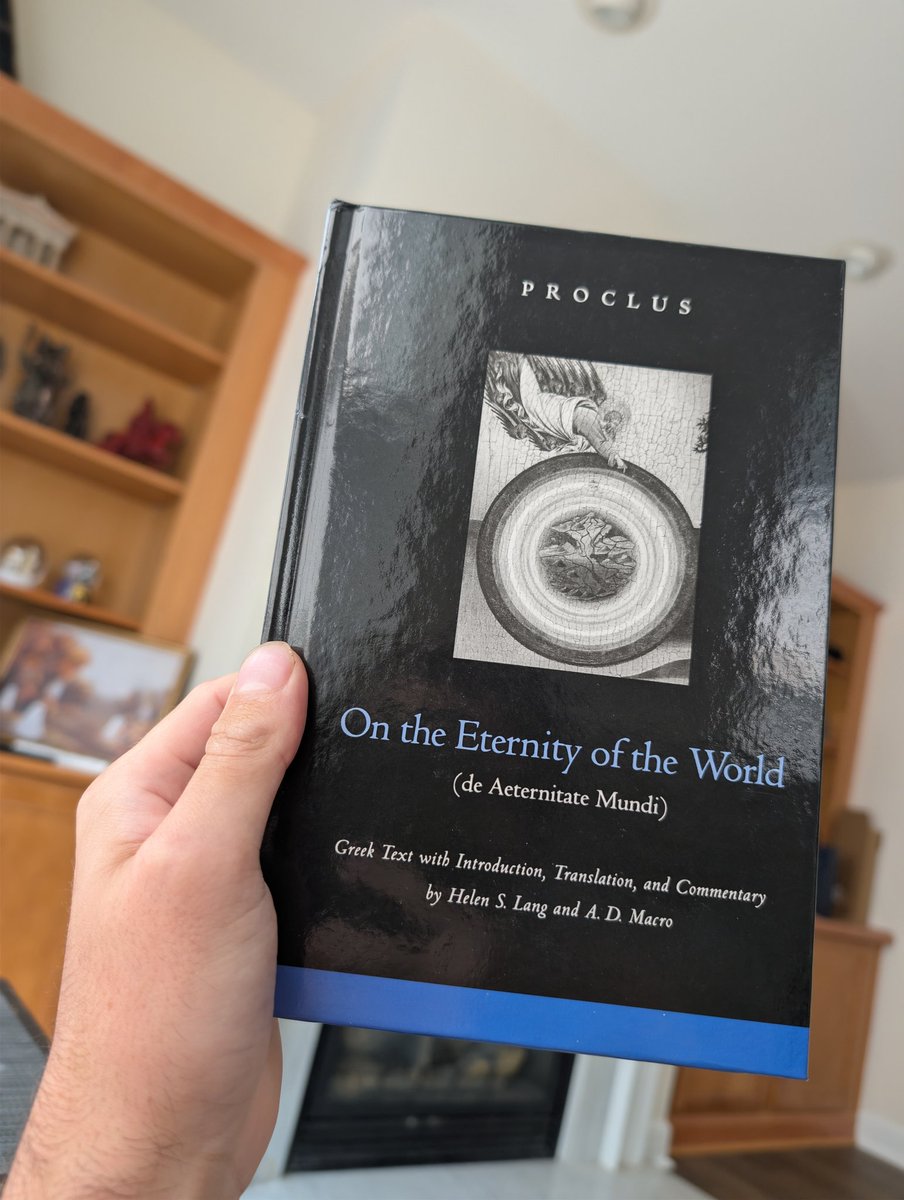
Proclus, a Pagan Neo-Platonist had a debate amongst his Christian student Philoponus who advocated for the "Creatio ex nihilo"-Christianity theology.
Proclus rejected this/believed as a Platonist that the "universe was eternal"
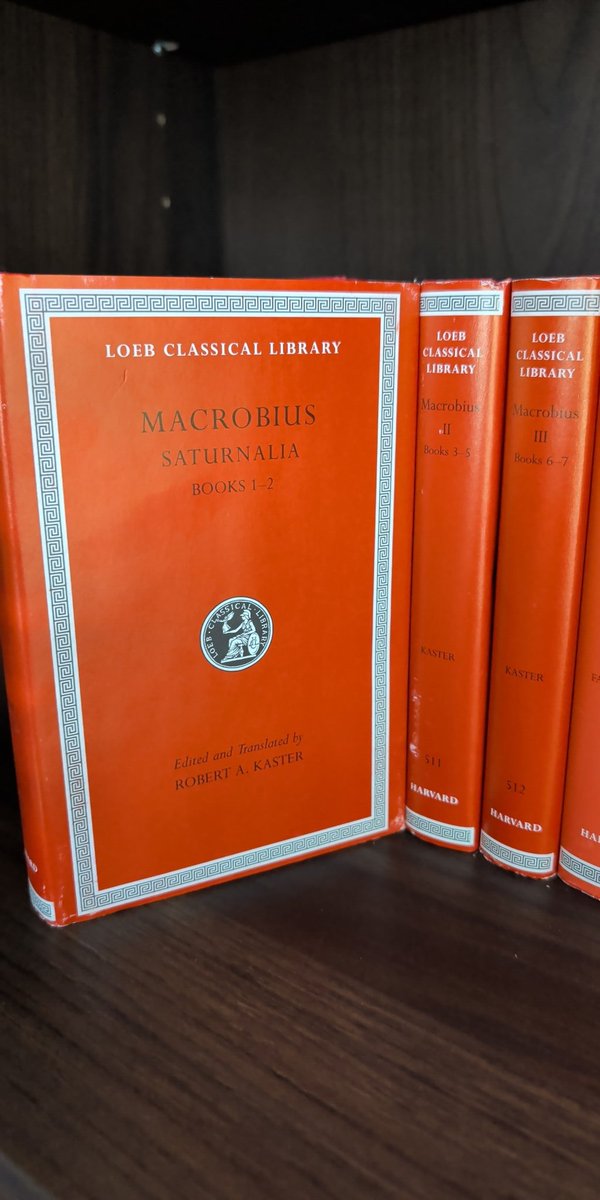
Macrobius, Neo-Platonist wrote, "Saturnalia" and "Commentary on the Dream of Scipio"
These are often missed by Neo-Platonists and not talked about. Both are considered very important for Neoplatonism in the Latin West and deserve a read.


![ThaddeusPapist's tweet photo. "I, who have met with many of these [atheists] people, would declare this to you, that not a single man who from his youth has adopted this opinion, that the Gods have no existence, has ever yet continued till old age constant in the same view"
- Plato, Laws X https://t.co/uVm0TB1cXn](https://pbs.twimg.com/media/HKH4RqcWMAApJY4.jpg)