A key task for leaders of change is to plan for emergence.
This sounds contradictory. Emergence, by definition, cannot be fully predicted or designed in advance. However, planning for emergence is not the same as planning the outcome. It means deliberately creating the conditions, structures & relationships from which new, better ways of doing things can arise.
In big complex systems like health & care, genuinely new ways of working do not typically arrive through detailed plans cascaded from the top/centre. They arise through the depth & strength of relationships between people working toward shared intent.
This has big implications for how we approach improvement & transformation. Interactions alone are not enough. It is the QUALITY of relationships that determines whether those interactions generate something genuinely new, or simply reproduce existing patterns. Strong, trusting, reciprocal relationships create the conditions for new ideas to surface, be tested & take hold.
This reframes what we need to prioritise as leaders of change. We typically invest heavily in frameworks, methodologies & governance structures. We invest far less in the relational infrastructure that makes these elements work. Yet evidence from effective change practice shows that relationships are not the soft backdrop to change. They ARE the mechanism.
How we can build a “relational infrastructure for change”:
1) Audit the “relational health” of our systems: not just stakeholder maps, but actual levels of trust, psychological safety & reciprocity across boundaries
2) Design for connection before content: create conditions for people to build relationships before asking them to problem solve together
3) Invest in boundary-spanning roles & practices: connect across organisational, professional & community divisions
4) Slow down to speed up: time spent deepening relational understanding generates faster & more durable change
5) Treat relational breakdown as a system signal: when collaboration stalls, diagnose the relational dynamics, not just the technical problem
6) Build leadership capability in relational practice (“soft skills”): deep listening, holding space for difference & facilitating genuine dialogue are core change competencies, not peripheral ones
7) Create forums designed to strengthen cross-system relationships: not just share information or report progress
8) Measure relational quality as a leading indicator of change capacity alongside traditional delivery metrics
This approach to change is not a rejection of rigour or accountability. It’s a more sophisticated understanding of how change actually works in big, complex systems.
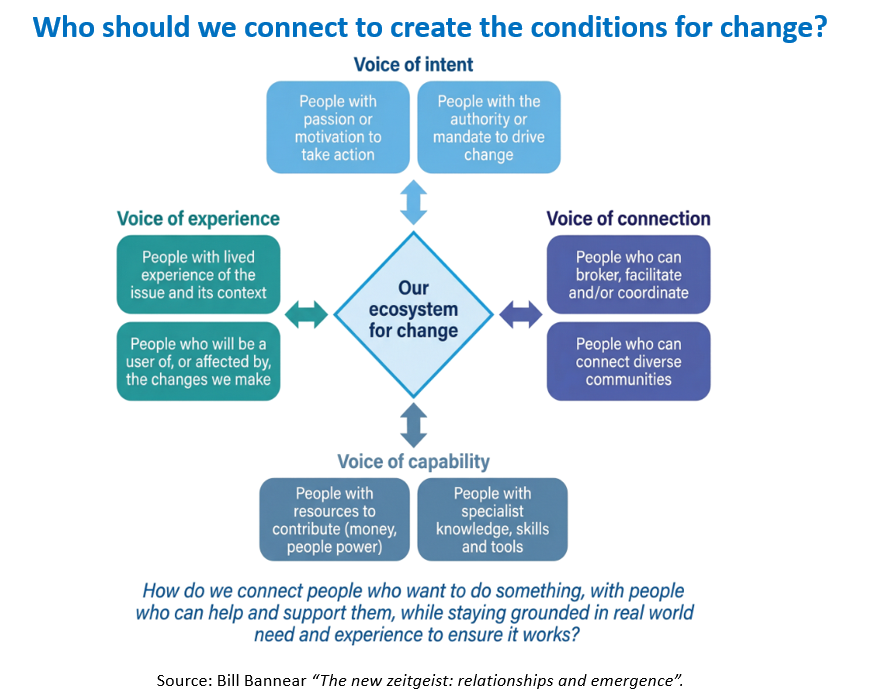
A tool I use it often in my own change practice (& share with others) is the “voices” model by Bill Bannear. It helps us reorient the work of change from designing the right plan to cultivating the right conditions: https://t.co/CL8n05oUZY
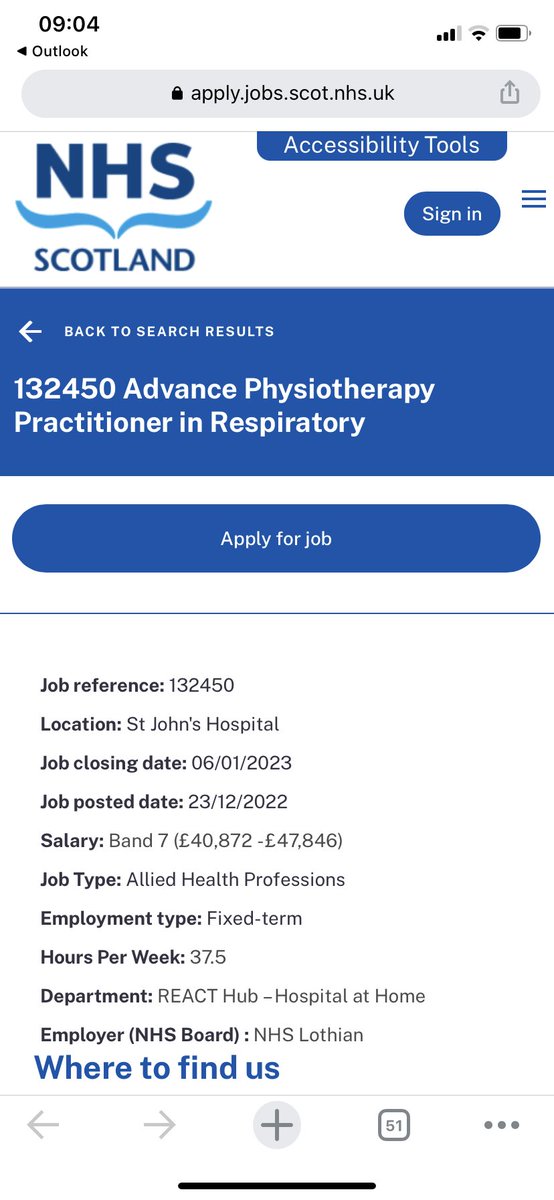
Are you ready for a new horizon?
Come and join a dynamic and innovative team in West Lothian!
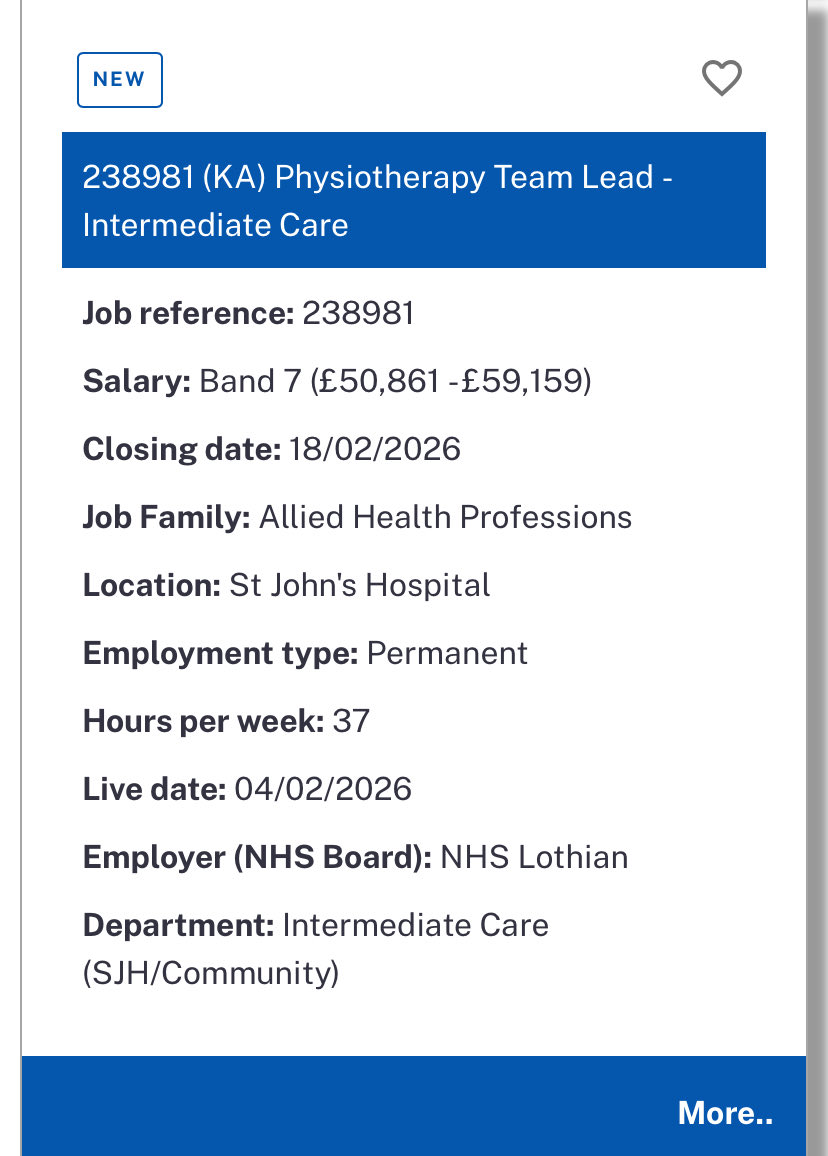
We are excited to offer an opportunity -Band 7 Physiotherapist.
•Flexible working options. Supportive , forward thinking.@NHS_Lothian@NHSTayside@NHSForthValley@thecsp@CSPScot
Are you ready for a new horizon?
Come and join a dynamic and innovative team in West Lothian!
We are excited to offer an opportunity for a Band 7 Physiotherapist.
•Flexible working options
•Secondment opportunities welcome
•Supportive, forward-thinking.
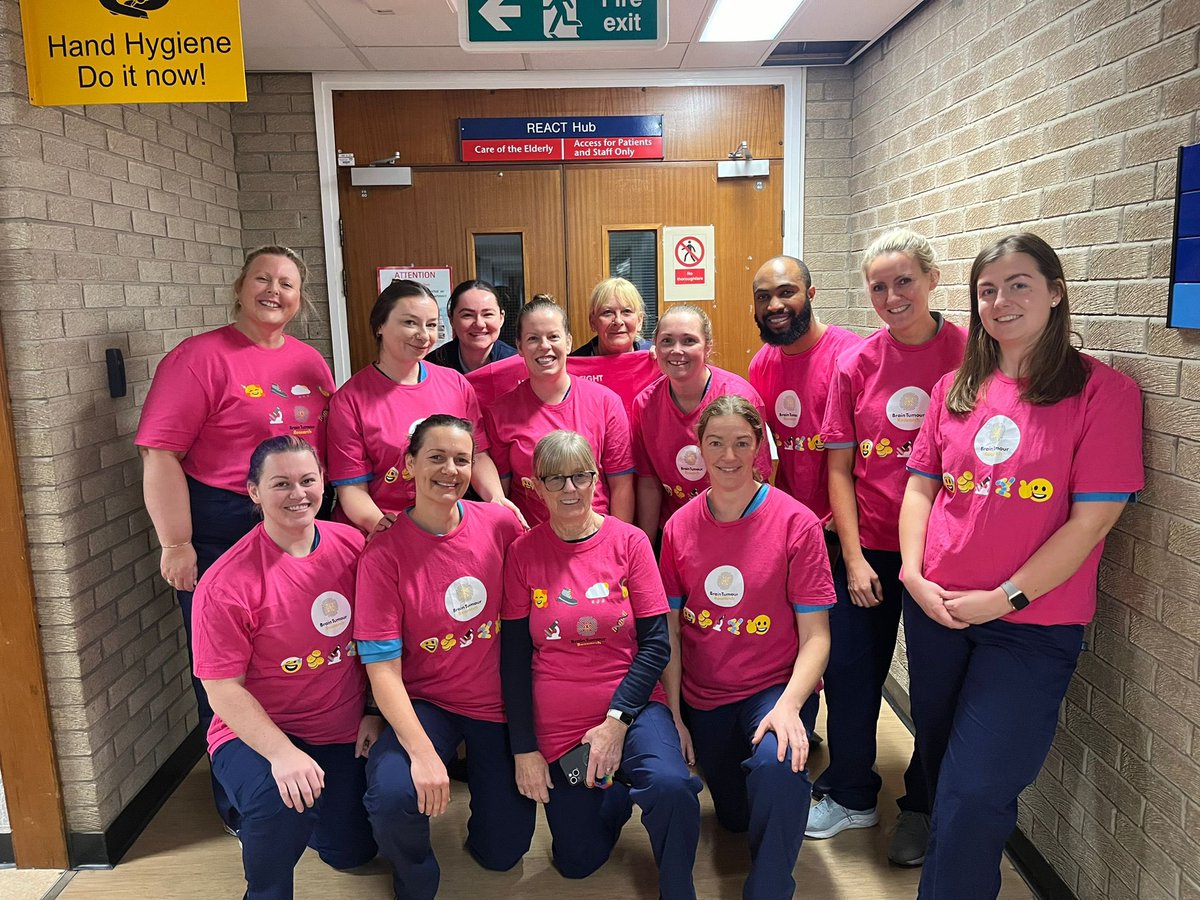
REACT have been busy keeping active and raising money for @braintumourrsch
Everyone has mad a massive effort and completed #99milesinnovember. If anyone else would like to donate please follow the link: https://t.co/FBqojhIM9R
Why do we uphold Comprehensive Geriatric Assessment? It reduces mortality, improves independence , reduces hospital admissions and can even reverse the progression of frailty. CGA is the way! https://t.co/ezEVDdimVc #BGSconf
REACT Team
# Delivering Joy to our local community#
Took part in the Dunelm delivering joy campaign.
Helped to Deliver Joy this Christmas by giving a gift to someone in our local community.
Hello Everyone.
As we go into the festive period, REACT D2A are available over the bank holiday period. Do consider us as your first choice if you are considering supported discharges home with AHP input over this period.Ring : 07791403455. @WestLothianHSCP@LothianSjh
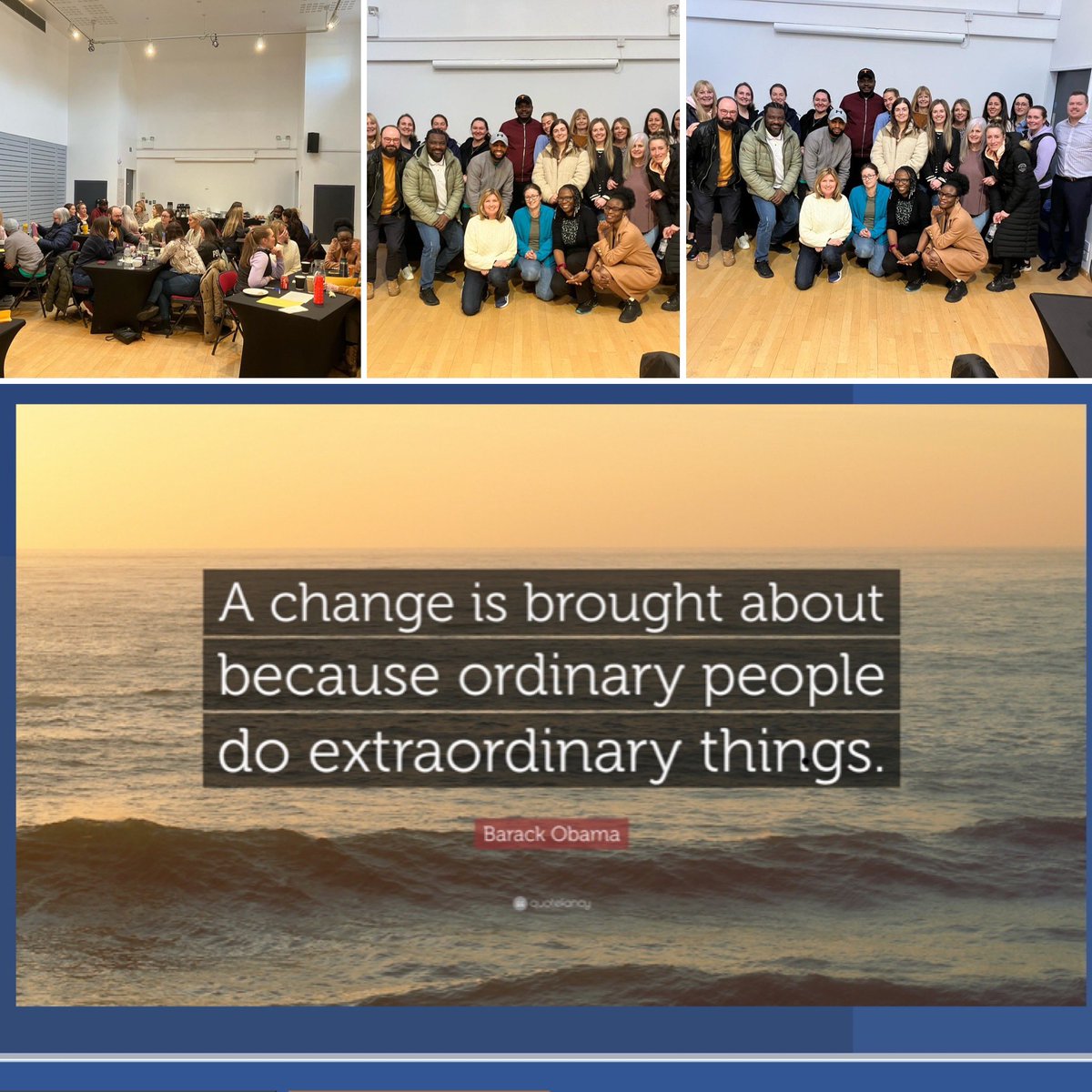
Staff development day .
REACT AHP - D2A,REHAB &CRABIS!!!
AHP’s Connecting!!
What a productive day ! Lots of ideas to take forward. Thank you@ OD team(Madi&Leslie)/ Paula Biggar/ NeilFergusson for making this happen!
@WestLothianHSCP@Fiona56606144 @LindaYule3
REACT- AHP, Care &SPOC team!!!x winning Xmas tree @LothianSjh 🌲 x story of REACT & hand crafted & all very happy wee elf’s , joint working & bringing together different branches of the team. Joy of Christmas!!!It’s a Xmas cracker. Well done all involved 🤩🤍🥳😀 🏆 🥇
Good luck to Midlothian Community Respiratory Team and Midlothian Performance Team, finalists in the Scottish Healthcare Awards for their joint project in the COPD/Asthma Project of the Year Award. Well deserved finalists ❤️❤️
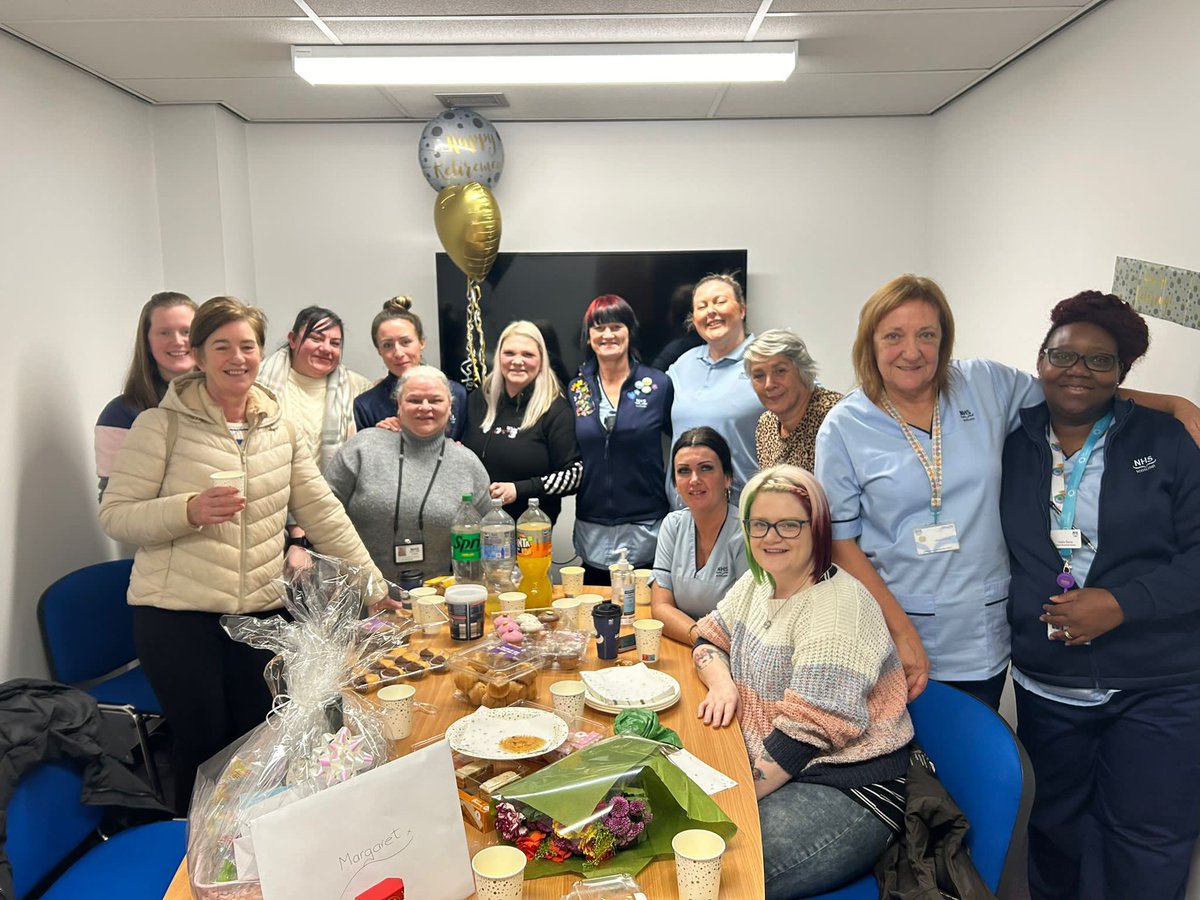
# Celebrating Staff #A Big shout out to one of REACT colleague. Margaret retirement!!! Off to sunshine- travel , eat and play. Celebrating and wishing her, all the best in her new adventure ! You will be missed!
Hot off the Press !!
REACT is recruiting!!!!
Looking for wonderful team offering you work life balance and experience…. 👇
Band 5 Physiotherapist( flexible or full time hours, final year students, new graduates are welcome to apply).👇@EdinburghNapier@physio_qmu@thecspstudents
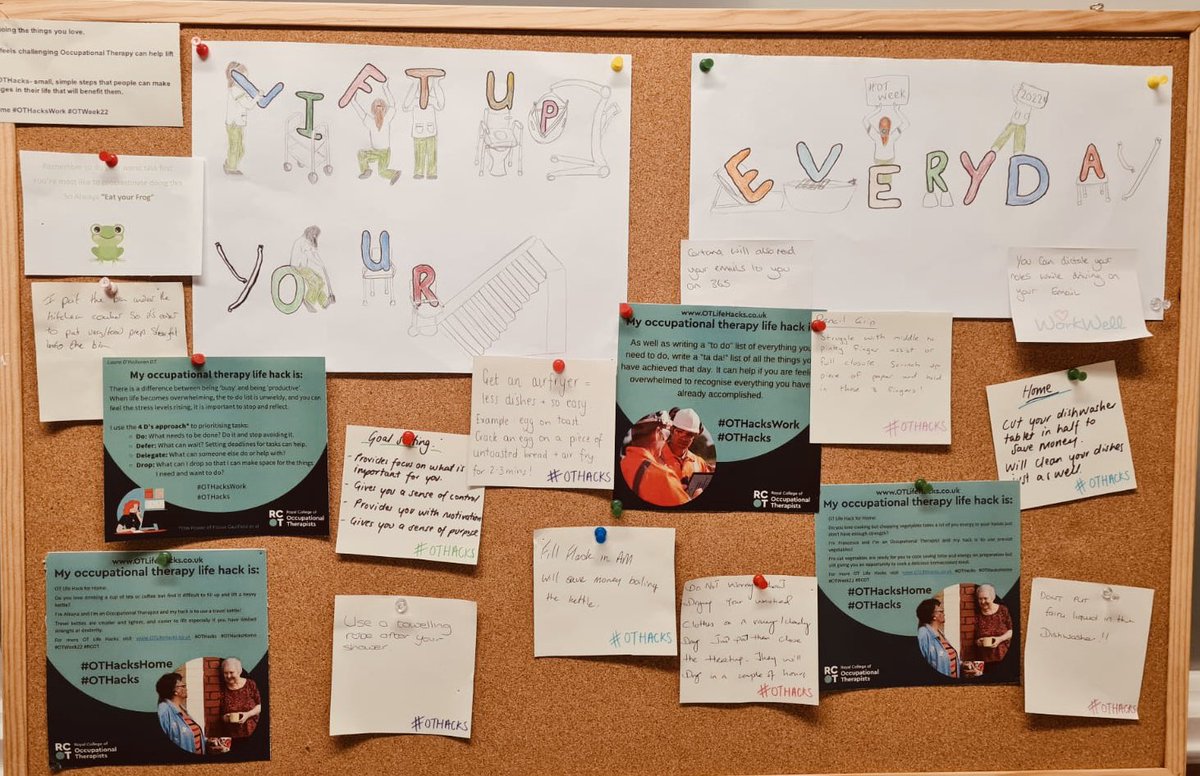
#AHPsDay2022 A big shout out to all the REACT AHPS and other AHPS out there. Well-done for your hard work and innovative changes in giving patients a positive experience.