Have you wondered about starting an AI community of practice at your institution or organization? This #MedEdPearls blogpost has some guidance for you! https://t.co/qgXo3ose49
"NEW to the SEA Newsletter is a section called – “Hot – Off – the Press”. Thanks to the Research Committee and the Co-Editors-in-Chief of JEPM (Journal of Education in Perioperative Medicine), for taking the lead on this effort."
Please join us in celebrating our newly matched #WashUanesthesiology residents! We’re proud to introduce this outstanding group of physicians joining @washumedicine. Congratulations and welcome to the Class of 2030!
https://t.co/EPZeUE8kpw
Calling all #WashUanesthesiology clinician educators! Our spring workshop series kicks off soon with some exciting new high-yield, research-based virtual workshops to enhance your teaching skills. Attend one or all! Learn more & register: https://t.co/yxbQAOo9Or
That rage you feel is sacred. Honor it.
We’re in the fight of our lives and honestly we have been for some time now.
Don’t allow yourself to go numb. Don’t look away. None of this shit is normal.
Curious what the Anesthesiology Summer Research (ASSURE) Fellowship is all about? Hear directly from fellows about their summer research experience & apply now for Summer 2026! https://t.co/ZiNpcquZJd
Congrats to Dr. Rachel Moquin on her appointment as Vice Chair for Academic Affairs and Professional Development! She’ll lead our Office of Professional Growth and Engagement, fostering career advancement, wellness & mentorship across #WashUanesthesiology. https://t.co/CgJNeL6oF4
I was excited to write the #MedEdPearls blog post for September: Turning Mistakes into Momentum by Building a Culture of Safety. Check it out here: https://t.co/0IAoIUBF11
New #MedEdPearls for August. Holding Space for Grief. "“The pressure to behave as though everything is fine feels untenable yet inescapable.” Does this feel familiar?"
https://t.co/szk7ei6idK
I feel so honored to be listed among this star-studded group of educators 🤩 Thanks to @SEAnesHQ for including me and @WashUanesthesia for being a great place to engage in meaningful #MedEd work!
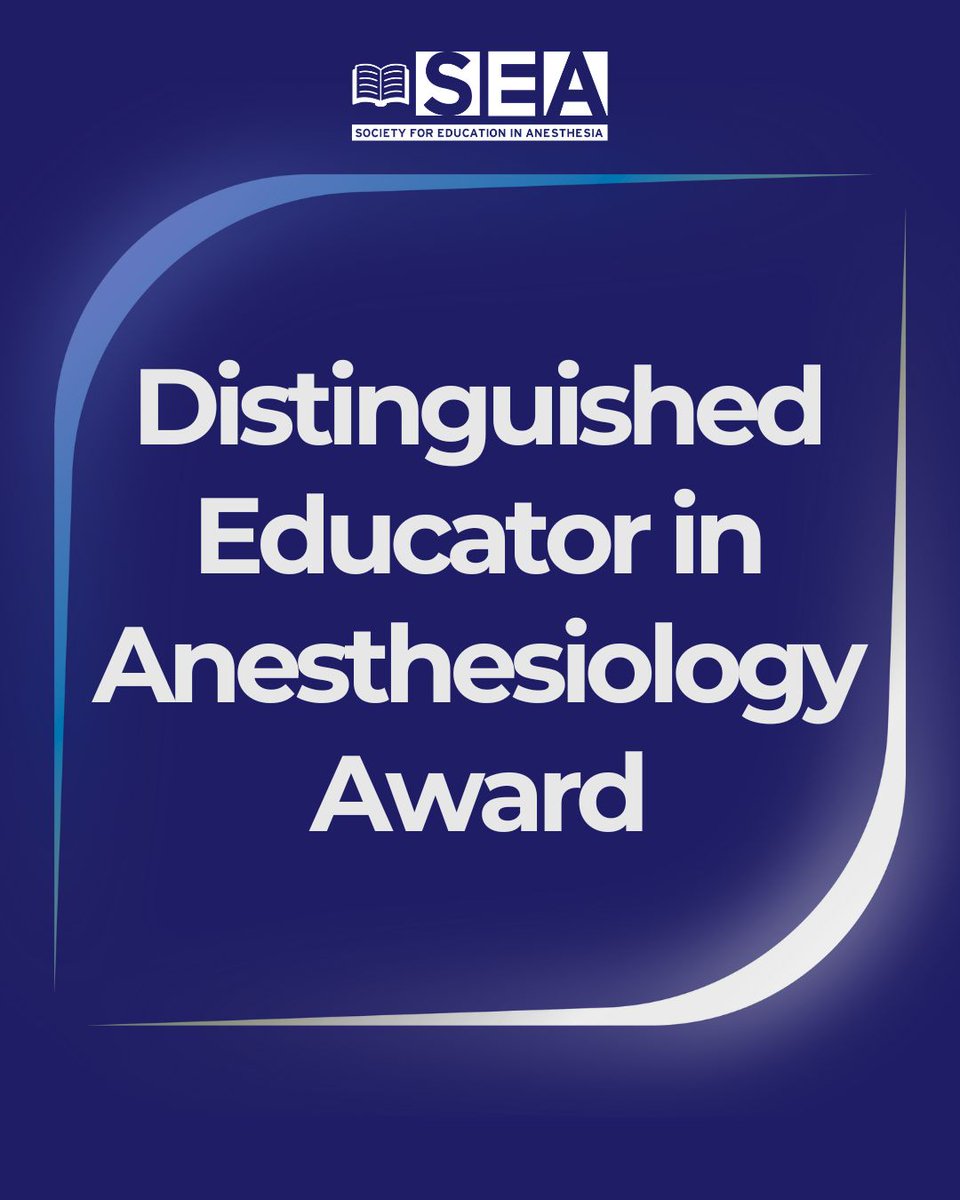
The Distinguished Educator in Anesthesiology Award honors anesthesiologist educators who demonstrate exceptional dedication to teaching.
Congratulations to this year’s recipients! https://t.co/k3isom7bKV
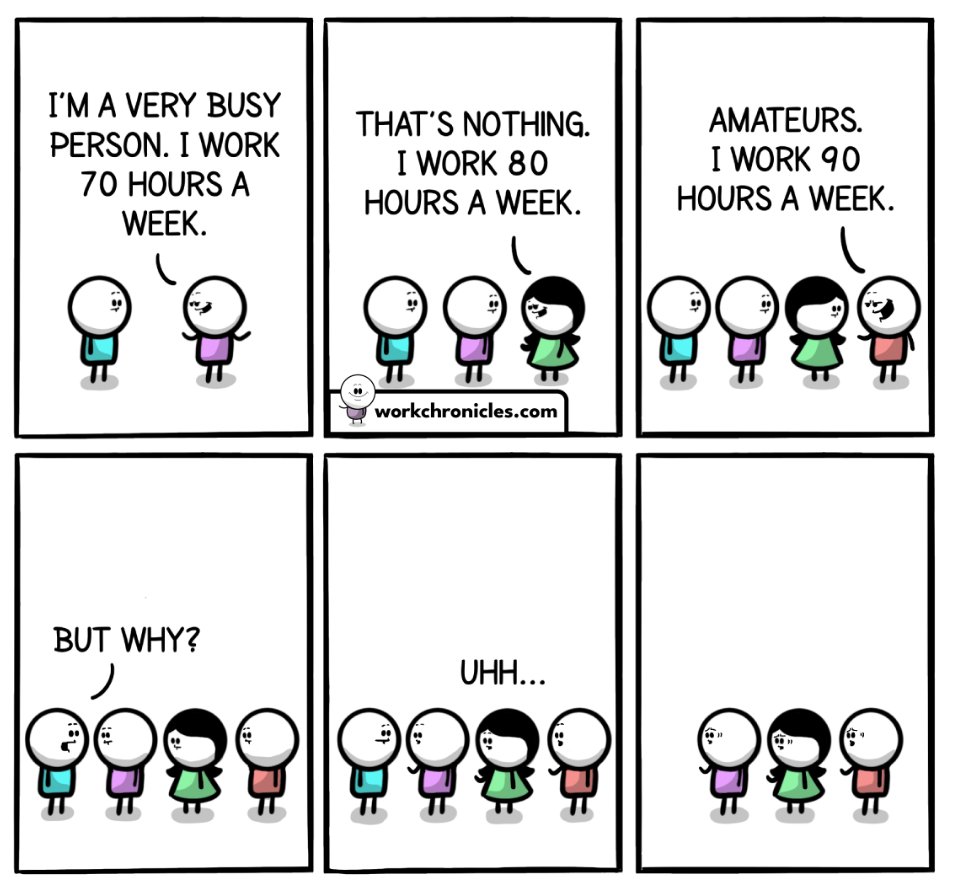
Why do so many leaders & professionals keep working at a punishing pace, even when it damages their health, well-being & relationships? And why do organisational initiatives aiming to curb extreme work hours, e.g., "no email after hours" policies, wellness initiatives - often fail?
New research suggests this isn’t about personal “workaholism” or “driven” personalities. Rather it is about people fitting with the relentless tempo of their organisations. This is underpinned by a sense of what you need to do to make career progress & cultural expectations of 24/7 availability. It creates a pace that feels impossible to clock out of, even after hours. Researchers call this an “entrainment cycle”. People come to feel that this pace is normal - even necessary. In the study, people often described the fast-paced tempo of work not as something they were forced into, but as something they craved or became “bored” without.
How organisations can break the cycle:
1) Address the tempo, not just the hours. Change how work is done, e.g., rethink project pacing, reduce artificial urgency, redesign calendars to allow for focus & reflection.
2) Be alert for warning signs - stress, disengagement, burnout early & respond before issues escalate.
3) Help people feel they have the cultural permission to pause. It's not enough to change schedules – expectations need to change. Taking breaks, disconnecting on non-work days & ignoring the inbox when on holidays should become organisational norms.
https://t.co/s3x0zaQ7ZZ. By Ioana Lupu & Shanming Liu in @HarvardBiz.
Cartoon by @_workchronicles.
New Well-developed Podcast episodes are here! Episodes 15–19 just dropped—packed with fresh insights, stories, and conversations you won’t want to miss. Listen now and catch up on the latest: https://t.co/yRK7789TFR
Congratulations to our #WashUanesthesiology residents and fellows who recently graduated! 🎉🎓 We are so proud of you and can't wait to see how you all continue to excel. Learn more about their achievements and celebrations: https://t.co/zH5ny1uNt2
The SEA Faculty Development Committee has created a collection of over 40 short, but very impactful suggestions, to guide you in your academic career development. Make sure to take some time to read through them!
Read here: https://t.co/wqaR3ogP8f
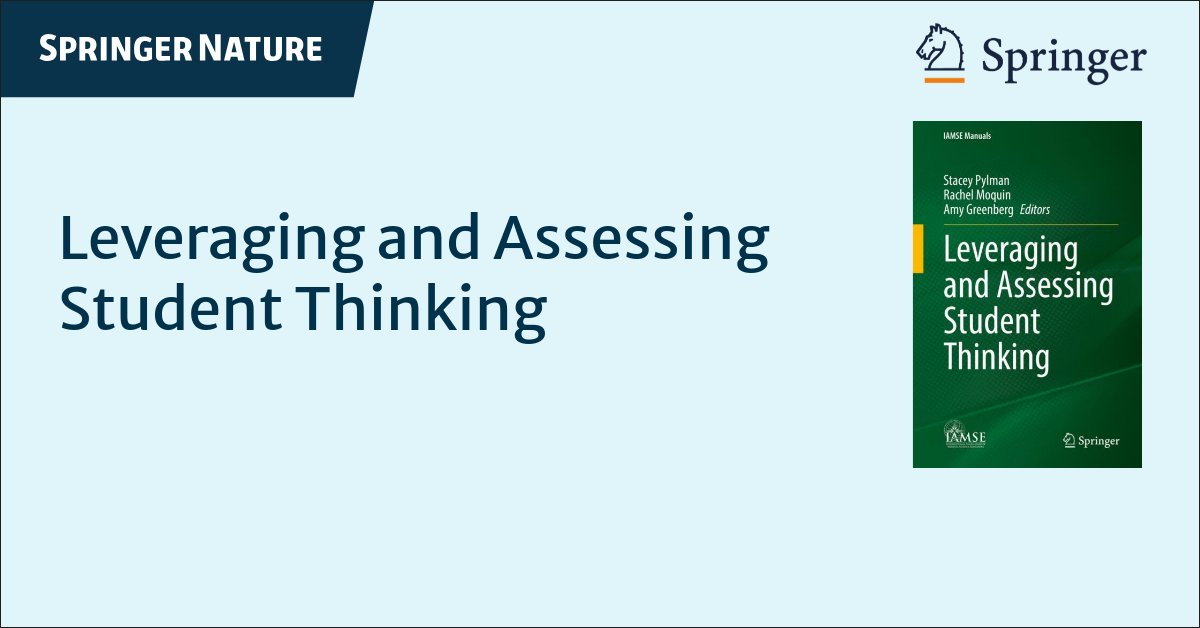
Very excited to announce the publication of "Leveraging and Assessing Student Thinking." This IAMSE manual is written to help medical educators practice what it means to teach in a learner-centered way by leveraging student thinking. https://t.co/LkVpW2JhYP
Members of #theCGEA#FacDev SIG have created a series of AAMC GEA webinars on AI Skill-Building for Medical Educators. These are free to attend. The next session is June 26! Register today. #AAMCCGEA#MEDED#AIMedTech
https://t.co/p9mFvi1TcA
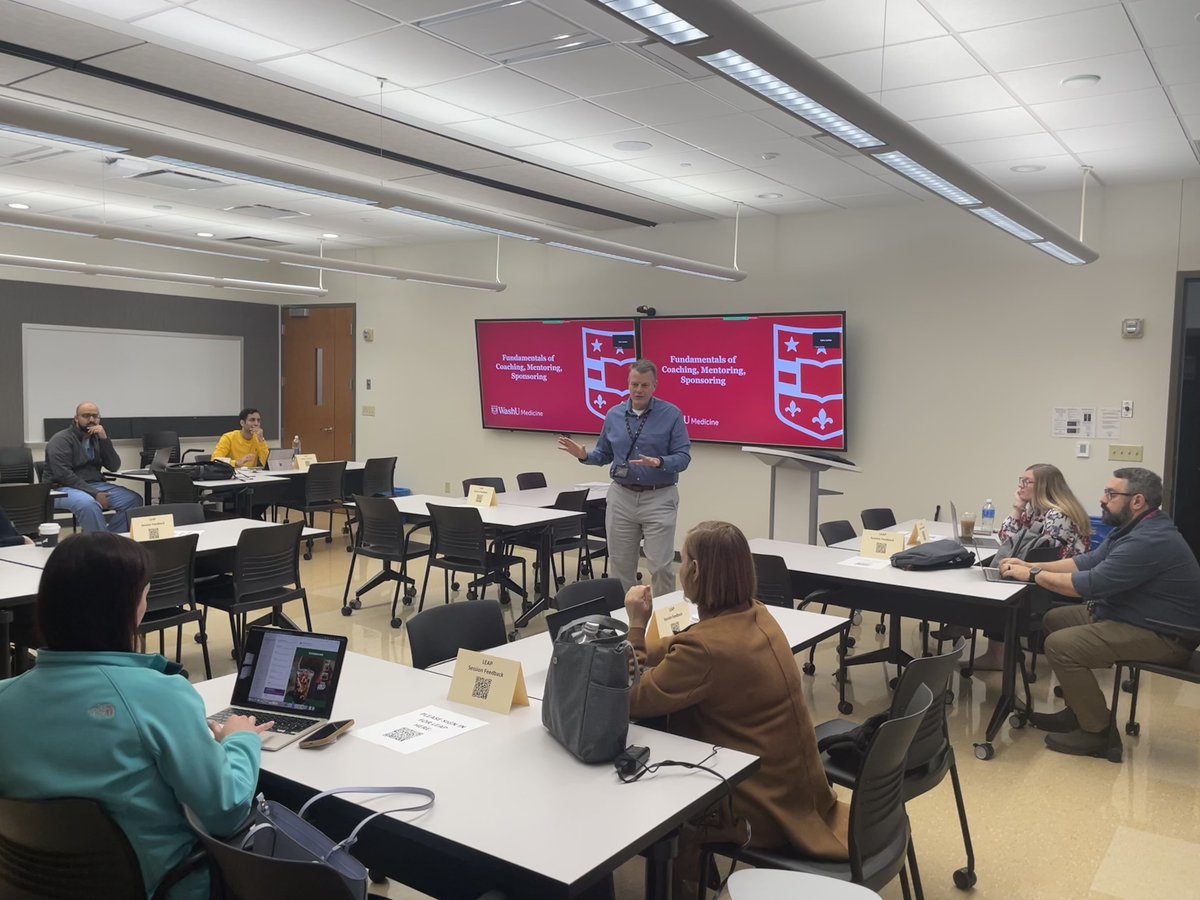
Thank you to @rachel_moquin & #johnschneider for presenting the @WashUAcadEd LEAP session on the Fundamentals of Coaching/ Mentorship/ Sponsorship! To learn more about the LEAP course, visit the Academy website here: https://t.co/r8xvfIfOc9