Flinders University researchers have developed a breakthrough drug treatment for sleep apnoea that could gain US approval next year, offering hope to more than one million Australians 😴
📌 READ MORE: https://t.co/P3GgYeLTWR
Powerful talk by @DrN_CancerPCP on patients living with advanced/metastatic cancer
➡️ 1 in 2 face financial toxicity
➡️ 1 in 3 psychological distress
➡️ 1 in 4 physical/daily living challenges
Yet many feel “invisible” in survivorship care.
Time to rethink the model
@DrN_CancerPCP highlighted @CancerCareMASCC@ASCO guideline on survivorship care for people w advanced/metastatic cancer:
🔹 Routine, longitudinal needs assessment
🔹 Multidisciplinary, coordinated care
🔹 Inclusion of caregivers
🔹 Focus on quality of life across the trajectory
Early bird pricing ends for #ONSCongress on 3/26! Register now to keep up to date w/ @oncologynursing education, networking & the energy that sets the tone for the year ahead 💙🧡!!
https://t.co/ullptxSK9j
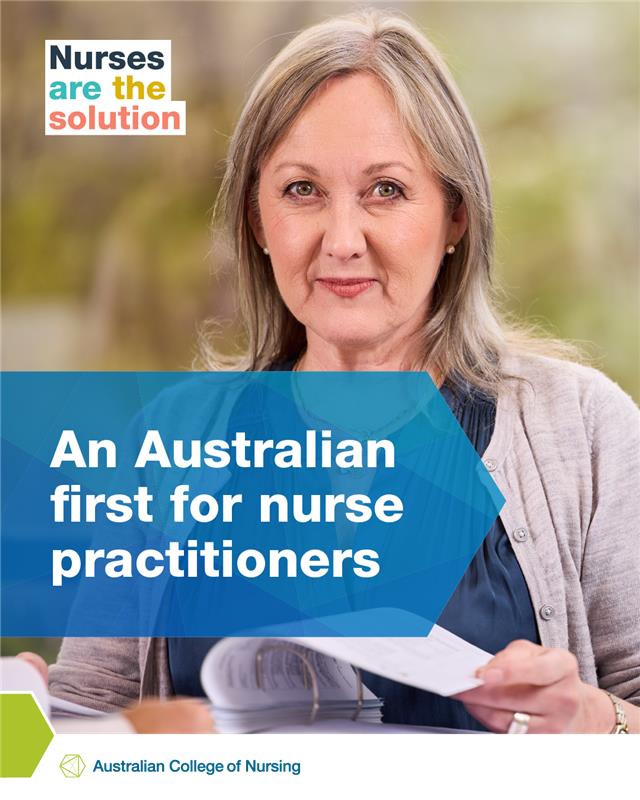
Nurse practitioners can now issue cause-of-death certificates and witness non-written health directions in the ACT. ACN calls on other jurisdictions to follow suit, and remove all unnecessary barriers preventing NPs from delivering holistic care #NursesAreTheSolution
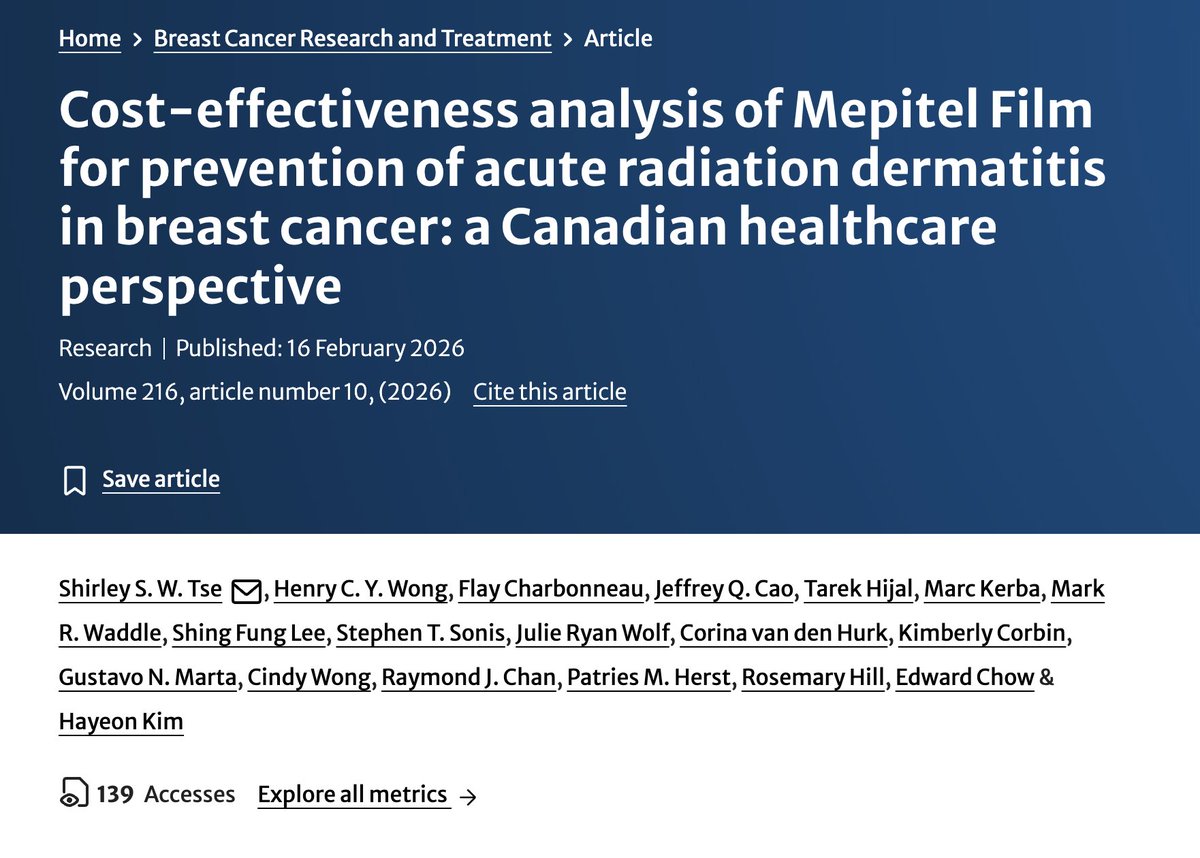
A new research article from Shirley SW Tse, Henry CY Wong and colleagues looks at the cost-effectiveness of Mepitel Film for prevention of acute radiation dermatitis (ARD) in breast cancer, from a Canadian healthcare payer’s perspective.
Read more here: https://t.co/lPn25ct2BU
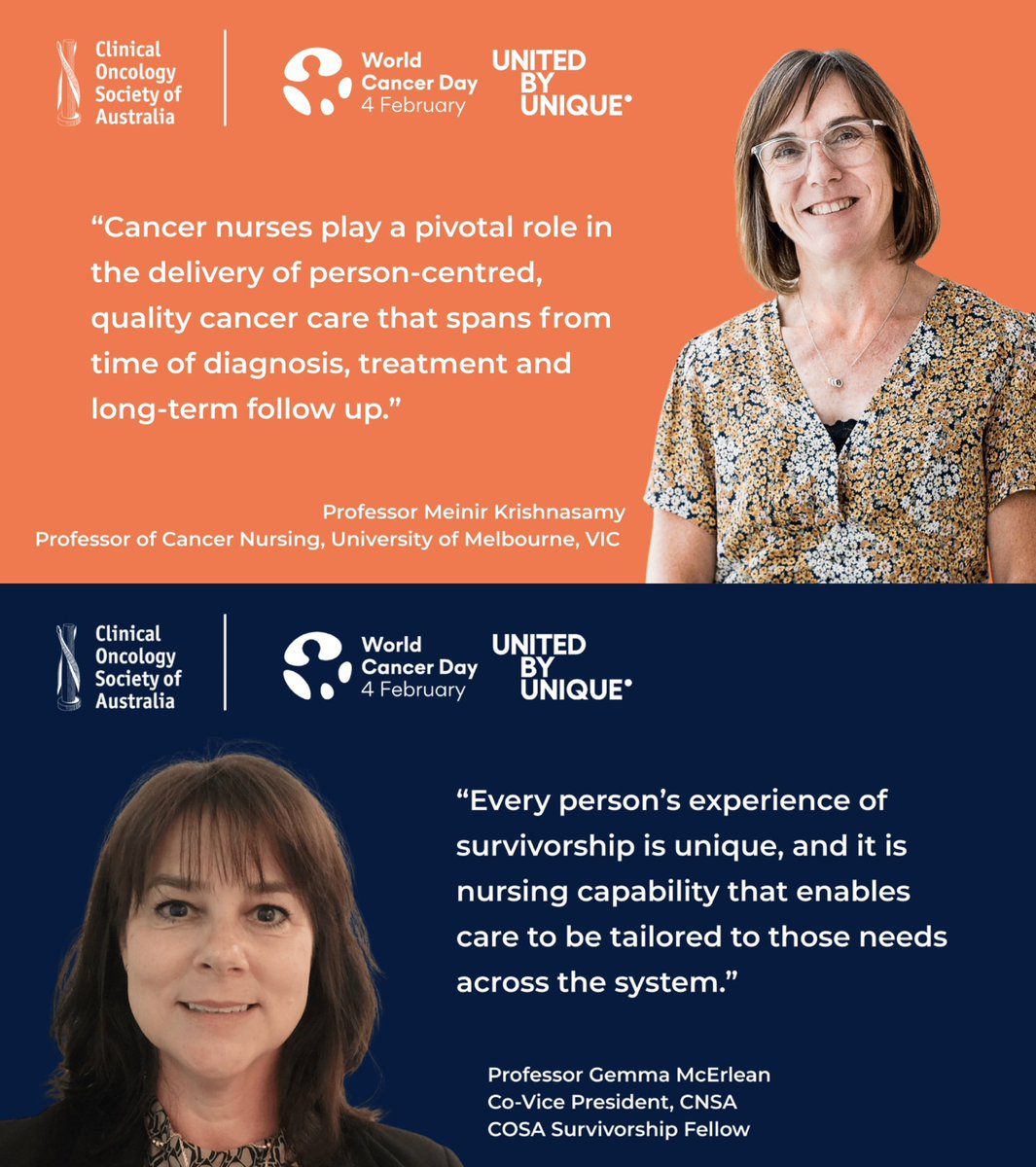
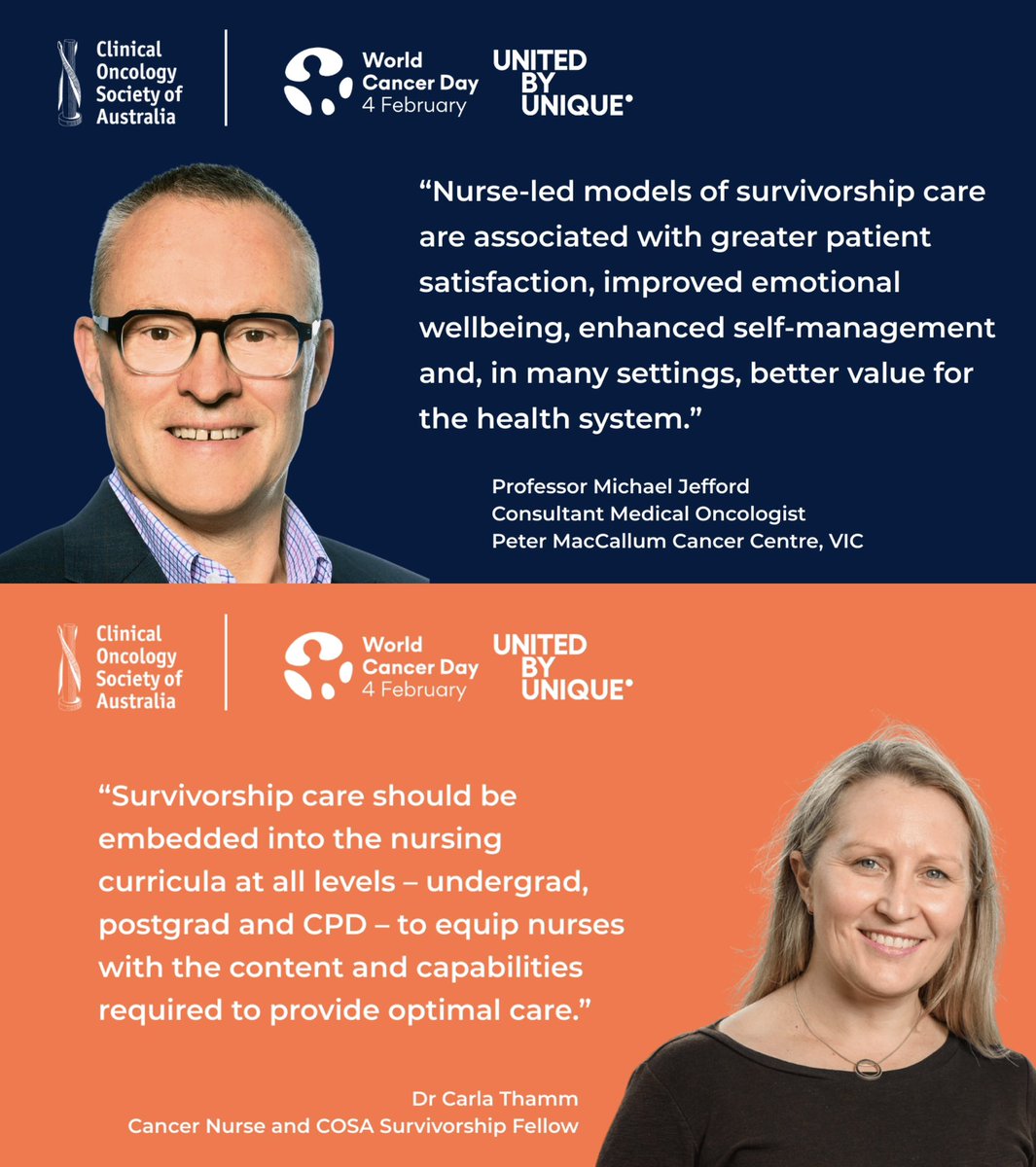
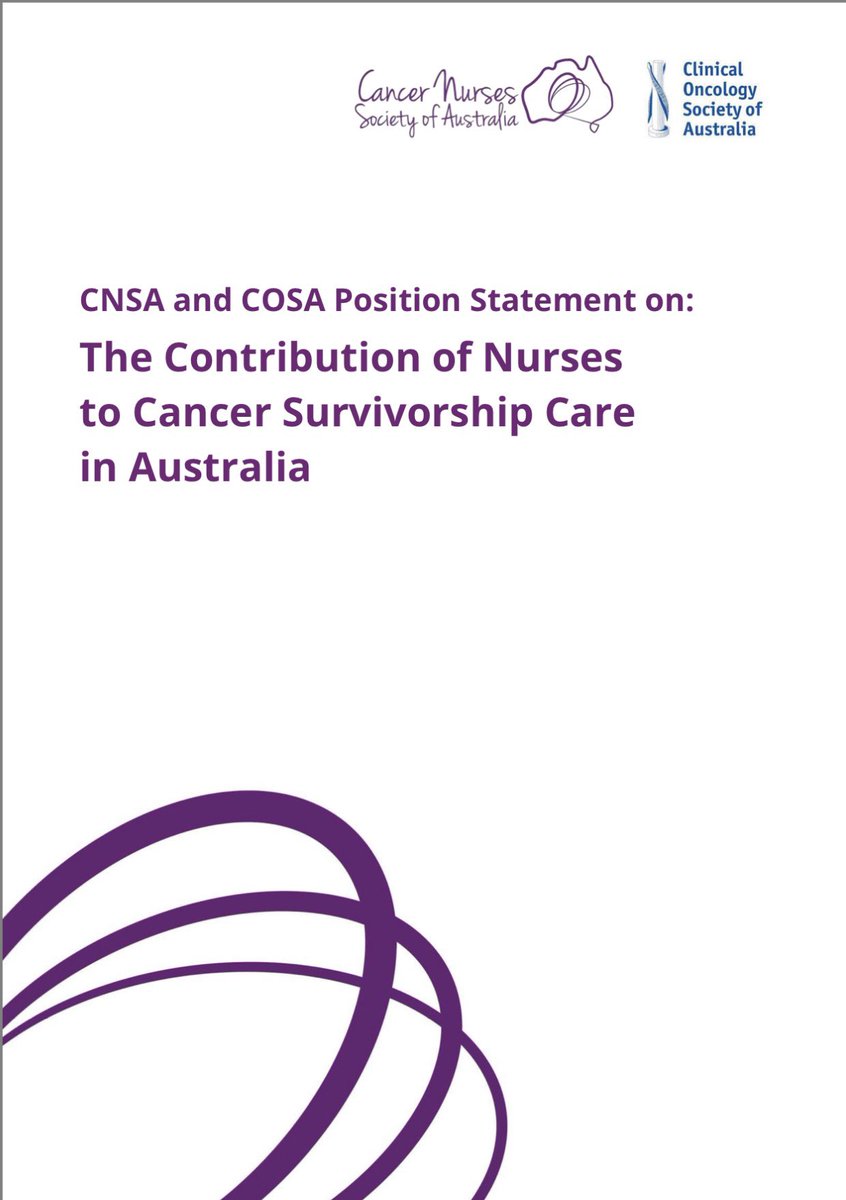
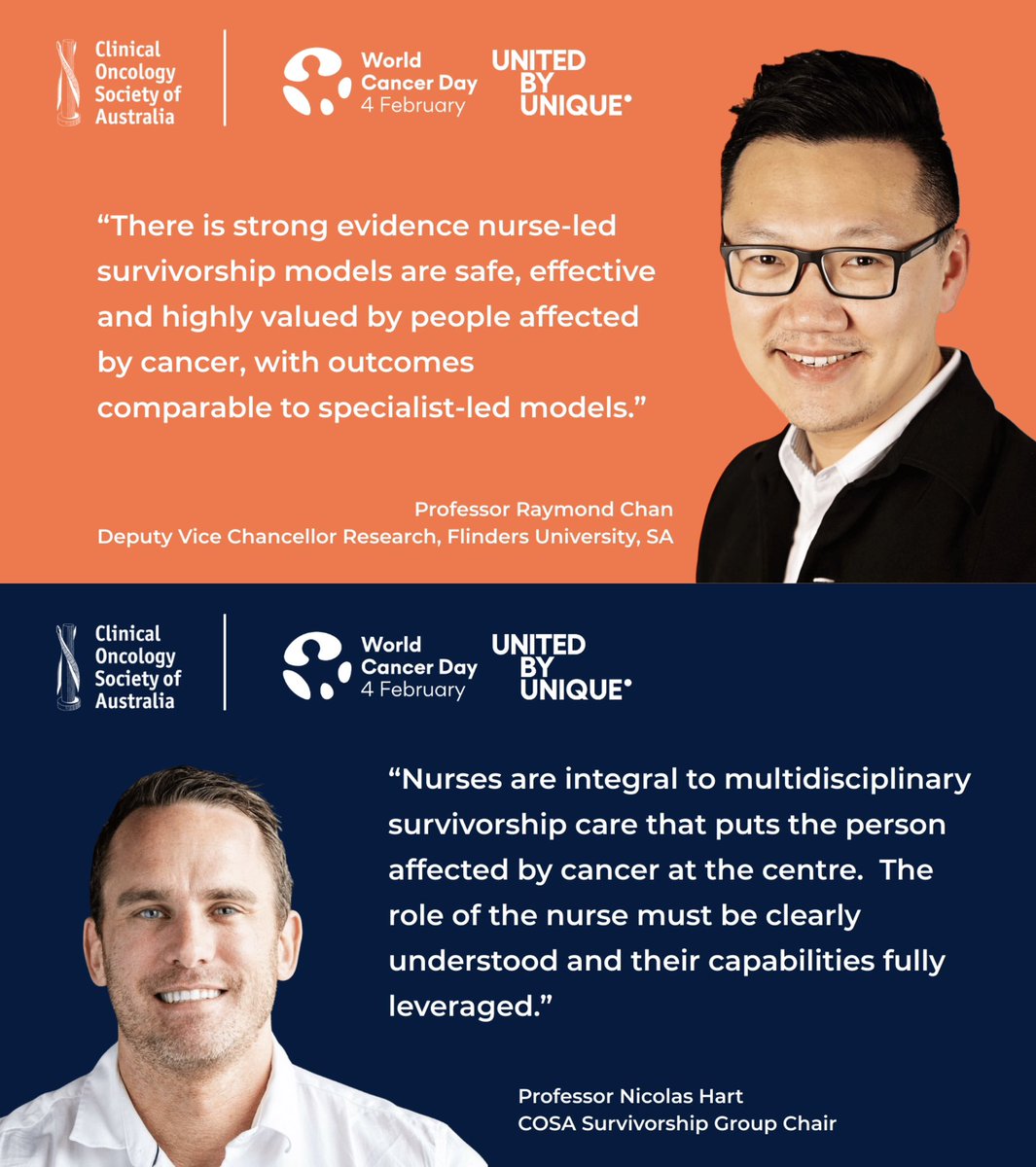
For World Cancer Day, COSA and CNSA have released a joint position statement on the contribution of nurses to cancer survivorship care in Australia, with recommendations for strengthening survivorship care nationally. Read more https://t.co/7DFy8sAR3c https://t.co/5WsZxeVD7U
On #WorldCancerDay we launch our joint @COSAoncology and @CNSA_ORG position statement on the vital contribution of nurses to cancer survivorship care: https://t.co/E5dlL4fCCK
This statement recognises nurses as central to coordinated, equitable, accessible + person-centred care.
Researchers have found that repurposing a safe and affordable blood pressure medication may help prevent cancer-related cognitive impairment.
NeuRA (Neuroscience Research Australia) PhD candidate, Delyse McCaffrey, led the study, ‘Candesartan, an angiotensin receptor blocker, prevents cognitive impairment in female mice with mammary cancer’, which was published in @BrainBehavImm .
“Up to 75% of cancer patients report cognitive symptoms, with around 30% experiencing persistent deficits that interfere with daily functioning and quality of life,” Ms McCaffrey said.
“This can impact a person’s ability to think, learn, remember, or make decisions. Despite the profound economic and psychosocial burden, there are limited therapeutic options.
"Cancer-related cognitive impairment is associated with a combination of factors, including neuroinflammation, oxidative stress, and blood-brain barrier dysfunction, with evidence suggesting dysregulation of the renin-angiotensin system (RAS), which modulates these processes.
“A key advantage of candesartan is its ability to cross the blood – brain barrier and modulate neurobiological processes linked to cognitive decline in cancer, making it an attractive candidate for repurposing to prevent cancer-related cognitive impairment,” Dr Walker said. She worked alongside her supervisors Dr Adam K. Walker and Professor Cynthia Shannon Weickert, and in collaboration with Professor @rayychan at @Flinders University and Professor Janette Vardy @VardyJanette at the @Sydney_Uni.
You can read the full article here - https://t.co/TcpzXkZ9cJ
You can read the study here - https://t.co/UFZLrWoQvU
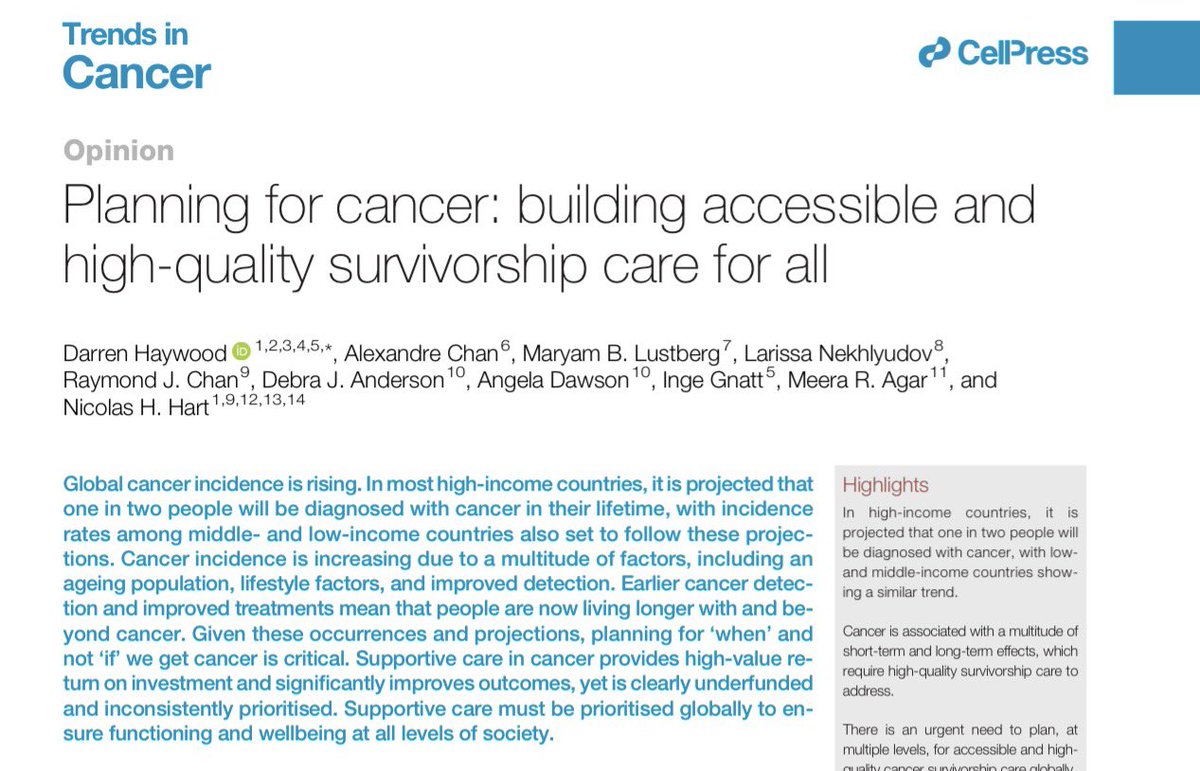
Our first article for 2026 - planning for ‘when’ and not ‘if’ we get cancer - through building accessible and high-quality survivorship care systems. Our analysis and call to action: https://t.co/r1sY9T2Aq4
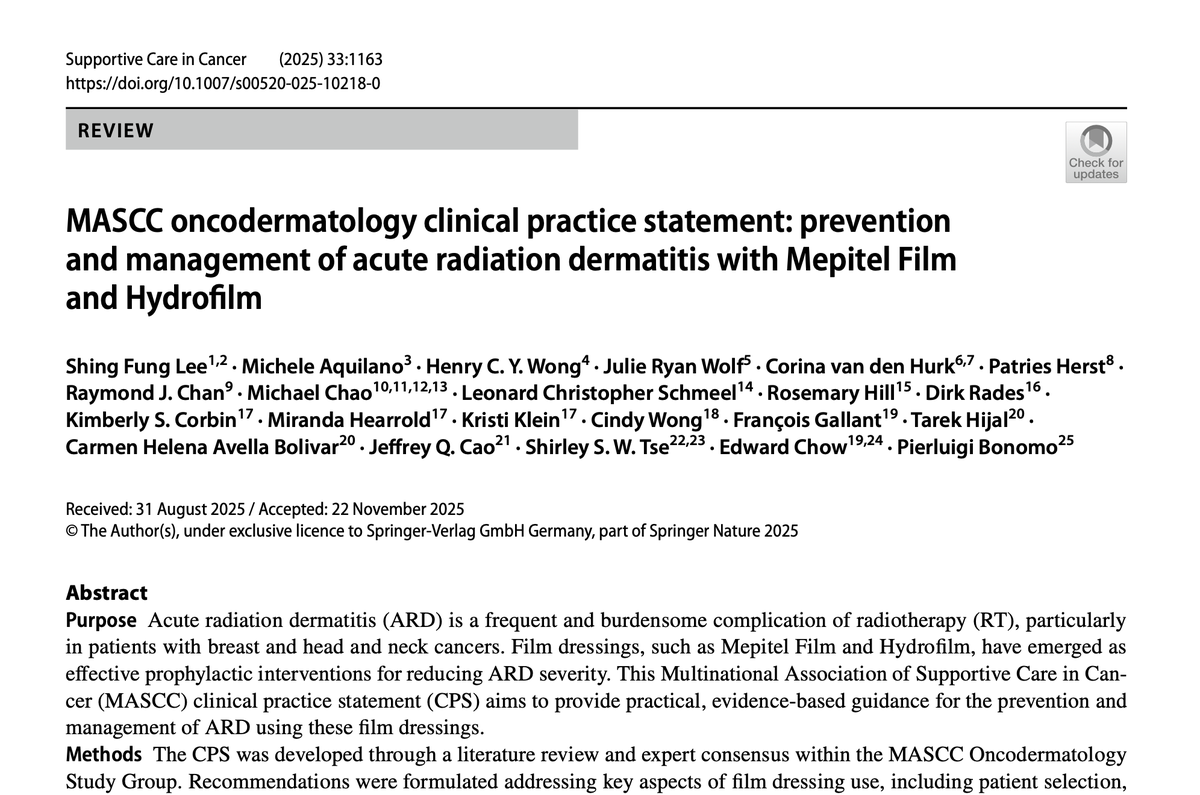
A new Clinical Practice Statement is now available from our Oncodermatology Study Group on the prevention and management of acute radiation dermatitis with Mepitel Film and Hydrofilm:
https://t.co/MsEfOEziZG
#SuppOnc
In this MASCC Short Talk, @rayychan shares some key highlights of the work presented at #MASCC25 around patient navigation. Watch now: https://t.co/6PIO0QuDnl
#SuppOnc
Don’t forget to submit your abstracts for #MASCC26!
Visit our website to learn more, and be sure to get your abstract in by January 16 (or December 17 if you plan to apply for a Conference Scholarship).
https://t.co/nVIynYDFFK
#SuppOnc#SurvOnc#GlobOnc#PallOnc#Oncology
Geriatric assessment in older adults with cancer: A global scoping review of barriers and strategies to implementation
https://t.co/CD0BXd9BzW via @chitchadkitchen et al @lucypgeridoc@drol007
I was rejected by the Hong Kong educational system when I was 16. My score didn’t make the cut off to proceed to A-level (UK system). I then pursued education in Australia which changed my life
#TweetYourRejection#medTwitter@CancerCareMASCC@fumikochino
#medTwitter#medstudentTwitter reminder: Failure is part success.
Today I was organizing some papers and found these 3 #rejection letters from medical school (from Stanford, Yale, and UCSF).
Normalizing rejection is just as important as sharing your wins. #tweetyourRejection