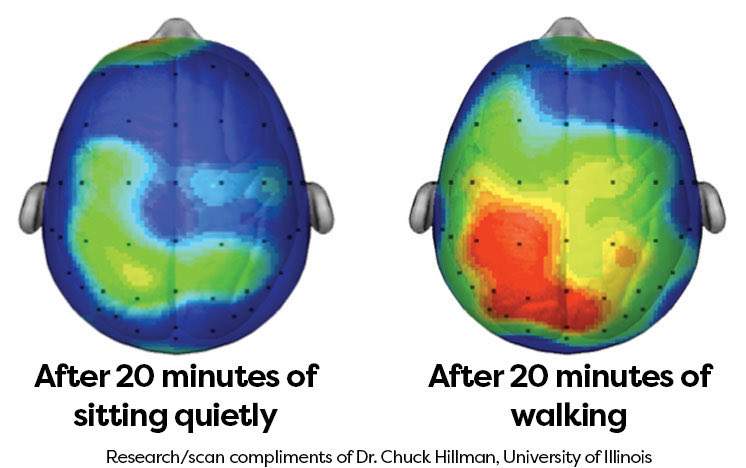
📰 Reading: UCSF study AI model can spot early Alzheimer's risk factors
▪️ Using UCSF's clinical database, researchers examined co-occurring conditions in patients who had been diagnosed with Alzheimer's and those without.
▪️ Findings: model could identify who would develop the disease up to 7 yrs prior with 72% predictive power.
▪️ Conditions most influenced predictions: high cholesterol + osteoporosis (specifically for women)
https://t.co/XHH98aGOeF
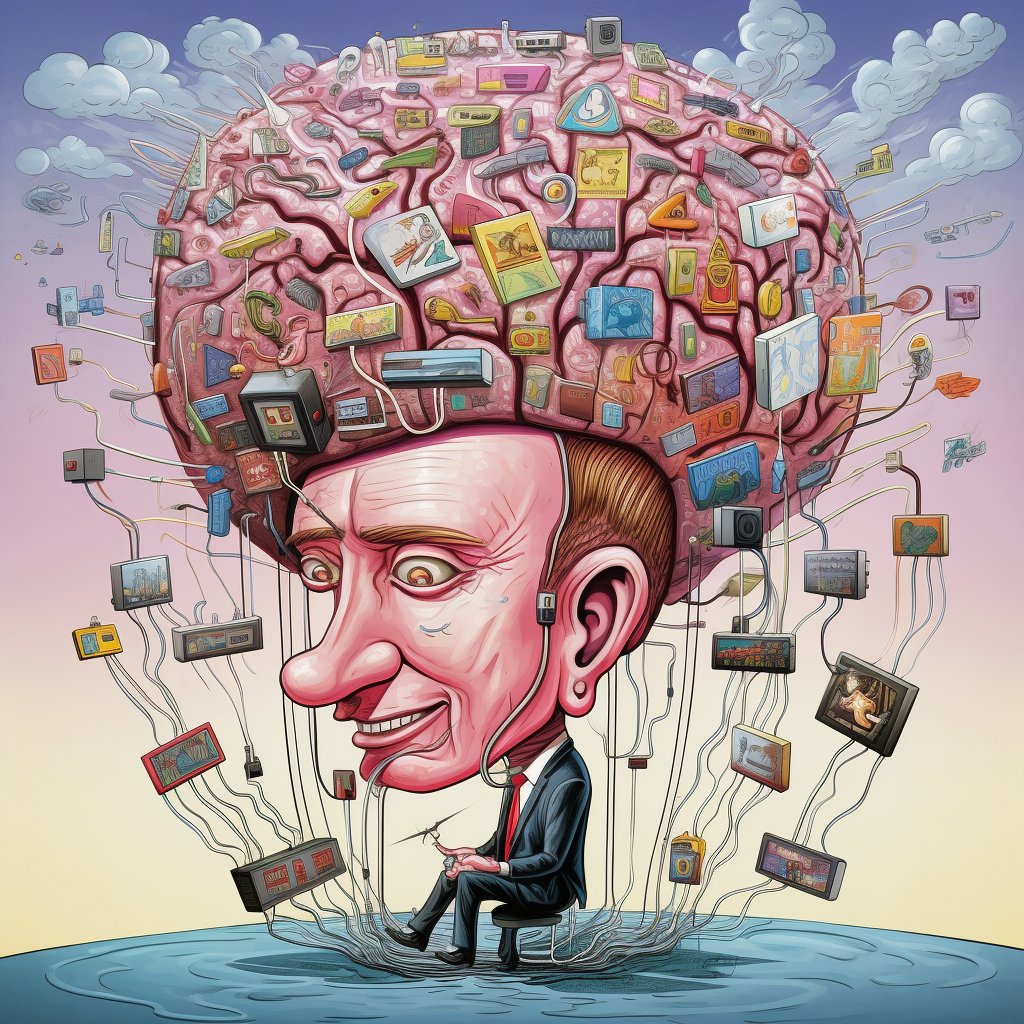
Neurobranding: the hidden science of consumer behavior.
It's the secret weapon of the worlds largest companies.
Here are 9 powerful neurobranding principles you need to know:
---
1. Salience
Humans are wired to pay attention to things that are unexpected.
Create an element of surprise in your branding that makes people take notice.
Use unusual angles, strange patterns, or unexpected turns of phrases to add an element of surprise to your branding.
---
2. Contrast
Humans are wired to notice contrasts.
Make sure your brand stands out among the competition.
Use bold colors, unique product features, or a unique tone of voice to create contrast and attract attention.
---
3. Simplicity
The human brain is wired to simplify information.
A simple message means you're more likely to be remembered.
Eliminate any unnecessary elements from your brand message so people can easily understand and remember it.
---
4. Backstory
Humans are hardwired for storytelling.
Create an emotionally compelling backstory that connects your brand to something larger than itself.
The success of your brand hinges on the emotions it evokes.
---
5. Emotion
Humans are driven by emotions, not logic.
Create a brand association that triggers a positive emotional response.
This can be achieved through authentic storytelling, a strong visual identity, or an impactful message.
---
6. Consistency
The human brain is wired to seek consistency.
Make sure your branding is consistent across all channels to build trust with your audience.
Be consistent with your tone of voice, visual identity, and messaging to build a reliable and trustworthy brand.
---
7. Relevance
Humans are wired to focus on things that are relevant to them.
Make sure your branding speaks to your target audience.
Understand your audience's values, desires, and pain points, and create a brand message that resonates with them.
---
8. Memory
Humans are wired to remember things that are unique or emotionally resonant.
Create a memorable brand message that stands out in people's minds.
Use catchy slogans, unique visuals, or memorable product features to create a lasting impression.
---
9. Experience
Humans are wired to remember experiences, not just words.
Create a brand experience that is consistent with your brand message and values.
This can be achieved through immersive events, interactive content, or personalized communication.
---
If you liked this post:
1. Follow me (@youmetjohn)
2. Like + Repost this post
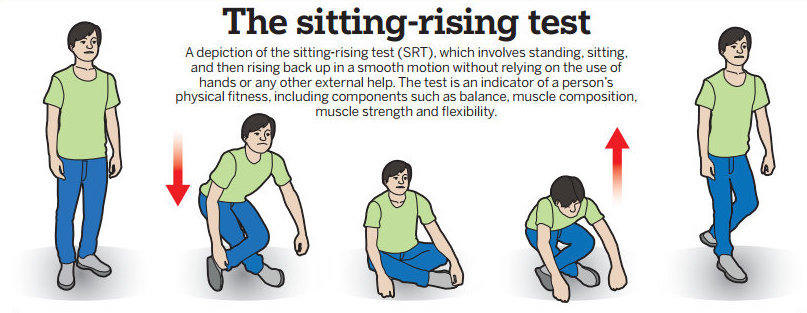
Do this test to see if you'll live longer.
It's called the Sit and Raise Test.
Here's how to do it: You stand up, cross your legs back, and go into a seated position. Then from that position, you get yourself back up to a seated position.
Researchers tested 2000 adults ages 51-80.
They followed them for an average of 6.3 years & out of the 159 people who died only 2 scored a perfect 10.
Those who scored the lowest scores had a 5-6x higher risk of dying than those who scored 8-10.
Older adults who have muscular strength & flexibility are less likely to fall. Falls are the leading cause of unintentional injury-related deaths for people 65 & older.
The sit & raise is a test for basic strength & mobility.
You lose a point if:
- You place your hands on the floor
- Need support
- Touch knee to the ground
- Lose balance
- Support yourself on your side of the leg
You get 0 points if you can’t do this at all.
Scored a 10? Great.
Scored less than a 10? Use that as a baseline to improve on.
Source: https://t.co/izGCC2AiCN
The use of artificial intelligence in medical devices and drug development https://t.co/08DHFgORig
$JNJ, $BMY, $MDT, $GSK, $GOOG, $PHG, $RHHBY, $IRTC, $SMMNY, $SEMHF, $GEHC
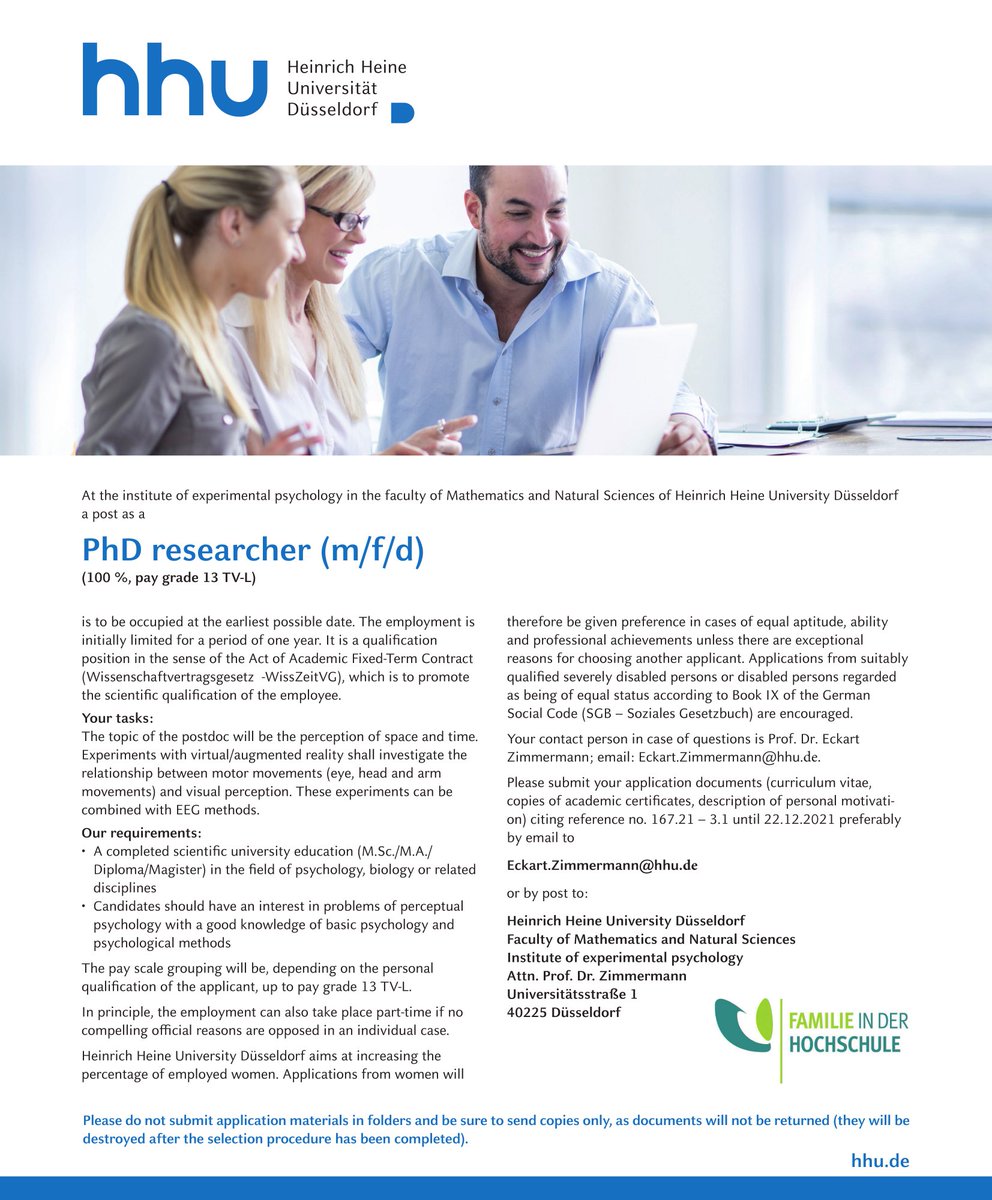
We have an open postdoc position. Work with us to study how we perceive space and time. Please RT or provide this information to those who would be interested!
English:
https://t.co/6e9G63RmXi
German: https://t.co/cuk0puajlR