❄️ Beneath the #Arctic#permafrost lies a more complex ecosystem than expected.
The direct impact of permafrost thaw on the #climate may be regulated by microbial dynamics far more complex than previously thought.
📰 Read the news: https://t.co/80OOPuTiez
❄️ Snow drought is a growing risk for global agriculture.
New research shows that #snow shortages are affecting nearly half of #farmland across the Northern Hemisphere, amplifying risks to global #FoodSecurity.
📰 Read the news: https://t.co/edUV1chNlZ
🏙️ From #Genoa to #NewYork: why depaving is reshaping the future of the cities
The practice of removing asphalt and concrete can make make cities more resilient to #ClimateChange
📰 Read the news: https://t.co/8B7FvZSYU9
🌧️ Rainfall controls how African winds fertilize the #Amazon.
International study reveals how atmospheric systems regulate the availability of #nutrients carried by air currents across the Atlantic from Africa to the Amazon.
📰 Read the news: https://t.co/fGHHSskg7V
In bean roots, researchers have identified a previously unknown resource for #agriculture.
The study has identified microscopic hair #roots capable of absorbing nutrients and retaining water within the very first days of a plant’s life.
Read the news: https://t.co/JUqVLUxHxa
📊 Half a century’s data on British soil now available to the public
Cranfield University opens access to LandISPortal, an online database built on more than 30,000 soil samples and 250,000 field observations
📰 Read the news: https://t.co/EarEUNdLgY
🐝 #Bees and #biodiversity: a revolutionary radar is changing the way pollinators are monitored.
The technique can identify bees with 85% accuracy while monitoring their health and behaviour.
📰 Read the news: https://t.co/U58i11uapy
🐝 #Climate and #pollinators: for bumblebees heat isn’t always their enemy.
American study finds that major agricultural pollinators can adapt better than expected to moderate temperature increases.
📰 Read the news: https://t.co/UQoQjxFDGx
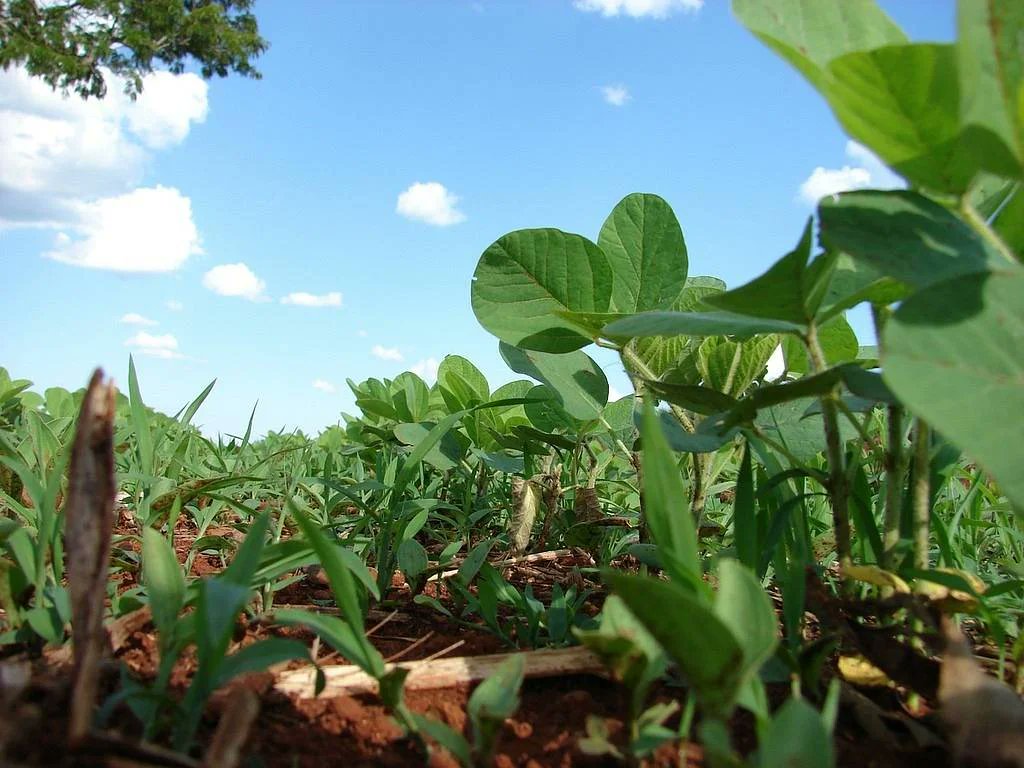
📊 Tracking #soybean to stop #deforestation with chemistry and #AI.
An innovative method combines chemical fingerprinting and machine learning to pinpoint the origin of soybeans with unprecedented accuracy.
📰 Read the news: https://t.co/mWsgpg3dgT
🐝 Pollination in #Australia more than halved in 50 years according to #orchids
Thanks to their limited “flexibility,” orchids are early indicators of the crisis affecting insects.
📰 Read the news: https://t.co/dbKhxl0AHj
Il giorno 18 giugno, in occasione del 3° forum delle bioplastiche compostabili organizzato a Roma da @Biorepack_Cons presenteremo il libro, a cura di Re Soil "Le buone pratiche che curano il suolo"
Info sull'evento: https://t.co/QA2kGctDO6
#EconomiaCircolare#Bioplastiche
🪱 One in five soil-dependent species is at risk of extinction.
A new study by Conservation International and #IUCN reveals that over 20% of soil-related species could disappear.
📰 Read the news: https://t.co/5Il8PnMDRA
#biodiversity
🌱 For better soil health, cover crops come out on top.
Cover crops ensure more consistent effects, while tillage, rotations and drainage show less uniform impacts across different contexts.
📰 Read the news: https://t.co/aseflA8TUd
⚠️ C’è un’emergenza silenziosa sotto i nostri piedi: il degrado del #suolo. Erosione e siccità minacciano agricoltura e biodiversità.
💚 Invertire la rotta si può! @ReSoilFoundation presenta il rapporto "Le buone pratiche che curano il suolo": https://t.co/2MOEMfVd9j
Thermal waters against #desertification: the Hungarian experiment.
A project is trying to redirect #thermal waters to the fields, restoring natural cycles and countering the drying out affecting #agricultural land in the Great Plain.
Read the news: https://t.co/emhWgtG1Td
🌳 The #forest at home: in #Finland, soil microbes improve human health.
Introducing forest soil into domestic environments increases the microbial diversity of indoor air.
📰 Read the news: https://t.co/TyxWAG7jOF
⏰ 2050 is the point of no return in halting the decline in #biodiversity in Great Britain.
In the worst-case scenarioat least 200 species are at risk of extinction while 9 out of 10 plant habitats will face lasting changes.
📰 Read the news: https://t.co/KTIgdN4k45
How can soil monitoring data, AI-powered indicators & field-tested methodologies support the implementation of the Nature Restoration Regulation? Hear from researchers, policy experts, practitioners & stakeholders on the topic: https://t.co/GO3bVp4SbV @ISINNOVA
What drives the phosphorus cycle in tropical forests?
A new study models the genetic potential of soil to identify 3 key factors influencing phosphorus availability:
⛰️ Elevation
📉 pH
🦴 Calcium
📖 https://t.co/sHAGN3P3QJ
#SoilScience#Ecology#Biology
Brazil’s carbon secret isn't just in the Amazon.
Wetlands store massive amounts of carbon, yet they remain a blind spot for conservation policies focused only on forests.
Read more: https://t.co/64p6z07y2M
#Wetlands#ClimateChange