Want to dig deeper into system design, software architecture, and backend engineering? Check out the ByteByteGo blog.
It makes complex engineering concepts easier to understand through clear visuals and practical explanations—useful for developers, architects, and anyone interested in how modern systems are designed and built.
https://t.co/d9aIKB4rRI
#SystemDesign #SoftwareEngineering #TechBlog
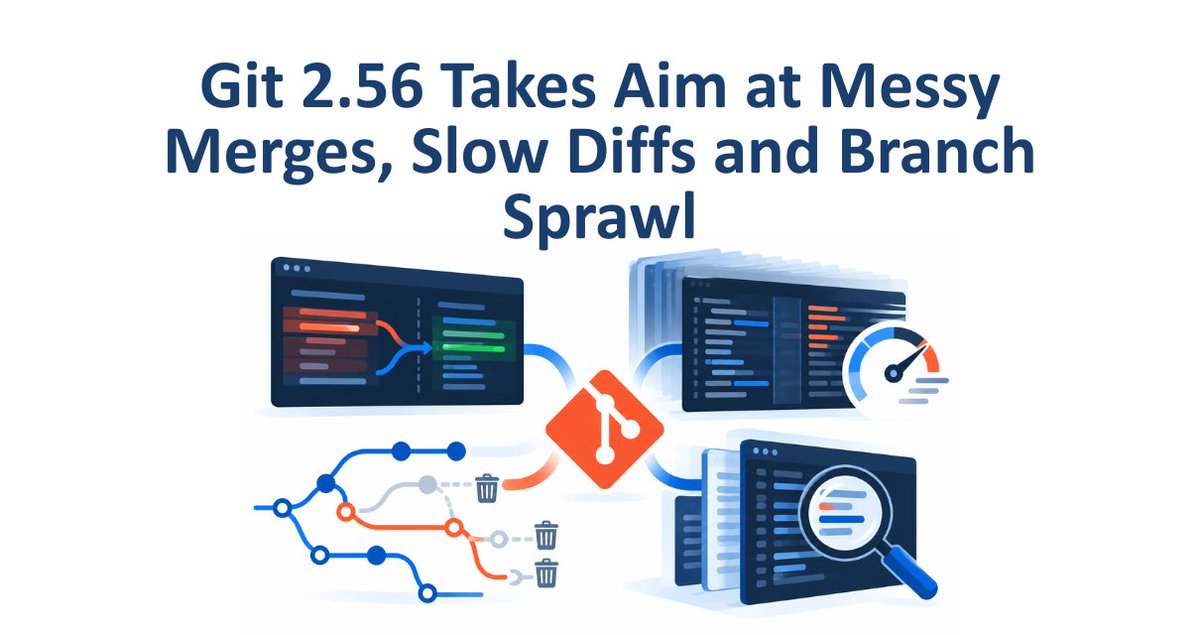
Git 2.56 is here, with updates aimed at some familiar developer pain points: messy merges, slow operations in large repositories, and branch sprawl.
The release introduces safer conflict resolution with git add --resolved, significant performance improvements for large diffs and merge-base calculations, and a new option for cleaning up already-merged branches.
These improvements could be especially useful as both developers and AI coding agents perform more Git operations across increasingly complex repositories.
🔗 Read more: https://t.co/xTO6VuE1y3
#Git #DevOps #SoftwareDevelopment #CICD #DeveloperExperience
Sometimes the best way to explain a complex system is to draw it out.
Gliffy helps teams create diagrams directly in Confluence, making it easier to visualize system architectures, workflows, processes, network diagrams, and more—right alongside the documentation your team already uses.
For DevOps and technical teams, it’s a practical way to turn complicated ideas into something everyone can see and understand.
https://t.co/gDrh4pxbvv #TuesdayTools
#Gliffy #Perforce #DevOps #Atlassian #Confluence
GitHub’s security autofix agent is getting a memory.
Agentic autofix can now use Copilot Memory to learn from previous security fixes. Before addressing a new security alert, it can reference relevant repository memories—and after creating a fix, save that pattern for future use. Those lessons can also inform Copilot code review and the Copilot cloud agent.
The idea: instead of solving the same security problem from scratch every time, Copilot can build on what it has already learned about that specific repository. Both agentic autofix and Copilot Memory are currently in public preview.
🔗 Read more: https://t.co/iKxcceBBck
#GitHub #GitHubCopilot #DevSecOps #AISecurity #ApplicationSecurity #DevOps
This week, we’re highlighting Liz Fong-Jones, a familiar voice in the observability and SRE community.
Liz is a Technical Fellow at Honeycomb and co-author of Observability Engineering. Her work and insights dig into the practical challenges behind reliability, observability, distributed systems, and operating complex software at scale.
For DevOps, SRE, and platform engineering teams, her perspective offers plenty to learn from about understanding production systems and building more resilient software.
Follow Liz on LinkedIn: https://t.co/Bi25sFKcUV
#FridayFollow #DevOps #SRE #Observability #PlatformEngineering
What does it take to make software delivery more consistent, secure, and predictable as your environment grows?
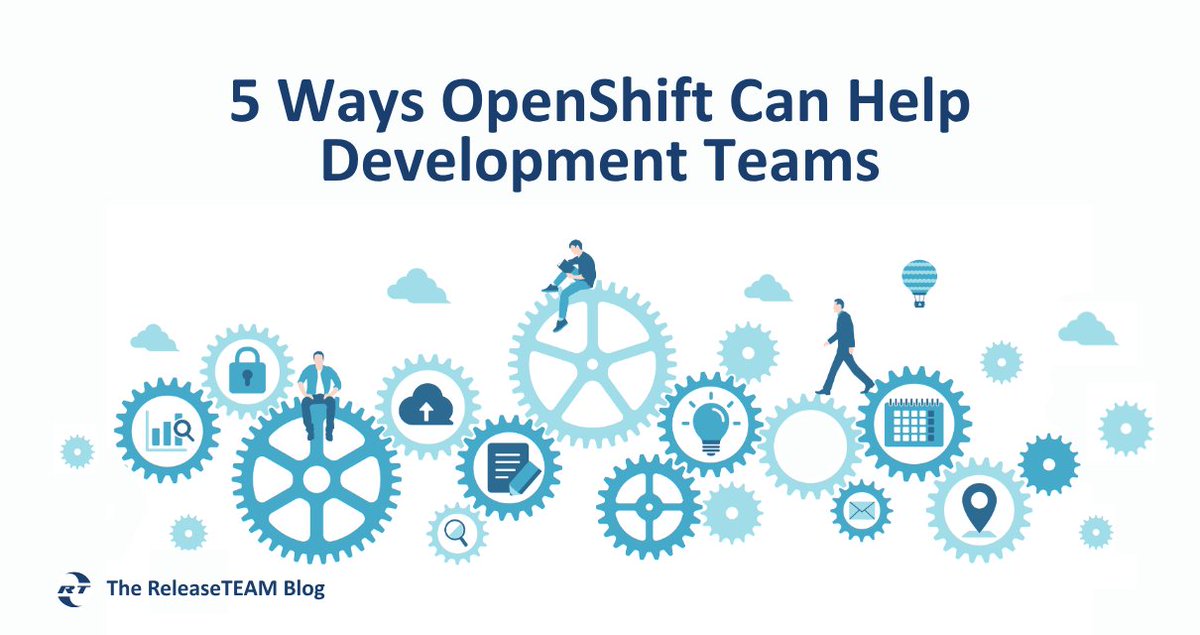
Red Hat OpenShift gives development teams a common foundation for everything from hybrid cloud and GitOps to automated recovery, security, and scalable deployments.
Our latest blog breaks down 5 ways OpenShift can help development teams deliver better software.
🔗 Read more: https://t.co/cCT7sdlGgY
#RedHat #OpenShift #DevOps #PlatformEngineering #CloudNative
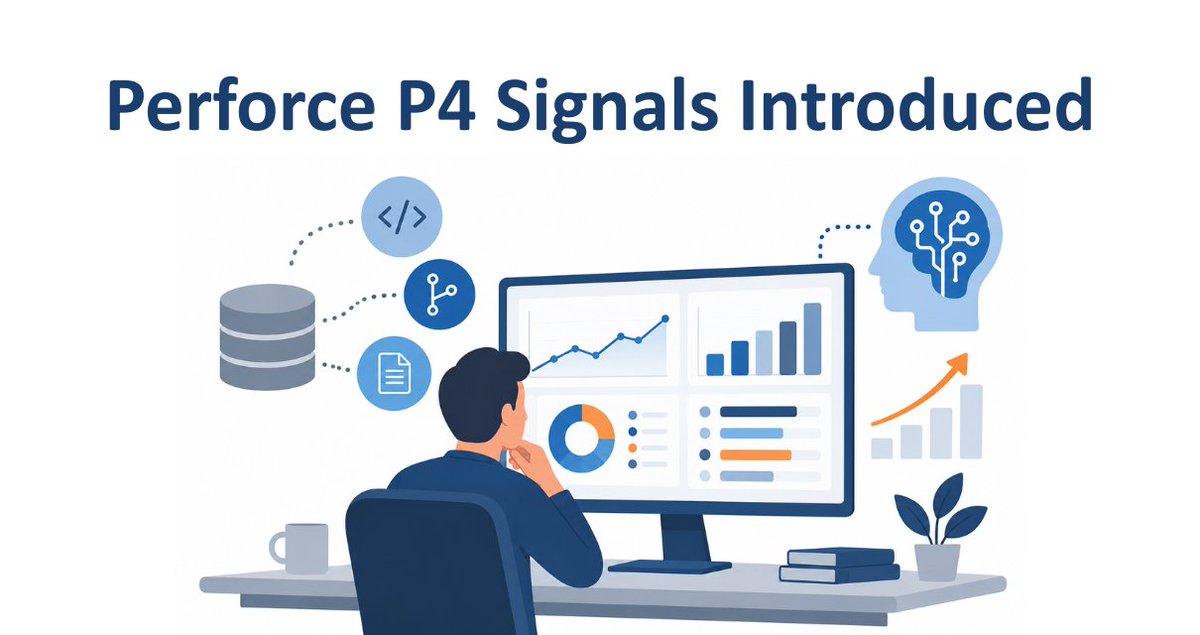
Perforce has introduced P4 Signals, a new engineering intelligence product designed to turn P4 development data into actionable metrics.
It will provide visibility into DORA metrics, time-to-review, time-to-resolution, branch activity, and project-level comparisons—all using metadata and change history already stored in P4.
One of the big goals: helping engineering teams measure whether investments in AI-assisted development are translating into meaningful productivity gains. P4 Signals is expected to become available next year.
🔗 Read more: https://t.co/N6SQIq4N40
#Perforce #DevOps #EngineeringIntelligence #AI #DeveloperProductivity #PlatformEngineering
Atlassian is changing how Automation usage is priced—and teams may want to take a closer look at their rules before the changes arrive.
In this ReleaseTEAM news segment, we explain what’s changing and show how STEPS can help you estimate what your current automation usage could cost.
🧮 Explore STEPS: https://t.co/VMoKqU0aUP
#Atlassian #AtlassianAutomation #Jira #DevOps
As AI reshapes software development, a secure and trusted software supply chain remains critical.
Sonatype’s Nexus Platform helps teams manage and secure the open source components, dependencies, and packages flowing through their development pipelines. And as AI-assisted development makes it easier to generate and ship more code, having visibility and control over what actually enters your software becomes even more important.
AI changes the way we build. Tools like Sonatype Nexus help make sure we’re still building on a trusted foundation.
https://t.co/oh4CdM2OXt
#TuesdayTools #Sonatype #NexusPlatform #DevSecOps #SoftwareSupplyChain #AI
You probably know Discord for chat and communities, but its Engineering & Developers blog is worth a follow for a different reason.
Discord’s engineers regularly share how they tackle real-world challenges around infrastructure, scalability, reliability, cloud, databases, security, and developer experience—often at massive scale.
It’s a great behind-the-scenes look at how a large engineering organization solves complex technical problems—and the lessons are useful well beyond Discord.
🔗 Check it out: https://t.co/X3oiv3lXs2
#FridayFollow #DevOps #PlatformEngineering #SoftwareEngineering #CloudComputing #DeveloperExperience
What if your development platform could make deployments more consistent, security more integrated, and releases more predictable?
Red Hat OpenShift brings Kubernetes, GitOps, CI/CD, monitoring, security controls, and hybrid cloud flexibility together on a supported platform. But where does that make the biggest difference for development teams?
We break down 5 ways OpenShift can help teams deliver better software in our latest blog.
🔗 Read more: https://t.co/cCT7sdlGgY
#RedHat #OpenShift #DevOps #PlatformEngineering #CloudNative
A successful ML pipeline isn’t necessarily a secure ML pipeline.
As machine learning moves from experimentation into production, MLOps pipelines need the same security discipline we’ve built into DevOps. That means protecting secrets, validating inputs, checking external services, verifying model artifacts, and creating an auditable record of what happened.
The takeaway: SecMLOps should be built into the pipeline—not added as a final checklist.
🔗 Read more: https://t.co/8SLARI30Li
#MLOps #SecMLOps #DevSecOps #AISecurity #MachineLearning #DevOps
Cloud environments can get complicated fast. Lucidscale helps teams turn that complexity into clear, visual cloud architecture diagrams.
By automatically visualizing cloud infrastructure, teams can better understand relationships, spot potential issues, document environments, and collaborate on architecture without relying on diagrams that quickly become outdated.
For DevOps and cloud teams looking for a clearer view of their infrastructure, Lucidscale is a tool worth checking out.
#TuesdayTools #Lucidscale #DevOps #CloudComputing #CloudArchitecture #PlatformEngineering
https://t.co/hstGo6MJPC
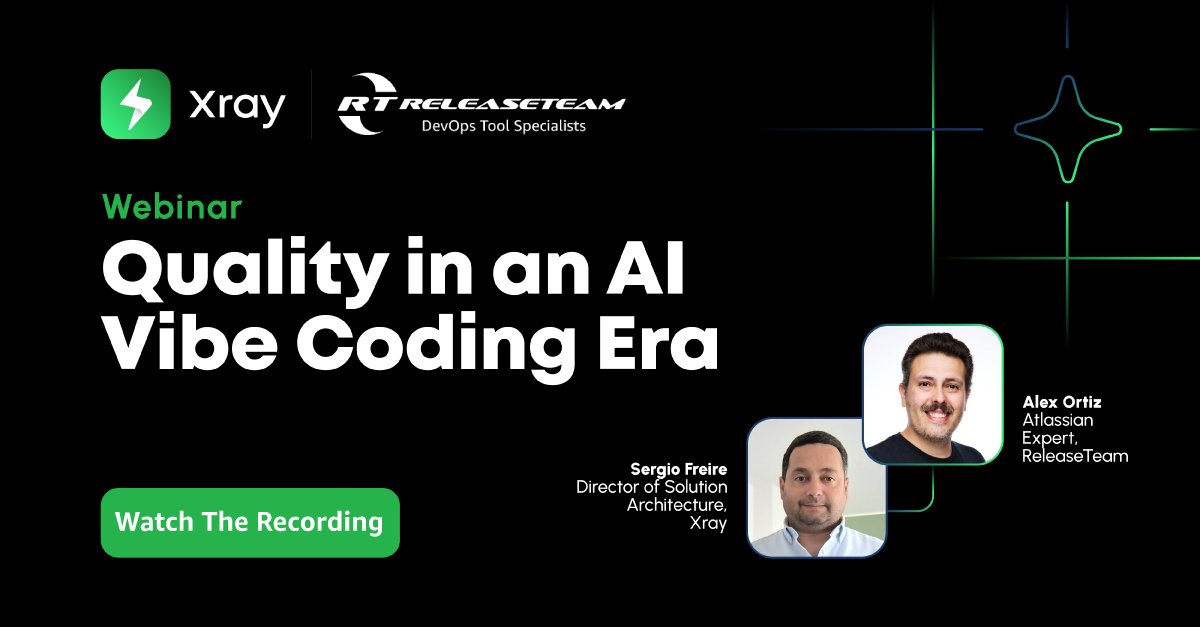
AI can help teams build software faster—but faster code still needs quality testing.
In this on-demand webinar, experts from Xray and ReleaseTEAM explore how AI-assisted development and “vibe coding” are changing software delivery, the risks of inadequately tested AI-generated code, and how teams can keep quality, security, and reliability at the center of development.
See how Xray and Jira can help integrate testing directly into fast-moving, AI-powered workflows.
▶️ Watch the recording: https://t.co/BMcsZrkVaN
#Xray #Atlassian #Jira #AI #SoftwareTesting #DevOps