Rhodium Group is an independent research provider, combining policy expertise and data-driven analysis to help decision-makers navigate global challenges.
In just a few years, Chinese OEMs have gone from zero to almost 30% market share in Thailand, and a whopping 90% of EV sales.
The question now is how much more market share Chinese OEMs can gain in the country.
https://t.co/nCaQOO8TCZ
New project announcements in Q2 rose sharply to $10 billion, more than five times the $2 billion in the previous quarter, largely driven by solar manufacturing projects. Canceled investment increased 4% quarter-on-quarter to $1.7 billion in Q2 2026. https://t.co/GAMCcMKveO
In Q2 2026, actual investment in US clean tech manufacturing increased 4% quarter-on-quarter to $8 billion, breaking a six-quarter streak of consecutive declines. Investment remained 24% below Q2 2025 levels.
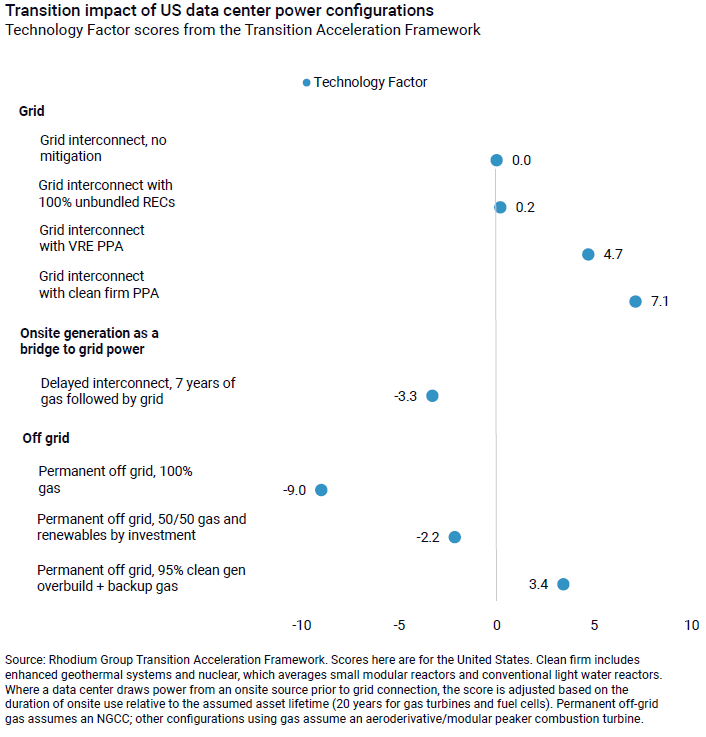
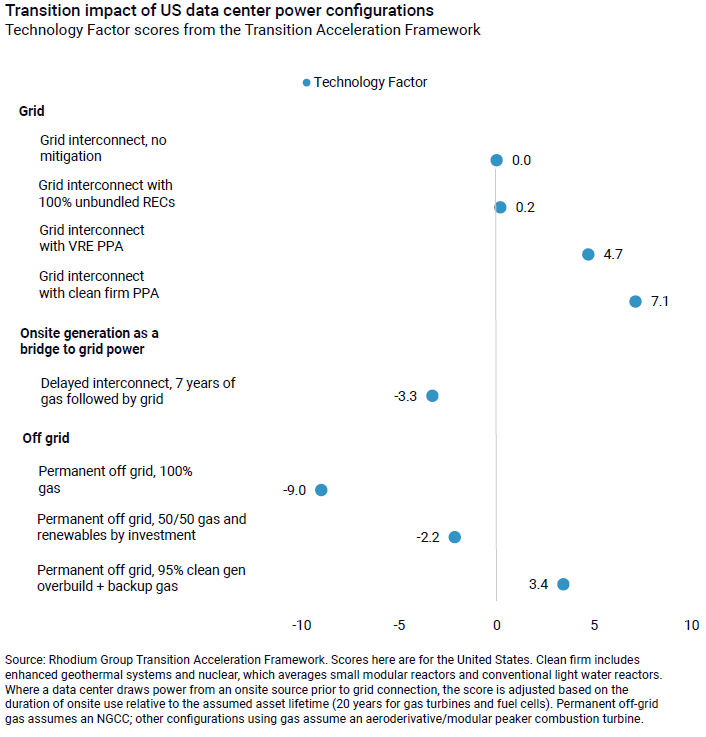
In new analysis, we assess which options for powering data centers genuinely accelerate the energy transition, which undermine progress, and which merely participate in trends that are taking place anyway, using the new Transition Acceleration Framework: https://t.co/BHwjMhxDrP
To mark the launch, we employ TAF to assess which options for powering data centers genuinely accelerate the energy transition, which undermine progress, and which merely participate in trends that are taking place anyway, in new research: https://t.co/BHwjMhxDrP
Today we're launching the Transition Acceleration Framework, developed with Generate Capital & CalSTRS, for evaluating where climate investment, policy, and procurement will most accelerate decarbonization, beyond the trajectory the world is already on. https://t.co/C4xVSVSwQf
Global clean tech manufacturing investment has moderated after a decade of extraordinary growth. China and the US were both the primary drivers of that rise and the subsequent pullback—though the nature of each country’s decline differs significantly. https://t.co/Mal9PlVkdw
In both metals and agriculture, disruptions to sulfuric acid supply spread through global trade networks and ultimately feed back into China’s own cost structures.
Over the longer term, the constraints China is now facing are likely to intensify.
https://t.co/kCKcz3jItS
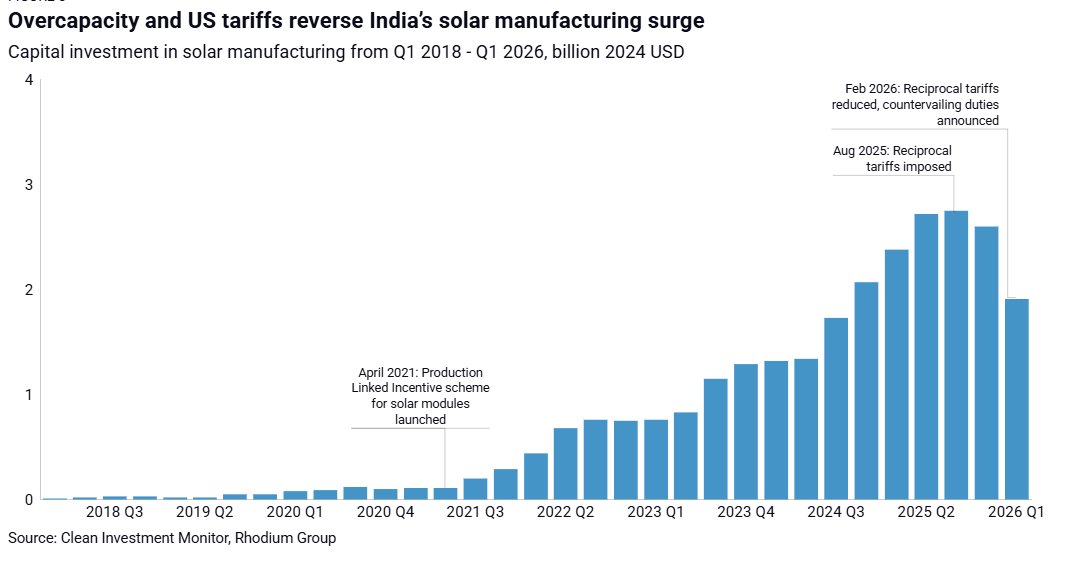
India has seen a massive solar manufacturing build-out, putting it 3rd behind China & US in current and planned solar cell and module capacity. But quarterly investment has recently started falling, due to mounting US tariffs and domestic overcapacity. https://t.co/ysQAQ6AJbA
New: We dig into how the global solar manufacturing landscape is responding to US tariffs and overcapacity—with a focus on India and Southeast Asia, where investment has fallen markedly in recent quarters. https://t.co/ysQAQ6AJbA
Investment in clean steel to date has been concentrated in Europe, where mature capital markets & supportive policy have driven early-stage development. But other regions may hold stronger resource advantages and a clearer path to cost competitiveness. https://t.co/7H3pYBOWcn
Join us on Sept 11 at the @KBHEnergyCenter Symposium for “Supply Chains & Strategic Power: Securing Energy Advantage” featuring Daniel Rosen (@Rhodium_Group), Mackenzie Sorensen (@RioTinto) & Marek Locmelis (@UTAustin). Register: https://t.co/qqA5SUWSk4
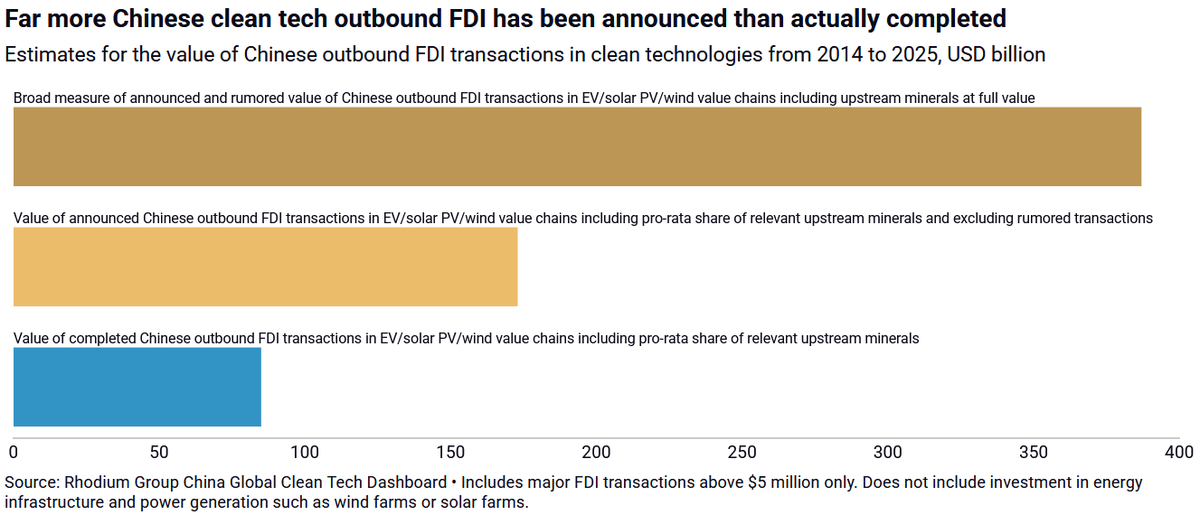
Some expansive accountings of Chinese FDI in clean tech have tallied nearly $400 billion in investment.
In reality though, the footprint of Chinese companies along the supply chains of clean tech is much smaller, with completed FDI likely in the range of $85 billion.
As China and other countries engage in new forms of resource nationalism—attempting to control key industrial inputs at home—the results are strained global supply chains and new constraints on China’s growth.
https://t.co/kCKcz3jItS
Chinese overseas clean tech investment is growing but not as large as some headlines suggest, according to new data on FDI by Chinese companies abroad across the EV, solar PV, and wind turbine value chains.
While SAF production has risen recently, it contributed less than 1% of global jet fuel consumption in 2025. The full pipeline of announced production facilities globally could deliver 19 million tons by 2030, but delays and cancellations have been endemic https://t.co/jbjNCdUKpV
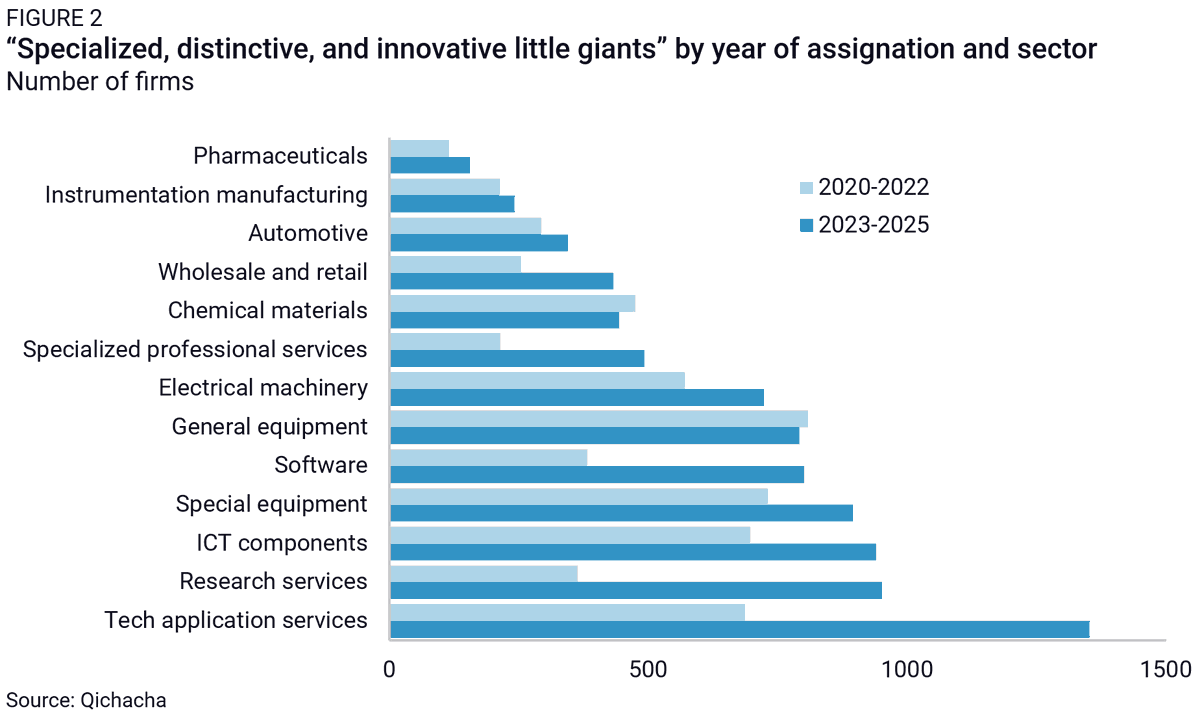
China's policymakers use a tiered program for innovative small and medium companies to enable their industrial upgrading. In recent years, we can see an increased focus on the services industry, as more research and tech services companies are designated in the program.