What’s really interesting about Muse is that it doesn’t seem to have many limitations. It figures out how to get things done, even if that means logging into a website. The built-in password manager and wallet are brilliant. It makes Muse feel like an extension of you.
Meta took something super complex and made it genuinely useful for everyday people. I get the appeal of Muse.
But the irony isn’t lost on me: after years of trying to claw our data back from Meta, we’re handing it over again.
I want to believe. I just wonder: what’s the catch?
Really struggling with Muse vs. Dots. Muse feels more capable and like a cleaner personal assistant. Dots plugs into the ChatGPT tools and plugins I already use, but it’s confusing: when do I ask ChatGPT vs. Dots? Still figuring out which one I like better
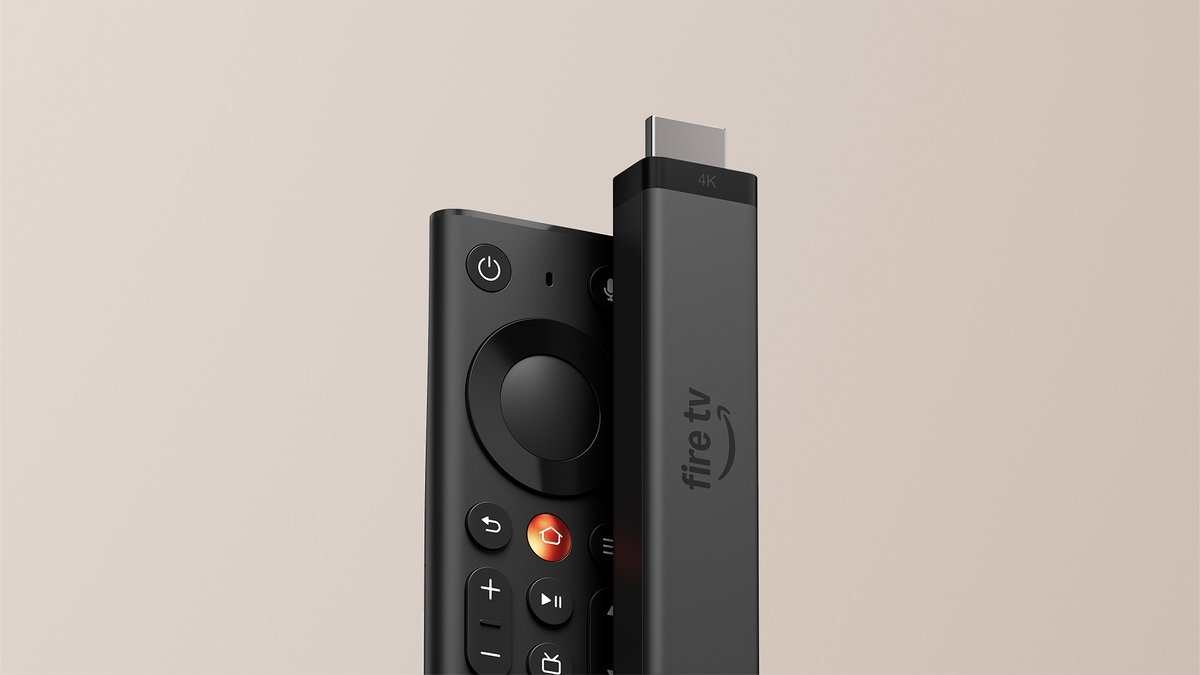
Amazon has a new Fire TV Stick 4K. Usually $60, but $30 right now.
What’s new:
• Faster performance
• Slimmer design
• Can run off your TV’s USB port
• 8 GB storage
• New remote with a better Home button + customizable shortcut button
Ships now. https://t.co/cecU3aC6hX
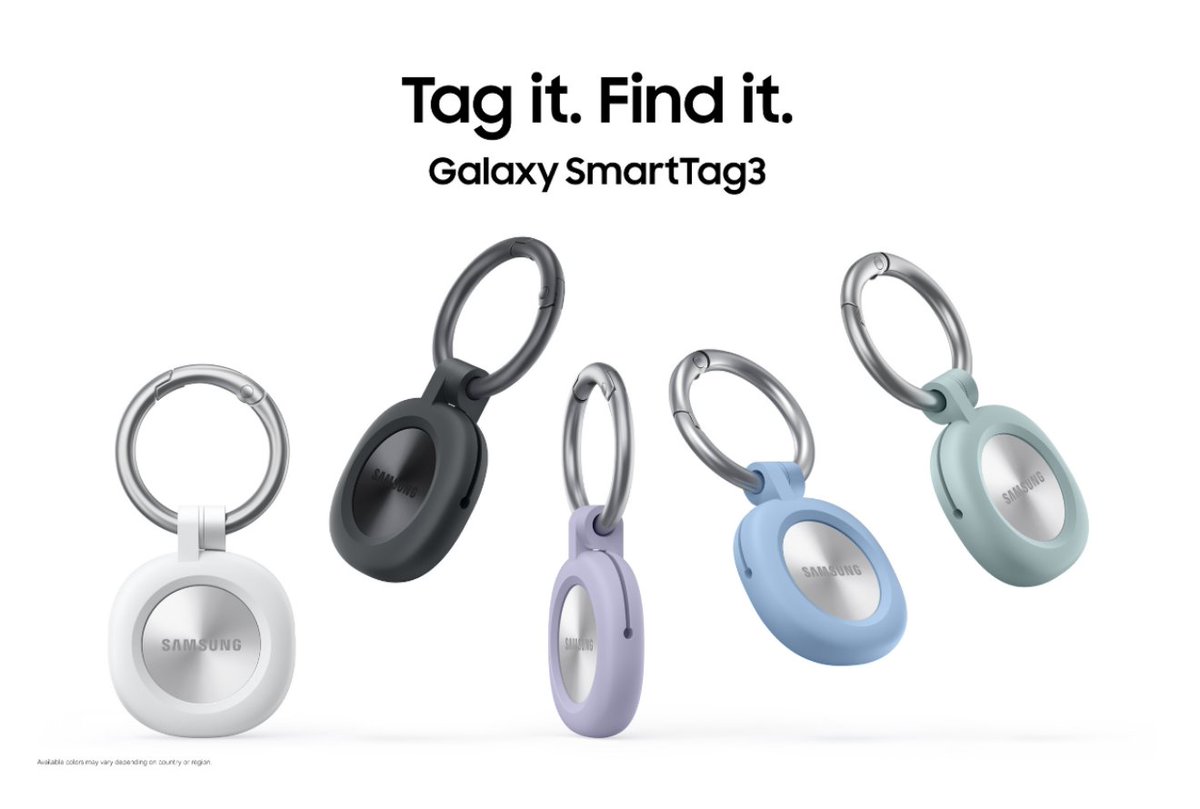
Samsung’s new $30 Galaxy SmartTag3 arrives in November:
• 35% smaller, 33% lighter
• Works with Galaxy + iPhone
• 550-day battery
• 3x longer finding range
• Movement alerts
• NFC loss mode
Samsung says its Find network now includes 900M Galaxy devices.
@davidhsherman13@jyarow i was waiting for this to happen... we are going to have to figure this stuff out as agentic AI is increasingly a thing in the future...
If you haven't played with Meta's Muse AI app, it's pretty incredible. It's basically like an AI assistant armed with a web browser that can connect to your apps and do stuff for you. It's actually very personable too.
@davidhsherman13 Basically how AI commands are broken down for the computer to read so one token might be a couple of characters... Most of the consumer AI services don't really talk in that term so yeah it's probably worth an explanation