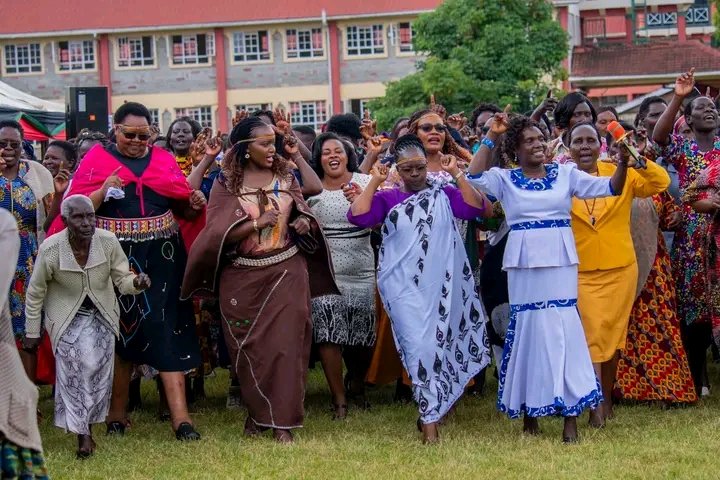
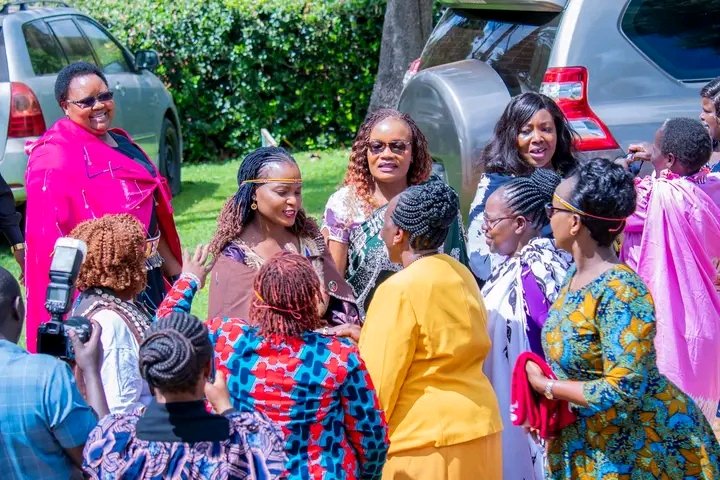
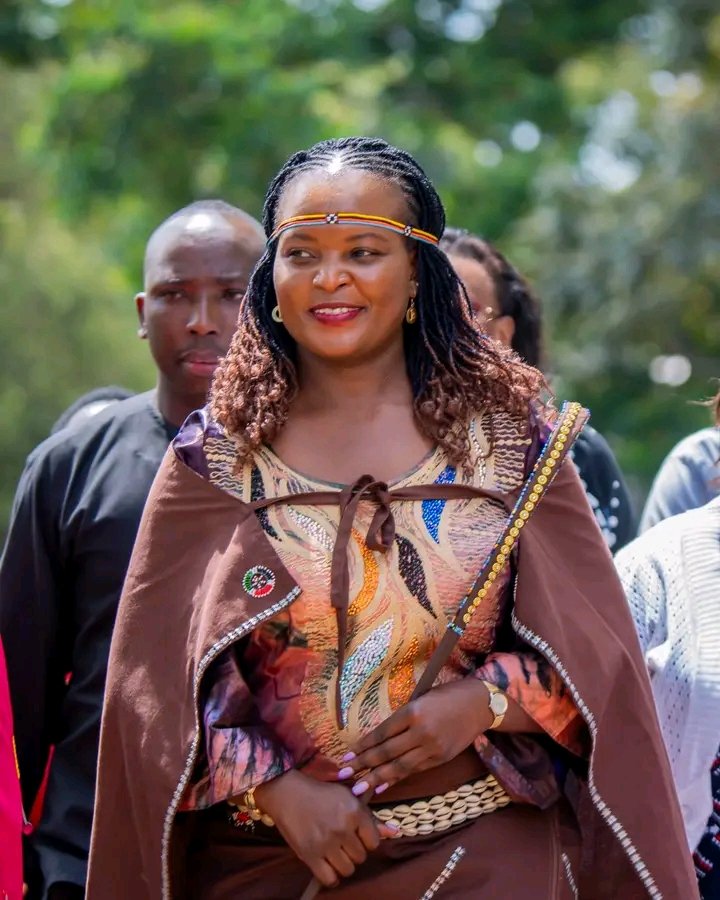
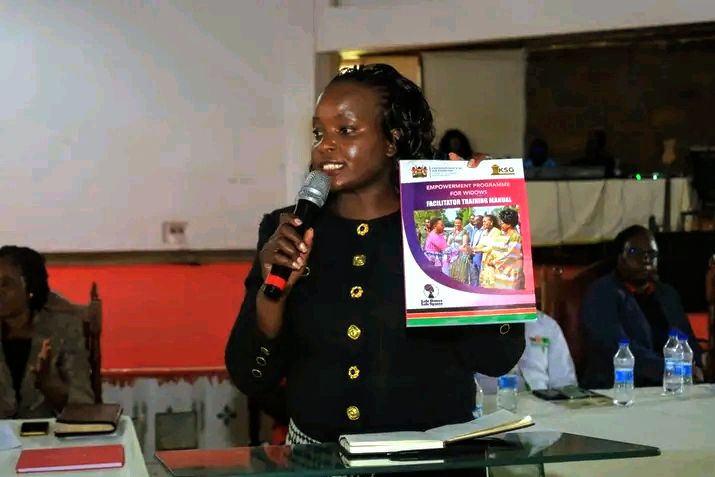
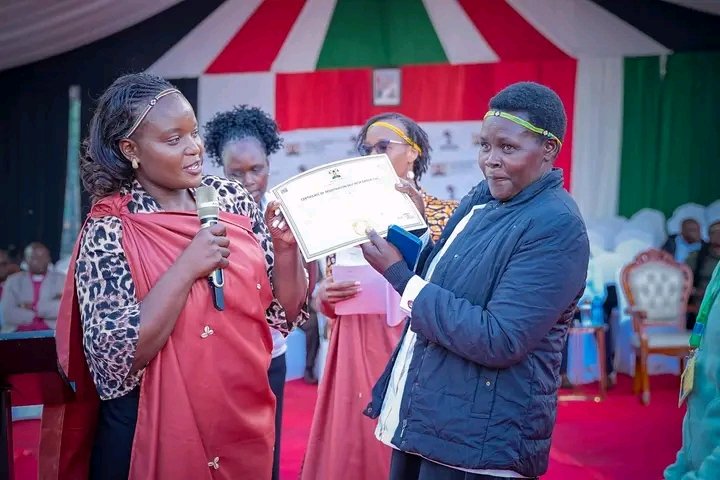
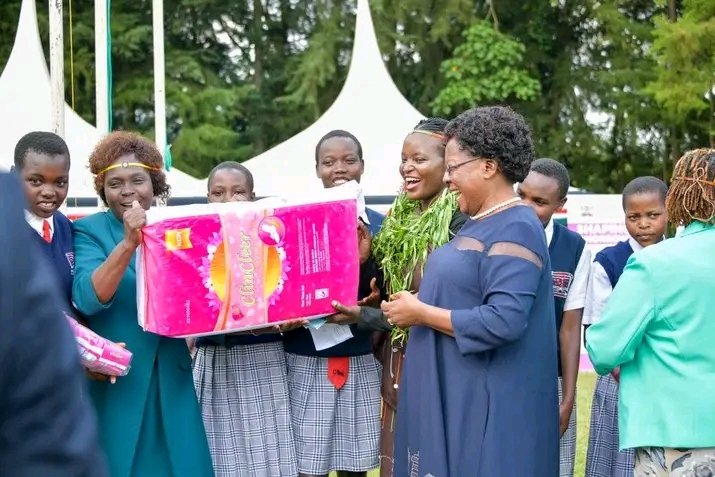
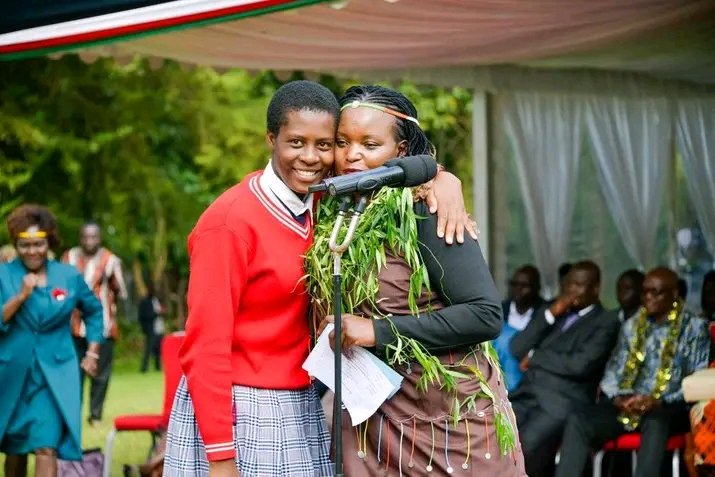
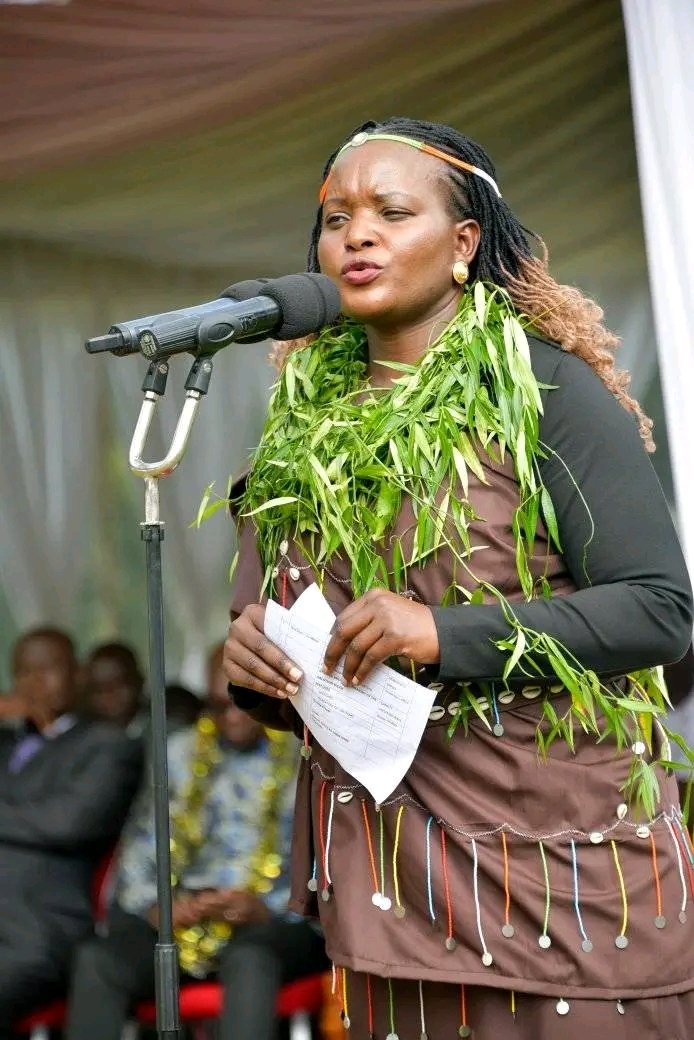
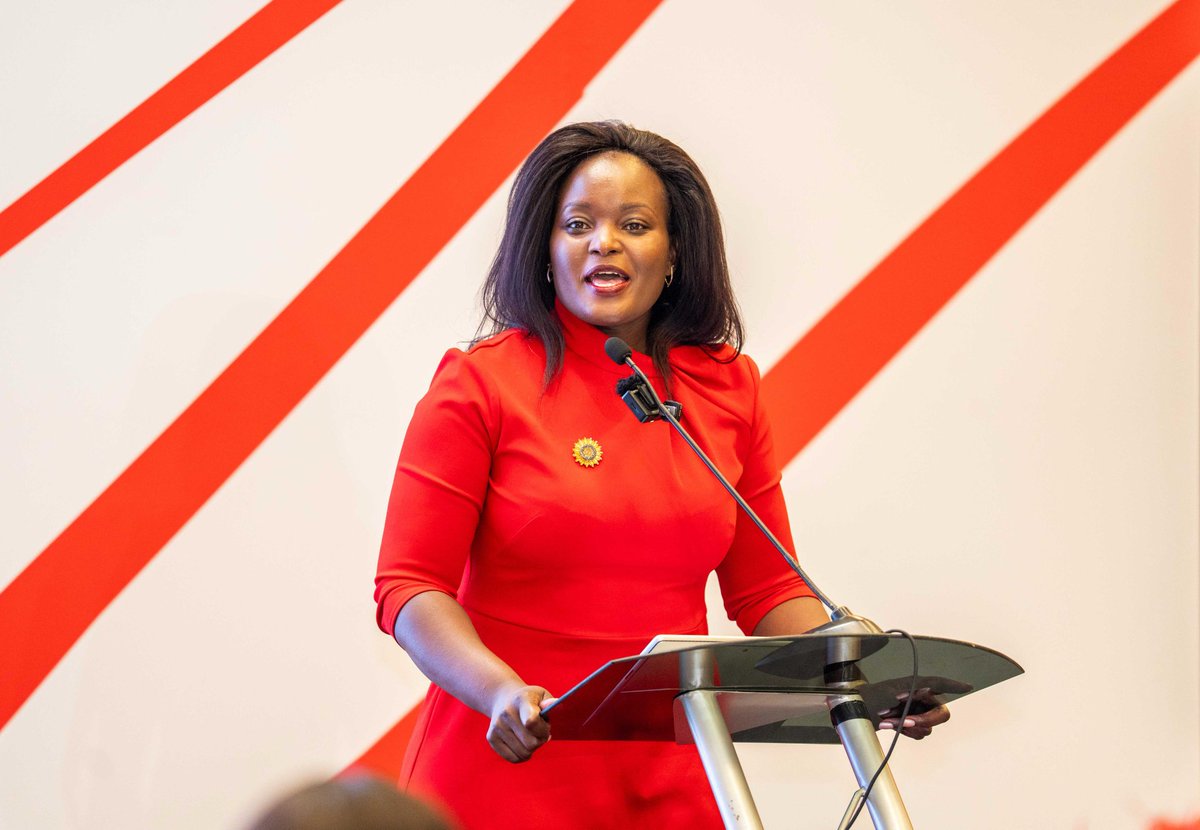
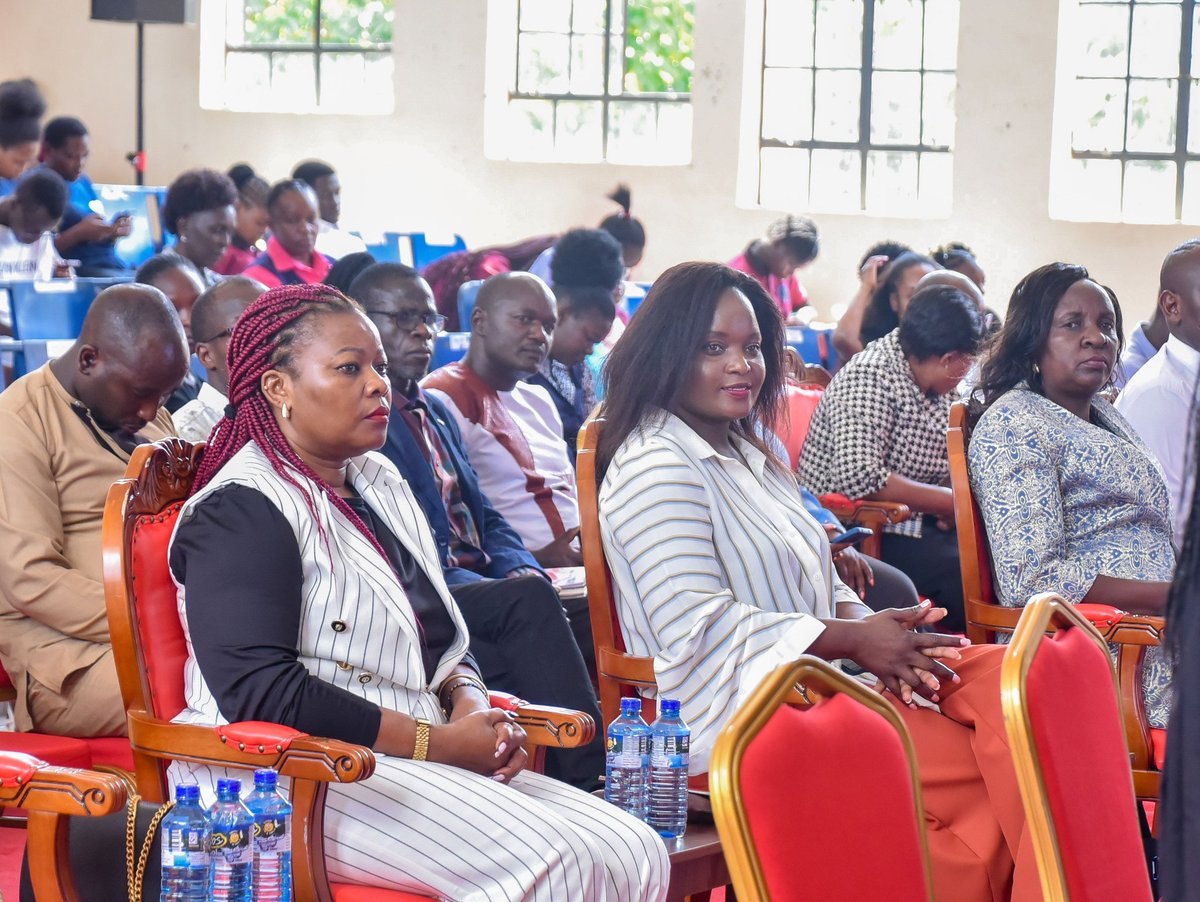
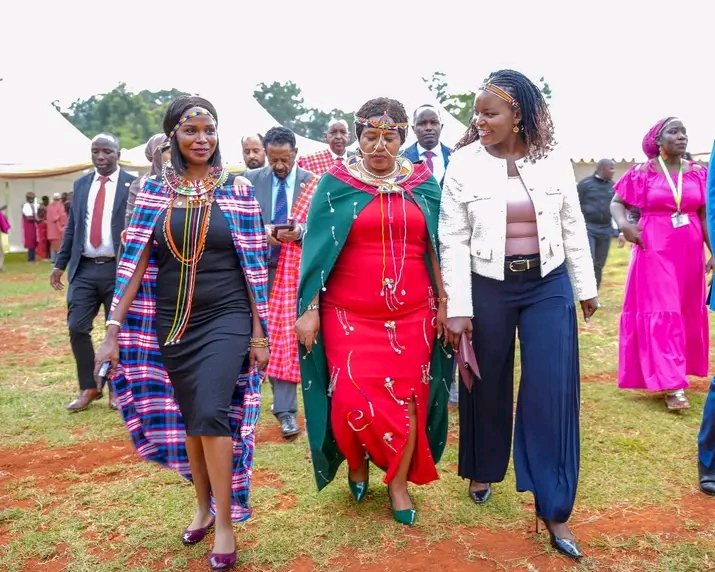
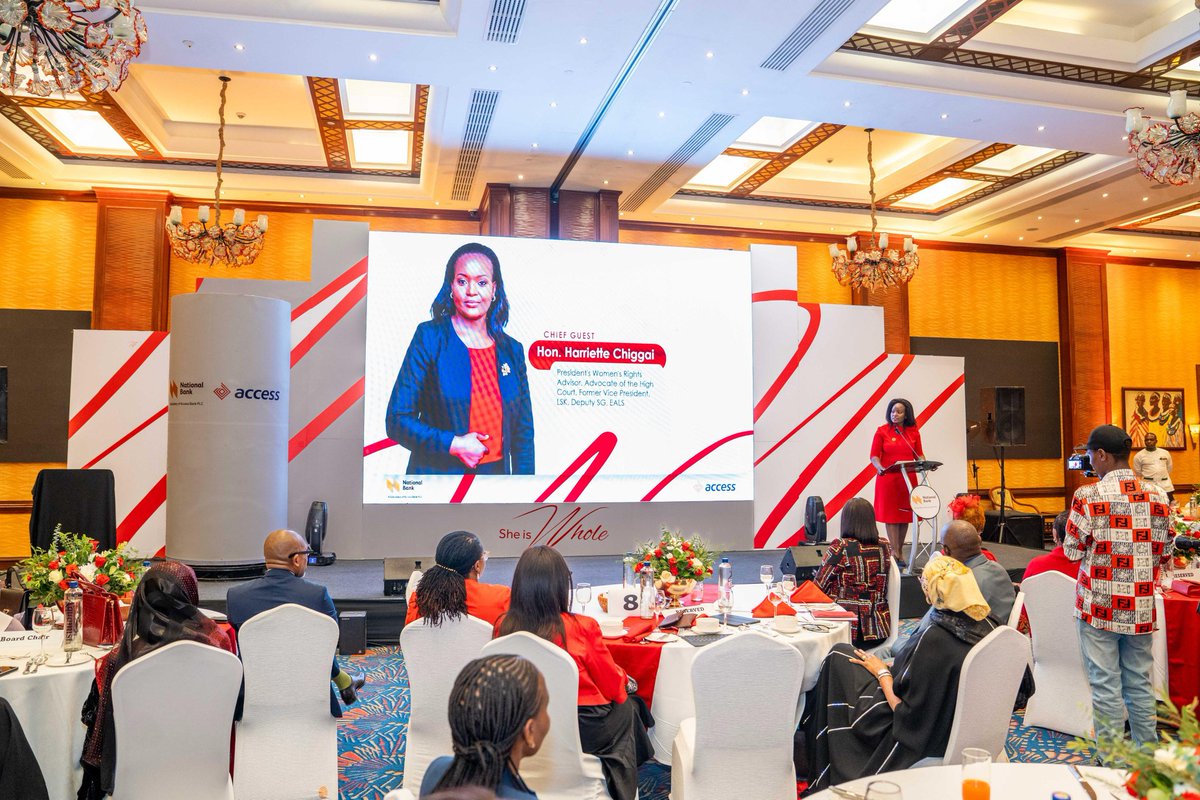
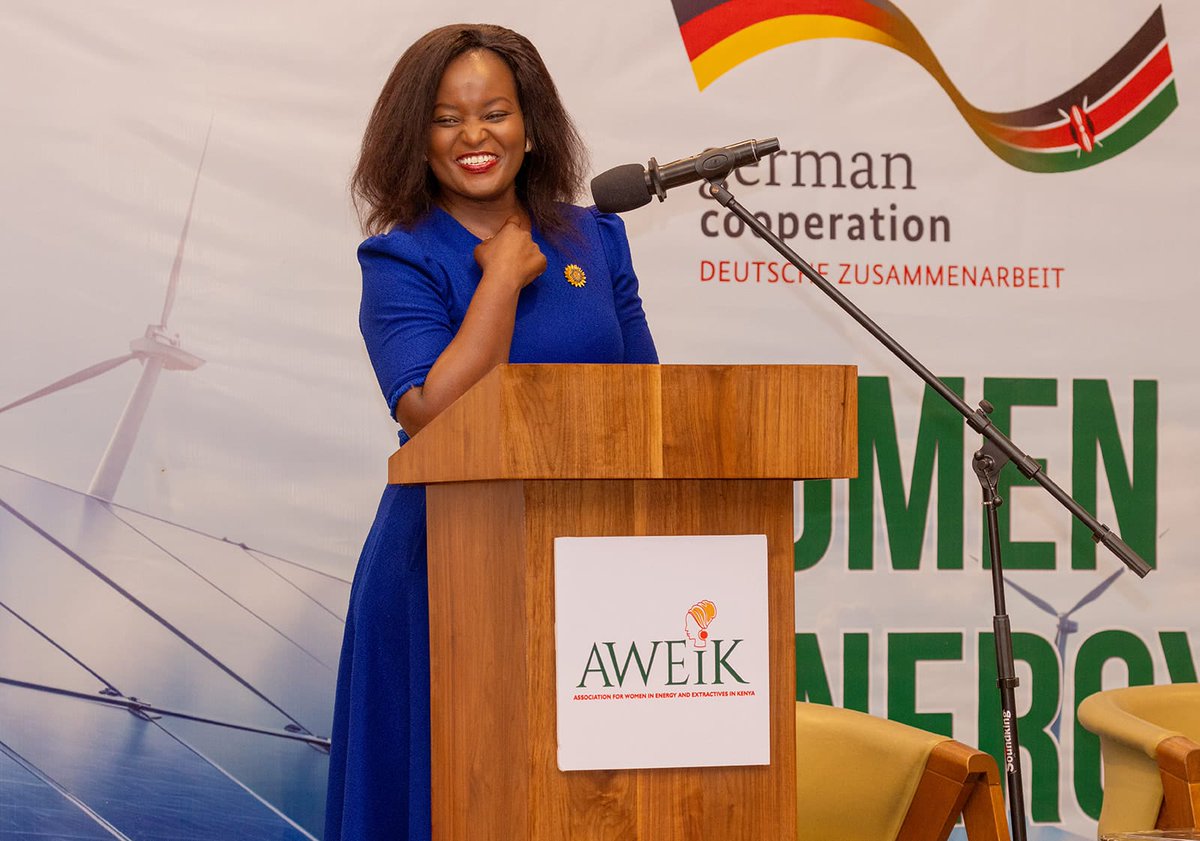
Today, I joined women and youth in Kajiado Central for an economic empowerment programme hosted by Lillian Koech of Exquisite Top Breeders Ltd, in partnership with BCLB, BetPawa, Equity Bank, and KFS.
The training equipped participants with practical skills in modern livestock farming, financial discipline, and value addition, while support through water tanks will strengthen sustainable farming in the face of water scarcity.
Empowering women and youth with skills and opportunity is key to reducing poverty, strengthening families, and building a more resilient nation. This also complements our Safe Homes, Safe Spaces initiative by promoting stable, empowered families and resilient communities.
Through coordinated collaboration across government and key stakeholders, we are advancing responsive policies that broaden economic participation, strengthen productivity and support shared national prosperity.
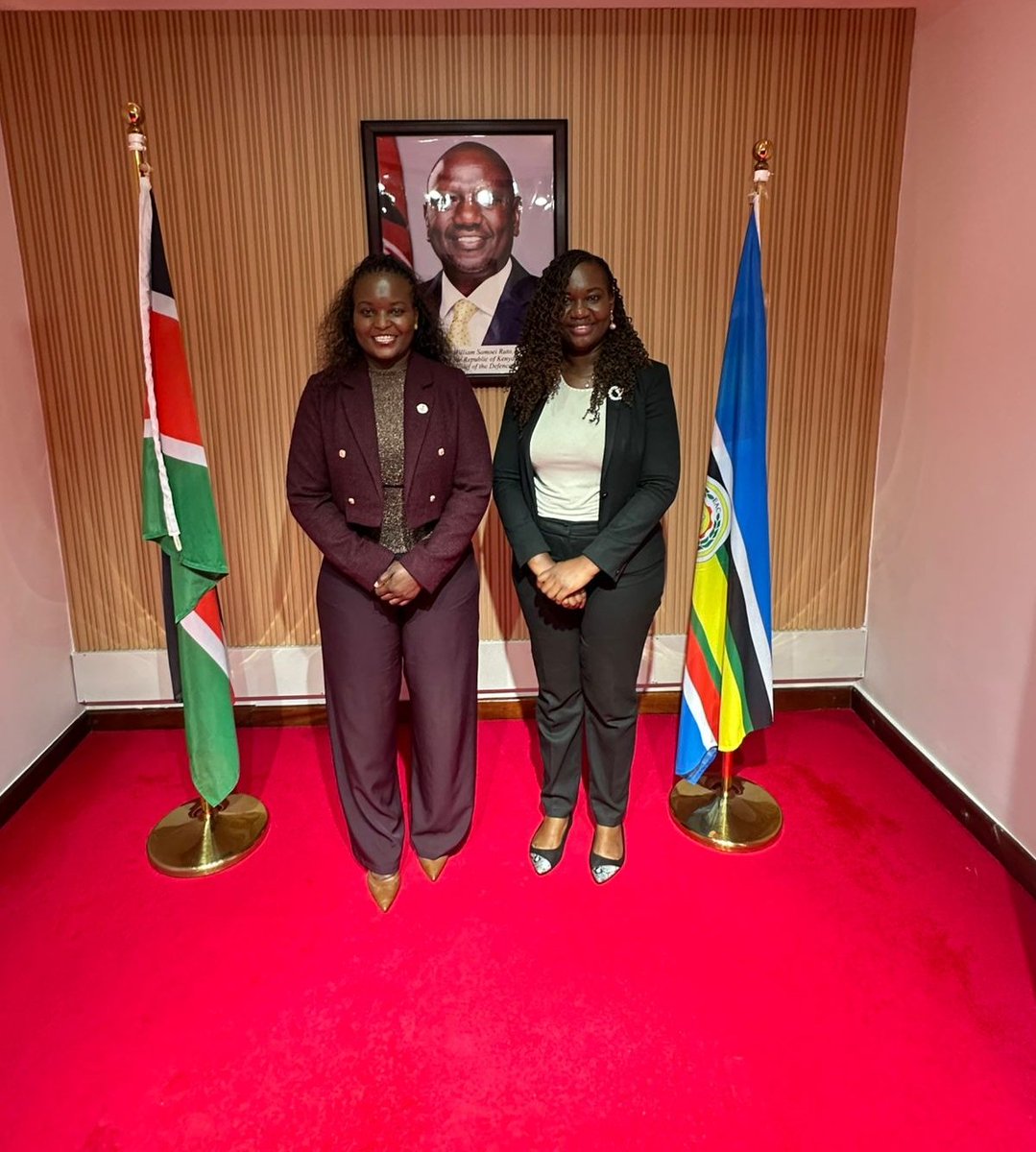
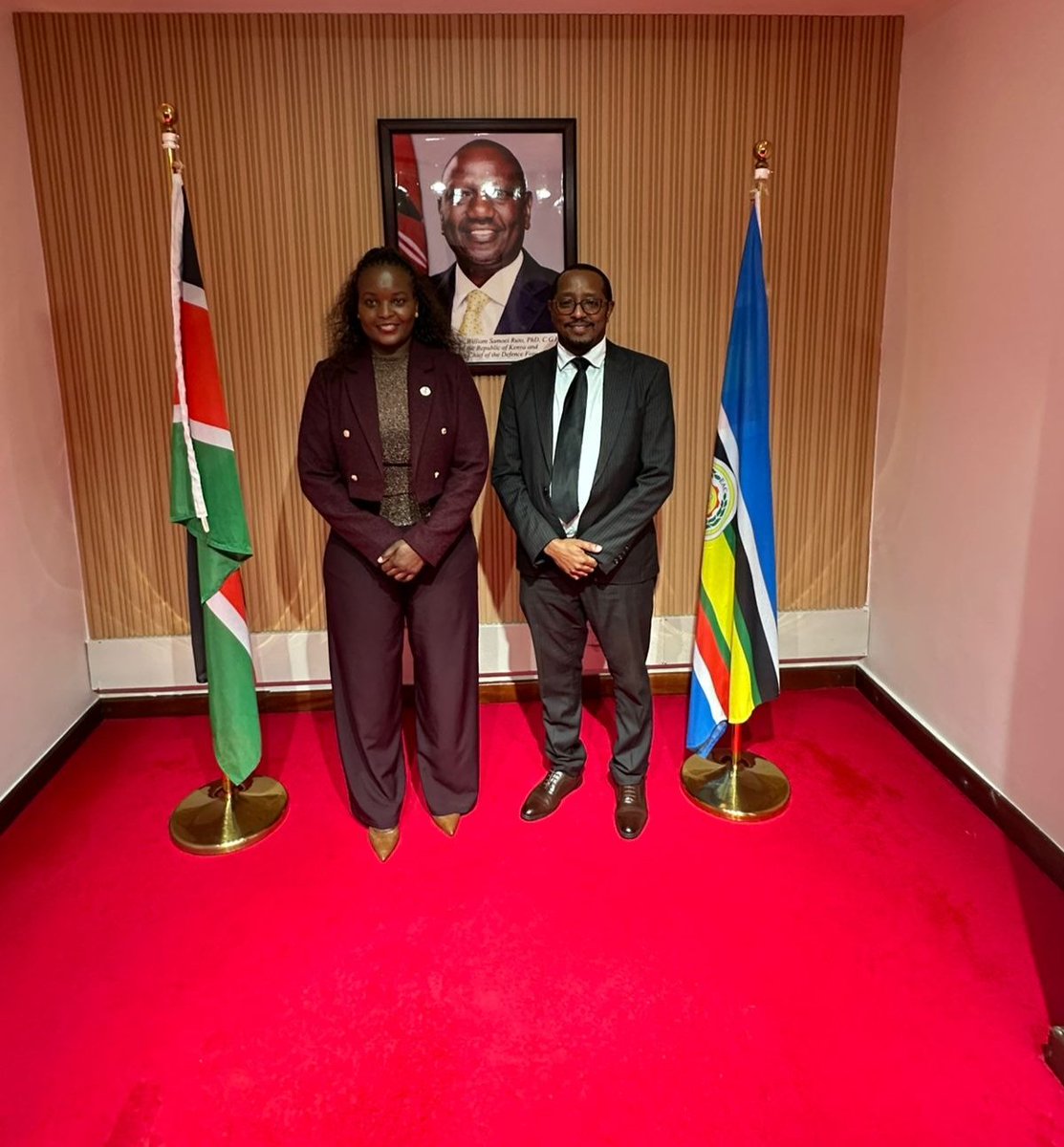
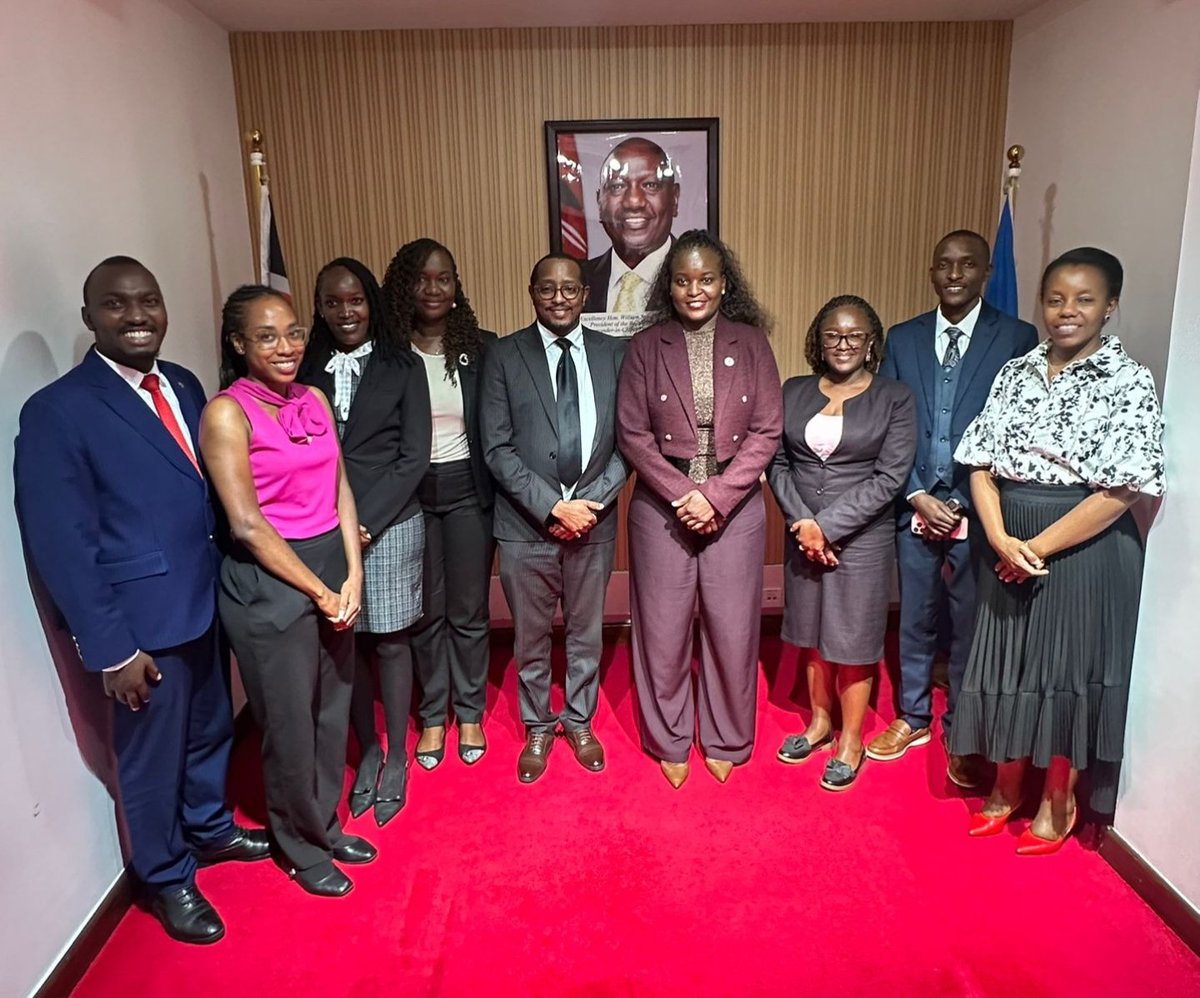
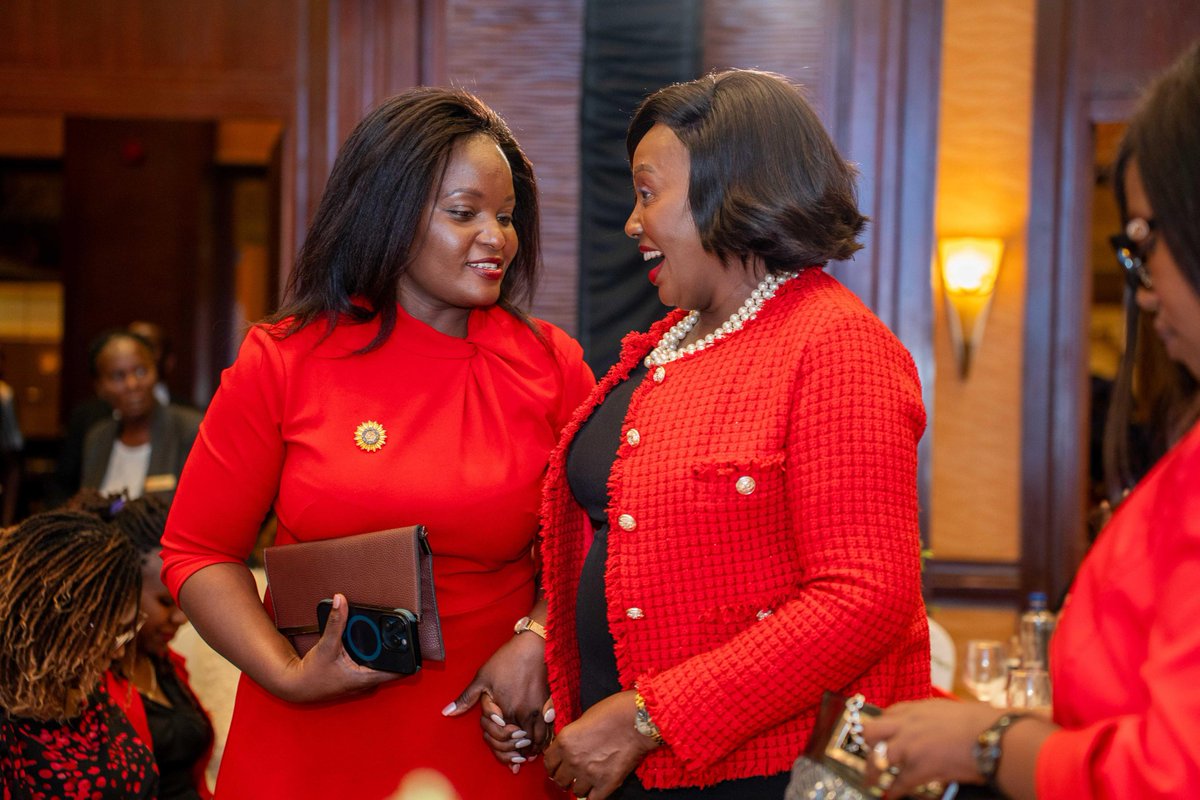
Together with the State Department for Parliamentary Affairs, we convened for a strategic engagement to strengthen collaboration on gender-responsive laws, reaffirming the importance of inclusive legislation in driving equitable and sustainable development.
Through collective engagement, we reaffirm our commitment to policies that reflect and serve all members of society.
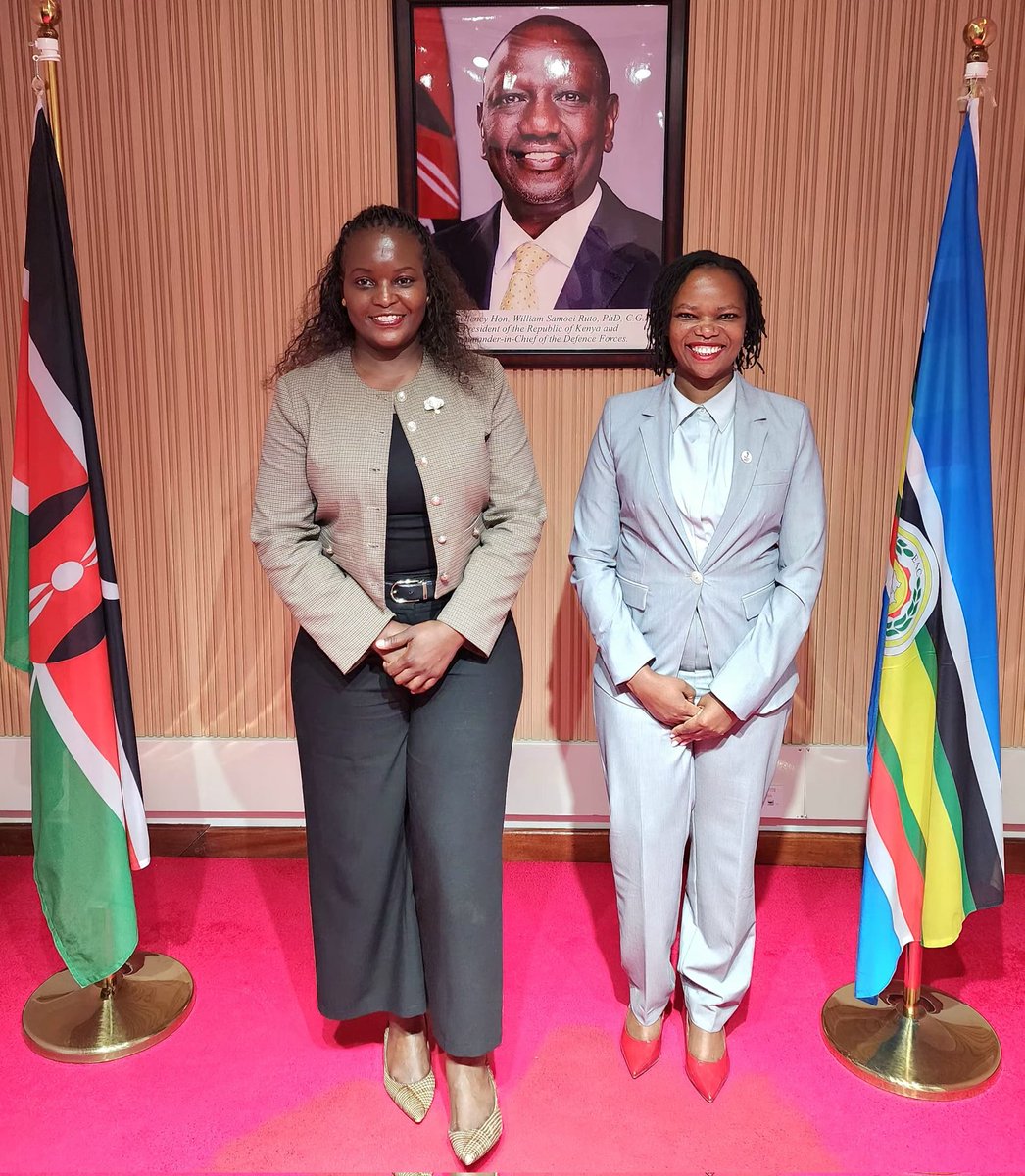
A productive engagement with the CEO of the National Gender and Equality Commission, Ms. Purity Ngina, on advancing gender and equality priorities; strengthening collaboration towards inclusive and equitable outcomes for all.
We remain firmly committed to advancing gender equality by promoting inclusion, protecting rights, and creating opportunities where women and men can thrive equally. Our commitment is grounded in action, partnership, and accountability to ensure lasting and meaningful impact
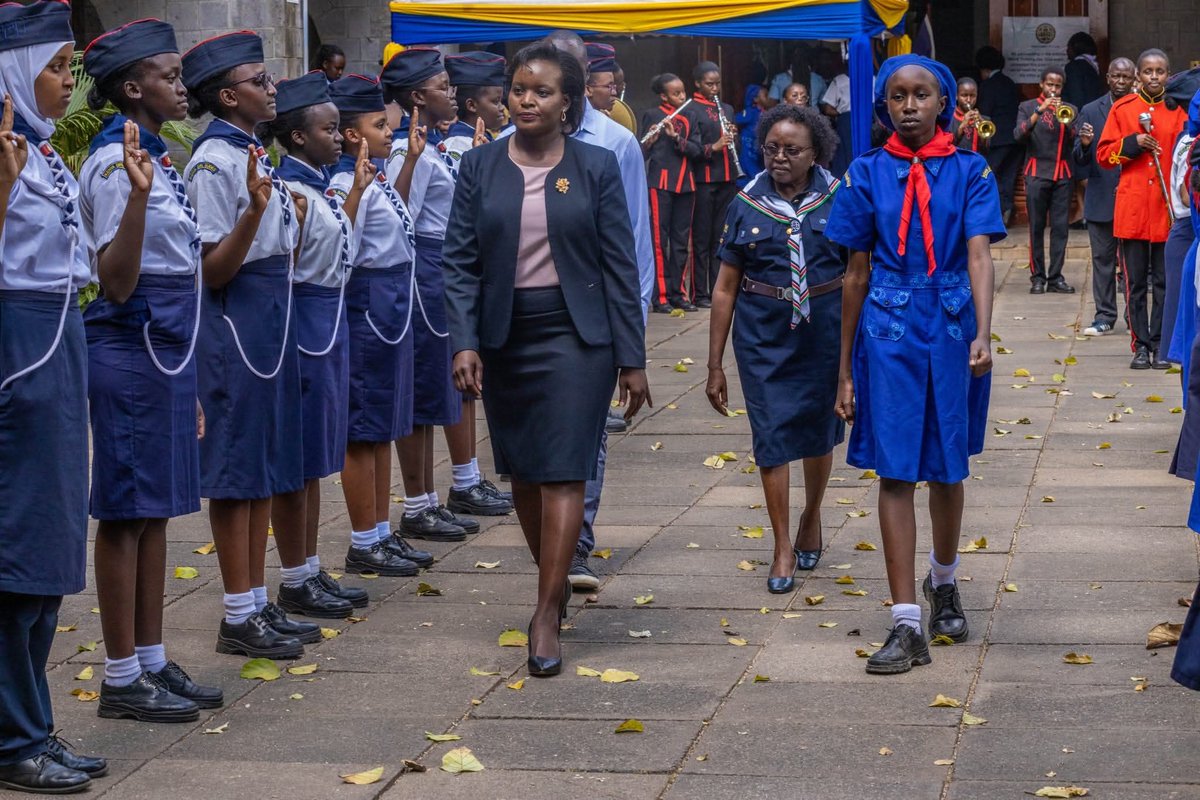
Safeguarding the well-being of every child remains at the heart of our mandate. Through deliberate action, strong partnerships, and responsive policy, we continue to create environments where children are protected, heard, and supported to thrive.
At the center of this commitment is the girl child; championing her right to safety, education, health, and opportunity. By investing in her potential today, we are shaping a more equitable, resilient, and inclusive future for generations to come.
A productive and forward-looking engagement with the Judiciary team, anchored on strengthening family mediation and child-centred justice. Together, we reflected on the African family context, culturally sensitive dispute resolution, and the critical role of mediation in fostering peace within households and communities.
At the heart of the discussion was a shared commitment to protecting children’s best interests and ensuring their voices are heard, trauma-informed approaches are applied, and mediation serves as a bridge between culture, law, and compassion. This collaboration reinforces our collective resolve to build a more responsive, humane, and inclusive justice system.
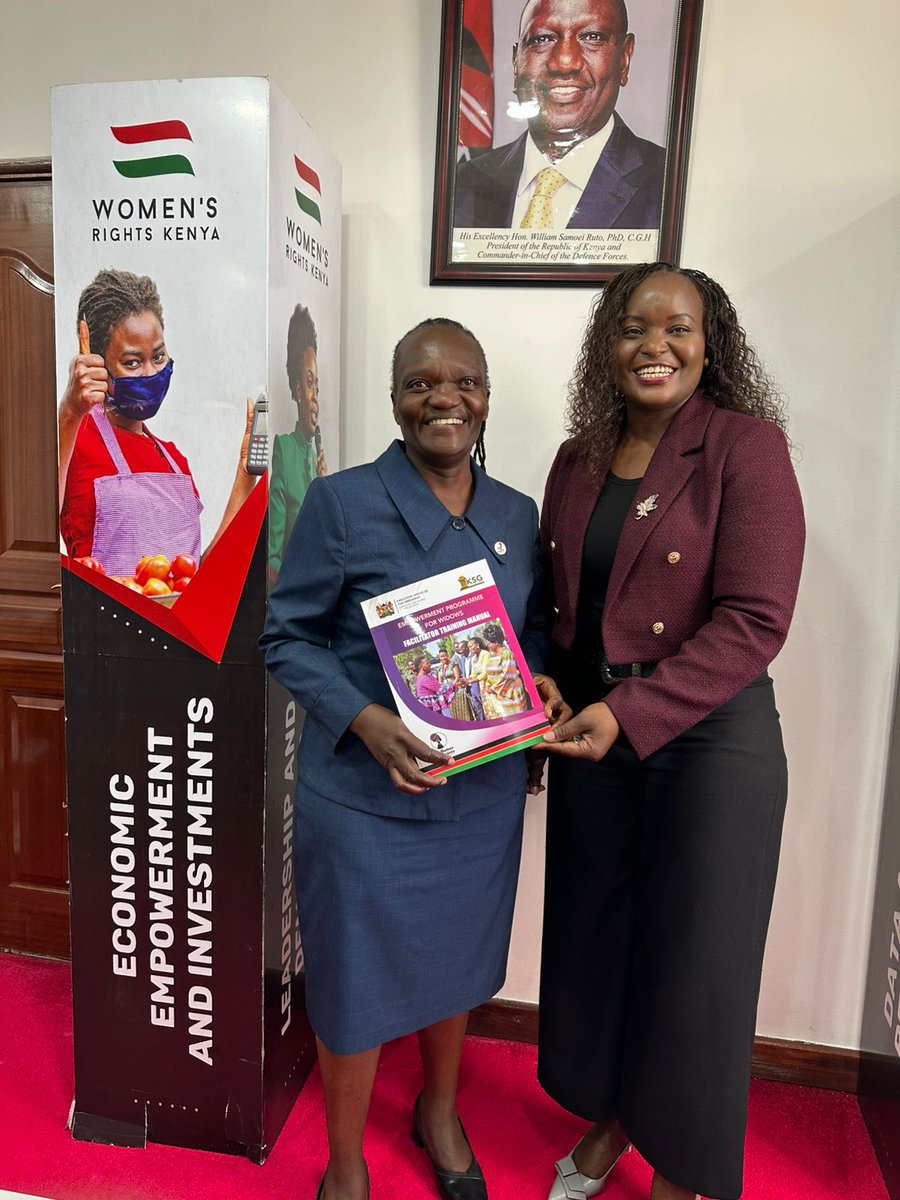
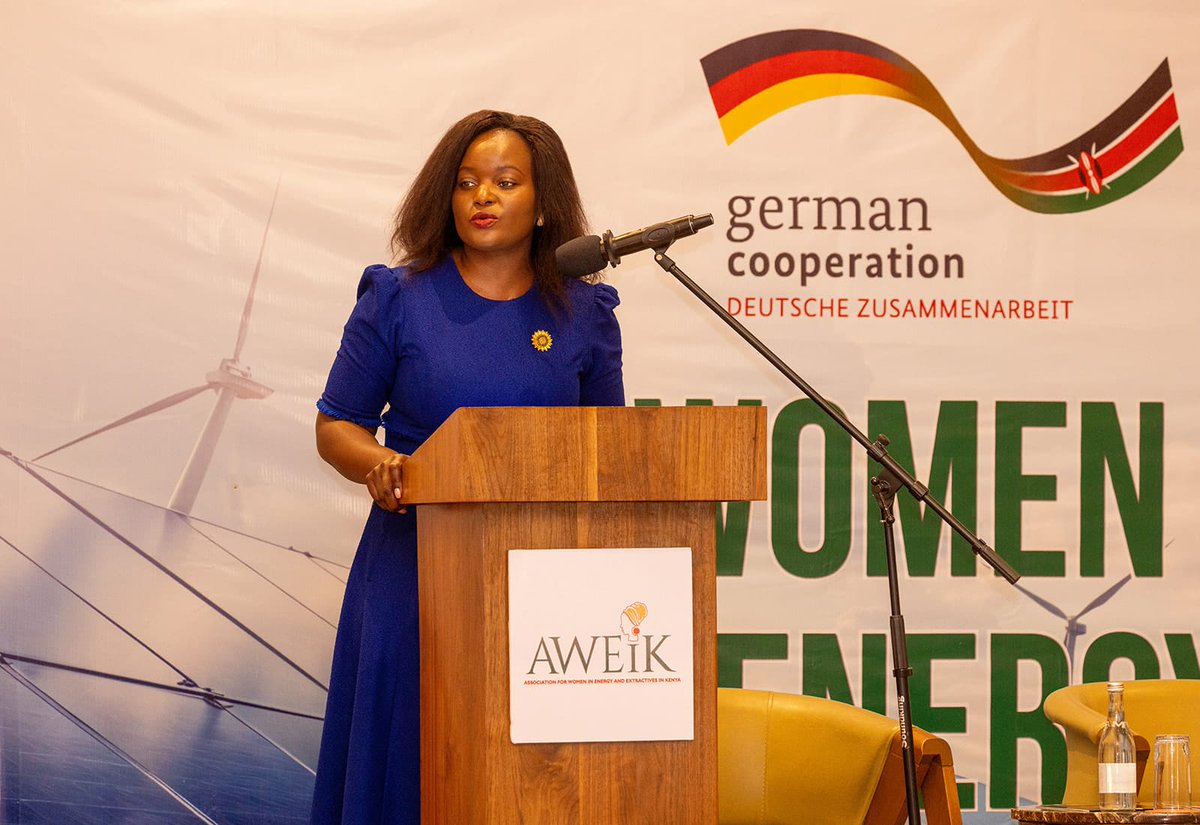
Over the past period, our work in advancing women’s empowerment has focused on inclusion, equity, and impact. Through a policy-anchored, collaborative approach, we are strengthening women’s leadership, protection frameworks, and participation in decision-making.
By aligning gender equality with national development priorities, we are driving sustainable progress and positioning women as key contributors to growth, resilience, and social cohesion.
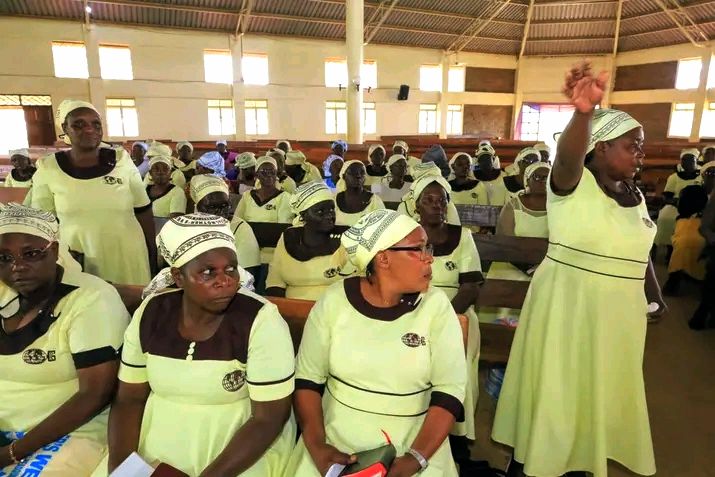
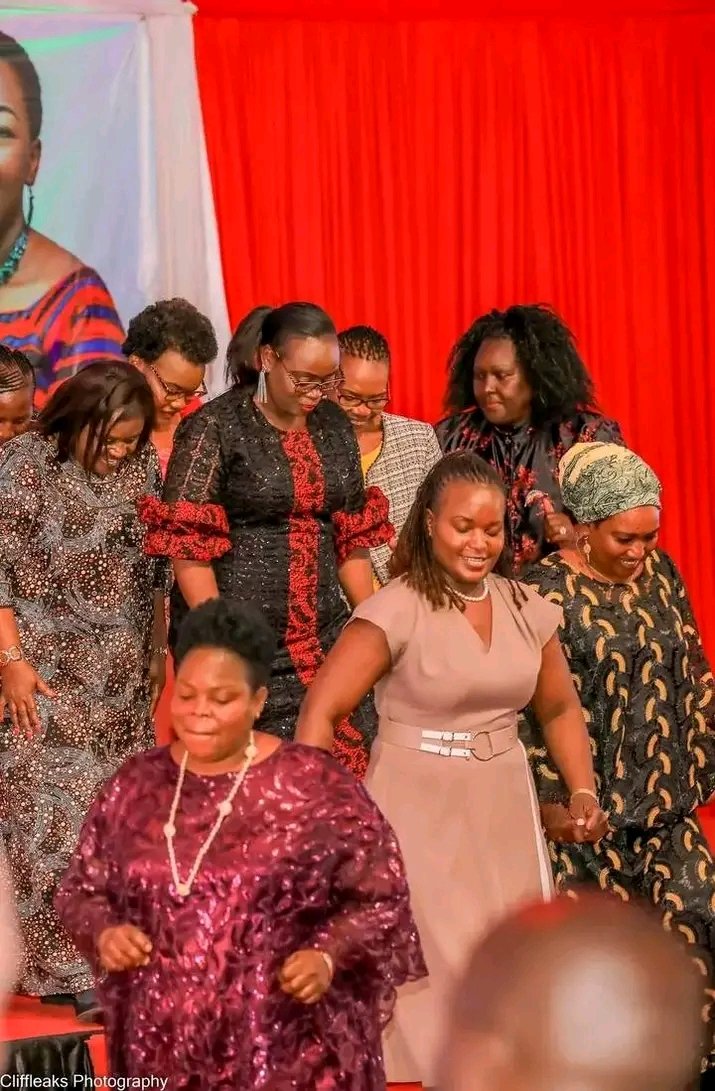
Women are the heart and strength of the Church, carrying faith beyond the altar into everyday life. Through prayer, leadership, and service, they nurture families, guide the young, and extend compassion to the vulnerable. Their devotion weaves faith into action, making the Church not only a place of worship, but a living force of hope within the community.
Anchored in love and service, women in the Church continue to shape communities with grace and resilience. They champion unity, uphold dignity, and respond to society’s needs with quiet courage and unwavering commitment ensuring the Church remains relevant, compassionate, and deeply connected to the people it serves.
As the year comes to a close, we reflect on a year of purposeful action; advancing the gender agenda through inclusive policy, strong partnerships, and impact-driven advocacy.
We appreciate the steadfast leadership of the Office of the President for the unwavering zeal and support that has strengthened this work, and we acknowledge our partners whose collaboration, expertise, and shared commitment have been instrumental in turning vision into measurable impact.
As we step into 2026, our resolve is stronger than ever, bolder action, deeper impact, and a shared commitment to making gender equality a lived reality.
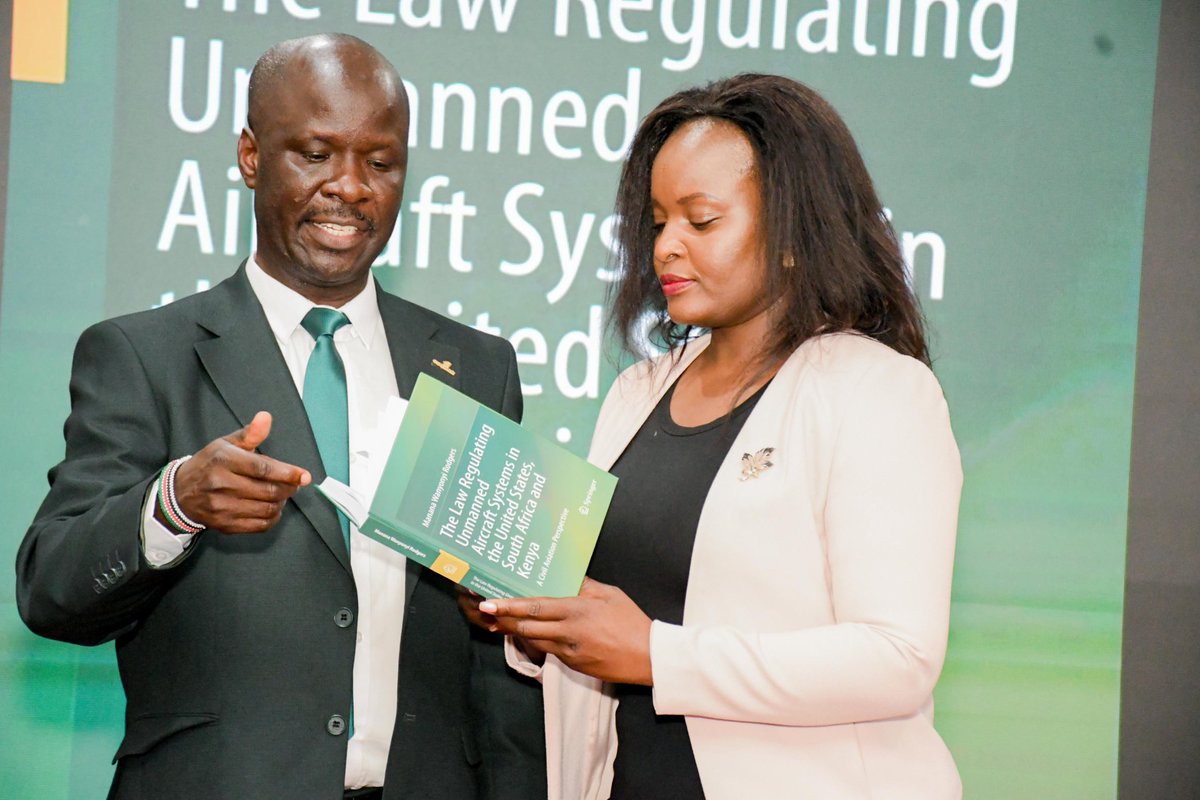
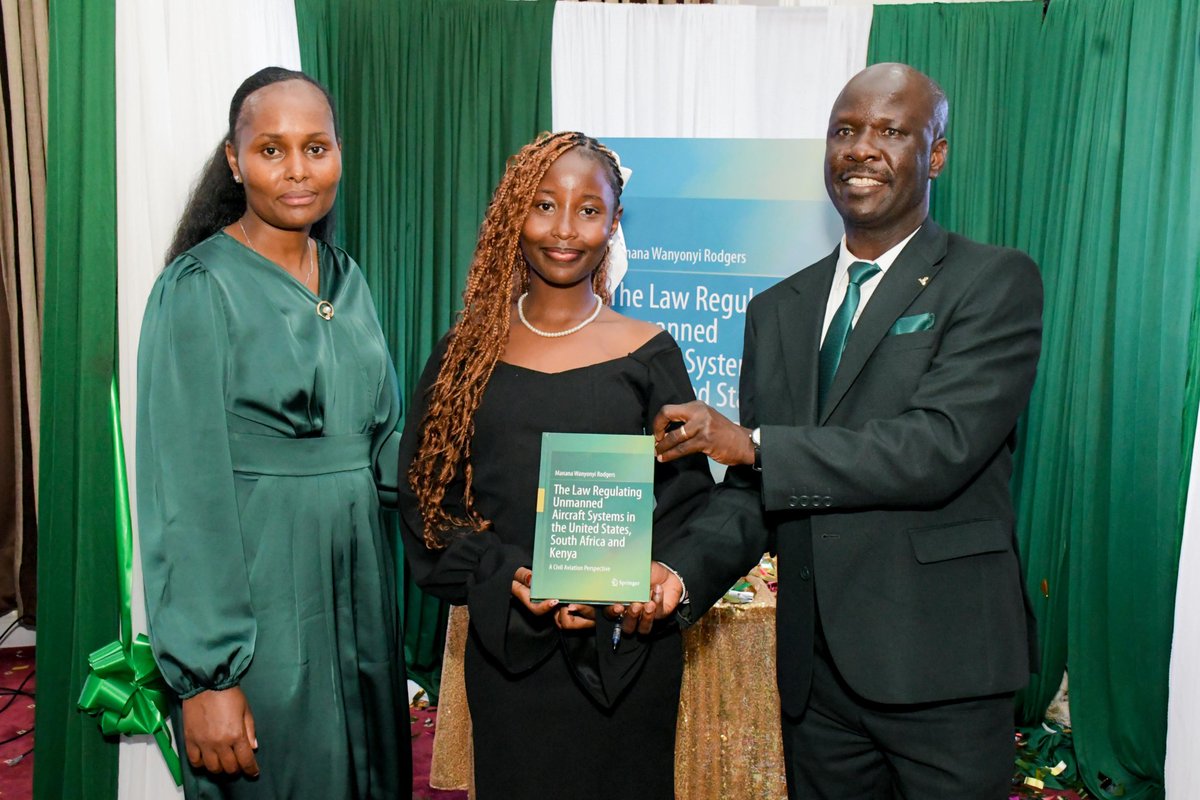
Ideas that soar beyond the horizon took center stage at the launch of Advanced Innovative Air Mobility: Shaping the Globe, as Dr. Rodgers Manana unveiled a bold and compelling vision where cutting-edge innovation redefines air mobility and transforms how the world connects.
More than a book, this launch marked a call to the future where advanced air technologies, sustainability, and global progress converge to reshape cities, economies, and the very way humanity moves across the globe.
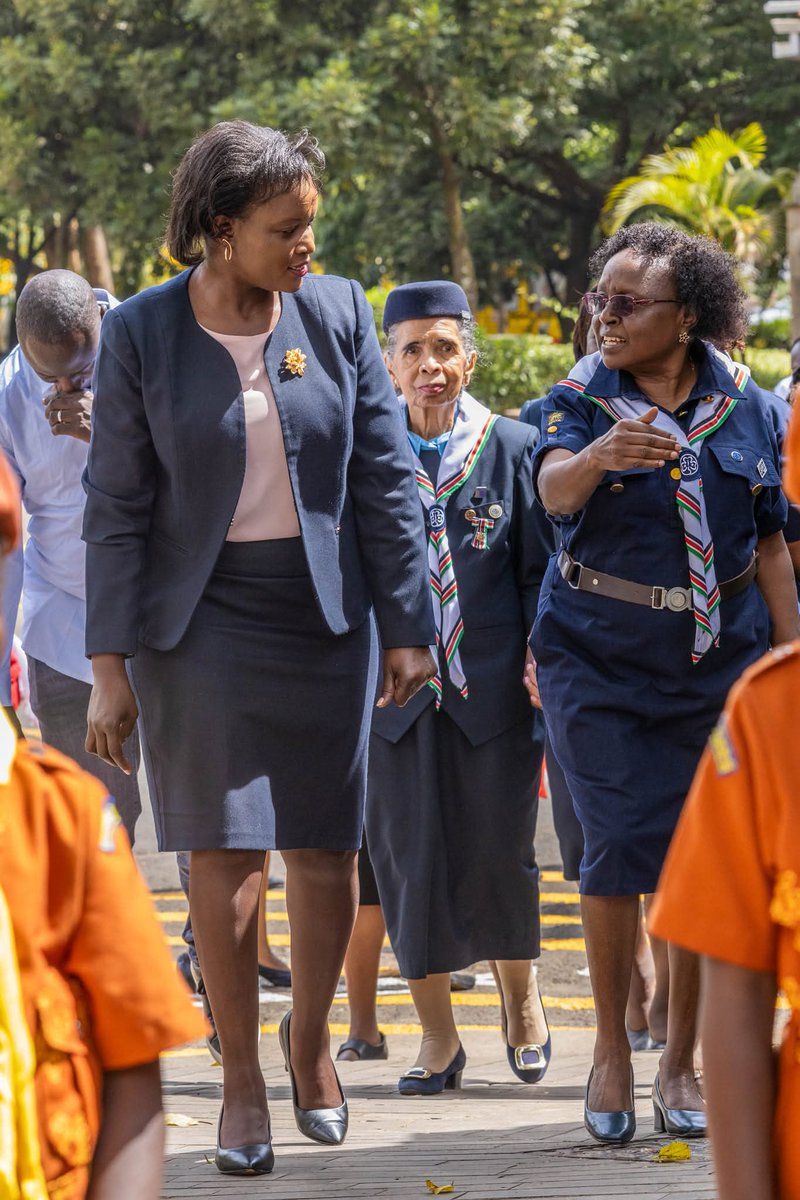
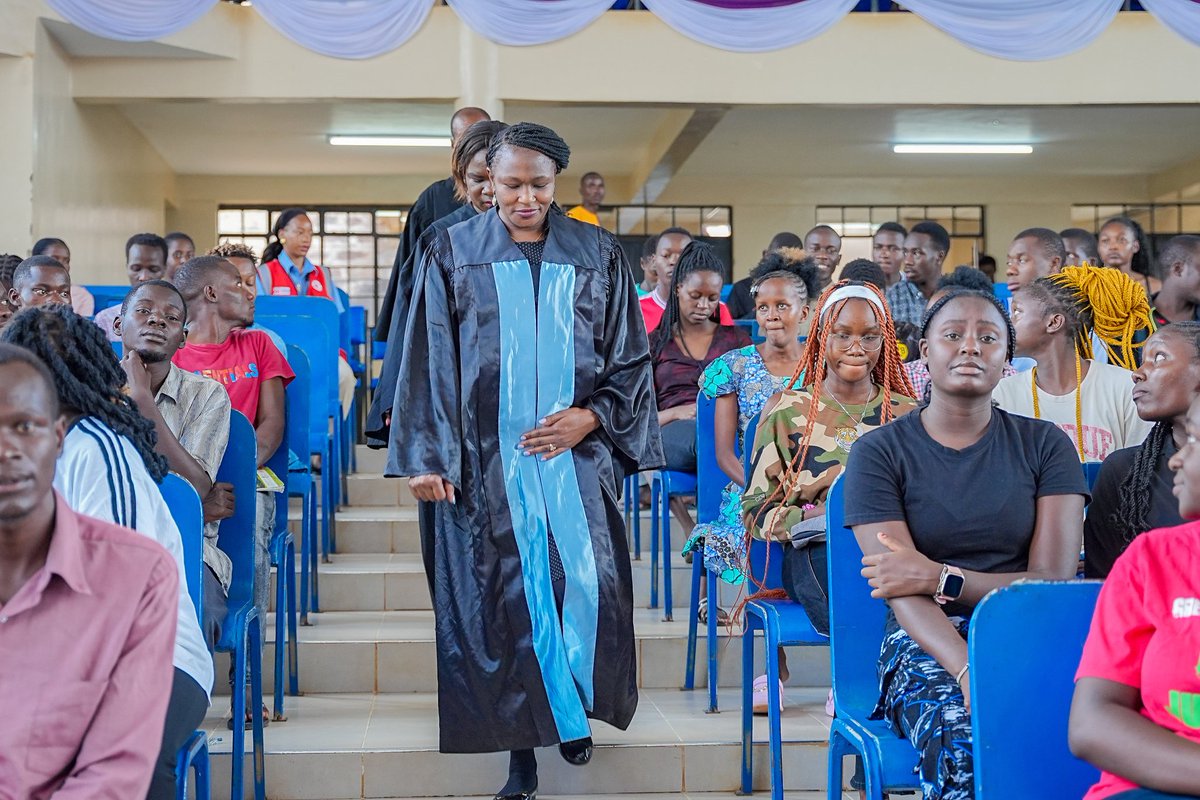
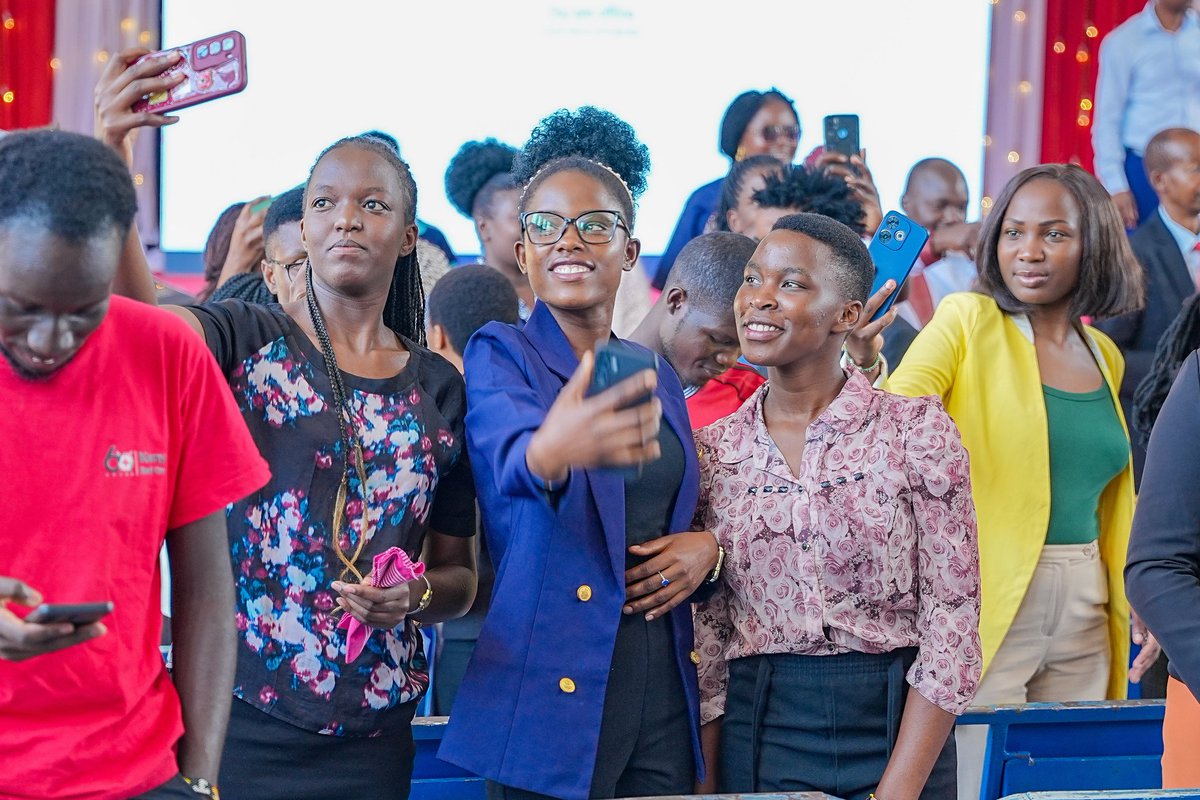
The right guidance, delivered within safe and inclusive spaces, empowers students and young people to make informed choices, confidently navigate their education journey, and fully engage in life-changing programs.
Through strong advisories and supportive environments, young people are nurtured as future leaders, equipped with the knowledge, resilience, and values needed to shape positive change and drive sustainable development.
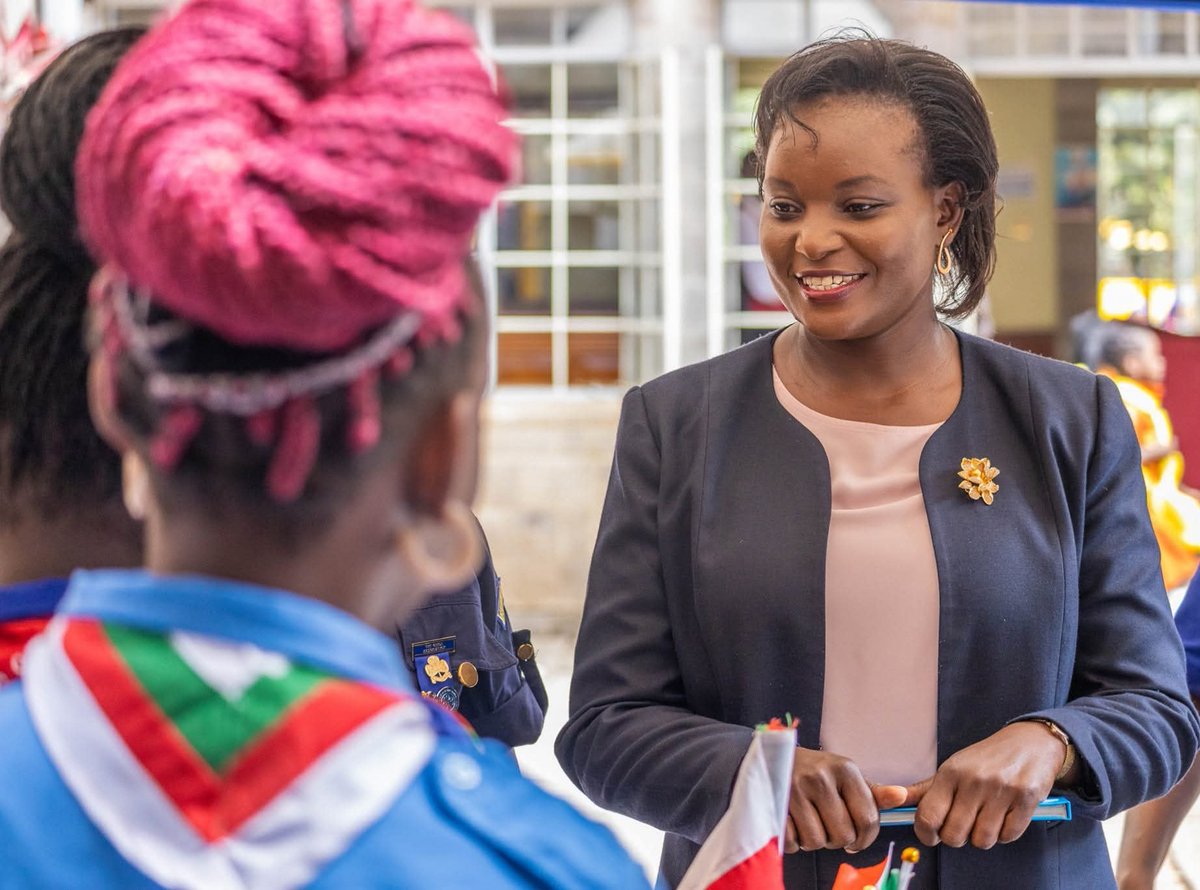
The well-being of girls is fundamental to a just and prosperous society. When girls are healthy, safe, educated, and empowered, they gain the confidence and capacity to reach their full potential.
Creating supportive environments that protect their rights and nurture their aspirations enables girls to thrive and contribute meaningfully to their communities.
Investing in girls’ well-being today builds resilient women and stronger societies tomorrow.
Since the promulgation of the 2010 Constitution, Kenya has made notable progress in strengthening women’s representation in decision-making. Constitutional provisions on equality, non-discrimination, and the two-thirds gender principle established a strong legal framework for women’s inclusion across governance and public leadership.
Over time, these principles have translated into increased participation of women in senior leadership, policy formulation, and institutional decision-making. A significant milestone in this evolution has been the institutionalisation of a dedicated women’s rights advisory framework within the Executive hence anchoring gender equality at the highest level of governance and advancing the goal of full and meaningful representation of women as a foundation for national development and inclusive prosperity.
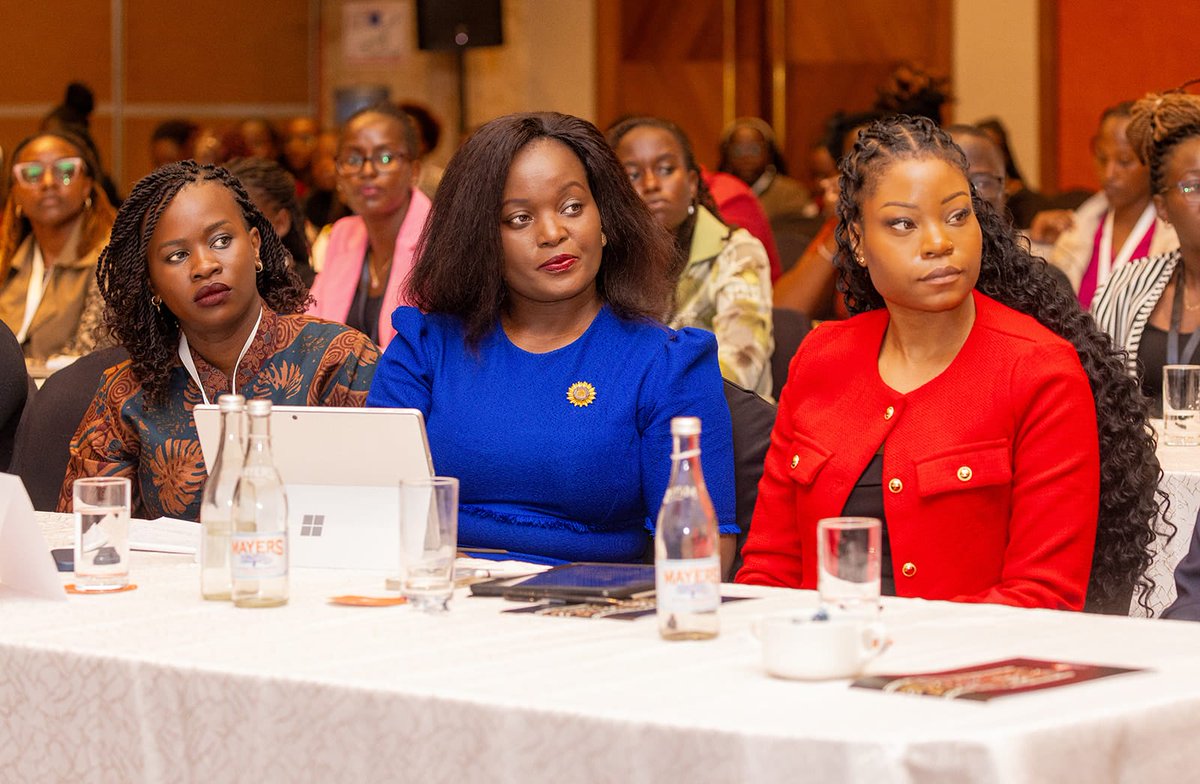
Traditionally, many professional spaces were shaped by rigid gender norms. Today, that narrative is changing. Women are increasingly stepping forward with confidence, ambition, and resilience; assertively claiming their place across sectors that once limited their participation.
Driven by determination and commitment to equality, women are breaking barriers, competing boldly, and excelling in leadership, innovation, and decision-making. This growing assertiveness is not about exclusion, but about equity, reshaping institutions, strengthening outcomes, and accelerating inclusive national progress.
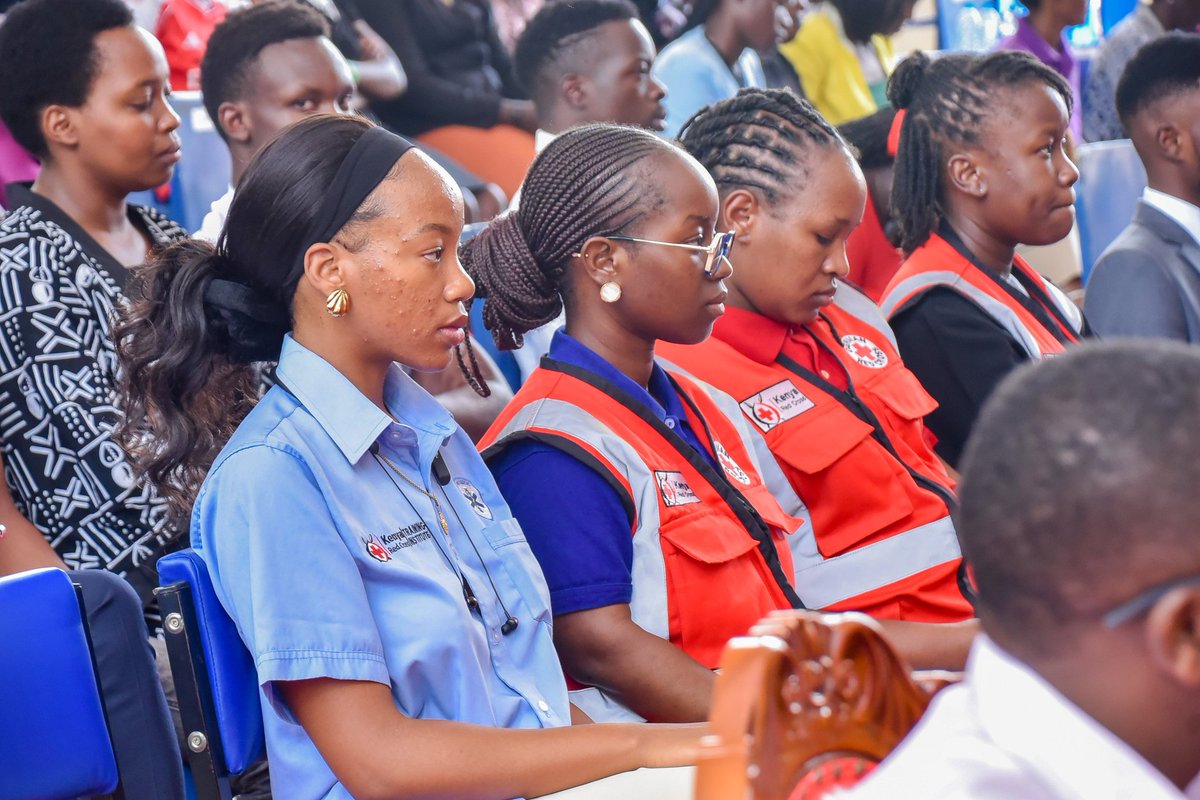
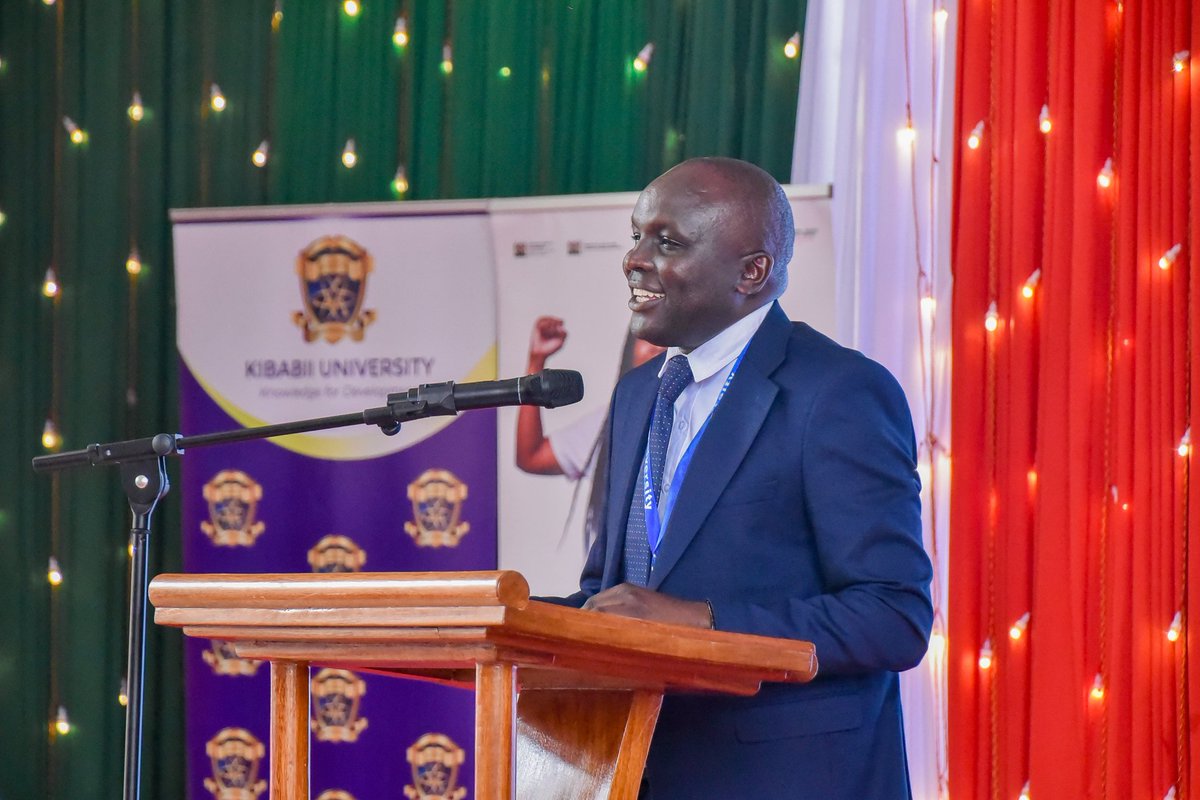
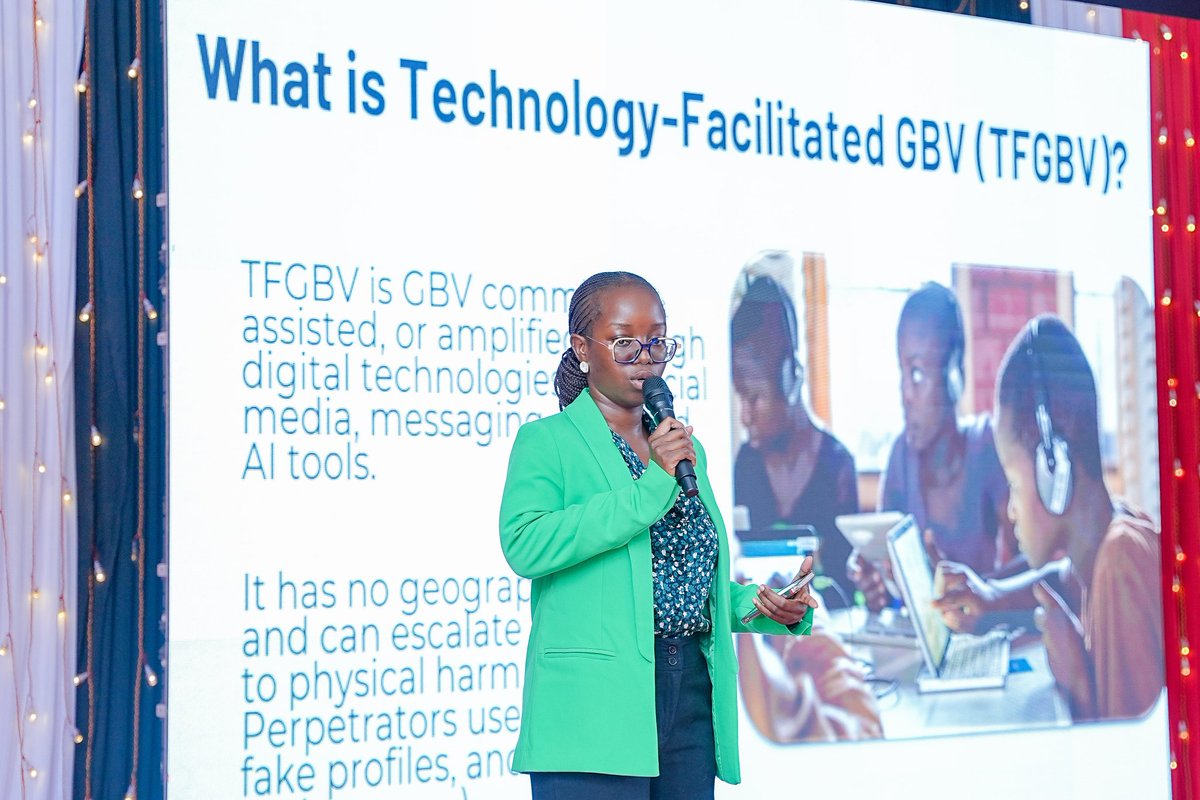
Kenya has shown that we are ready to lead the fight against technology-facilitated gender-based violence. The 2nd National TFGBV Conference ignited powerful collaboration among universities, TVETs, innovators, justice actors, youth and gender experts all united in strengthening safety, accountability and dignity in our digital spaces.
From bold research insights to survivor-centered solutions, from youth innovations to calls for stronger policies and ethical AI use, the conference demonstrated that the tools, talent and commitment to protect our learners already exist across our institutions.
This momentum now fuels a national movement: to scale innovations, enforce accountability, guarantee anonymous reporting, and ensure every young person especially young women can navigate the digital world safely and confidently.
Kenya’s digital future must be safe, inclusive and empowering for all.