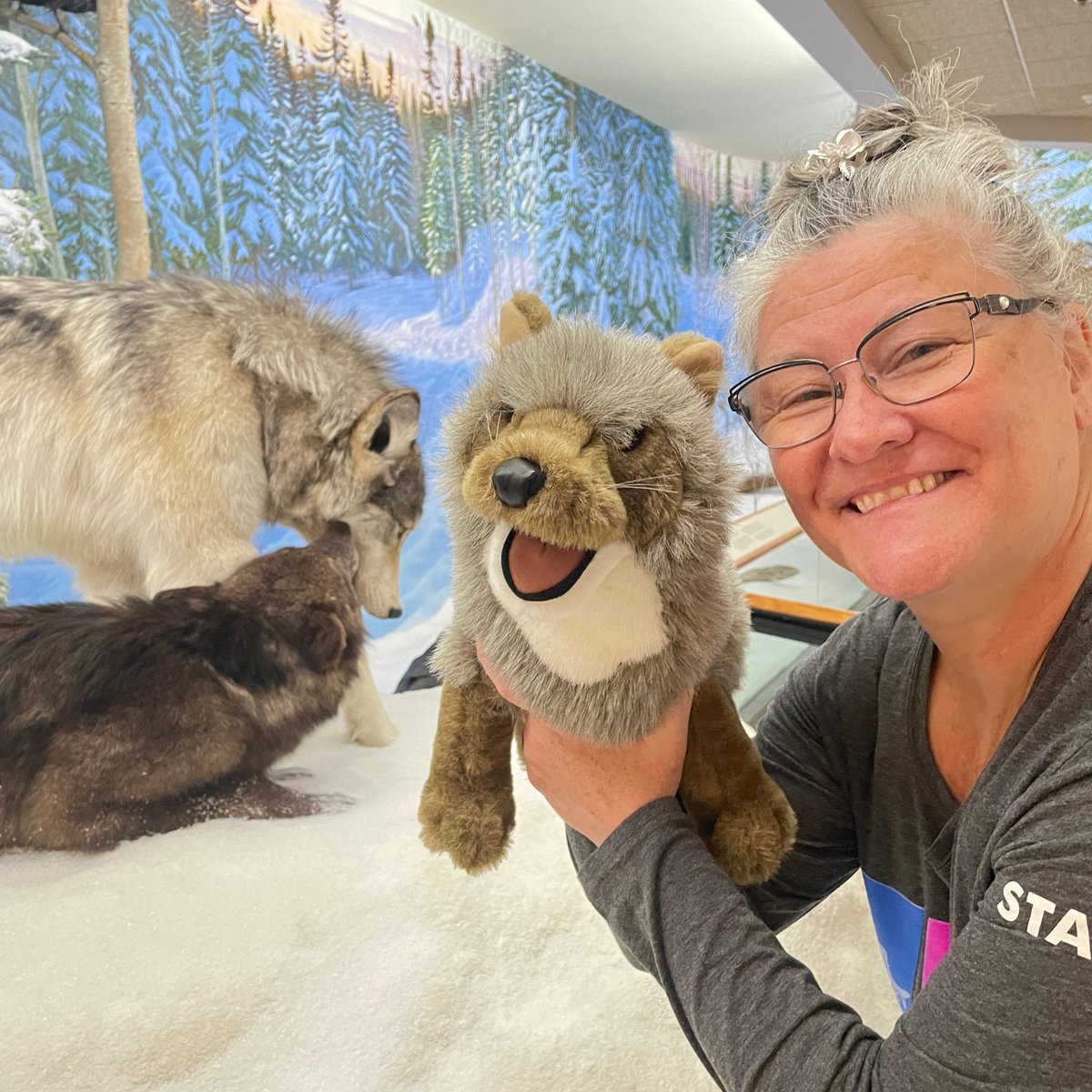
It's fam jam time! From February 17 to 21, stop by our Learning Lab and Field Station for hands-on activities for the whole family between 1:00 p.m. to 4:00 p.m. Then at 2:30 p.m. each day, ask Scotty your burning dinosaur questions! https://t.co/w17CfRwXx4
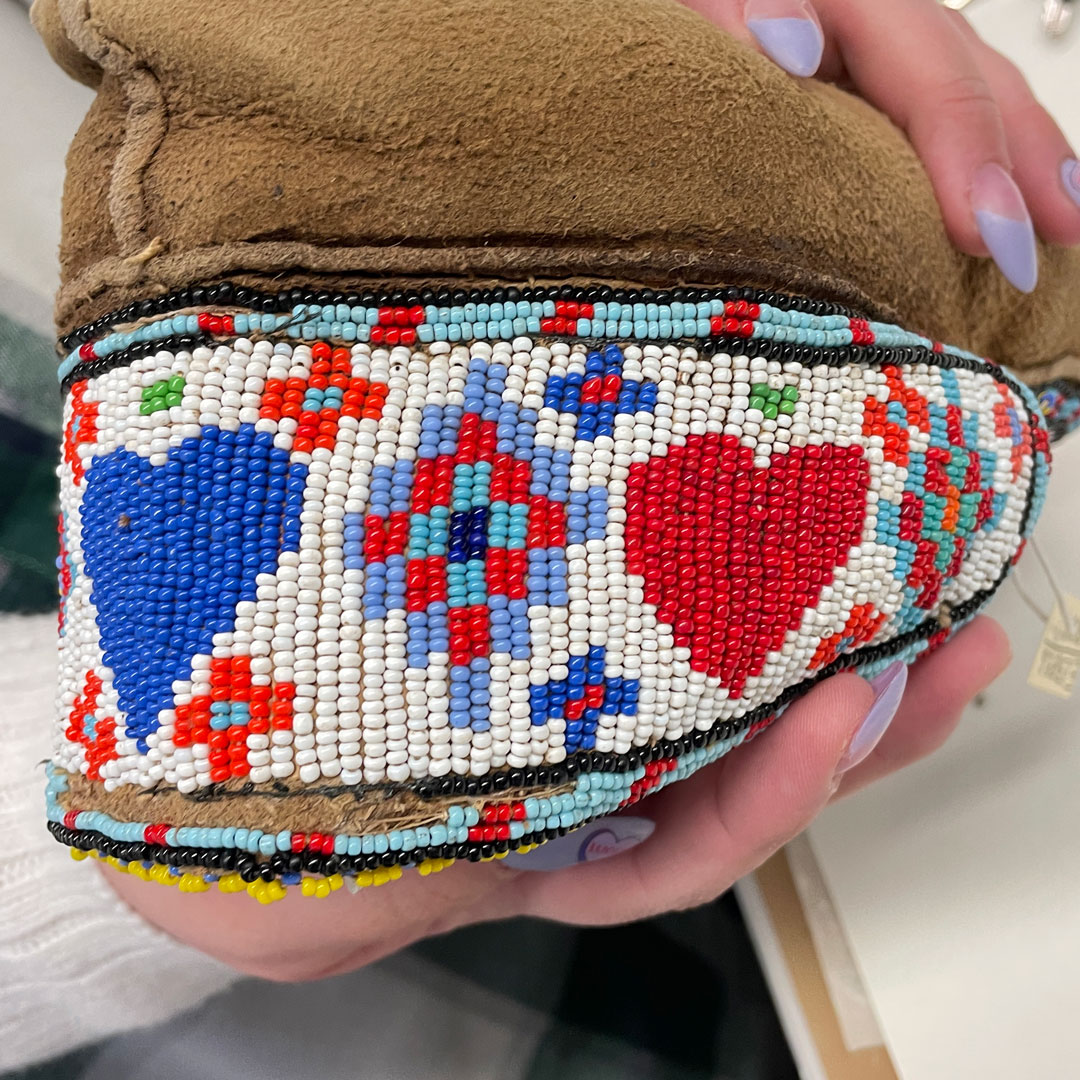
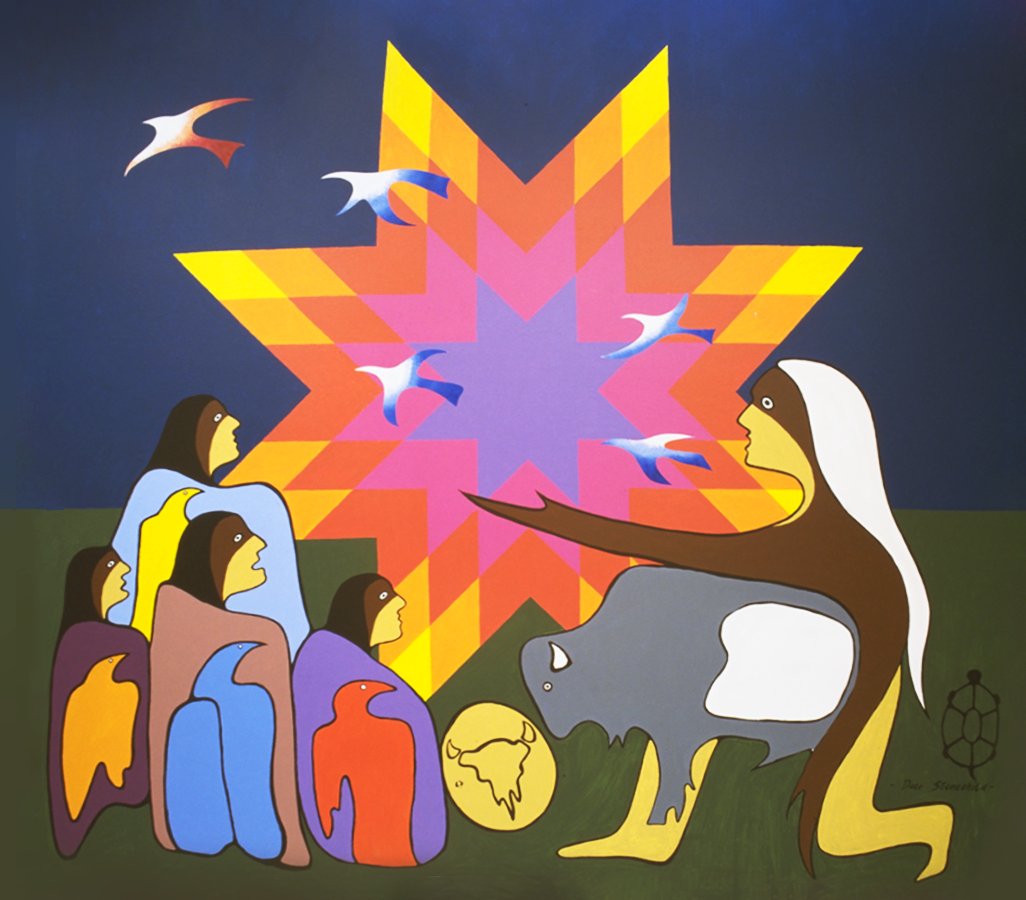
Happy ❤️ Day! Look for beaded hearts in the Indigenous Cultural Heritage Collection. However, beware. This classic shape looks simple, but can be difficult to bead. TIP: Break out the graph paper and 📏ruler! https://t.co/Uk8VK3f7SE
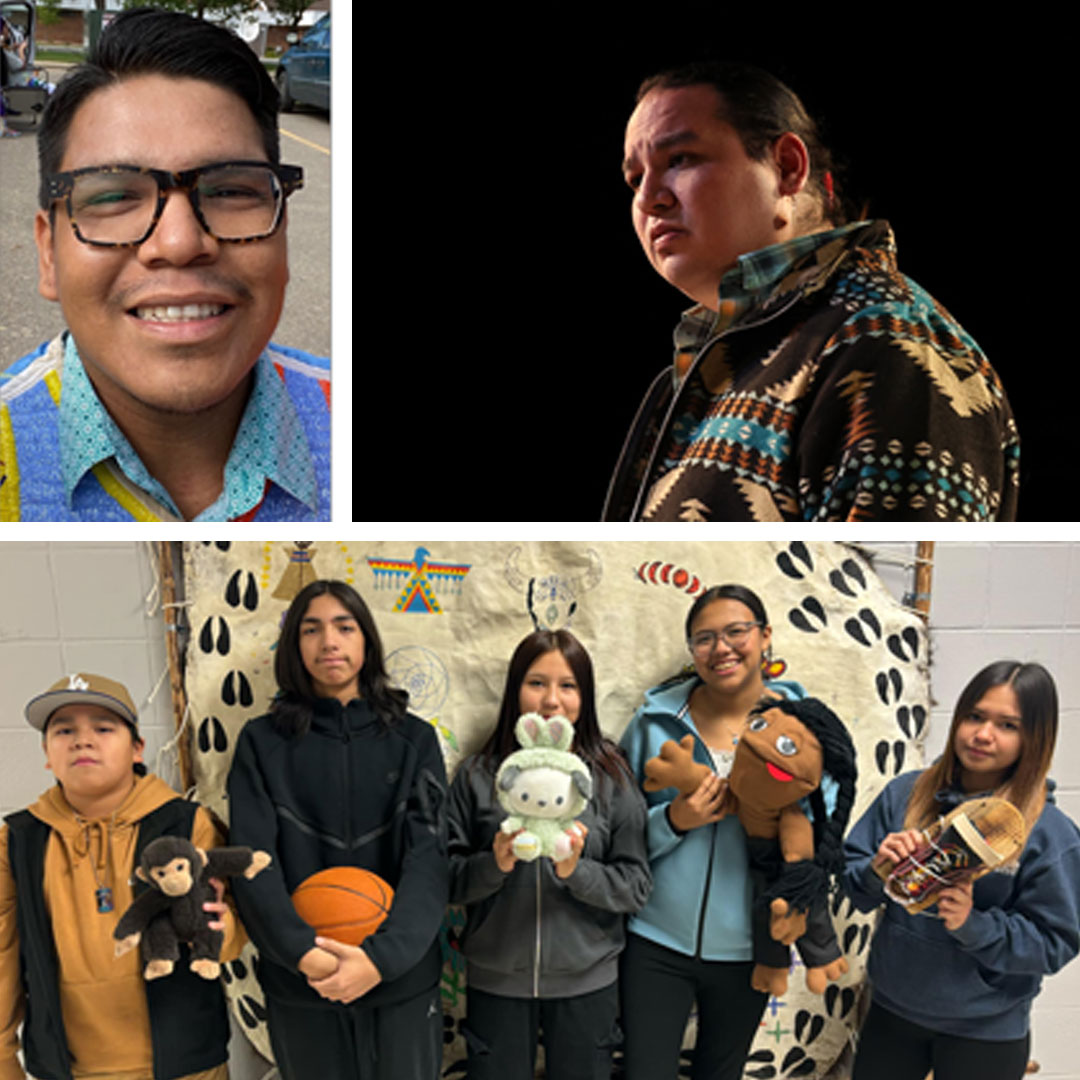
Part of the Friends of the Royal Saskatchewan Museum Traditional Knowledge Keepers Program, brought to you by the Saskatchewan Teachers' Federation. @SaskTeachersFed
TEACHERS! Give your Grades 4 to 8 students a live storytelling experience with artists Skylar Anderson, Teddy Bison and the âcimowin artists. February is Indigenous Storytelling month. BOOK online: https://t.co/ahS9ffRQDm
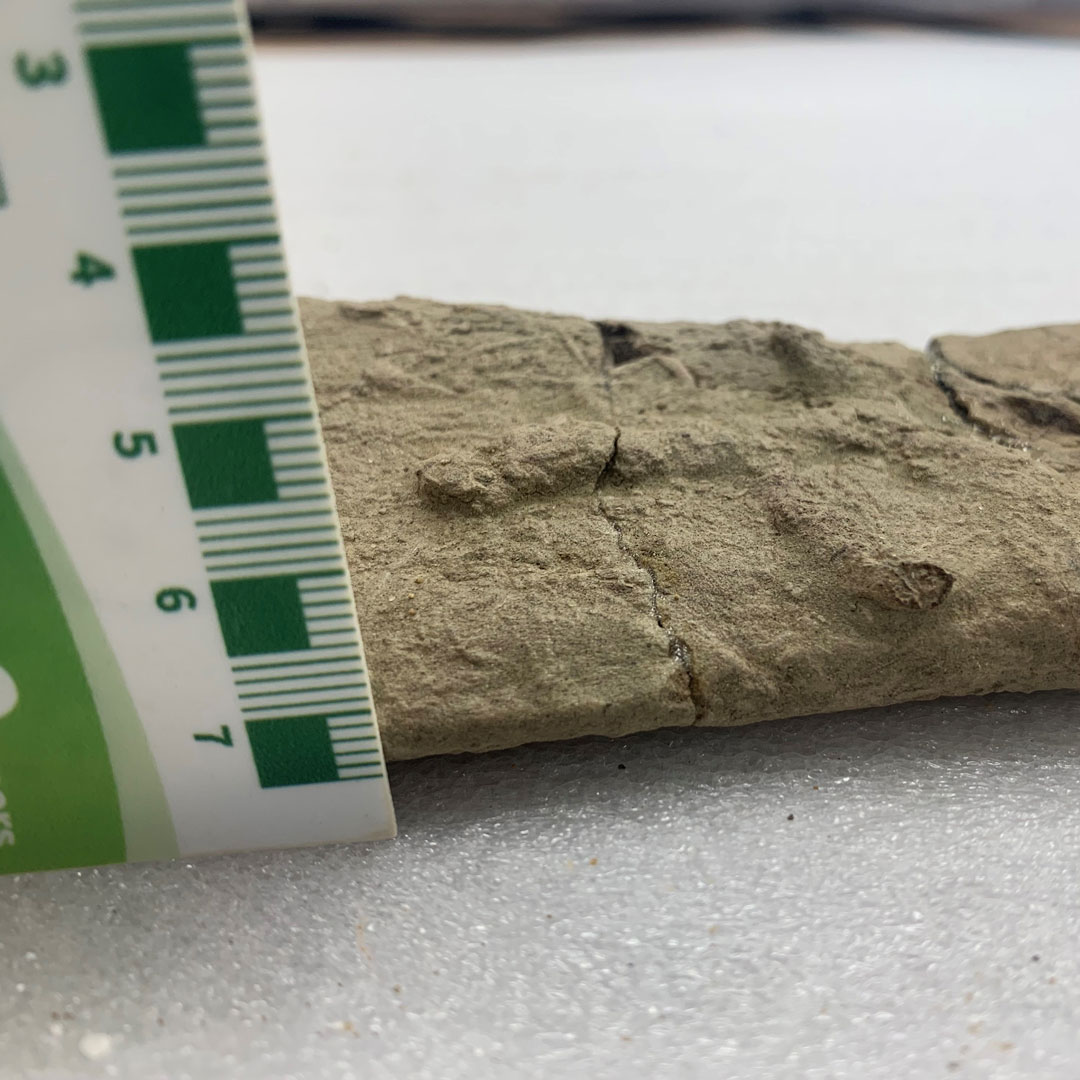
In order to free up an artifact for research, a replica is made. This is a projectile point made from native copper, excavated from an archaeological site near the Churchill River in 1979. To date, only two of these types of copper points have been discovered in Saskatchewan.
It's the 10th anniversary of the International Day of Women and Girls in Science today. https://t.co/pcmIc8c52H Meet the women who are making a difference here at the Royal Saskatchewan Museum.
Family week is around the corner and we have activities for everyone to take part. Plus, it's Indigenous Storytelling Month. See our event calendar at https://t.co/w17CfRwXx4. End your visit by asking how you can get free Megamunch stickers and Scotty pencils!
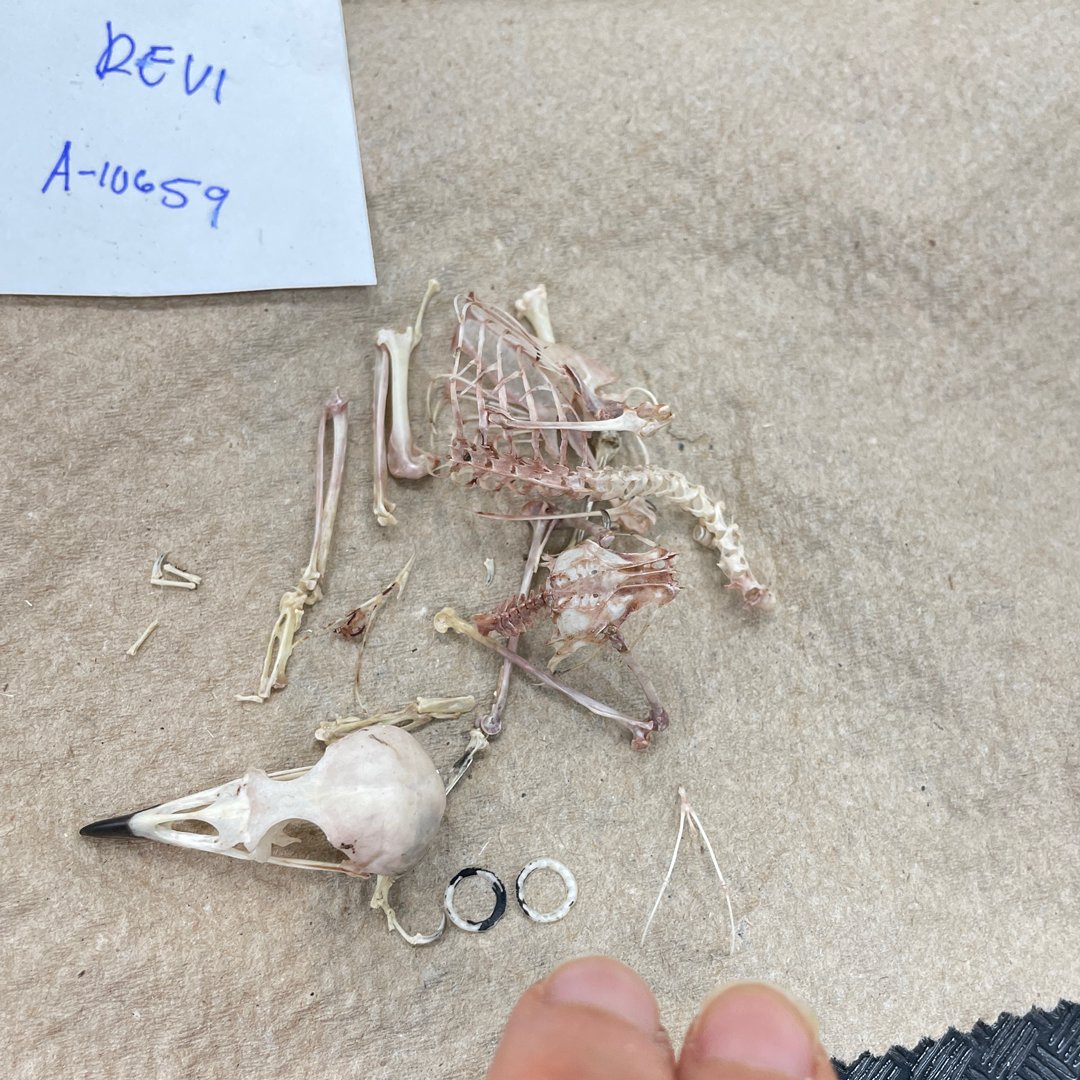
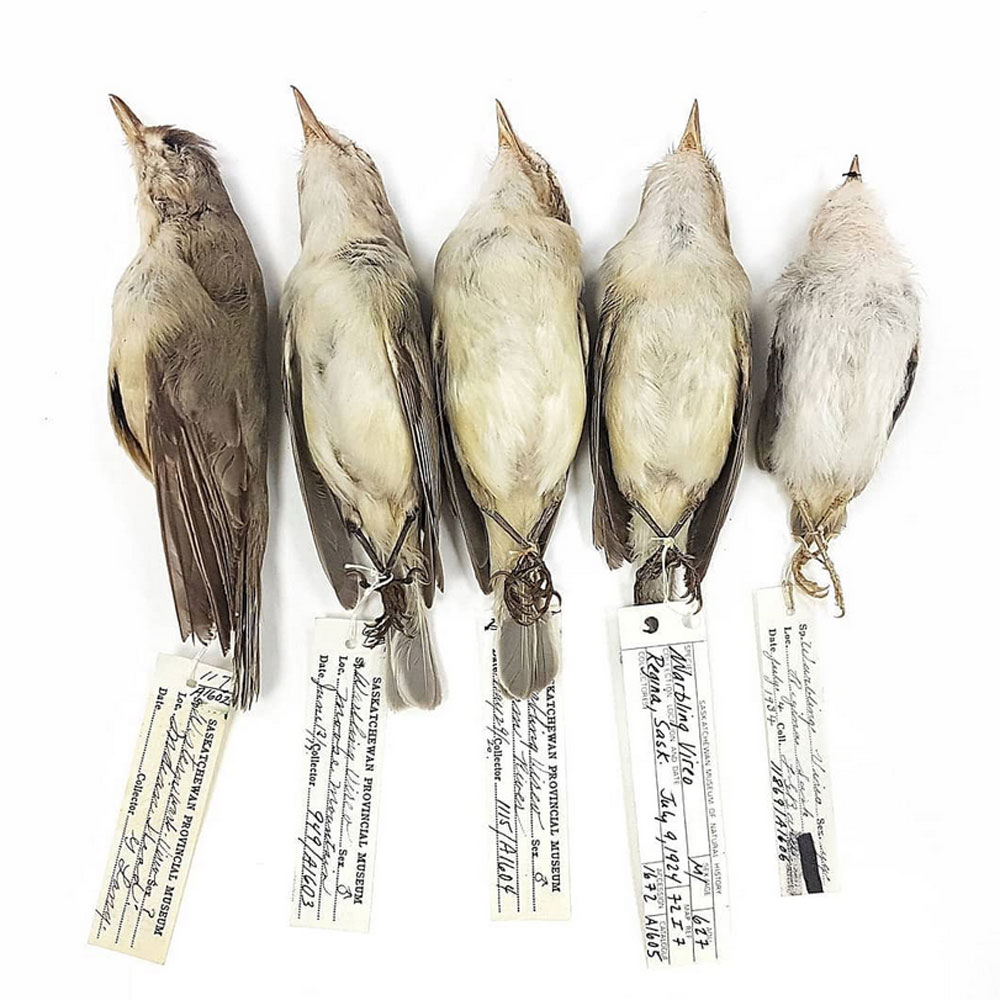
A red-eyed vireo. You may have seen our bird study skins, where the skeleton is removed leaving only the skin, feathers, beak and legs. It’s then sewn back up. But what about the specimens that are not suitable to be a study skin? We carefully clean and keep their skeleton.
February is Indigenous Storytelling Month. 🗨️ Listen to Indigenous stories in a line up of events that include Elder Hazel, and artists Teddy Bison and Skylar Anderson. https://t.co/w17CfRwXx4
Winter is a time for gathering together and listening to a story. Meet up with Gail on Monday, February 3 at 10:30 a.m. for Silly Stories. She'll be telling her original story about Percy the Porcupine. https://t.co/brRJ8ekIPJ
Progress update! We were in Grasslands National Park during the summer for Fossil Fever 2024. Among the finds was an Edmontosaurus, or duck-billed dinosaur. Palaeontologist Wes has been preparing the fossils from the dig with help from volunteers.
If you are 16 to 20 years old, register for the @songs4naturesk youth camp to create songs with professional musicians, explore the wildlife in Wascana Park, and see how creativity is connected to nature. https://t.co/n28uWPRKVF
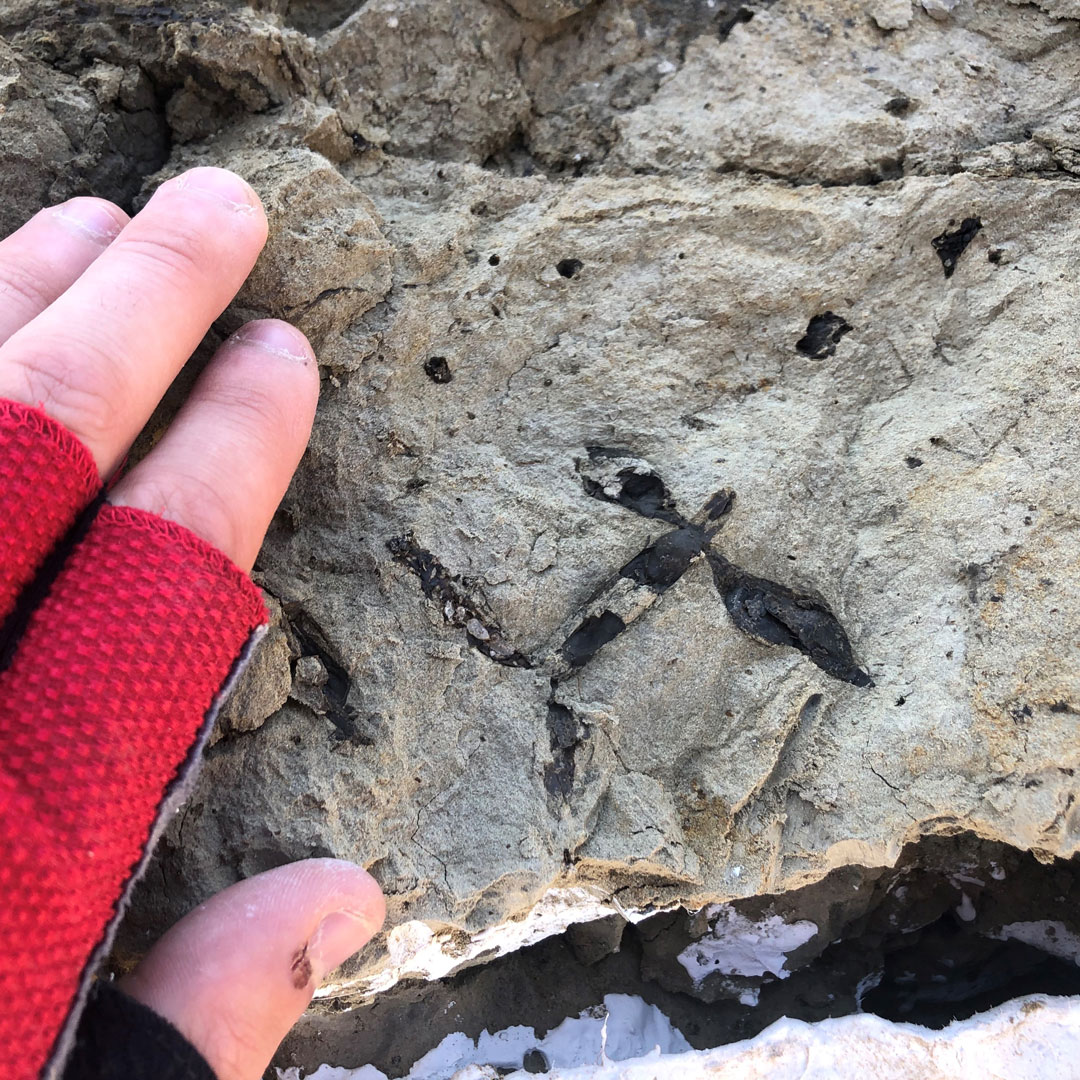
@Pieceofasaurus The Triceratops bones were found in Grasslands National Park and were nearly the same colour as the surrounding rock and very fragile. Here, on the top of the Triceratops rib bone is a tube-shaped structure called Amphifaoichnus, indicating an insect had bored into the bone.
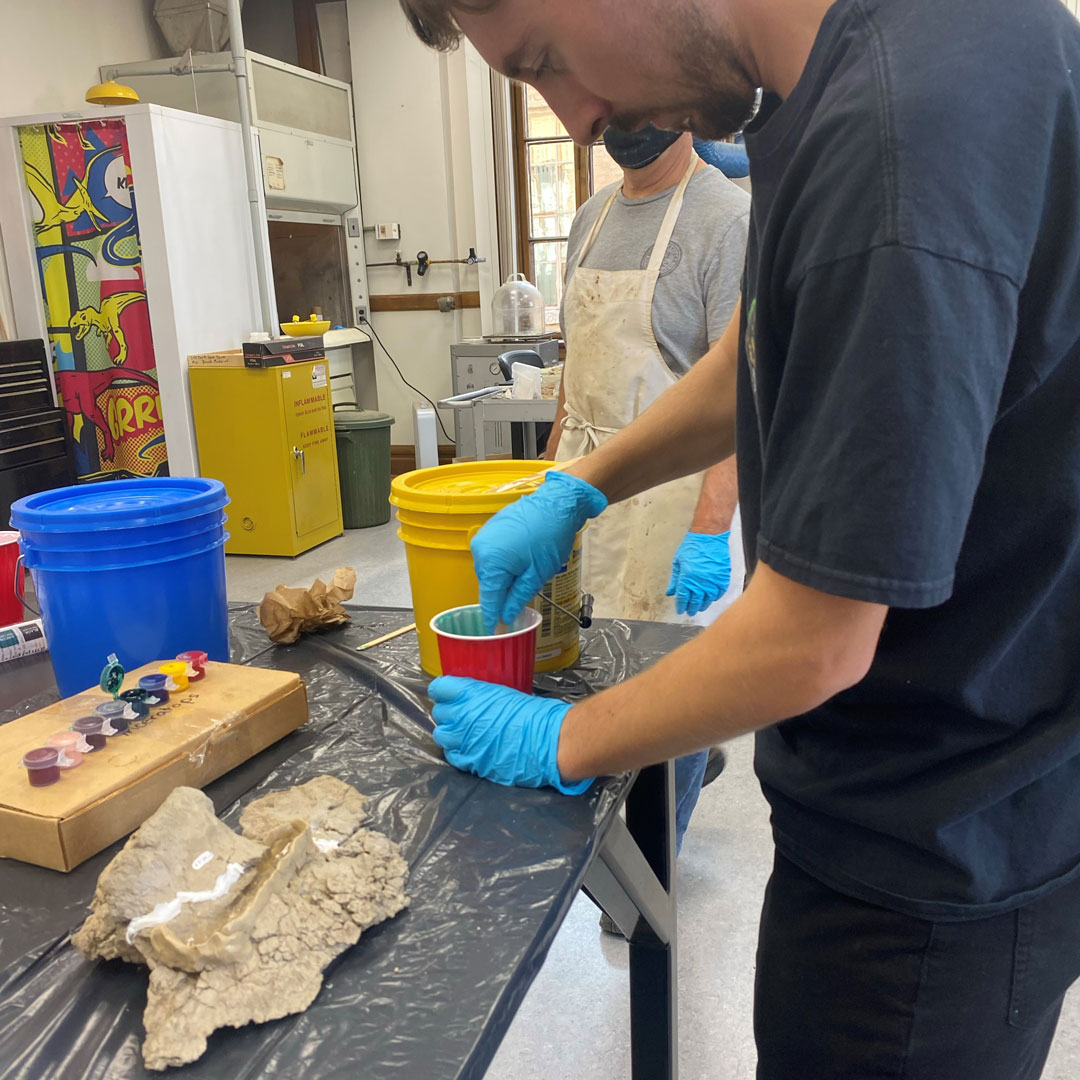
@Pieceofasaurus Jack created replicas of the trace fossils to carefully study what kinds of insects and roots have been leaving their mark on the Triceratops before and during fossilization.
Yes, it's January, but we need to start thinking about summer at the Museum, specifically a summer job! Get started by:
1️⃣Enrolling in the Young Canada Works program and,
2️⃣Applying to be a Vertebrate Preparator at https://t.co/z68y06FdCH
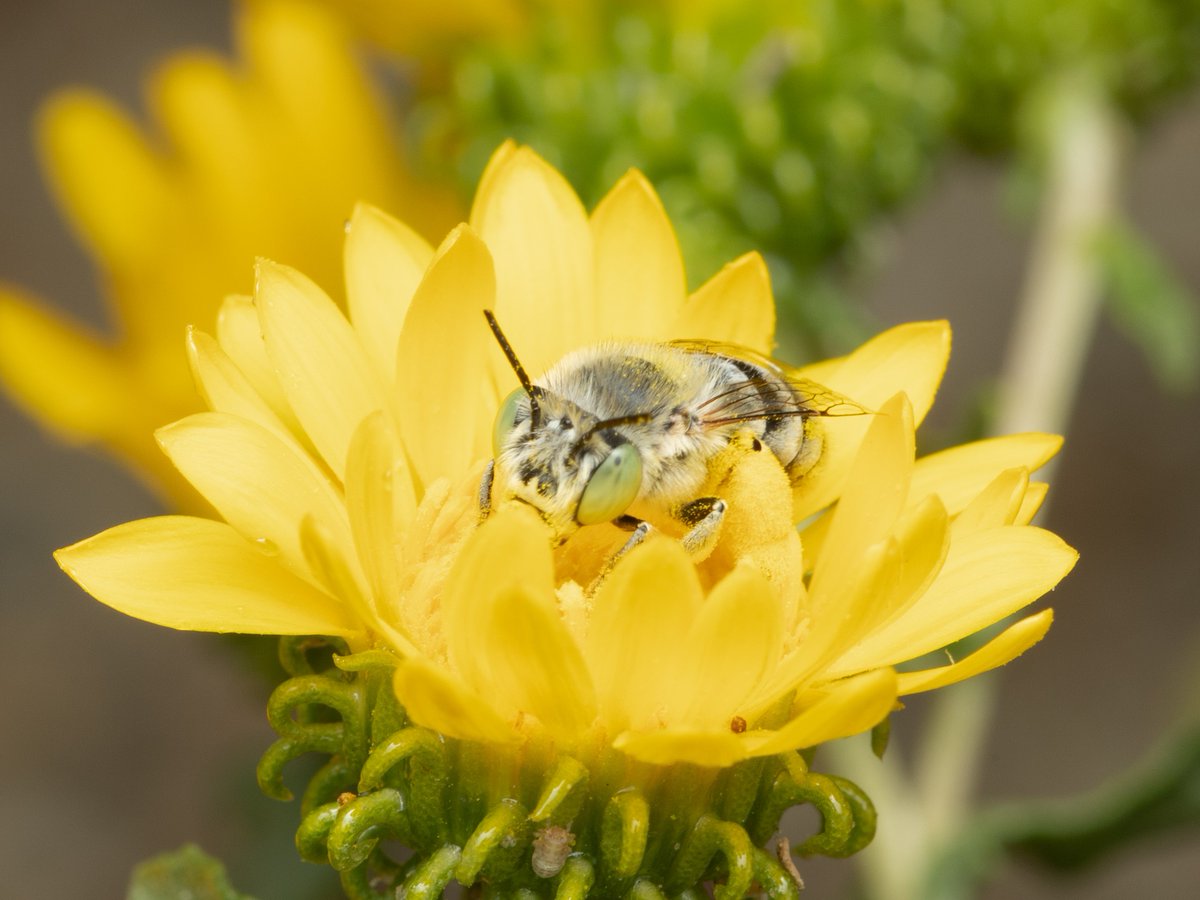
Did you know the Royal Saskatchewan Museum supports grad students? If you are studying at the University of Regina, we are looking to fill two to three MSc positions that investigate how bees respond to different types of landscapes. Learn more here: https://t.co/AZdBHR7St1
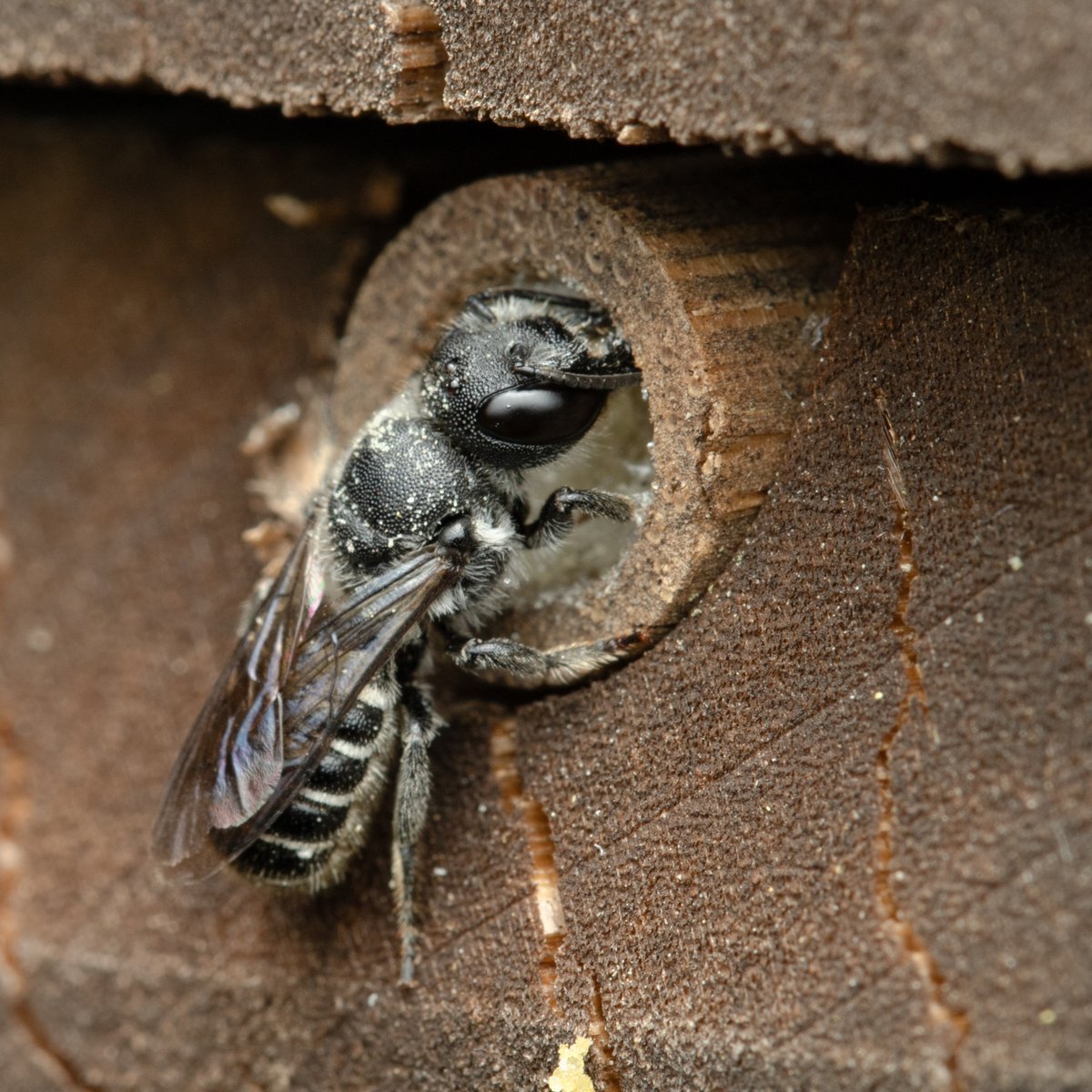
What have we found? Megachile campanulae is a fairly common resin bee of Ontario and Quebec, but now there have been recent records from MB and SK. We collected the first records of this bee in SK a few years ago and this photo represents the first observation of it nesting.
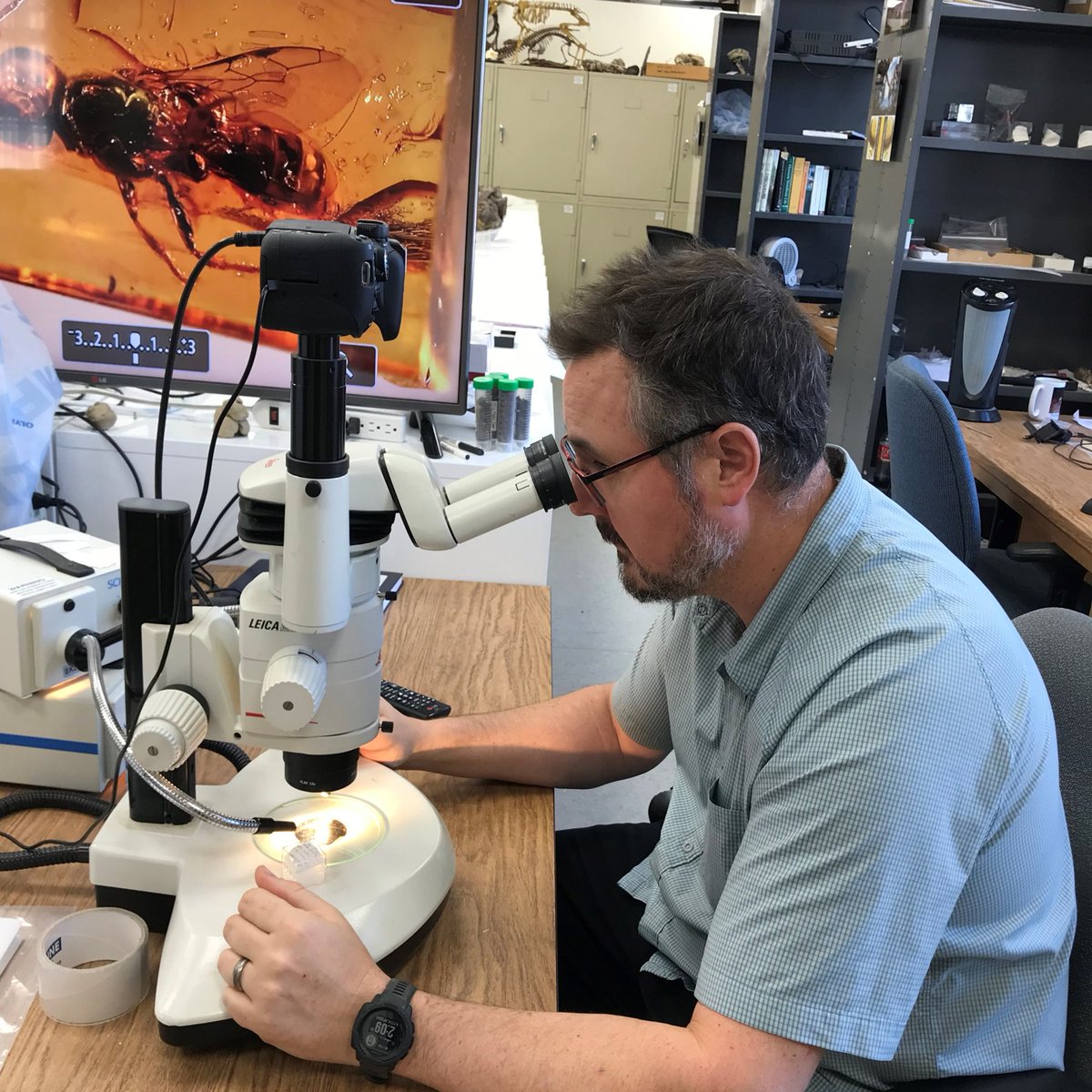
Meet our palaeontologist Dr. Ryan McKellar on Mon, Jan 20 at 7:30 p.m. at Nature Regina's monthly meeting at the Royal Saskatchewan Museum. Learn how the tiniest bits of amber can open a window into ancient ecosystems and the species that inhabited them. https://t.co/tyjztHB0FU