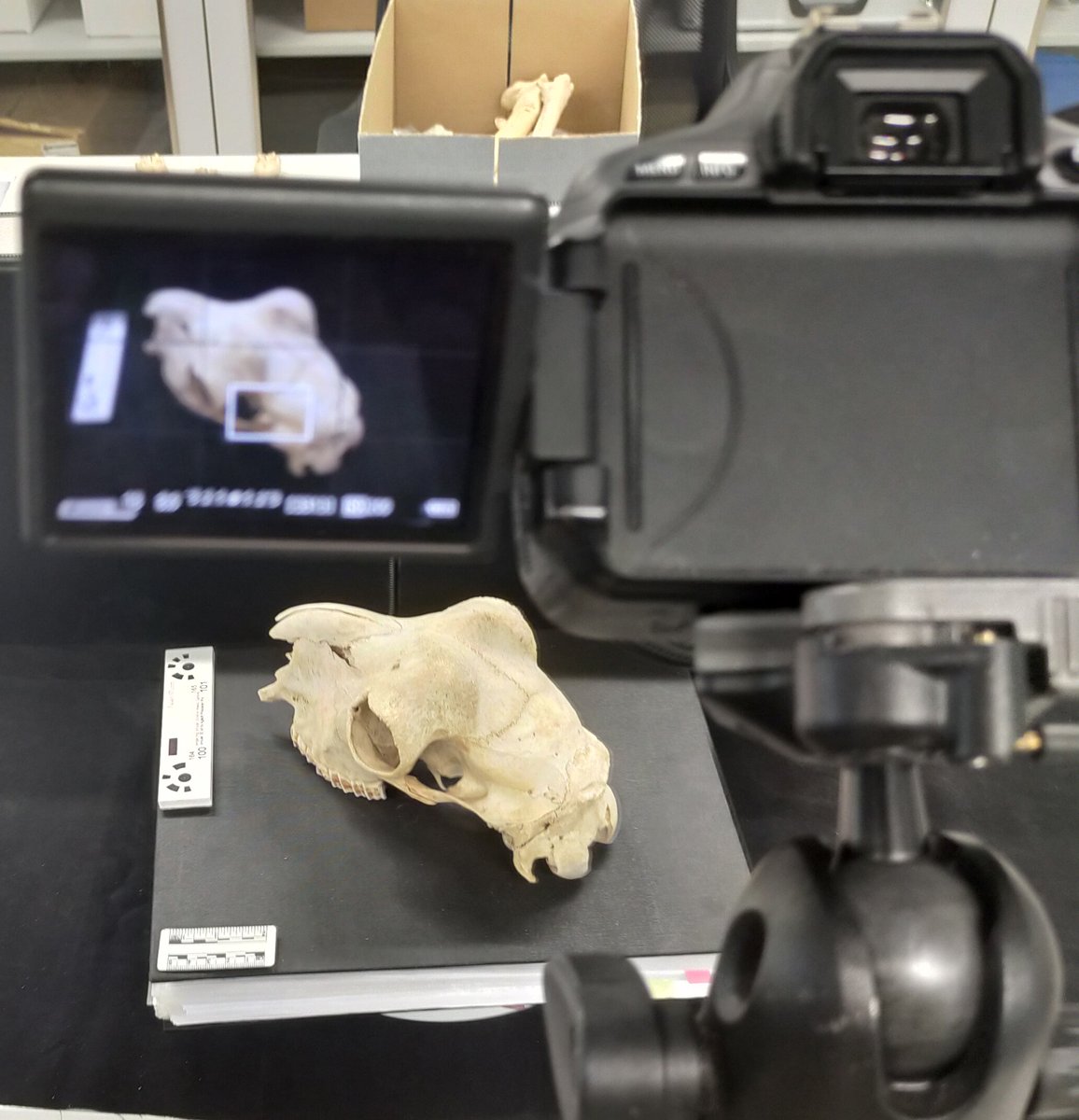
Project SACHROFICS enabled me to expand my faunal reference collection to the point that it has become the first of its kind available at a Cypriot Institution @STARC_CyI@STARC_CyI. It's open to all who'd like to use it. Here's the latest database:
https://t.co/rUpH1Y8xot
New entries in the comparative collection @STARC_CyI. They enable more & reliable identifications of ancient animal remains through comparative osteology. Link to updated database will be posted soon. Unbelievable that collection now has 224 specimens (up 150+ in last 3 years!).
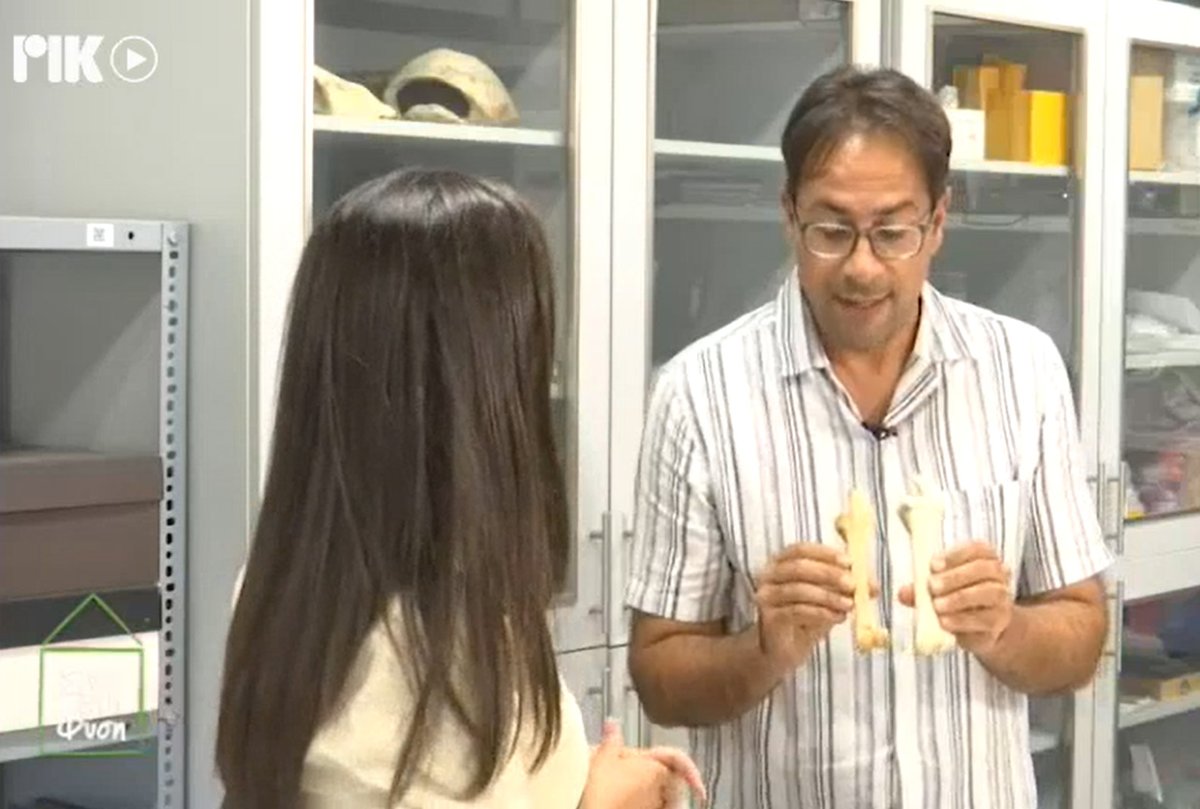
Such a pleasure to talk on public TV about #zooarchaeology, how it works within #archaeology, & how it helps us solve modern problems. Thank you RIK and lovely people of the Spiti sti Fysi (House in Nature) show. Episode is avail. here (in Greek):
https://t.co/KkZFJb6kll
Most #animal#bones are food remains. Sometimes beautiful objects come my way. Identification is difficult due to modification of their original shape.This bone pin adorned the hair or clothes of a person in #Hellenistic#Paphos,#Cyprus. Ancient people were just like you and me🤠
Faunal reference collection @STARC_CyI@CyprusInstitute has hit the milestone of 200 specimens!🥳🥳🥳 Enabled through a donation by one of zooarchaeology’s living legends, Simon Davis. Thanks!
Collection is open to everyone. Updated database here:
https://t.co/Q2DfizDyqC
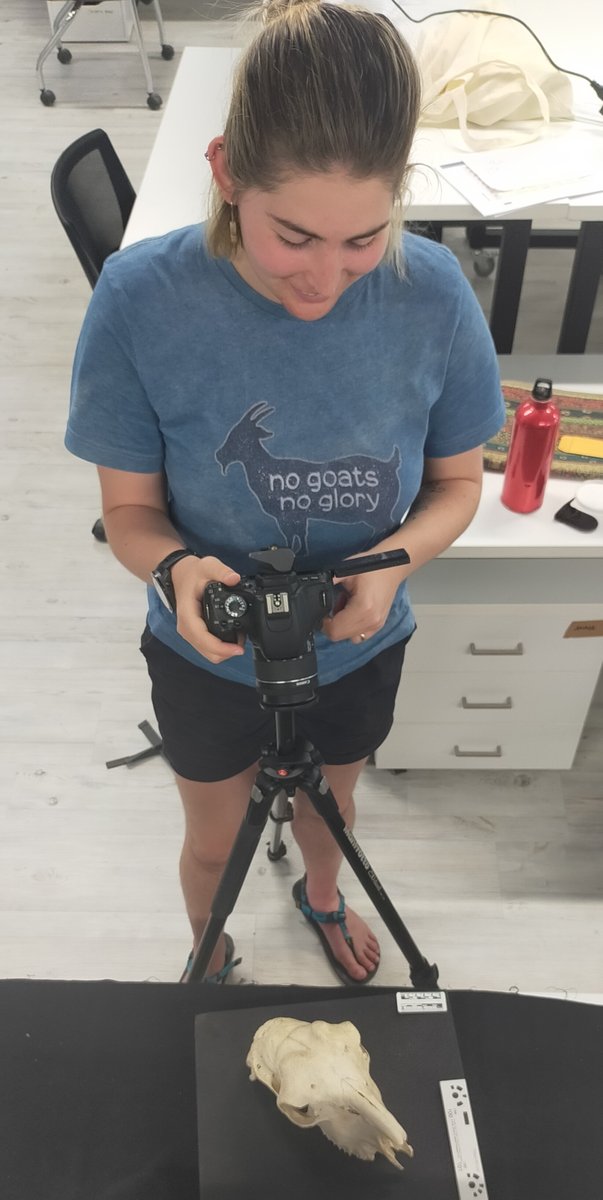
It's a pleasure working with Lucy Maun @STARC_CyI. Lucy is a summer intern on project ‘Curation of faunal collections and production of 3D models of animal skeletons for research and public outreach applications’. We’ll share results soon. Thank you for your excellent work Lucy!
A fresh article on human-environment interactions 10-12 thousand years ago in the #Limassol area. Many thanks to Jean-Denis Vigne for leading it. Unfortunately not open access (perhaps a pre-print copy asap). #Cyprus#environment#animals
https://t.co/fp7hT8s2On
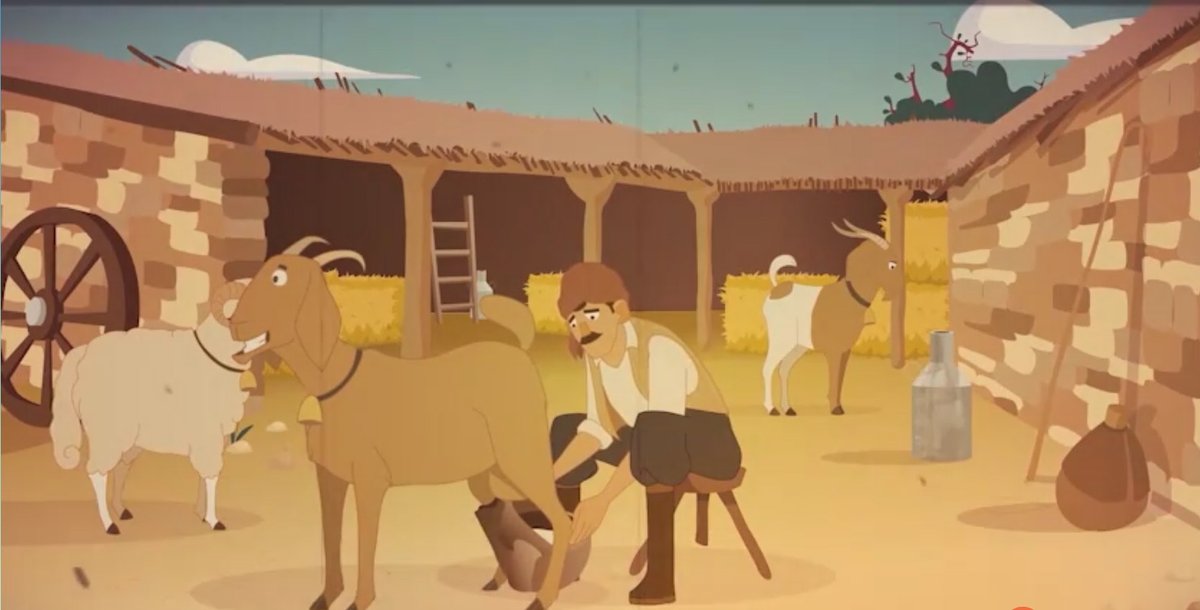
#Halloumi (aka white gold of #Cyprus)! If you have a child or feel like one, have a look at this page on halloumi-making. Participated as a scientific advisor. Unfortunately available only in Greek (for now). Enjoy & spread the joy! @STARC_CyI
https://t.co/NfAjMpLcac
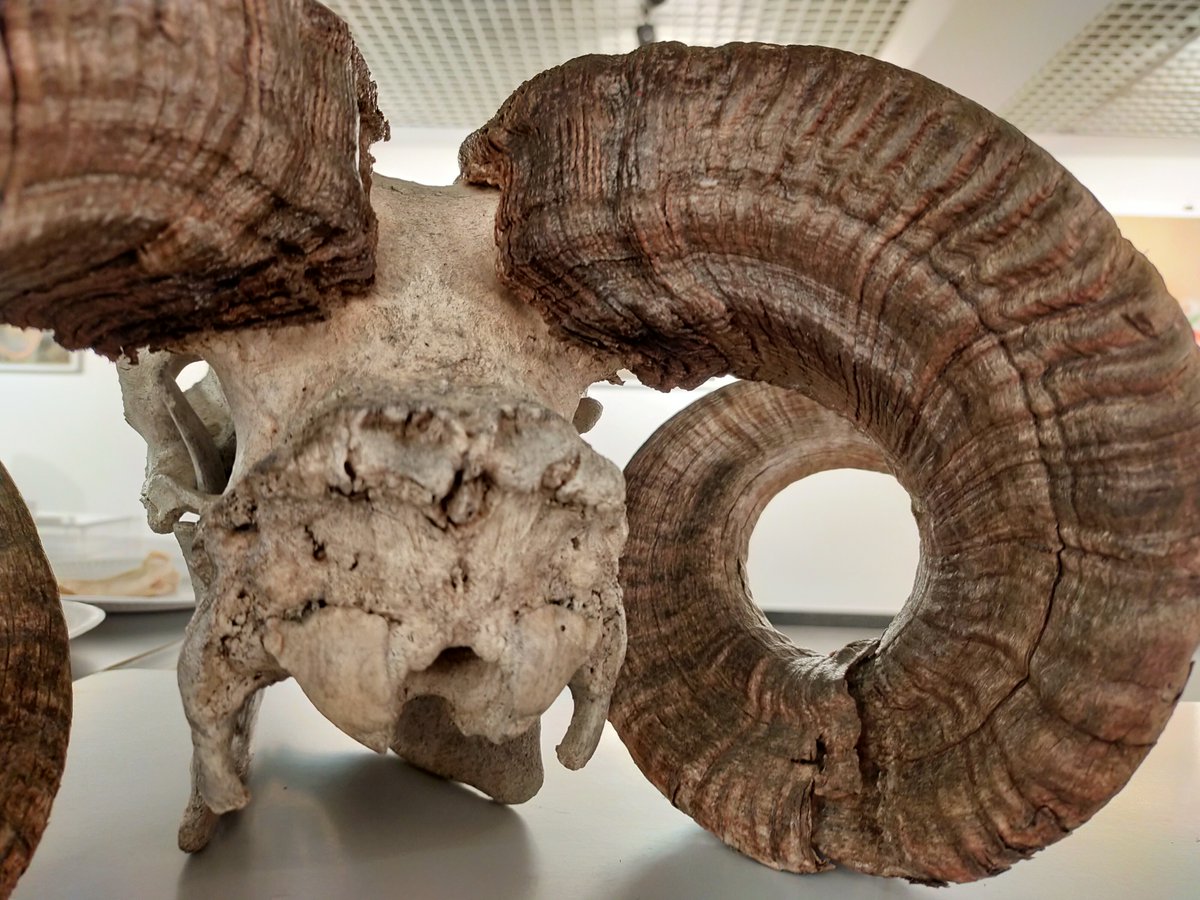
Stable isotope analysis on an animal tooth opens a window into the life of that animal. SACHROFICS samples modern&ancient sheep to approach their management in ancient Cyprus. This sampled mouflon third molar (your wisdom tooth) can reveal info birth season and diet! #LoveZooarch
Faunal reference collection @CyprusInstitute on a growth spurt! Now consists of 177 skeletons available for zooarchaeological & other animal-related research (and art!). If useful to you, get in touch. Full database available (click hyperlink 'database'):
https://t.co/rUpH1Y8xot
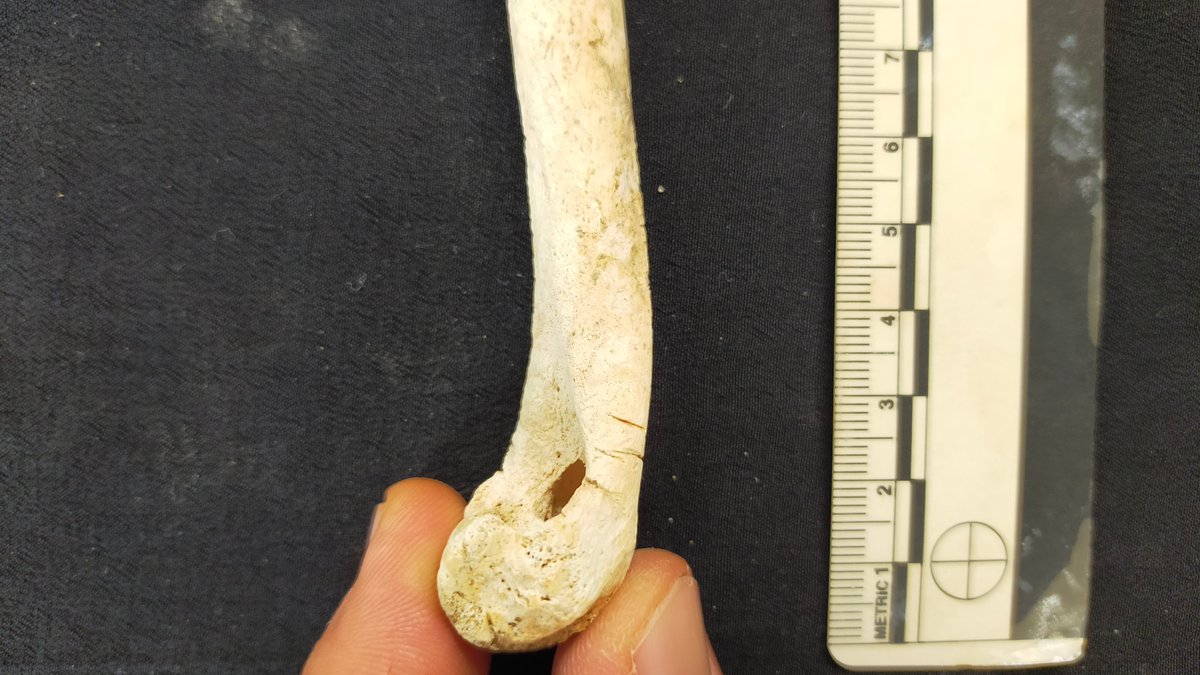
@ICAZ_News This is weird only from our modern European standpoint...cutmarks on a dog humerus that betray cynophagy in the past. This is 1st millennium Cyprus (can't say more atm). Note: historical truth is sometimes inconvenient but always beneficial for present & future. #WeirdBoneMonday
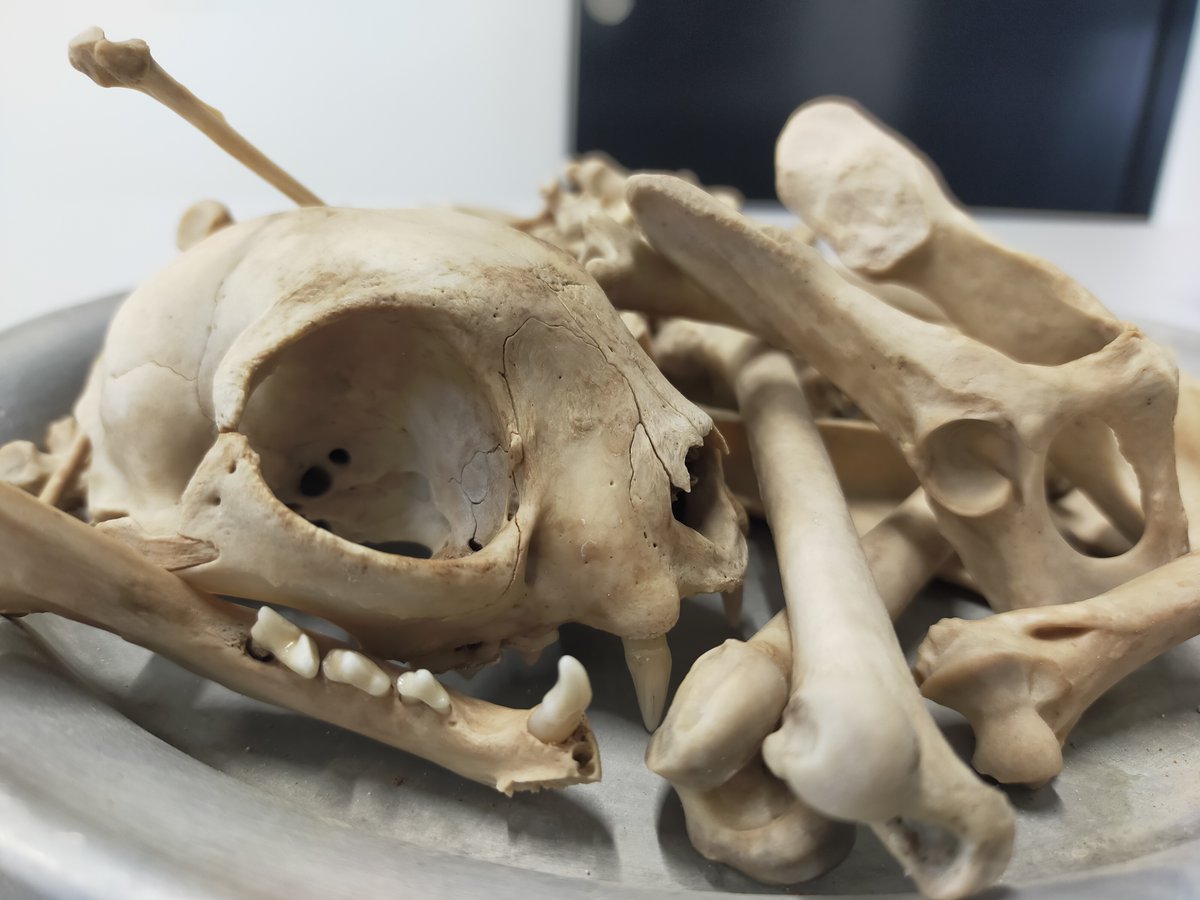
New 'members' of the faunal reference collection @STARC_CyI! Two snakes (Levant viper and Montpellier snake) and a predator of theirs (a cat). Reptiles and cats are somewhat rarer archaeological finds but if you are not ready to identify something, you probably won't find it!
@BenkertHelene @ICAZ_News That's a tough one...but what's NOT weird is the scale you are using (we have the same one...and we are not the only ones as the song goes)😱😂🫶
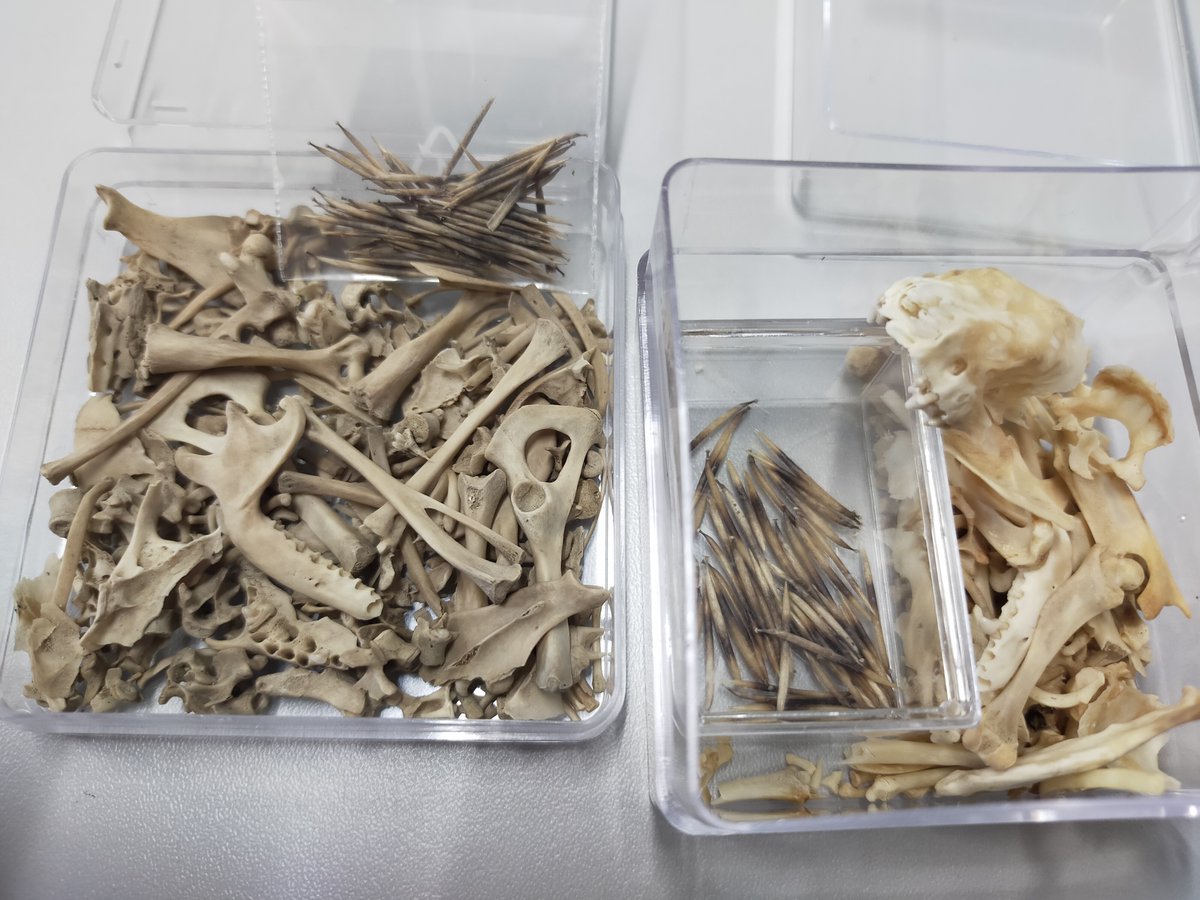
Biogeographically #Cyprus is SW Asia. The long-eared hedgehog of Cyprus is better-adapted to hot climate (e.g. larger ears) than its European cousin. Today 2 skeletons join the Faunal Reference Collection @STARC_CyI to help us learn more about its past in Cyprus! #zooarchaeology