We're a global consortium funded by USAID working to understand and address the risks posed by known zoonotic viruses with potential to spill over to humans.
STOP Spillover is a global consortium funded by @USAID and led by @Tufts that is working to understand and address the risks posed by known zoonotic viruses with the potential to spill over from animals and cause outbreaks, epidemics, and pandemics in humans.
Why is outcome mapping (OM) such a valuable part of our strategy to #STOPSpillover? OM brings together:
➡️ Local stakeholders,
➡️ Spillover country teams, and
➡️ Local, regional, & national institutions
...to listen, learn, & work together to reduce risk: https://t.co/FivjtAcZtr
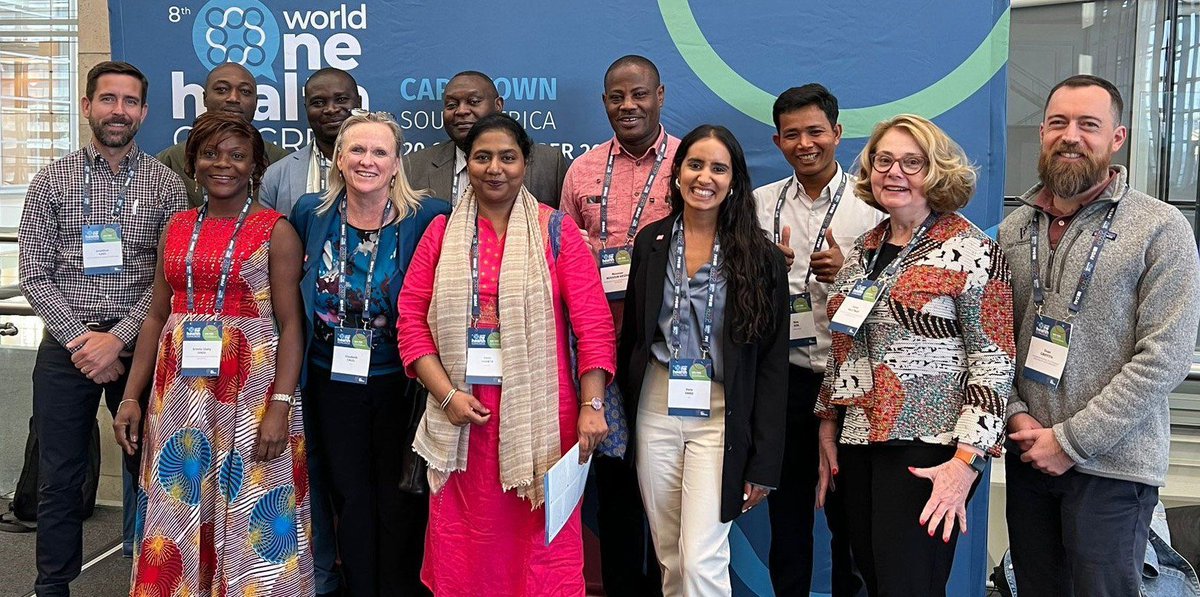
#STOPSpillover's M&E data has revealed six global best practices for animal value chain interventions to reduce risk of zoonotic spillover. View our poster on this topic, which was presented at the 8th World One Health Congress 2024, here: https://t.co/LptUGArZ87
#STOPSpillover works in countries at high risk for #Zoonotic viruses with #Pandemic potential—and our teams use 2 unique tools to collaborate w/local stakeholders for sustainable interventions:
➡️ Outcome Mapping
➡️ Trials of Improved Practices
Learn more: https://t.co/mt1hFPx5cf
Our experts & partners work around the clock to understand the risk factors, implement interventions, and assess risk reduction practices that #STOPSpillover from animals to humans. Don't miss important updates — sign up for our newsletter: https://t.co/iIwJA66wQ1
As we continue to reflect on 2024, we're feeling renewed pride in #STOPSpillover's accomplishments and motivation for the work ahead. ICYMI, you can learn more about some of our team's progress in the Year 4 Semi-Annual Report: https://t.co/euNtyir7lD
This month, we're highlighting #STOPSpillover's work in Bangladesh, where we support a #OneHealth approach to EIDs by more fully characterizing:
➡️ Biological & behavioral risks
➡️ Drivers of risky human behaviors
➡️ Design & validation of interventions
https://t.co/nYZegn88Qi
ICYMI: #STOPSpillover's final newsletter of 2024 is available here: https://t.co/DQNx1ICDYC
Access it now to read:
➡️ Mapping and Mitigating Wildlife-to-Human Spillover Risk in Sierra Leone
➡️ Team Spotlight — Dr. Edward Magbity
➡️ STOP Spillover 2024 Conference Presentations
DYK over 70% of new, emerging, & re-emerging #InfectiousDiseases originate in animals? That’s why #STOPSpillover works to enhance global understanding of viral spillover & strengthen the capacity of priority countries to intervene. Learn more: https://t.co/boufBhZVdo
The strength of the STOP Spillover project lies in its incredible team members. Hear from Dr. Edward Magbity, the team lead for STOP Spillover in Sierra Leone, in our new team member spotlight: https://t.co/bIZ9Gp5vZ5
Are you signed up to receive the #STOPSpillover newsletter? Don't miss out on important news regarding #Zoonotic illnesses and the latest updates from our team—register for the newsletter here: https://t.co/cVdbqaUvct
This summer, #STOPSpillover's Debbie Esparza-St Louis visited Liberia & Côte d'Ivoire. While there, she delivered instruction on research administration & worked w/ @AFROHUN's Lucy Mugisha to create a training agenda on @USAID regulations & AFROHUN operational/financial policies.
In this month's #STOPSpillover newsletter:
➡️ Mapping and Mitigating Wildlife-to-Human Spillover Risk in Sierra Leone
➡️ Team Spotlight: Dr. Edward Magbity
➡️ Recent STOP Spillover Presentations
Read it here: https://t.co/V3J0VOAwFn
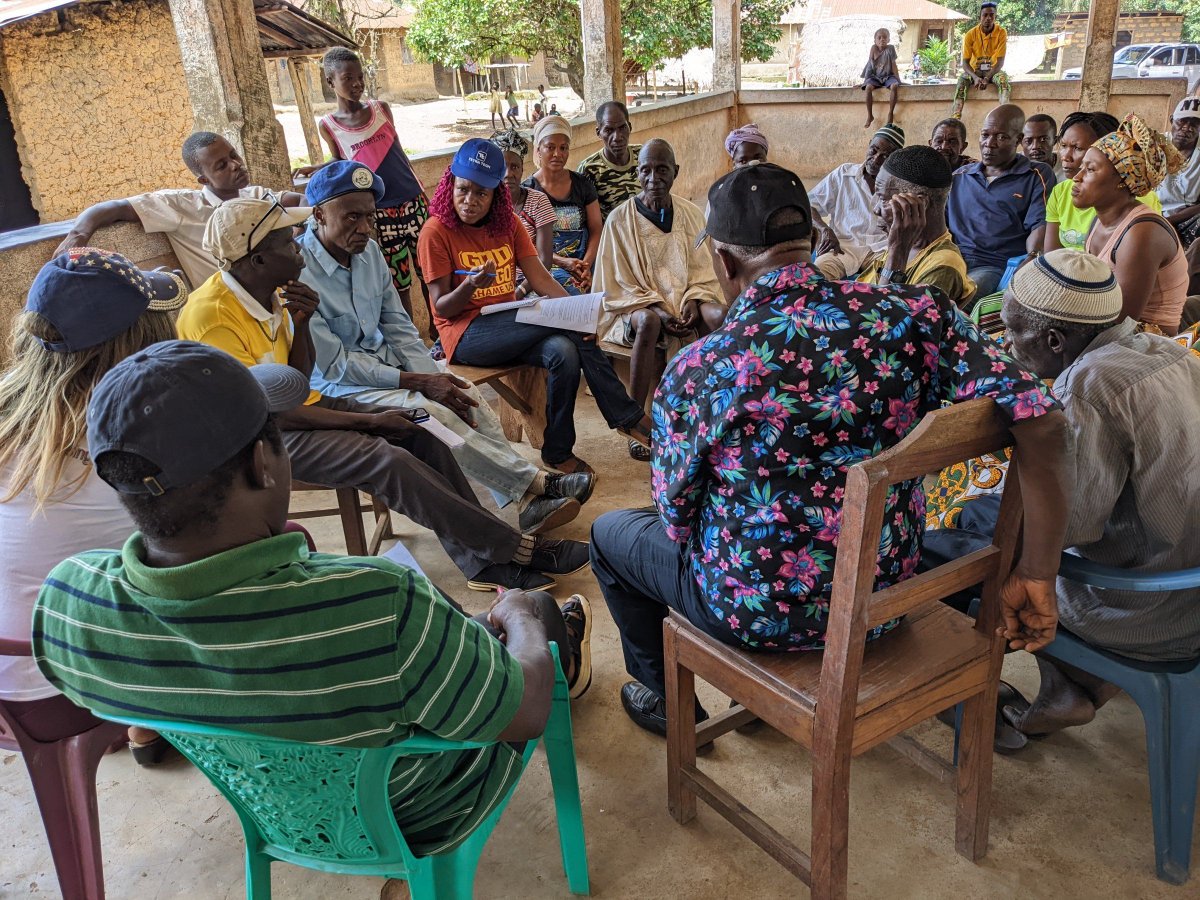
Between April 2022 and 9/30/24, the STOP Spillover Sierra Leone team worked w/stakeholders in Kenema district to improve understanding of risk factors for zoonotic disease spillover & develop interventions to reduce human exposure to wildlife. Learn more: https://t.co/l7RtxFqfgV
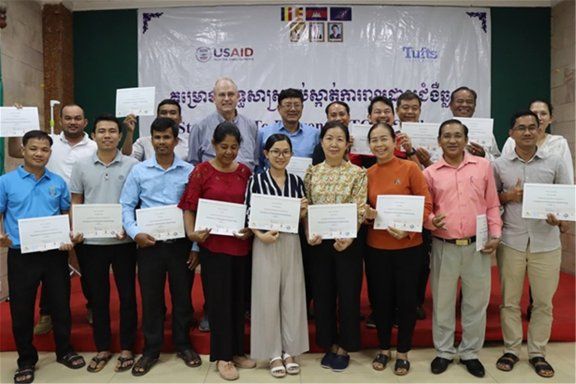
In Cambodia, #STOPSpillover works closely w/partners of the Royal Government of Cambodia as a One Health Design, Research, & Mentorship Working Group (OH-DReaM WG). The group recently trained to become a Syndromic and Active Surveillance (SAS) team: https://t.co/zxWTKOx0d0
In Cambodia, #STOPSpillover works closely w/partners of the Royal Government of Cambodia as part of a One Health Design, Research & Mentorship Working Group (OH-DReaM WG). The group recently trained to become a Syndromic and Active Surveillance (SAS) team: https://t.co/zxWTKOx0d0
Our impact briefs describe #STOPSpillover research activities & interventions across all project countries and include information about country-level activities, approaches, and outcomes related to the project's three main objectives. Access them here: https://t.co/Sr8Fykbm6z
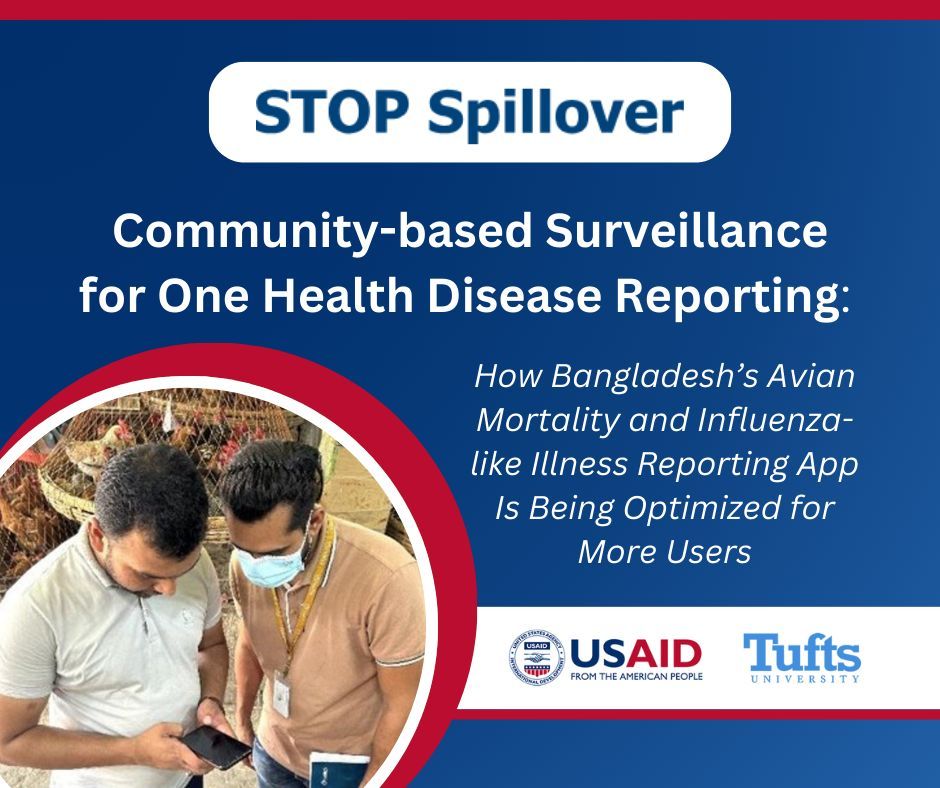
The #STOPSpillover team in Bangladesh is working w/partners to increase #HealthSecurity with an app that lets users notify authorities of conditions that could allow the spread of avian flu in live bird markets. Learn about the app, called Socheton, here: https://t.co/vjqtdOhxzg
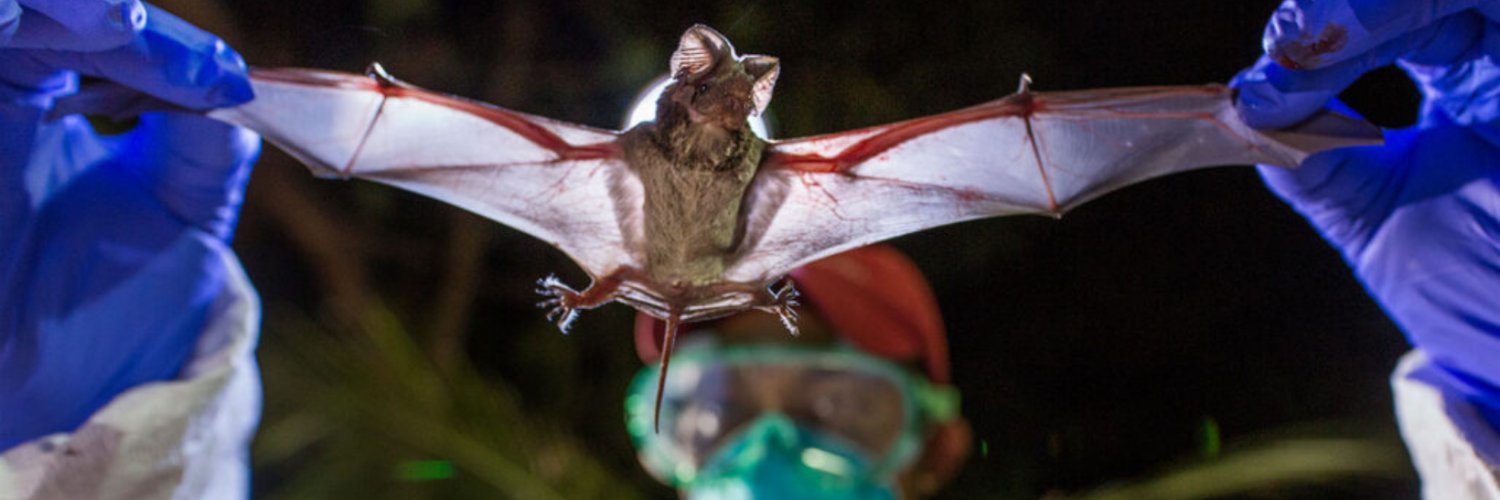
This fall, Ratana Chhan of the Cambodia Country Team presented at the 2024 SEAOHUN International Conference. He highlighted community-driven & tested solutions in mitigating #Zoonotic spillover risks related to bat guano farming: https://t.co/gfO8aZTSQA
#OneHealth#STOPSpillover
ICYMI: As a launching point for STOP Spillover’s final year of implementation, our team presented recent research and findings at the 2024 World One Health Congress (WOHC) last month. Read our summary to learn about the presenters and their work: https://t.co/xRngn8HSRA
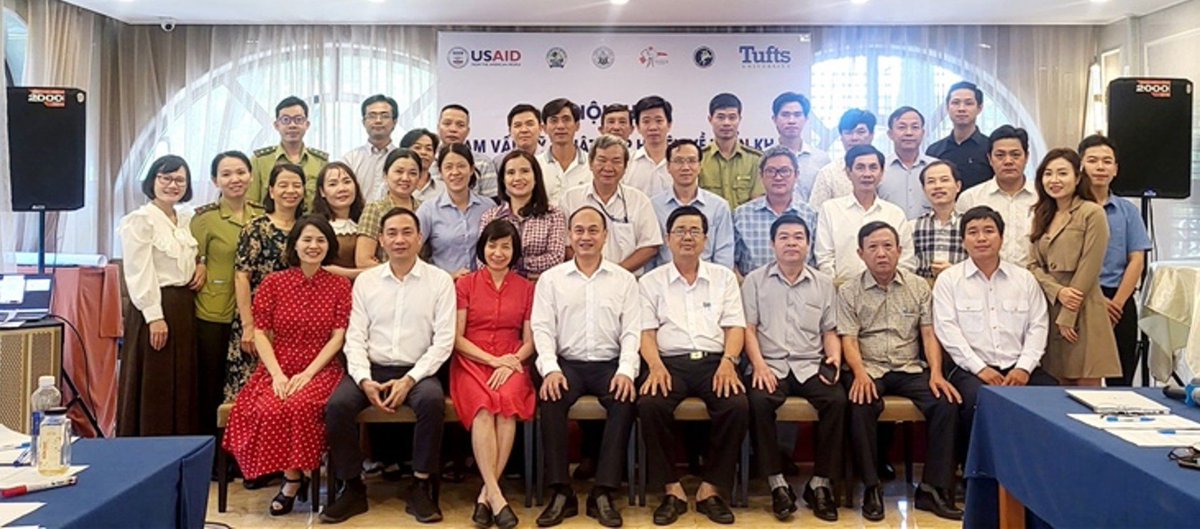
A new pilot program from the STOP Spillover Viet Nam country team offers Biosafety-Biosecurity Certification training for wildlife farms in Dong Nai Province. Learn more ➡️ https://t.co/U5txc4uh5D