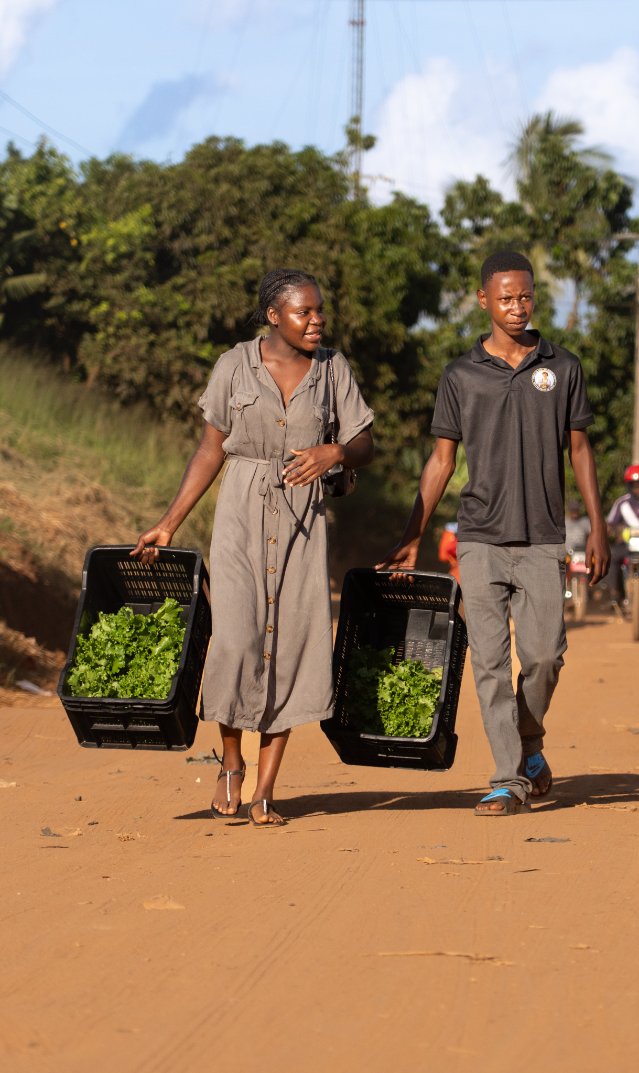
They learn climate smart agriculture, climate change adaptation, and sustainable food production for a more resilient future. #ClimateAction#FoodSecurity
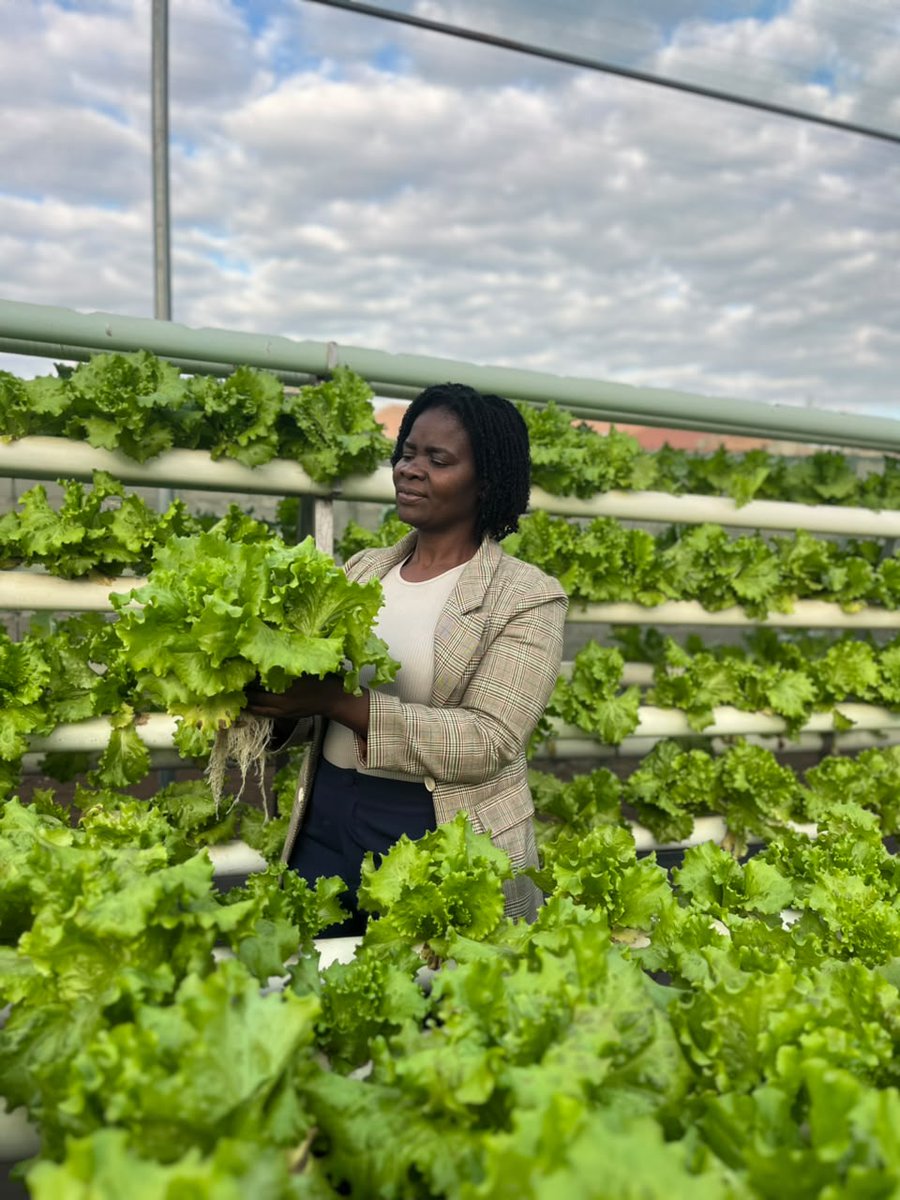
In Manica Province, Save the Children, through the LINK Project funded by the #GriegFoundation, is equipping students with life #skills through hydroponic farming.
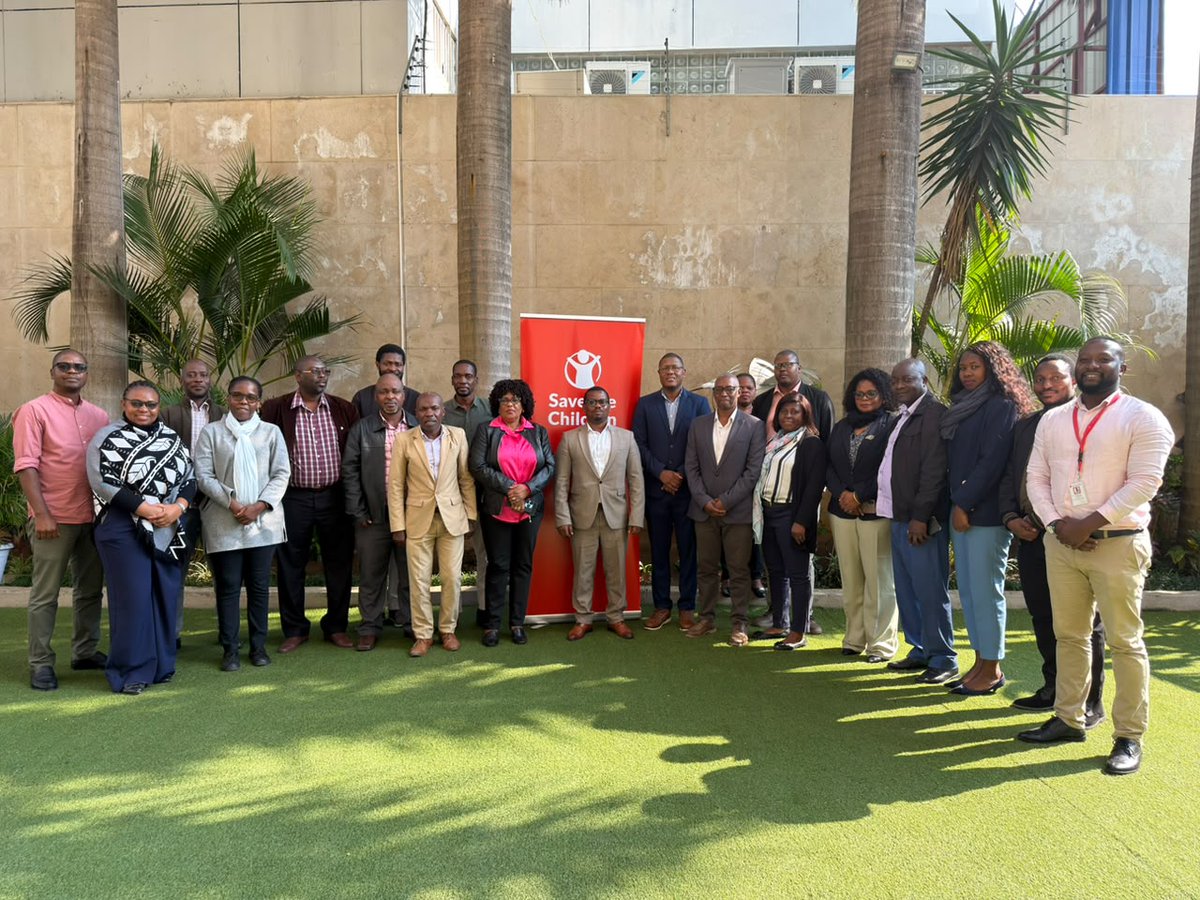
Government representatives, universities, development partners and civil society organizations participated in a training under the Climate Smart Education Systems Initiative, implemented by Save the Children UNESCO and UNESCO IIEP, with funding from the GPE.
The training strengthened capacities in institutional coordination, #climate information management, communication and sustainability, helping improve coordination across institutions, support evidence-based decision-making and build a more climate resilient #education system.
"Before, we had to walk long distances to fetch water. Today, things have changed. Now, the community garden will help raise funds to maintain the borehole and address future repairs." — Mr. João, Kambulatsitsi Water and Sanitation Committee.
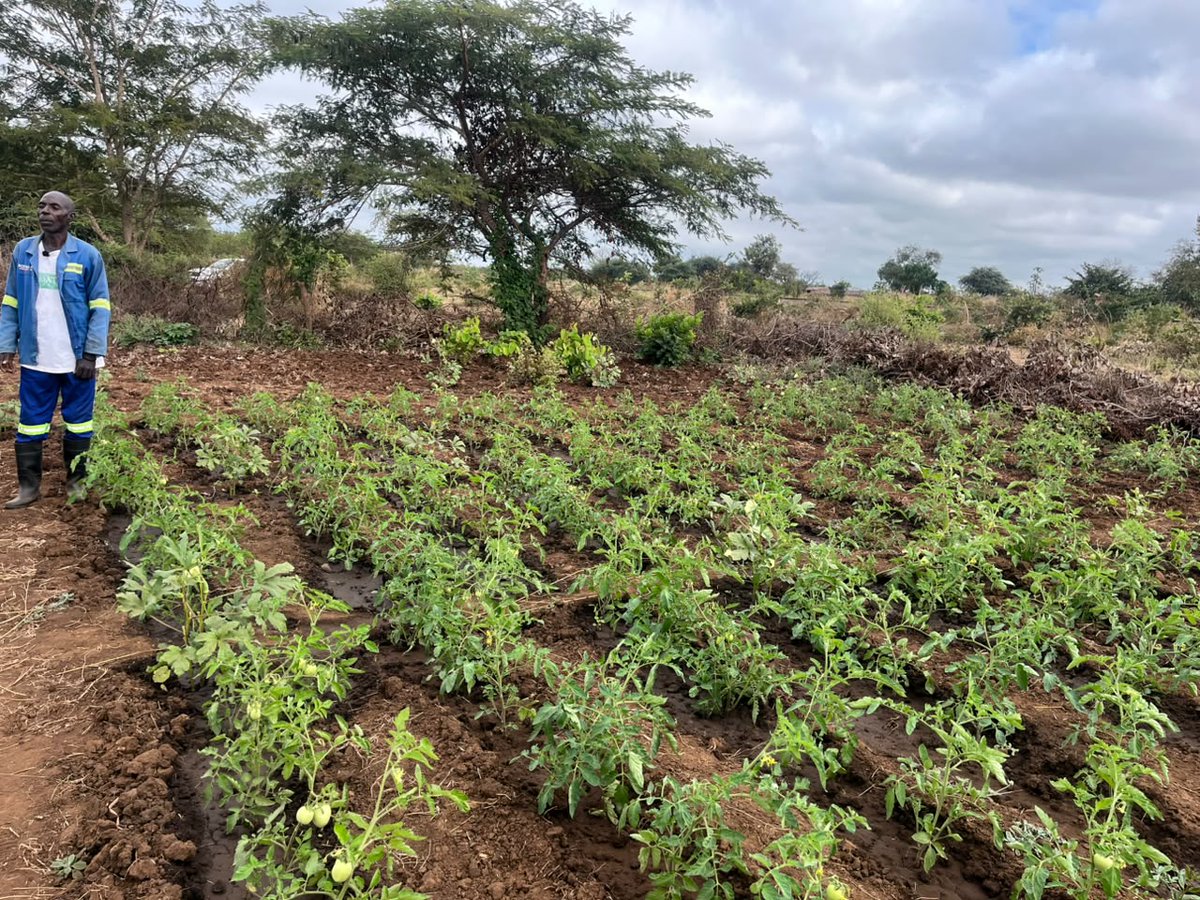
In Kambulatsitsi the WSC established a community garden following the rehabilitation of a borehole under the LINK Project Income generated from the sale of vegetables will support the maintenance of the water system, helping ensure its long-term sustainability
Today, under the CSESI, we held a technical session to consolidate inputs for the Climate Finance Roadmap for the #Education Sector. On Thursday, the Validation Workshop will bring stakeholders together to review and finalize the Roadmap and its Action Plan.
Club members also raise awareness about environmental protection, waste management, and deforestation prevention.
"I grew up in a farming family and want to work in agriculture. I hope to earn enough to build my own greenhouse one day," Lúcia says.
Lúcia*, a secondary school student, is a member of an environmental club established through the LINK Project, implemented by Save the Children with support from the Grieg Foundation.
"The biggest problem caused by climate change is hunger," she says.
Through the club, she learns hydroponics in a school greenhouse, where students grow vegetables using less water. The produce is sold to the community, and the income is reinvested in seeds and other farming inputs.
Save the Children works with INGD to strengthen Anticipatory Action in Mozambique since 2021, supporting early warning systems and timely preparedness ahead of forecasted El Niño impacts.
Funding remains critical to enable early response. #AnticipatoryAction#Mozambique
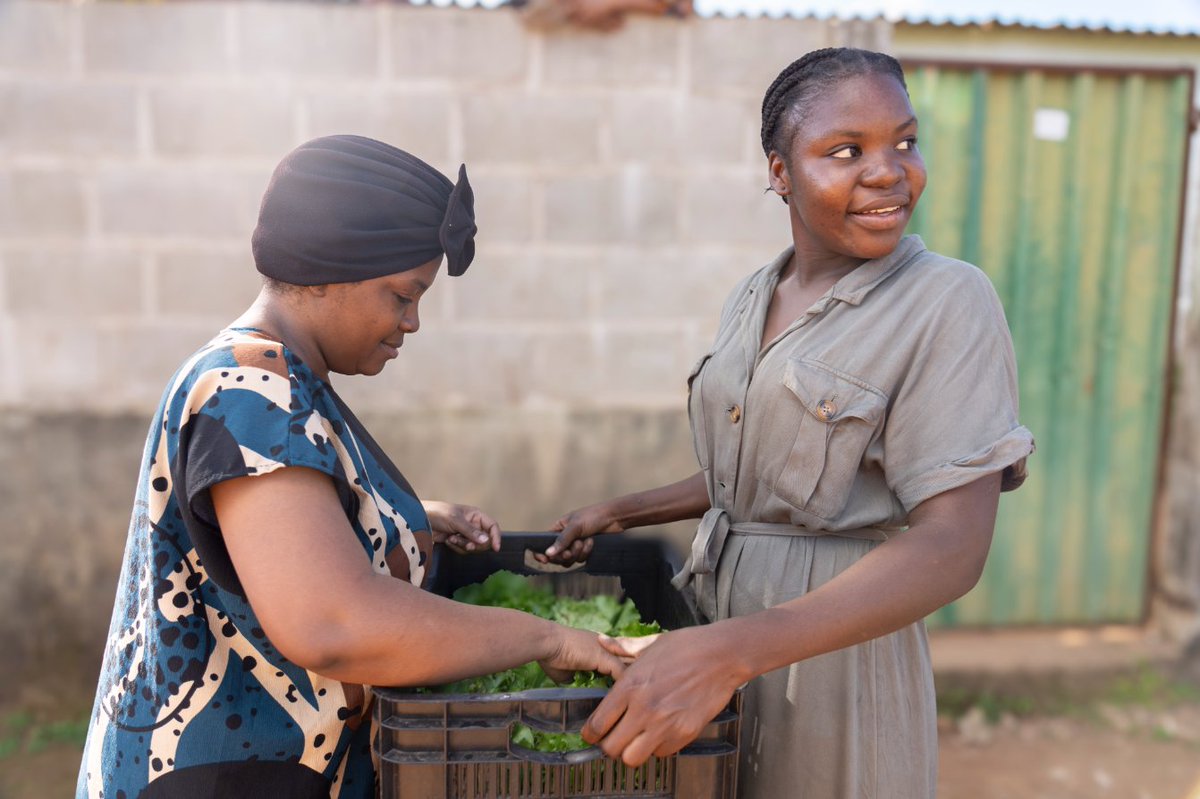
This timely support has enabled Carla to resume #farming, improve her family's food security and create opportunities to earn an income from the sale of surplus produce, #strengthening her #resilience to future #climate shocks
The #floods that affected Gaza Province caused significant losses for #families who depend on #agriculture for their #livelihoods. Among them is Carla*, from Mapai District, who lost her home, farming tools and entire harvest.
Carla is one of the 547 households supported in Mapai District. She received a voucher, which she used at an #Agricultural Input Fair to purchase vegetable seeds, including lettuce and cabbage.
Access to water changes lives.
Teresa's story highlights how the LINK Project, funded by the @theGCF is improving resilience through the rehabilitation of 192 boreholes across Manica, Gaza and Tete provinces.
#ClimateAction#WASH#Mozambique#LINKProject#GCF