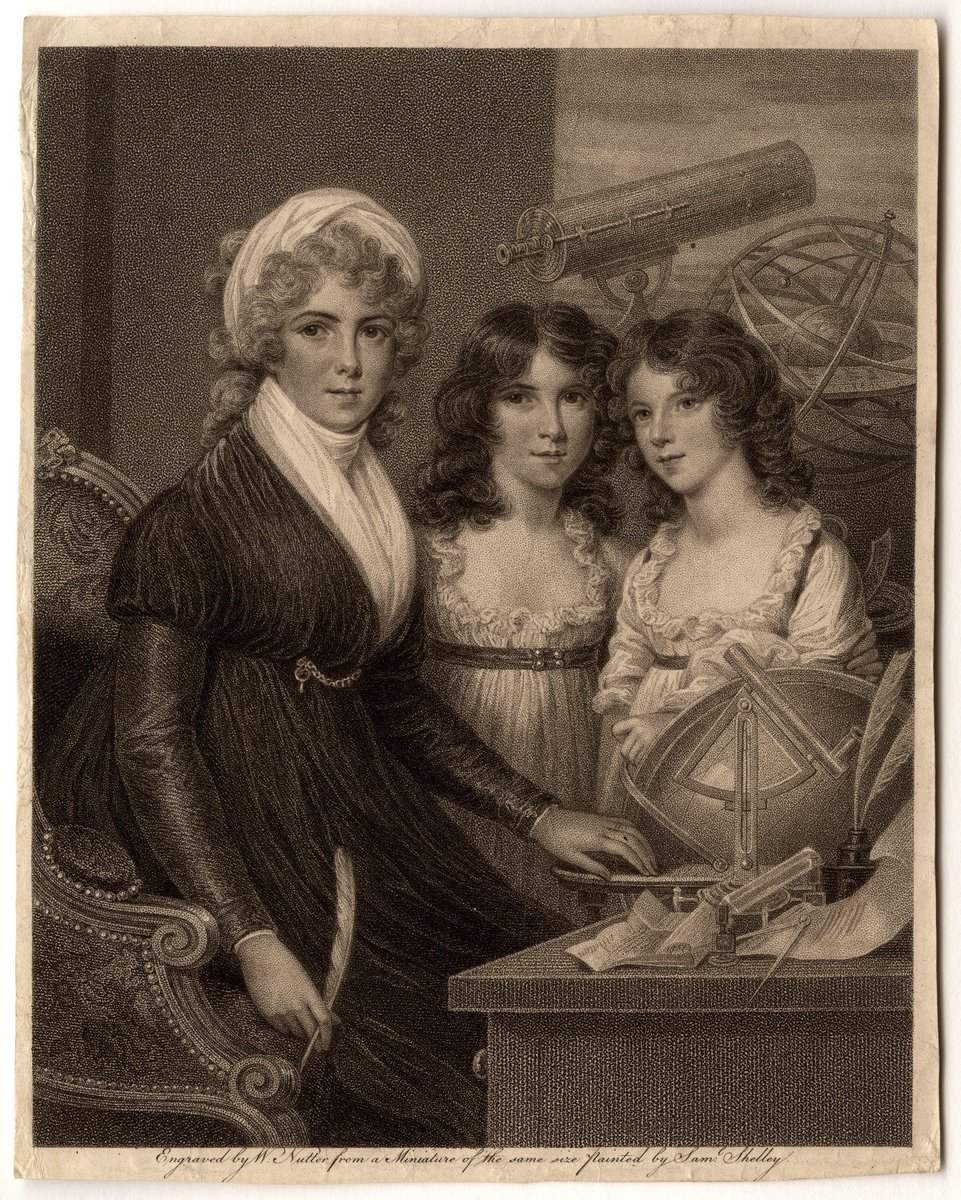
Margaret Bryan (d. 1836) was an English scholar and educator. She taught young ladies from 1791 to 1836 in her boarding school giving lectures on standard topics to non-standard topics like exact sciences.
#instrumentexplorations
She has several scientific works intended for educational purposes. Among them, Compendious System of Astronomy (editions in 1797, 1799, 1805), Lectures on Natural Philosophy (1806), and Astronomical and Geographical Class Book for Schools (1815) are particularly noteworthy.
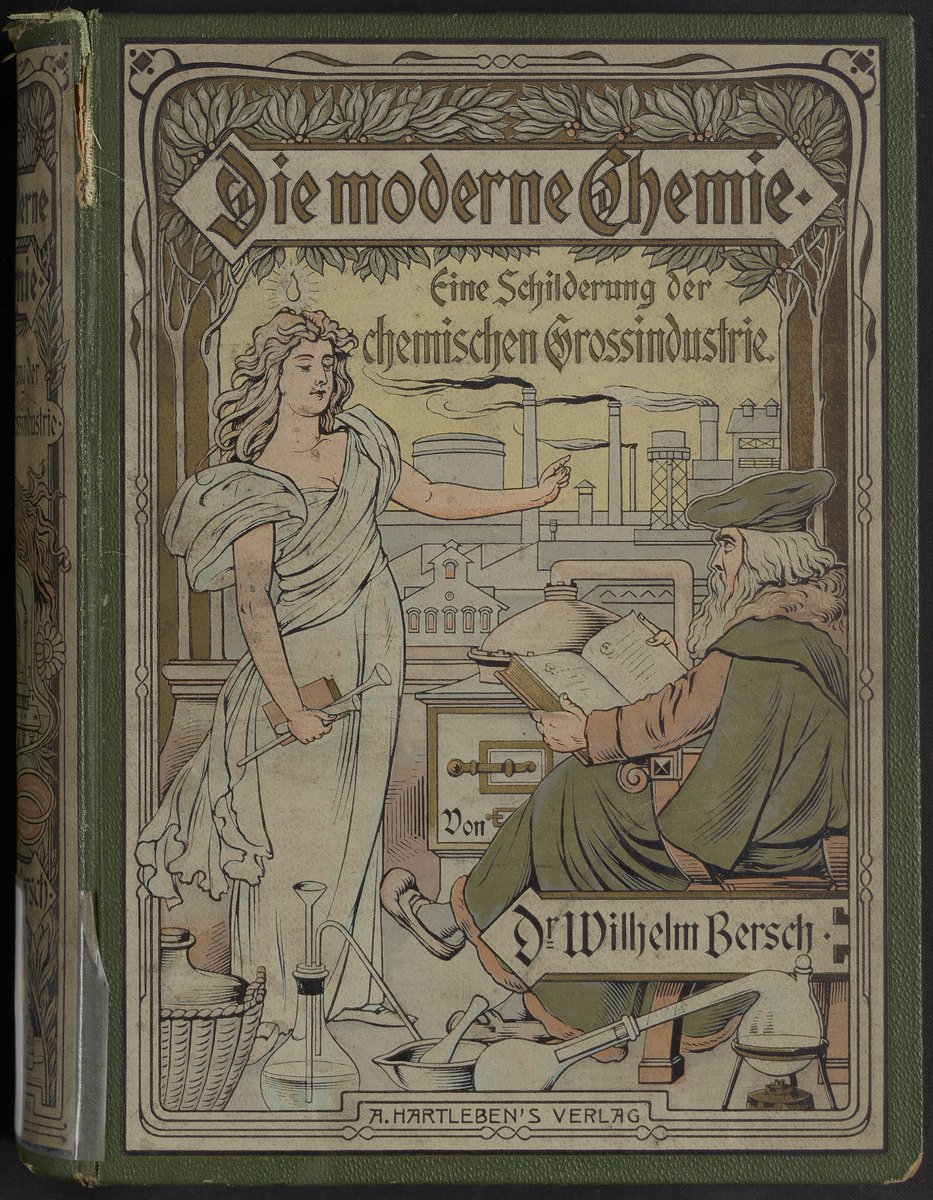
Science History Institute has digital collections which contain scans of the illustrated pages of numerous rare books ranging on scientific instruments and apparatus. https://t.co/eHNe8FVpfy
That's spot on, @peter_heering! It is an electrostatic perforator, first invented as an experiment by Jean-Antoine Nollet in the 1740s.
https://t.co/SGoVrj5ePt
Our #instrumentofthemonth is a dilatometer made in 1772 by the Spanish instrument maker Juan González. This device is used for measuring the changes on different types of metal rods which is quite essential for watchmakers. https://t.co/uhVUZIRbTF
Granville T. Woods (d. 1910) was arguably the first African American engineer in the US. He was an inventor who had 50-odd patents. These include a type of railway induction telegraph, a steam boiler furnace, and an egg incubator.
#instrumentalpeople
Our #instrumentofthemonth is a 3-foot theodolite known as the great theodolite. Made by Jesse Ramsden in London in 1791. It was used by the Board of Ordnance for ‘the Principal Triangulation of Great Britain’, a project for accurately mapping the country.
https://t.co/HI0cAhzQP0
A Lahore family of 4 generations of instrument makers dominated the production of scientific instruments in Mughal India in the 16th-17th centuries. At least 134 astrolabes and 33 globes by their hand are extant. The globes were made via the lost-wax method. #instrumentalpeople
The online collection of the Surveying Instrument Museum, the University of New South Wales Sydney, offers images and descriptions of about 200 instruments. https://t.co/6JRVUmdEvF
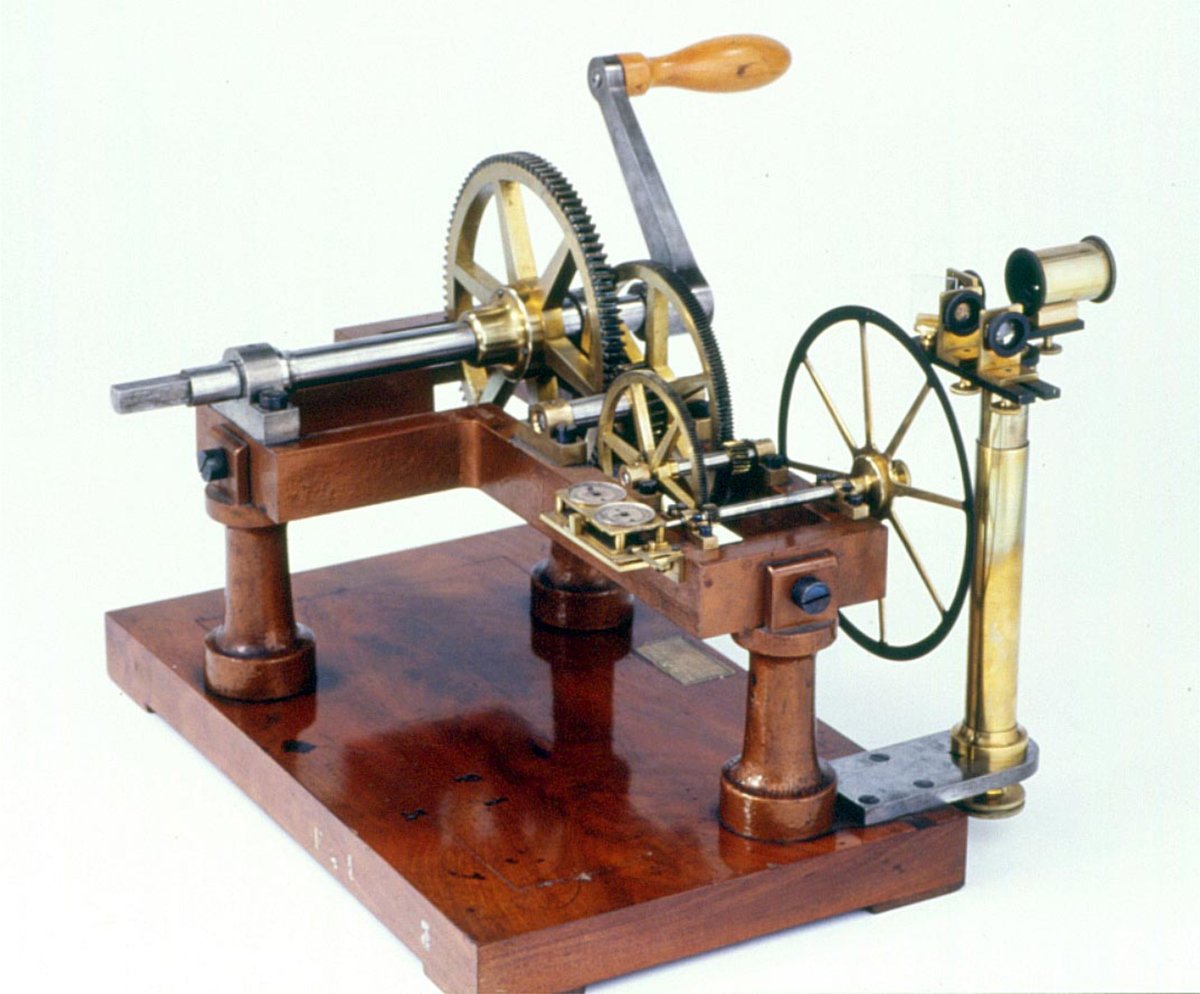
That's spot on, @peter_heering Thank you. It is indeed an instrument to measure the speed of light on the surface of the Earth. Made in 1849, it was used by the French physicist Armand Hippolyte Louis Fizeau (d.1896). https://t.co/ZF9Ha1BHUe