Mwanaume unapigwa pressure ya kununua dining table ya 80k.. unanunua.. wife na watoi wanaitumia for 3 days.. after hapo it's back to eating kwa sofa ama ata bedroom. Dining table inabaki kua decoration. Ukiingia kwa nyumba uione unaskia tu umejam. Nonstick pots ulikazwa utoe 40k zishatoa rangi in 1 month wife amezitupa mbali hataki kuzitumia.. wife alililia bike ati atakua anaenda karura every Saturday.. ukabuy bike ya 60k.. akaenda 2 satos akachoka.. saa hii inakula vumbi kwa balcony. GOAT wives can show you dust. Oh boychild.. ukiona mwanaume amekamata beer baridi hataki ata kuongea wachana naye.
He must be proud of his achievement
Imagine making your nation loose N26Billion worth of her annual export so that you can buy new Corolla.
If it takes 10 years before Nigeria bounce back, that's N260Billion loss
Let me tell you how it happened. Nigeria’s ginger export hit zero from N26 billion within 3 years.
The official story blames fungal blight.
But here is what actually happened. When Nigerian farmers lost their indigenous seed supply, grant-aided interventions arrived with replacement seeds.
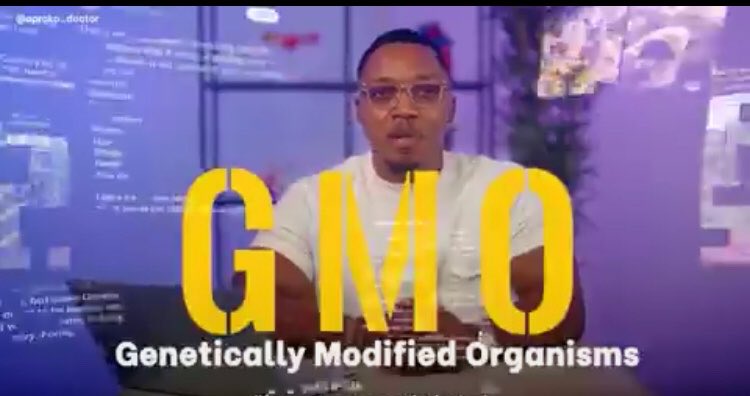
An associate professor at Lagos Business School flagged publicly that some of those interventions involved GMO organisms that weakened indigenous crops and compromised soil health.
That is not a conspiracy theory because it is a documented academic concern.
Now that Nigeria spoke got destroyed by the GMO seedlings….what is not the result?
Nigeria was forced to import ginger from China to fill domestic demand. Chinese ginger has none of the pungency, oleoresin content, or quality that made Nigerian ginger a global premium product. And the ginger now sitting in Nigerian markets tastes like wood because it essentially is wood.
The two indigenous varieties that built Nigeria’s global ginger reputation, the Tafin Giwa and Yatsun Biri, had decades of soil relationship and quality built into them.
Once the soil was degraded and those seed varieties were displaced, the product that returned was a pale imitation. Nigeria did not just lose a market. It lost a seed. And without a National Ginger Seed Bank, which nobody has built, it may never fully get it back.