SIVIO Institute is an independent policy research organisation (Think-Tank) focused on contributing towards Africa’s inclusive socio-economic transformation.
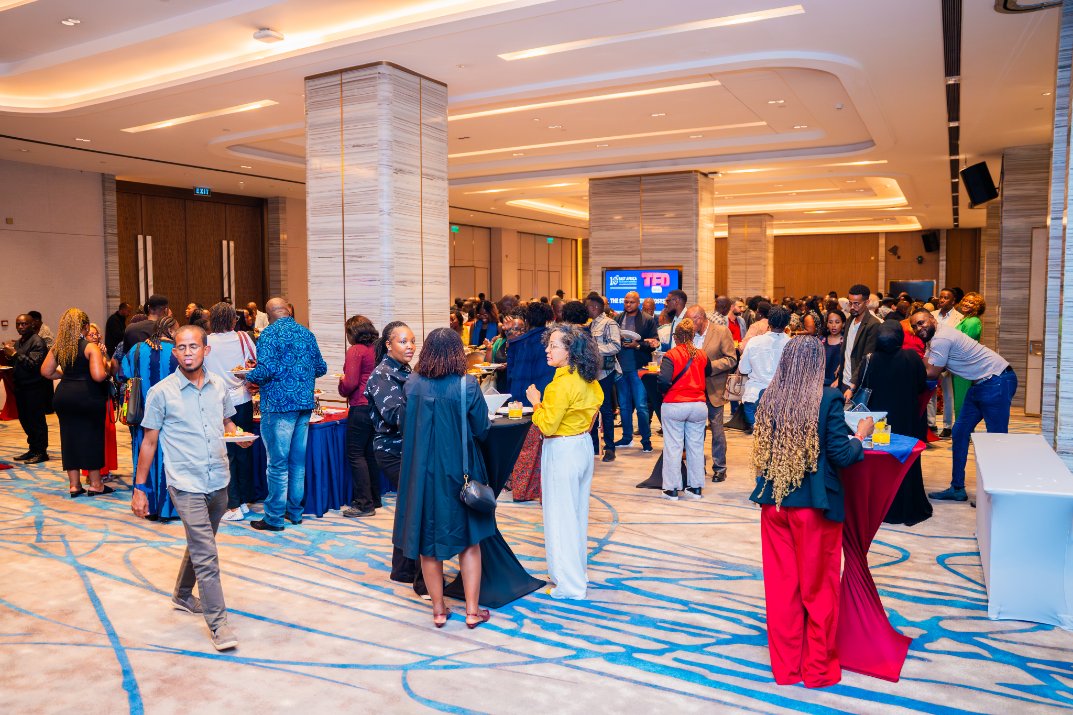
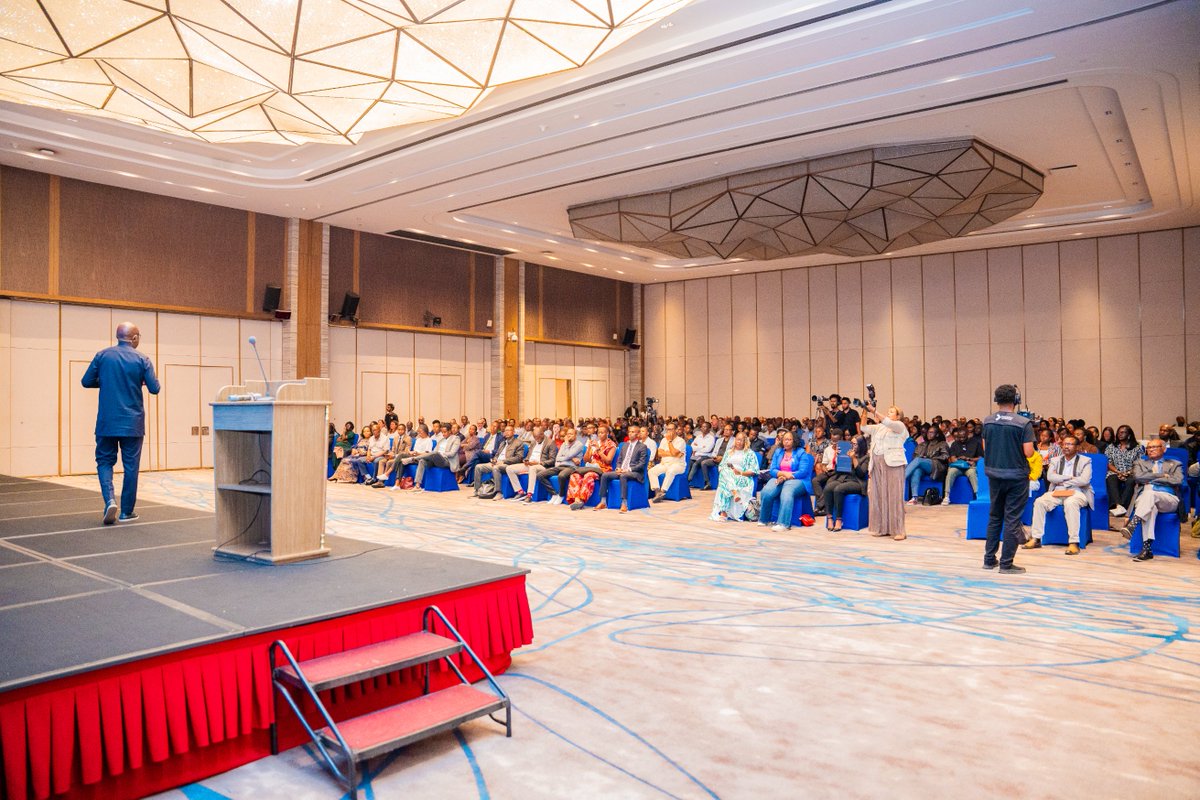
The conference opened with a powerful TED Address on “The State of the Economic System” and one concern stood out clearly.
For the first time, we are witnessing more organizations closing than opening.
This is being accompanied by staff layoffs, program disruptions and a widening funding diversification gap that is largely driven by a broader funding collapse affecting the sector.
This moment is a critical reminder that sustainability can no longer be an afterthought. It is now urgent for organizations to intentionally strengthen their resilience strategies, rethink funding models and invest in long-term sustainability planning to ensure continuity of impact.
As the sector evolves, so must our approaches to funding, collaboration and institutional stability.
#EAPC2026
@EAPhilanthropy
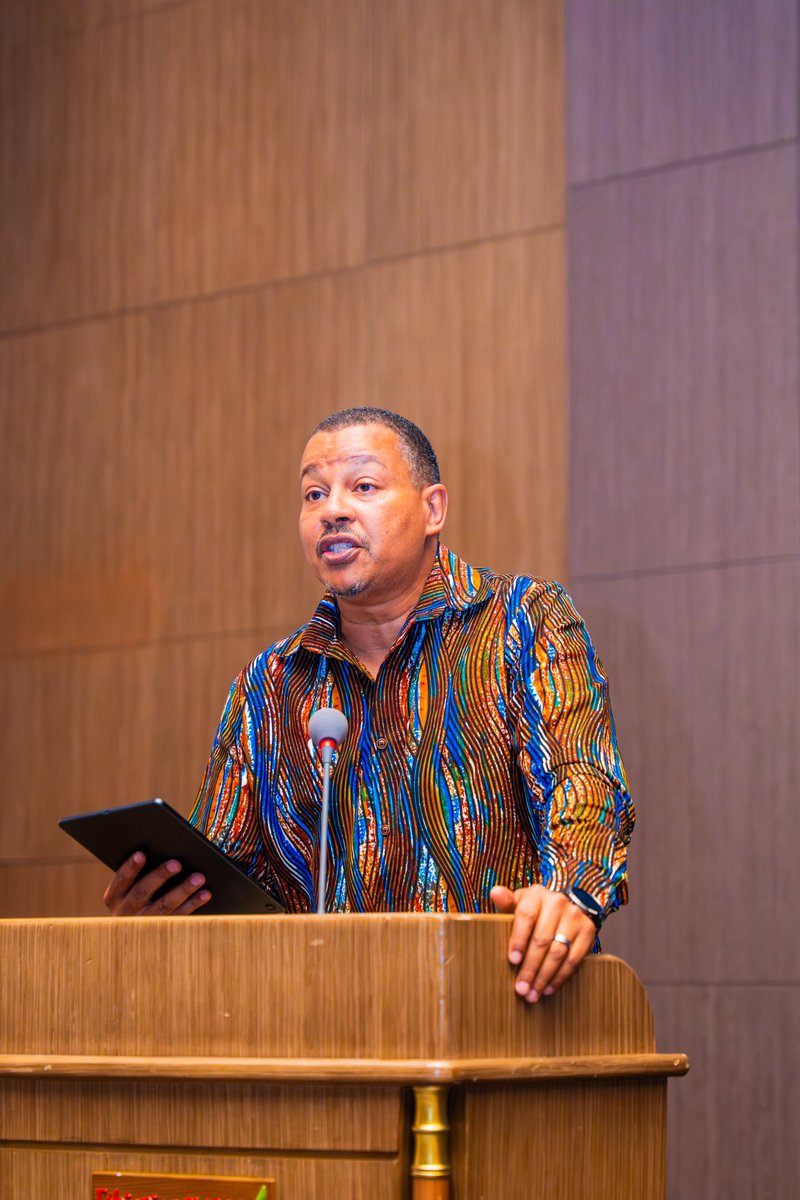
Dr. @tmurisa's reading of the moment at #10thEAPC: ODA fell 23.1% in 2025, the largest drop in the history of aid, and 95.7% of it came from just five donors. He called it the end of the aid era by design, 𝒂𝒏𝒅 𝒘𝒂𝒓𝒏𝒆𝒅 𝒕𝒉𝒂𝒕 𝑨𝒇𝒓𝒊𝒄𝒂 𝒄𝒂𝒏𝒏𝒐𝒕 𝒑𝒍𝒂𝒏 𝒂𝒓𝒐𝒖𝒏𝒅 𝒂𝒊𝒅 𝒕𝒉𝒂𝒕 𝒎𝒂𝒚 𝒏𝒐𝒕 𝒂𝒓𝒓𝒊𝒗𝒆. 📌
@sivioinstitute
Diaspora remittances have outpaced aid every year since 2019, with a 21 billion dollar gap in 2024. The money is already in African hands. 𝐓𝐡𝐞 𝐭𝐚𝐬𝐤 𝐢𝐬 𝐭𝐨 𝐜𝐡𝐚𝐧𝐧𝐞𝐥 𝐢𝐭. - @Dr. @tmurisa@sivioinstitute#10thEAPC
A paradox @Dr. @tmurisa put to the #10thEAPC: Africa holds 60% of the world's uncultivated arable land, yet spends 45 billion dollars a year importing food, and grows the world's cotton while processing only 2% of it. 𝑺𝒆𝒍𝒇-𝒔𝒖𝒇𝒇𝒊𝒄𝒊𝒆𝒏𝒄𝒚 𝒊𝒔 𝒂 𝒄𝒉𝒐𝒊𝒄𝒆 𝒘𝒆 𝒉𝒂𝒗𝒆 𝒏𝒐𝒕 𝒚𝒆𝒕 𝒎𝒂𝒅𝒆. - @sivioinstitute #10thEAPC
Dr. Tendai Murisa @tmurisa at the #10thEAPC: Africa's path to self-sufficiency runs through Domestic Resource Mobilization, and philanthropy is one of its pillars. The big bet is that domestic resources, not aid, 𝒂𝒓𝒆 𝒕𝒉𝒆 𝒆𝒏𝒈𝒊𝒏𝒆 𝒐𝒇 𝑨𝒇𝒓𝒊𝒄𝒂'𝒔 𝒆����𝒐𝒏𝒐𝒎𝒊𝒄 𝒊𝒏𝒅𝒆𝒑𝒆𝒏𝒅𝒆𝒏𝒄𝒆. @sivioinstitute
The current landscape of the philanthropy sector indicates a concerning trend where numerous organizations are ceasing operations while new ones emerge at a slower pace.
What should be done?How should it be done & when?
#EAPC2026#EastAfricaPhilanthropyConference#ShiftThePower
𝐓𝐡𝐞 𝐠𝐢𝐯𝐢𝐧𝐠 𝐀𝐟𝐫𝐢𝐜𝐚 𝐨𝐯𝐞𝐫𝐥𝐨𝐨𝐤𝐬: stokvels move 2.7 billion dollars a year in South Africa alone, 86% of Kenyans gave in 2024, and Harambee raised 55 million dollars between 1963 and 1988. 𝑻𝒉𝒆 𝒊𝒏𝒇𝒓𝒂𝒔𝒕𝒓𝒖𝒄𝒕𝒖𝒓𝒆 𝒇𝒐𝒓 𝑨𝒇𝒓𝒊𝒄𝒂𝒏 𝒔𝒐𝒍𝒊𝒅𝒂𝒓𝒊𝒕𝒚 𝒊𝒔 𝒂𝒍𝒓𝒆𝒂𝒅𝒚 𝒊𝒏 𝒑𝒍𝒂𝒄𝒆. - @Dr.@tmurisa@sivioinstitute
𝐂𝐚𝐩𝐢𝐭𝐚𝐥 𝐢𝐧 𝐓𝐫𝐚𝐧𝐬𝐢𝐭𝐢𝐨𝐧: 𝐓𝐡𝐞 𝐅𝐥𝐨𝐰𝐬, 𝐭𝐡𝐞 𝐈𝐧𝐬𝐭𝐫𝐮𝐦𝐞𝐧𝐭𝐬, 𝐚𝐧𝐝 𝐭𝐡𝐞 𝐈𝐧𝐬𝐭𝐢𝐭𝐮𝐭𝐢𝐨𝐧𝐚𝐥 𝐀𝐫𝐜𝐡𝐢𝐭𝐞𝐜𝐭𝐮𝐫𝐞 𝐑𝐞𝐜𝐞𝐢𝐯𝐢𝐧𝐠 𝐓𝐡𝐞𝐦. 🎀
A clear-eyed account of the capital now reshaping African philanthropy and the institutions being asked to receive it. This plenary takes the measure of money in motion, the bilateral aid that has contracted in a single year, and the private wealth and diaspora capital that have since overtaken both aid and foreign investment, then turns to the harder matter of what meets that capital when it lands. It examines the governance and deployment vehicles that determine whether this money builds something durable, and the question beneath them all: whether the architecture receiving it is designed on the continent or imported onto it.
Dr. @tmurisa of the @sivioinstitute leaves that question open, pressing on to where the power to design these systems actually lies. Kady Sylla of @Myriad_USA speaks to the cross-border channels that carry international and diaspora capital to African organizations. 𝑺𝒕𝒆𝒗𝒆𝒏 𝑩𝒆𝒄𝒌 of the 𝑵𝒆𝒘 𝑨𝒇𝒓𝒊𝒄𝒂 𝑭𝒖𝒏𝒅
makes the case for unrestricted, multi-year backing of locally led institutions. @mugachasb of @ImaginableFut brings the view of a funder deploying capital at scale and what it asks of the institutions it backs. @BriggsBomba of @TrustAfrica speaks for African agency and the architecture the continent builds for itself.
𝓣𝓱𝓲𝓼 𝓲𝓼 𝓽𝓱𝓮 𝓰𝓻𝓸𝓾𝓷𝓭 𝓸𝓷 𝔀𝓱𝓲𝓬𝓱 𝓽𝓱𝓮 𝓷𝓮𝔁𝓽 𝓽𝓱𝓻𝓮𝓮 𝓭𝓪𝔂𝓼 𝓪𝓻𝓮 𝓫𝓾𝓲𝓵𝓽. 🎉
#10thEAPC #Philanthropy #Development #Capital #Agency
𝐓𝐡𝐞 𝐒𝐭𝐚𝐭𝐞 𝐨𝐟 𝐭𝐡𝐞 𝐄𝐜𝐨𝐬𝐲𝐬𝐭𝐞𝐦 | 𝐀 𝐓𝐄𝐃 𝐀𝐝𝐝𝐫𝐞𝐬𝐬📌
𝑩𝒆𝒈𝒊𝒏 𝒘𝒊𝒕𝒉 𝒕𝒉𝒆 𝒘𝒉𝒐𝒍𝒆 𝒘𝒐𝒓𝒍𝒅 𝒊𝒏 𝒇𝒓𝒂𝒎𝒆, 𝒕𝒉𝒆𝒏 𝒘𝒂𝒕𝒄𝒉 𝒊𝒕 𝒏𝒂𝒓𝒓𝒐𝒘.
On the opening evening of the 𝟏𝟎𝐭𝐡 𝐄𝐚𝐬𝐭 𝐀𝐟𝐫𝐢𝐜𝐚 𝐏𝐡𝐢𝐥𝐚𝐧𝐭𝐡𝐫𝐨𝐩𝐲 𝐂𝐨𝐧𝐟𝐞𝐫𝐞𝐧𝐜𝐞, three voices read the state of the philanthropy ecosystem as one continuous picture, each one tightening the lens on the last. The view starts at its widest and closes at its most intimate, and by the time it sharpens, it has arrived exactly where you stand.
Everyone walks in holding a fragment of the picture. 𝑻𝒉𝒆𝒚 𝒘𝒂𝒍𝒌 𝒐𝒖𝒕 𝒉𝒐𝒍𝒅𝒊𝒏𝒈 𝒕𝒉𝒆 𝒘𝒉𝒐𝒍𝒆 𝒐𝒇 𝒊𝒕.
Sara Lomelin (@sara_lomelin) opens at the widest setting. Founding CEO of Philanthropy Together (@phil_together), a TED main stage speaker and a 2025 TIME100 Philanthropy honoree, she is a leading force behind the global giving-circle movement, and she reads the signals moving through philanthropy across the world, the currents every other conversation at this conference will sit inside.
Dr. Tendai Murisa (@tmurisa) draws the lens to the continent. Founder and Executive Director of @sivioinstitute, former head of TrustAfrica, and author of African Philanthropy: Evolution, Practice and Change, he reads the field as the continent actually lives it.
Jacqueline Asiimwe (@asiimwe4justice) brings it home. A human rights lawyer, founder and CEO of @CivsourceAfrica, and one of the 100 Most Influential African Women, she closes at the most proximate setting of all, the ecosystem seen from inside the region itself.
Three voices, one unbroken conversation. O𝑶𝒏𝒆 𝒓𝒆𝒂𝒅𝒊𝒏𝒈 𝒐𝒇 𝒘𝒉𝒆𝒓𝒆 𝒕𝒉𝒆 𝒇𝒊𝒆𝒍𝒅 𝒔𝒕𝒂𝒏𝒅𝒔, 𝒂𝒏𝒅 𝒘𝒉𝒆𝒓𝒆 𝒚𝒐𝒖 𝒔𝒕𝒂𝒏𝒅 𝒘𝒊𝒕𝒉𝒊𝒏 𝒊𝒕.
The picture comes into focus on the evening of 16 June. 𝓑𝓮 𝓲𝓷 𝓽𝓱𝓮 𝓻𝓸𝓸𝓶 𝔀𝓱𝓮𝓷 𝓲𝓽 𝓭𝓸𝓮𝓼.🎀
#10thEAPC #AnchoringSystems #StateOfTheEcosystem
Agriculture as political currency. Support conditional. Autonomy limited.
That is the deeper layer of agrarian transformation.
What would it take to shift from dependency to agency?
Watch Episode 2 ⬇️
🎥 https://t.co/xdwyAy0eFe
📗 https://t.co/qkWjPKIS5Q
🚨Now live: Part 2 of What If We Think Differently- Shifts in the Land & Agrarian Question in Africa.
Beyond ownership: can land reform deliver real productivity? Using #Zim as a case study, we explore what comes next.
🎥https://t.co/xdwyAy0eFe
📗https://t.co/qkWjPKIS5Q
At today’s Town Hall convened by @Planact_NGO & @ActUbumbano, we are sharing findings from the 2025 CPE Survey. The voices of 3,156 South Africans are clear: trust is fragile, service delivery is lagging.
Read the full report: https://t.co/SNqAdacr1h
#CPE2025#SouthAfricaVoices
Episode 1 exposed the land’s power divide.
In Part 2 of What If We Think Differently, @tmurisa revisits Samir Amin’s call: Africa’s agricultural revolution is still unfinished.
Find out more in our latest episode: https://t.co/GxivqHweAZ
Looking forward to this discussion. Starts in 1 hour! What promises has philanthropy made? Who is holding the sector to account? From power asymmetries to inherited architectures, we’re asking the hard questions and charting bold new paths. Join us. https://t.co/kV3evwA8og
Kathêkon brings together ideas, evidence, & diverse perspectives shaping Africa’s development, a space for reflection, dialogue, & action.
New to Kathêkon? Watch this tutorial to learn how to navigate the platform, explore content, & join the conversation: https://t.co/L6Truazjwa
Introducing Kathêkon.
A knowledge hub for bold ideas, critical reflection, and real conversations on Africa’s journey toward an inclusive society.
Not answers, but conversation.
Not certainty, but curiosity.
Join us.
🔗https://t.co/L6Truazjwa
Behind the book is a personal journey.
From growing up between rural & urban life
• to studying food security & land reform
• to returning to a debate that never went away
This is more than research, it’s a homecoming.
🎥: https://t.co/9L9pPrRwc0
📗: https://t.co/qkWjPKIS5Q
Africa is rapidly urbanising (55-58% still rural), yet land has vanished from development conversations. Why? Are we redefining progress, or ignoring reality? @tmurisa & Nontsi unpack the shifting land & agrarian question.
Watch: https://t.co/9L9pPrRwc0
📗https://t.co/qkWjPKIS5Q
Service Update🚨🚨
Our servers are currently down, affecting African Citizens Watch, the We Are One Fund, AfricaGiving, & the Institutions website. Our team is working to restore access as quickly as possible. For urgent needs or information, please email [email protected]