Imagine how much happier you would be each and everyday if you just ordered your plastic parts and didn't order a rock shaped like your parts.
This is your daily reminder that molding sucks.
@waynenilsen@mattshumer_ Designing a machine that could handle this was one of the first things that we did in 2017. Actually turned into a materials science problem to make it reliable
@LunarCitizens There are about three planned halves here. This was only half of current payload capacity. They expect to double payload with the next starship version. And if it was just partially reusable that would half it again.
AGENT WARS
We asked 5 top AI models to design, engineer and 3D print a bridge to with the goal of holding the most possible weight.
🇺🇸 Anthropic: Claude Opus 5.5 (High)
🇨🇳 Kimi: Kimi K3 (High)
🇺🇸 Meta: Muse Spark 1.3 (High)
🇺🇸 OpenAI: GPT 6 Astra (High)
🇺🇸 SpaceXAI: Grok 4.7 (High)
Each bridge had specific parameters. It had to span 2 feet, use a maximum 500 grams of filament, and it had to be under 18 hours of printing time. We specified what type of weight and where we would place it on the bridge.
The Score:
• Claude Opus 5.5 held an estimated 130 lbs! It took 9 hours and 11 minutes to print 17 parts and used 441 grams of filament.
• Meta Muse Spark 1.3 held 26.5 lbs. It took 13 hours and 12 minutes to print 49 parts and used 478 grams of filament.
• OpenAI GPT-6 Astra held an estimated 17.5 lbs. It took 15 hours and 44 minutes to print 29 parts and used 442 grams of filament.
• SpaceXAI Grok 4.7 did not finish. On assembly it could not stand up by itself. It took 12 hours and 22 minutes to print 29 parts and used 460 grams of filament.
• Kimi K3 did not finish. It wasn’t engineered correctly so the bridge could not even be assembled. It took 11 hours and 19 minutes to print 35 parts and used 446 grams of filament.
That means our champion for this episode is Claude Opus 5.5. Not only did it hold the most weight (by FAR) it also took the least time to print, used the least amount of parts and used the least amount of filament.
This was episode 02 of Agent Wars, stay tuned for episode 03.
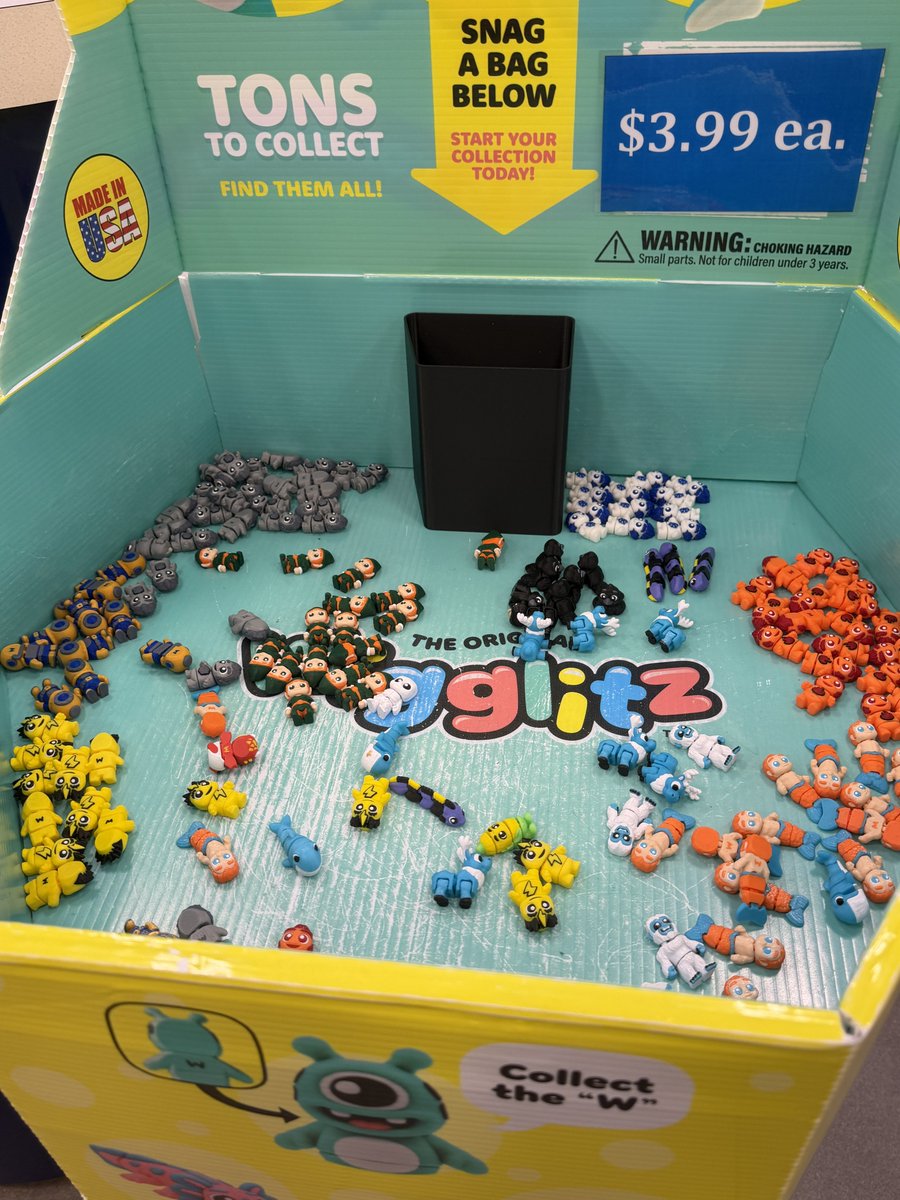
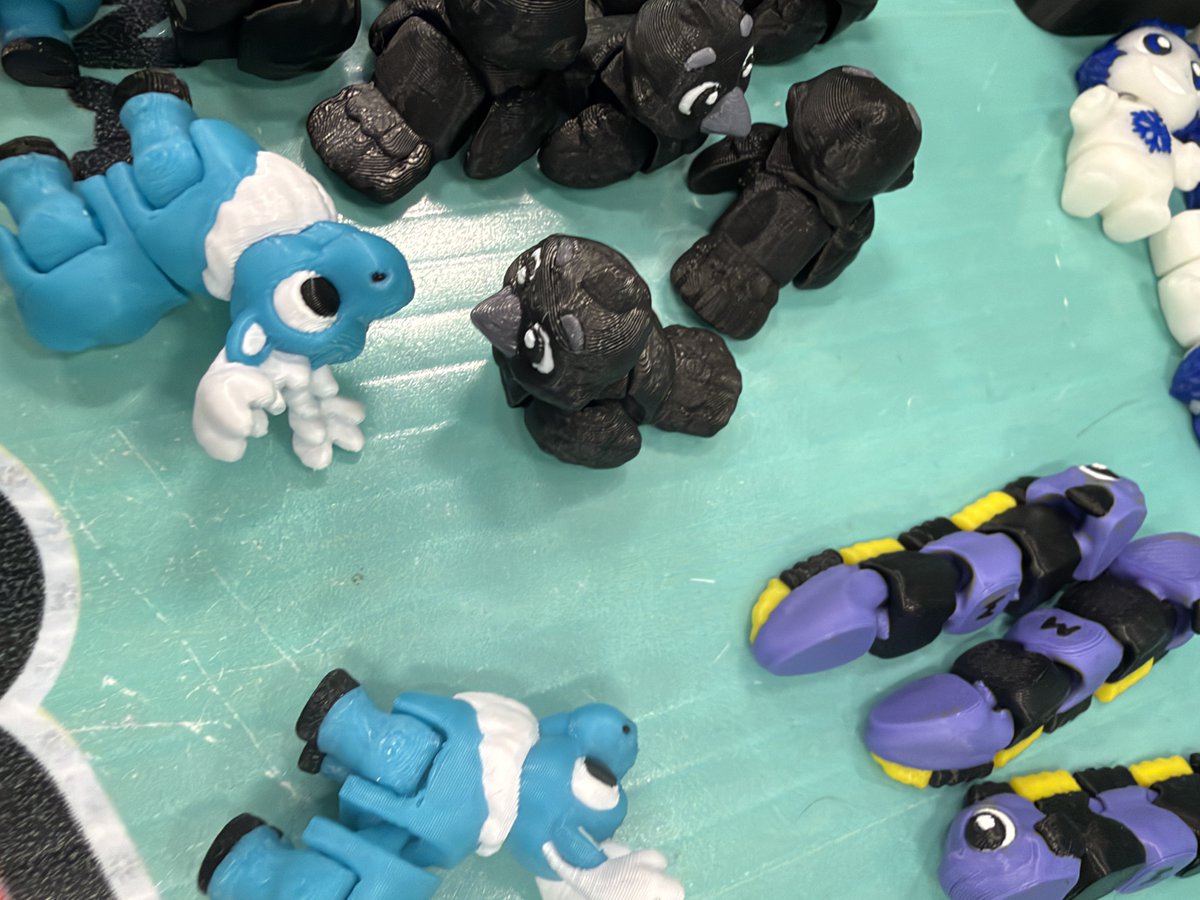
I've always felt conflicted about Wigglitz.
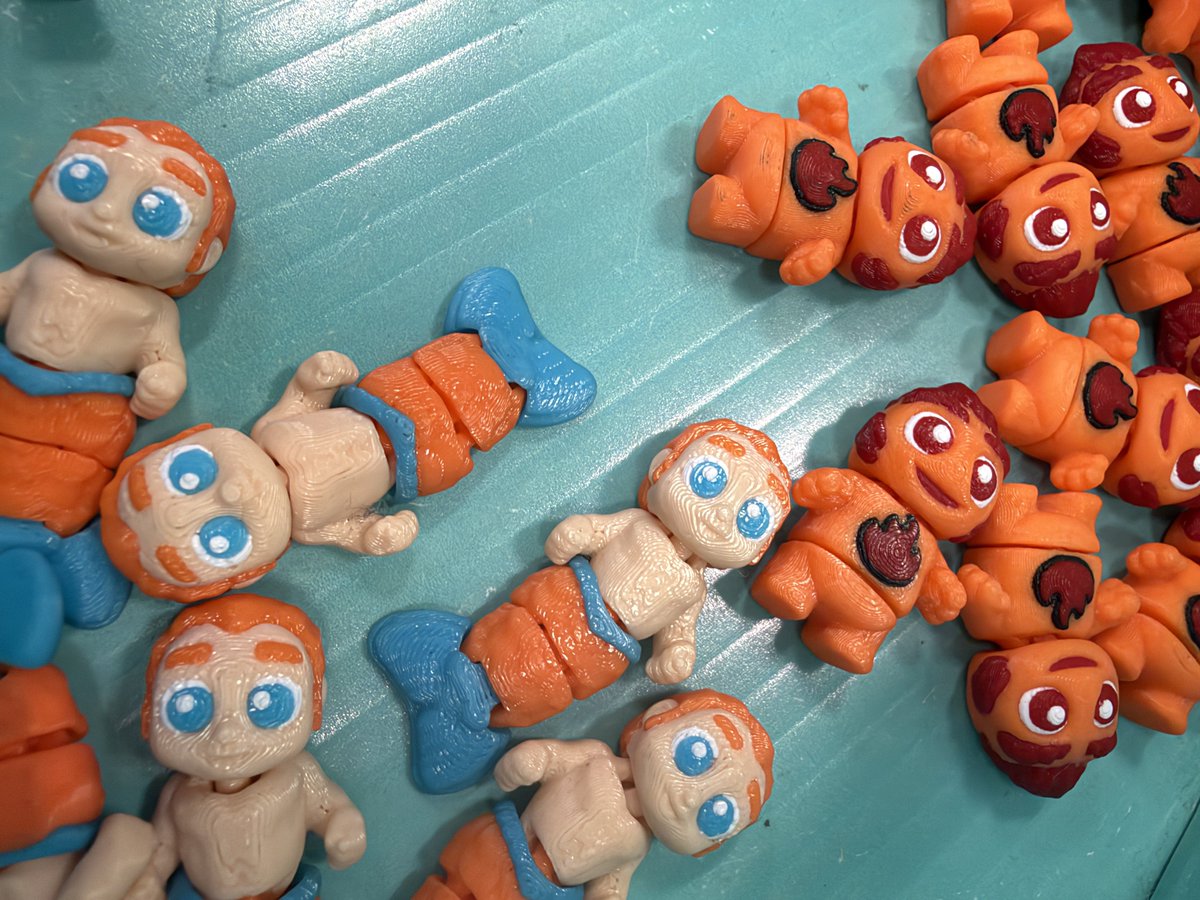
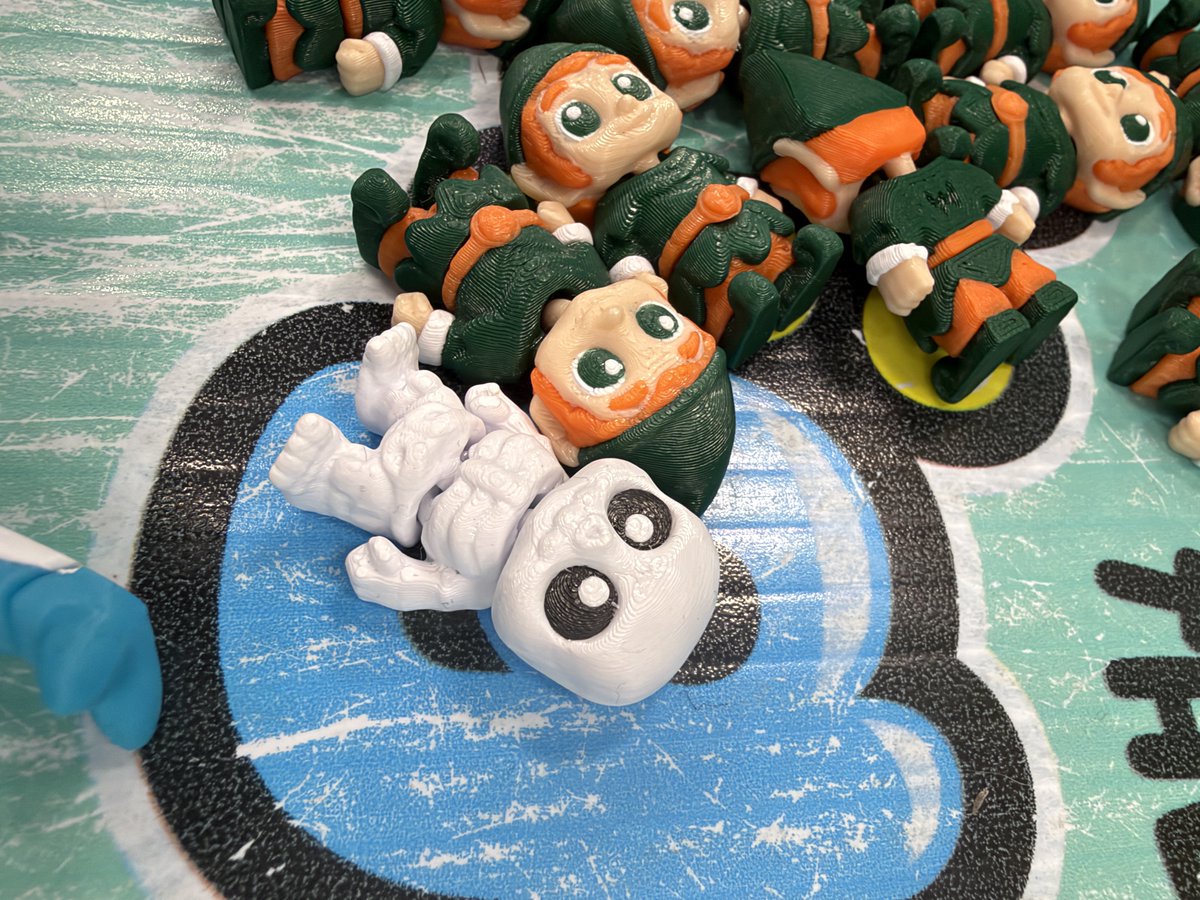
On the one hand: They've got a business model that clearly works. I see them in the wild everywhere now. Their quality for size especially is pretty damn good and a testament to what FDM is capable of now. Kids love em, even if just for a short while. They employ designers, a production team, and all the other awesome social and economic benefits that come from running a US business.💪🇺🇸
On the other hand: I know the vast majority of these will wind up in landfill. I HATE it that it gives ammo to people who point at them and say "See! 3D printing is wasteful and just for toys!!" The same could be said about the far greater supply of cheap crappy injection molded toys out there but they don't. 3DP seems to be the whipping boy more often.
I guess I just want the general public's understanding of what 3D printing is and can be to be better than this.
Am I overthinking it? 🤔🤷♂️
Printing has been a better option for several years apples to apples.
But when you compare the geometric freedom, lower inventory costs, and the ability to iterate and move quickly molding looks like what it is. Carving your product into stone like a caveman
We are working on giving more direct feedback on manufacturability though the API.
Agents are patient enough to go through many iterations to get it right.