JUST IN: 🇮🇷🇺🇸 Iranian state media confirms deal with the US and says it includes lifting sanctions, withdrawing US military from around Iran, and ending the naval blockade.
Biggest IPO in history to trade today @CNBC 🇺🇸 states US$350 billion chased the US$75 billion IPO prices at $135 with greenshoe to US$86 billion likely
25 leveraged ETF funds linked to @SpaceX said waiting to buy to meet their mandate as tracker funds
Let’s see how this listing goes given all the hype & puffery
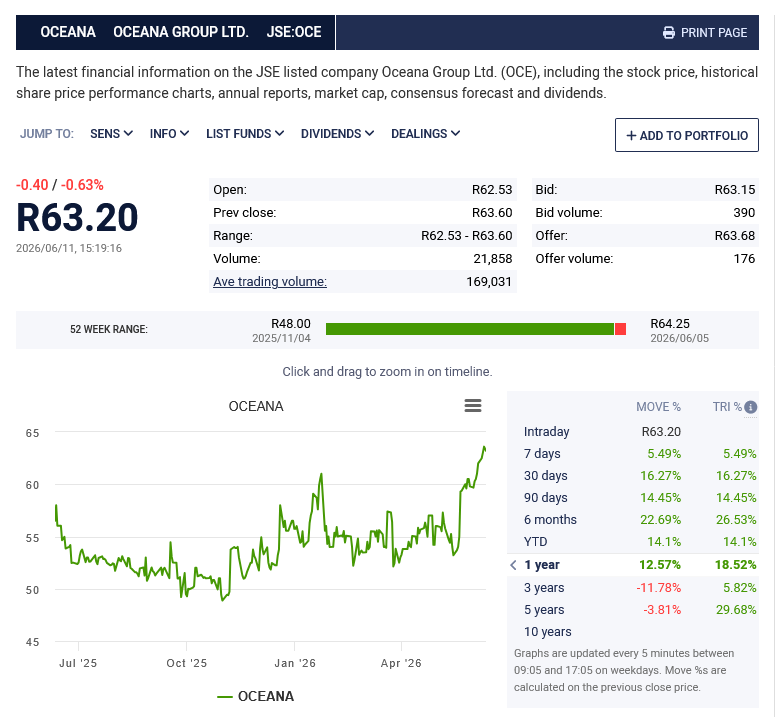
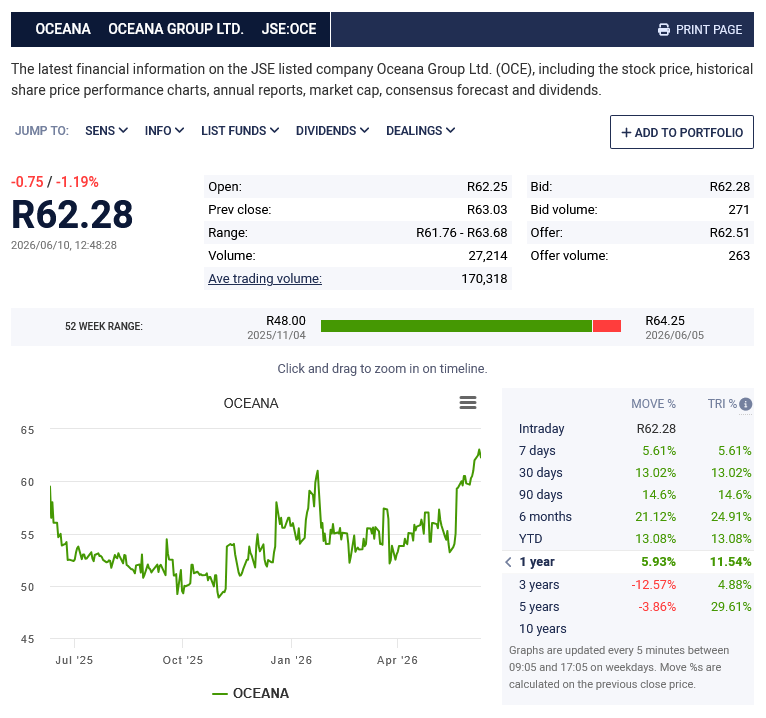
$JSEOCE Oceana CEO and CFO step into the market and buy shares as #OCE trades near 52-week highs
CEO Neville Brink buys 20,000 shares for R1,253m
CFO Zaf Mahomed buys 6,006 for R375,272
Maybe they see what I see - better prospects from large US subsidiary Daybrook adding lustre to #OCE results
Breaking news: The European Central Bank has become the first central bank in the G7 to increase borrowing costs in response to the Middle East energy shock https://t.co/hM6Fu0T0K3
Breaking news
More positive news for Oceana’s Daybrook
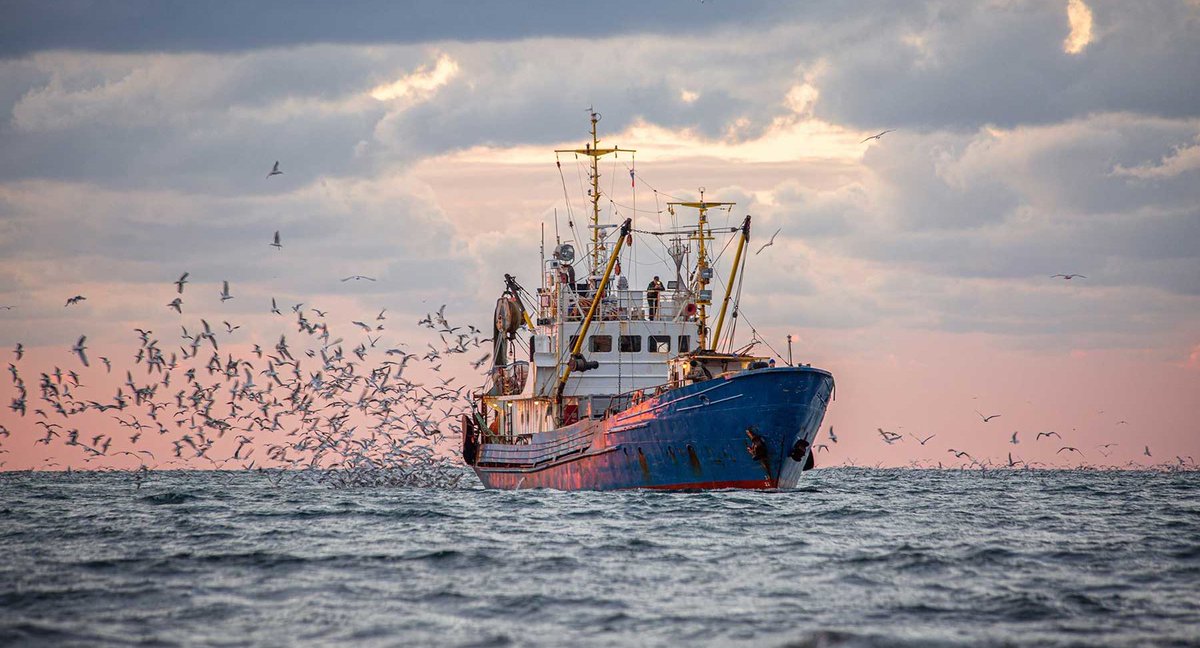
Peru has extended its anchovy fishing ban with no date set for its removal, adding further uncertainty to global fishmeal and fish oil supplies. The ban on fishing has been in place since late-April
The suspension, which had been due to expire on June 10th, remains in place across much of Peru’s northern and central coastline
Authorities said the restrictions could be lifted fully or gradually following further scientific assessments by Government Fishing Bodies
The ban remains in force amid ongoing Coastal El Niño conditions and concerns over a high proportion of juvenile fish in the stock
Peru is the world’s largest producer of fishmeal and fish oil, making developments in its anchovy fishery closely watched by aquaculture feed markets
Only 24% of the first season’s TAC of 1.9 million tons was landed before the ban started. The first season fishing traditionally ends in mid-to-late June and the on-going ban on fishing raises concerns that the first season will be cancelled echoing the 2023 El Nino issue that slammed Peruvian fish meal and fish oil production and caused prices to spike
Just in May, when Peru initially had a mini ban, then a mega ban (that was extended to June 10th) fish oil prices have run from $3,500 to $7,000 a ton (+100%) and fish meal from $2,340 to $2,940 a ton (+25.6%). I am awaiting my data points for June to update
On this ban extension it is likely prices, where stocks are said to be globally tight, will run further ahead.
Just off the $JSEMTH Motus pre-close call for year end results to June 2026. The tonality reflected the challenges in some market segments (UK, Australia, used cars) but also indicated that #MTH was holding its own and even gaining in some areas
#MTH started the year well with the stock running hard to a peak of R132.50 then from March slumped -24% to the current price of R100.76 as the rampant charge of the Chinese and Indian vehicles rampaged through the sales landscape
#MTH indicated it had fared reasonably well in the past six months and highlighted that it expected profits growth in high teens and a -20% reduction in finance costs (past results have been driven by reduction in debt and the associated finance income saving)
On a current PE of 6.5x with a better reporting period ahead I'd wager that #MTH has probably reached its bottom with support around R100.00
Any movement from here will be sentiment directed on expectations on new vehicle sales given the recent rise in interest rates and the soaring price of fuel. This may temper investor interest in #MTH until guidance on results are seen in September
Here is a link to this morning's presentation
https://t.co/xBzmRahc6r
@Meatman_WP@Agrimark_ZA The Stanford cheap diesel branch is owned by Overberg Agri the unlisted co-op based in Caledon controlled by investment fund Acorn Agri (not) KAL Group
They also have even cheaper diesel at their branch in Caledon
All eyes on this today and what will be the next move in the world's largest fish meal and fish oil producer
Peru's Ministry of Production (PRODUCE) is in the middle of a 30-day extended industrial anchovy fishing suspension in the north-central zone. Running from May 27 through June 10, 2026, the ban was enacted due to persistent El Niño conditions and a high concentration of juvenile fish
Prices have risen strongly since May as the fishing ban started and there was a tightening of supply of the key aqua ingredients globally
Will the extended ban be pushed out from June 10th?
Granular but highly important early data as the harvest for 2026 comes off the fields
The Crop Estimates Committee has estimated a record commercial maize harvest for the year at 17,064 million tons
Yellow maize 7,885m tons
White maize 9,179m tons
Soya 2,911m tons
Year to date prices remain benign
Yellow maize -5.57% to R3,238 a ton
White maize -9.26% to R3,302 a ton
Soya +2.2% to R6,800 a ton
Though the harvest remains in play looking at the @sagis_info weekly yield data its very encouraging
White maize grade 1 (WG1) is at 94.6% but on 5% of harvest collected
Yellow grade 1 (YM1) is at 95.7% on 10% of harvest collected
The % of WG1 is highly encouraging given the crop in 2025 was at 64-65% thus South Africa will have ample supplies of quality maize for domestic use and export
Klerksdorp agricultural giant @SENWES issues a trading update for its year ended April 2026 which indicated earnings would be 20% higher than the prior period
NHEPS in FY2025 were 399.1 (-18%) as the impact of drought and weak sales of agricultural equipment weighed
Given the timing of planting and the harvest, Senwes's earnings lag what occurs in the sector, thus the record 2026 commercial maize and soya harvest will only start to benefit the company into its new financial year (May to October 2026) as record volumes of product pass through their system
FY2026 saw an improvement in mechanisation (Germany has heavily loss-making in 2025) and the Senwes retail cluster in the year performed better
Senwes trades on the company's own platform with the stock steady for an extended period at R19.40 a share (there is an on-going share buyback upto R20.00)
On a PE of 4x with NAV nearer R30.00, @SENWES is an appealing play in the sector though highly illiquid for those who prefer a steady play in the sector
Results are due July 3rd
Getting back to my old self after an extended period of sickness and fever from this nasty cold/flu going around
Live on @cnbc today at 4.45pm playing catch up on the small-to-mid cap sector and top stocks of 2026
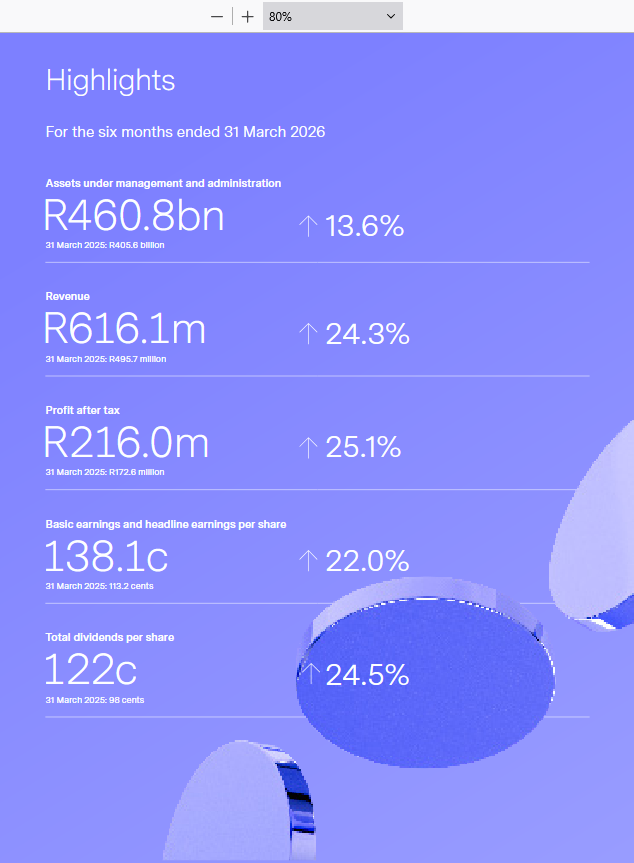
H1 2026 results from asset manager $JSESygnia were pleasing depending on your base comparative
No H1 presentation just financials.
Total AUM +13.6% R460.8bn but unchanged from YE2025 results to September. Main kick was AUM inflows +R43.1bn in the six months
Umbrella funds +27.1% R23 billion but +12.2% from YE2025 results to September
Expenses +21.6%
PBT +25.4% R302.1m
HEPS +22.0% 138.1cps
Dividend 24.5% 122cps
Retail AUM R91.6m but only +1.3% from YE2025 results to September
Main growth areas (Revenue)
Investment management +10.9% (50.4% of revenue)
Admin fees +66.5% (27.1% of revenue)
Treasury services +43.2% (16.6% of revenue)
#SYG closed at R32.50 year-to-date -8.6% but from its late-March sell-off its ++18.1% with the stock the best performing listed asset manager over the past 12-months
Owned the stock since IPO and very happy with results performance + on-going juicy dividends
May sales data for capital equipment out from The South African Agricultural Equipment Association (SAAMA)
May tractor sales 542 units down -14.6% like on like and down a modest -1.0% month-on-month
27 combine harvesters sold -34.7%
Sales are usually soft this time of the year as farmers are busy taking the harvest off the fields
Although market sentiment remains positive, an increasing number of uncertainties are overhanging the market. Amongst others these are current summer crop yields, input costs, commodity prices, interest rates and weather prospects for the forthcoming summer cropping season
With lower year-in-year prices for key fields crops yellow & white maize and soya alongside rising production costs into the new planting season (it starts in October) equipment sales may be subdued
In chatting to $JSEOMN Omnia this morning on YE2026 results they indicated they have sufficient supplies of key nutrients and they anticipate farmers will continue to plant with some change on the margins (less maize, more sunflower and modest change in soya)
Clubbing is dead and has been replaced by fitness & wellness.
Ppl used to party to socialize and date but now they do things like HYROX, bathhouses, and running raves.
The death of clubbing is something to be studied:
— US has lost 12% of its nightclubs in the last 24 months
— 25% of US adults didn’t drink at all last year
— Gen Z drinks 30% less than Millennials did at the same age
On the flip side:
— According to Strava, the number of running clubs recorded on the platform increased 3.5x in 2025
— 72% of Gen Z go to run clubs to meet new people
— Sauna and spa market: $11.8B → $22.4B by 2034
The post-alcohol economy is gonna be a massive category.
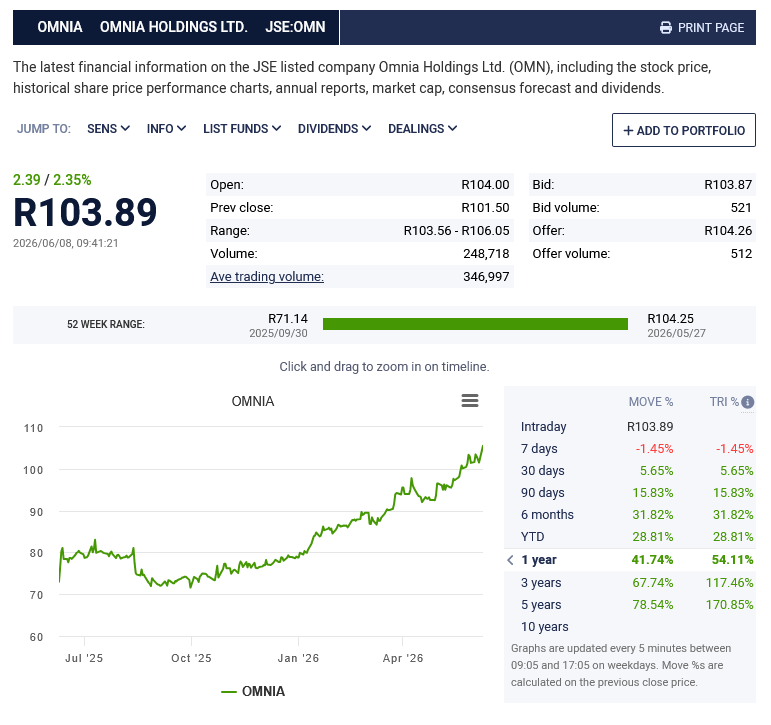
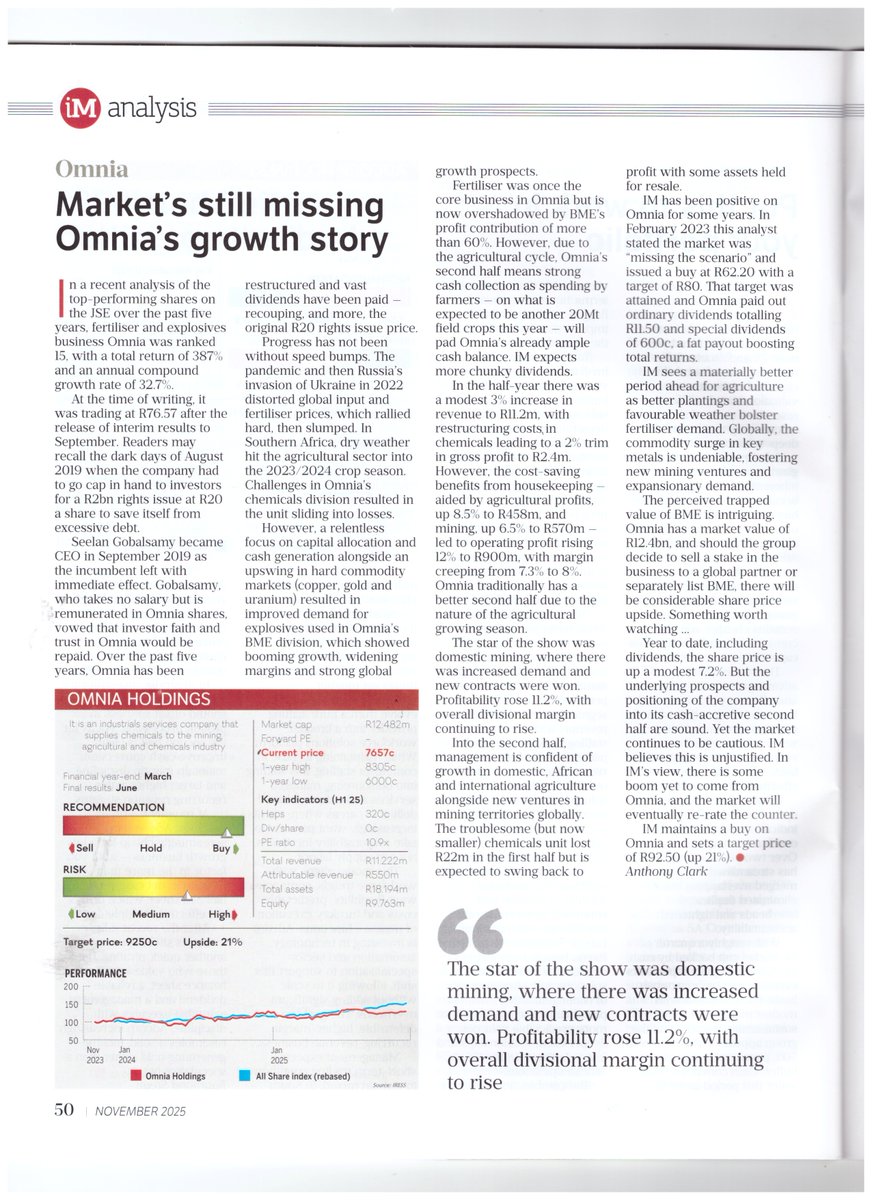
Solid results from fertilizer and explosive business $JSEOMN Omnia as the stock - on results & the dividend news - hits a new 52 week high of R103.89 a gain year-to-date of +28.8%
As a March year-end, Omnia has not yet materially benefited from the Middle East conflict push in various fertilizer compounds price increases - which only started kicking in in March onwards
Given the strong cash generation, #OMN again declares fat dividends with a 470 cent ordinary dividend and a 280 cent special
HEPS for the year saw growth of +21% to 849 cents per share supported by the recovery of agriculture
Rest of Africa and the substantial completion of the chemicals restructure
Africa agriculture delivered profit of R260m from a prior loss of R62m
Chemicals moved to a profit of R4m from a prior loss of R133m
These were the main kicks to results
Overall. Agriculture profits +27.5% to R1,251m and explosives +1.4% to R1,145m
There is an 11H00 webinar on results which I am participating in to get the management unpack on results & prospects
#OMN a favoured recommendation from this desk for the past couple of years
Monday data points
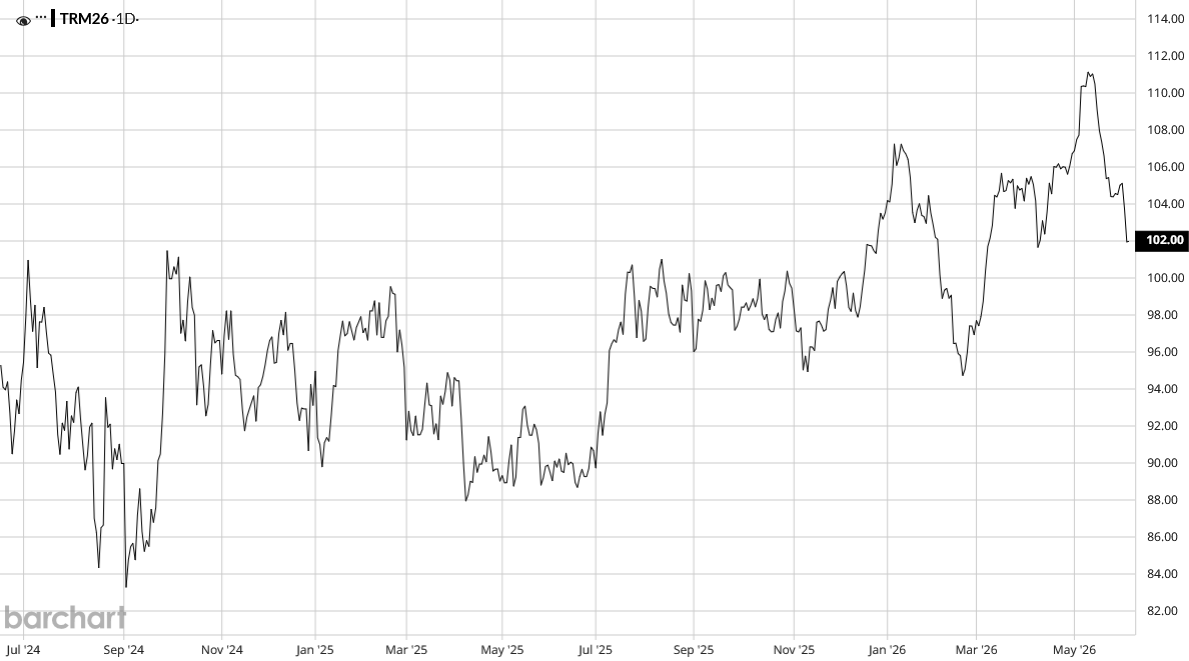
Iron ore trending lower on the week to US$102 a ton = R1,691 (current spot 16.58)
The world is awash with iron ore with increased production from Australia and Brazil with a significant ramp up in the giant Simandou’s mine's output
Chinese steel demand remains muted due to seasonal slowdowns and weaker profitability and the coking coal fatality. The Shanxi accident pushed domestic coking coal futures sharply higher, hitting the daily trading limit
Cocoa has also collapsed from its peaks but do you see the price of chocolate 🍫 bars falling on the shelves or reversal of shrinkflation gram sizes?
Nope, more special offers, more promotional activity but consumer goods rarely ever cut prices …. so they will be creaming profits from coffee for quite some time yet
Slightly biased as I contribute articles to the @FinancialMail but this week’s issue is a damn good read well worth my R46.50
Raymond Steyn’s article on mining scallywag Brett Kemble & @MarcHasenfuss piece on $JSEHCI are both great reads