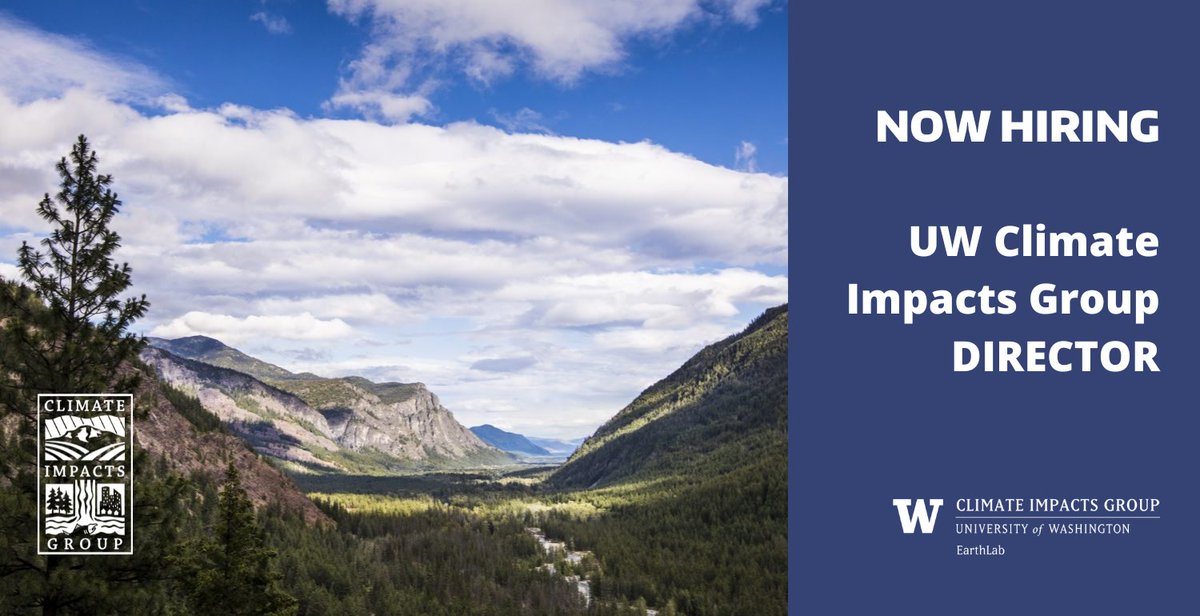
📣We are seeking a director to provide strategic leadership and steward fundraising & partnerships for the UW Climate Impacts Group. This is an exciting opportunity to help us implement our 5-year strategic plan and grow our impact!
Learn more & apply: https://t.co/63m0EYYmPJ
New Podcast Episode!
"Exploring Nature-Based Solutions," the latest edition of the "Come Rain or Shine" podcast, is out now! In this episode, we hear from Dr. Laura Norman, a Research Physical Scientist with the USGS, about this important topic.
https://t.co/Aj47zecXRs
New Reflection!
Anissa McKenna, the Assistant Southwest Tribal Climate Resilience Liaison with the American Indian Higher Education Consortium, recently attended the Native Youth Climate Adaptation Leadership Congress (NYCALC).
Follow the link below!
https://t.co/m4kqneEMnc
New Reflection!
Anissa McKenna recently attended the Native Youth Climate Adaptation Leadership Congress (NYCALC). In this event, youth worked on developing a climate adaptation project to implement in their home communities.
https://t.co/ESYC1QWKLJ
New Blog Post!
Read NRWD Fellow Maria Stahl's reflection on water availability, as well as approaches to shed light on the experiences of livestock managers and land managers experiencing the effects of aridification!
Photo Credit: Jack Van Allsburg
https://t.co/fFBsZblfhO
New Blog Post!
Our most recent blog post by UCLA Ph.D. student Hannah Myint discusses her education and research journey in wildfire risk. Follow the link below to read more!
https://t.co/tx2bACTXLd
New Podcast Episode!
"Burping Cows! Measuring Methane Emissions from Cattle," the latest edition of the "Come Rain or Shine" podcast, is out now! In this episode, Dr Glenn Duff of New Mexico State University discusses his research.
Link: https://t.co/Aj47zecXRs
Didn't you hear, it's summer!
Well, maybe not for some mountains. At high elevations, snow can stick around for quite a while, like in the Snake Mountains in Nevada. To escape the heat and do some summer snow activities, hike up any of the mountains across the Southwest!
New Podcast Episode!
In this installment of "Come Rain or Shine," Dr. Julian Reyes discusses climate services at the White House Office of Science and Technology Policy. This episode explores how synergy across federal agencies can uplift climate services!
https://t.co/Aj47zecXRs
It's hot!
For those of us in the Southwest, summer can be a little too much to handle. If you are still aching to get outdoors, consider visiting some of the higher-elevation areas in our part of the country!
☀️🌴
Summer is coming!
As those thermometers keep climbing, swimming and water recreation are great ways to cool off! Remember to bring water and sun protection, and make sure to supervise children. Life jackets are always a good idea!
Too many layers?
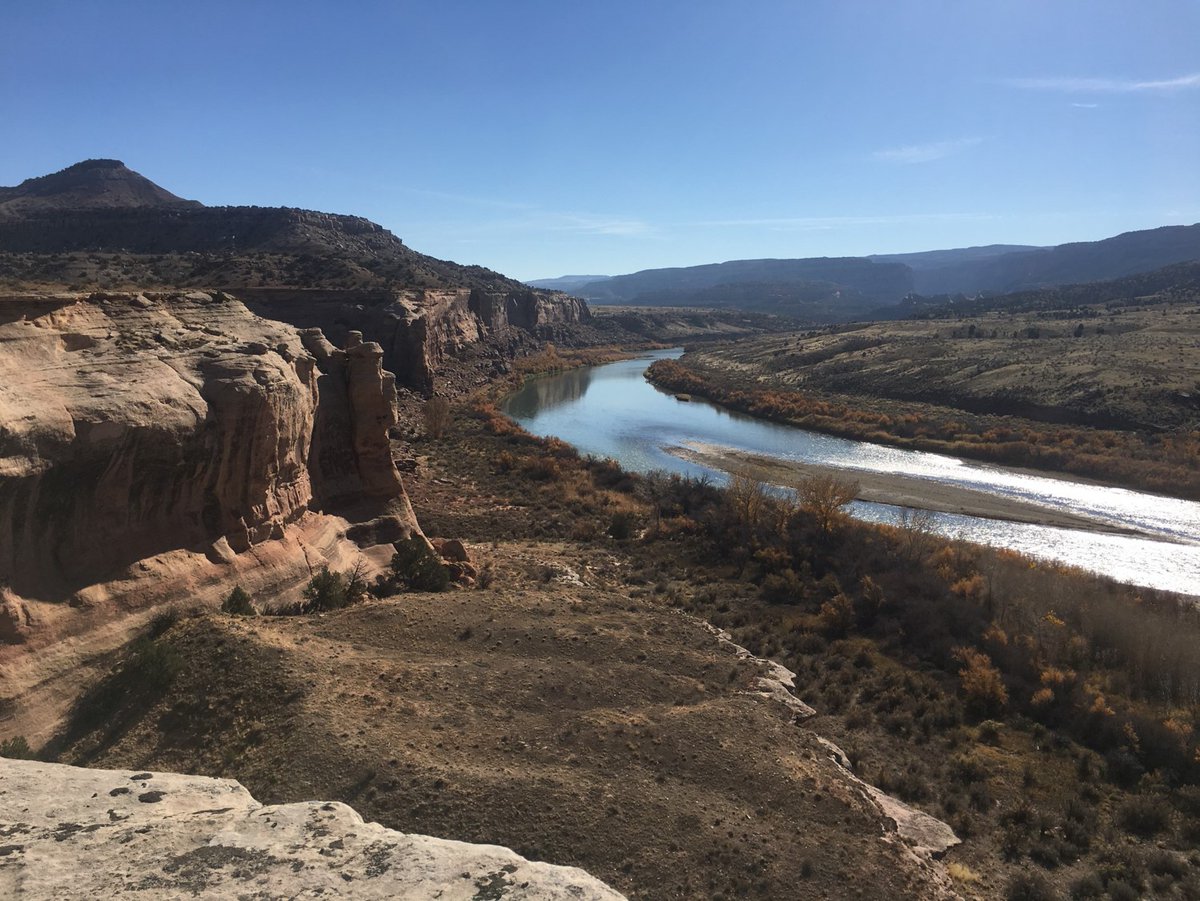
Of course not! As the Colorado River has eroded a path over millions of years, it has revealed the history of the land with it. Come take a journey through time!
Pictured: Dead Horse Point State Park
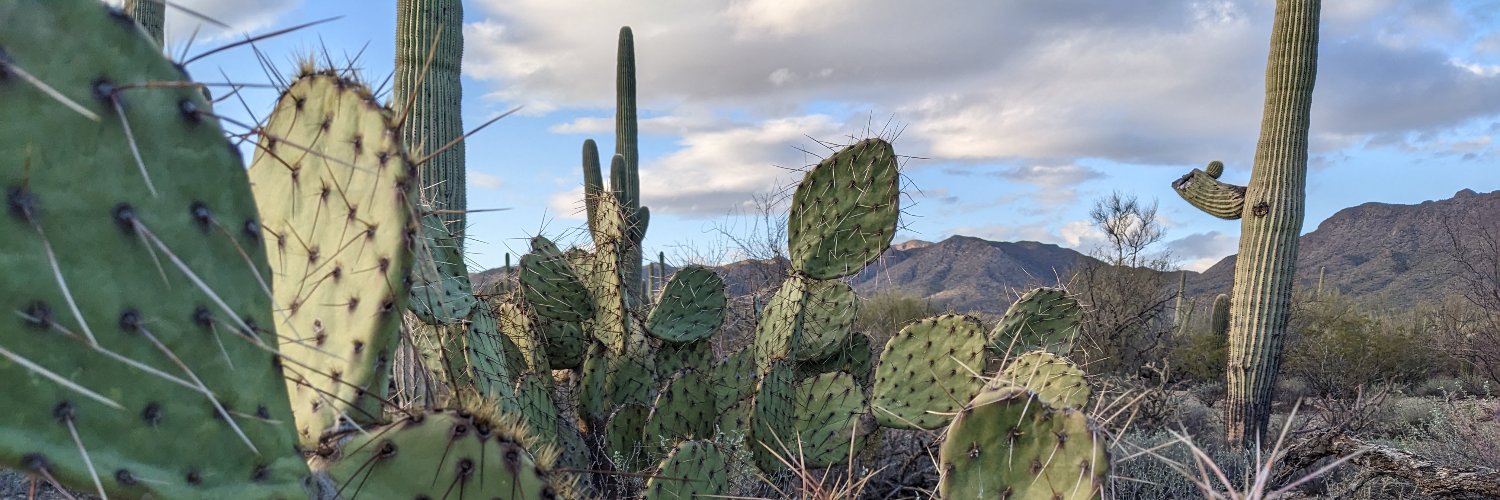
The Saguaros are blooming! The Saguaro Cactus, a classic symbol of the Southwest, blooms with white flowers that last for 24 hours or less. Don't worry—there's still time to see them, as this event will peak at the end of May.
Upcoming event!
Attend this free event to join the dialogue on the effects of climate change on forests! From May 28-29, 2024, the Diné Forest and Climate Teach-In will be held at the Fort Defiance Chapter House, Navajo Nation. Registration is required and lunch is provided
"Collaborative Pathways: Indigenous Wisdom Leading Climate Adaptation Efforts in California" examines how a climate justice approach to climate change adaptation can positively impact community issues. Click the link below to read more!
https://t.co/q0oteBQkIp
New Podcast Episode! In this episode, "Agrovoltaics: Producing Food and Energy in the Same Place," Come Rain or Shine delves into the fascinating intersection between agriculture and solar energy.
https://t.co/WlbLIcZoru
Summer in the Southwest is a great time to see many birds, some of which you might find in your own backyard! If not, take a trip to any green or natural space and take a moment to see distinguished birds!
Did you know that Bristlecone Pines can live over 5,000 years? These majestic trees can attribute their longevity to their slow growth and hardy wood. This photo, taken at the Inyo National Forest, shows their beauty.
Pictured: Bristlecone Pine at golden hour