TIme for a rant. Why is it so hard to study performance in the lab?
One major reason is that what feels like a massive improvement in the real world is hard to pick up in the lab.
Take super shoes, you get a 3-4% boost in performance. Massive. You feel it on race day. But in the lab, even the largest single factor boost we get...it's hard to pick apart.
Now, take it a step further to a still significant but smaller boost, say 1% from high carb fueling or bicarb or any other legitimate intervention...
It's near impossible to get this to show up consistently in studies on a small number of amateur or moderately trained folks. Why? The variation in performance is too large.
If you're a 6 minute miler, you don't run 6min ont he dot every time you race. On a great day, you run 6:00. On a good day, maybe 6:05. Average day 6:08. Bad day 6:15. Disaster? 6:25.
Hopkins & Hewson (2001) studied the day variability of performance and basically found:
Elite/world-class trained: ~1.5%
Sub-elite well-trained: ~2.5%
Recreational/amateur: ~4%
The point is the variation in day to day performance is much larger than the intervention. For amateurs, its bigger than the single biggest performance breakthrough we've had in running (super shoes!).
To counteract this, we try to use larger number of folks, but in exercise science that almost never happens because of recruiting, funding, and other constraints.
So what you tend to get with small N studies is that most are statistically blind to any change under 3-4%.
And yet...most of our interventions from fuel to bicarb to caffeine are all relatively small effects (0.5-2%) which are practically very significant, but hard to detect in the lab.
That's why... performance in the real world tends to show what works. It's not perfect. But if you've got hundreds or thousands of elites and sub-elites taking bicarb and saying: "Hmm, I ran a bit faster in each race I used it this season..." It sticks around.
One of the main reasons is athletes don't just test things in a one off study. They test it in training, key workouts, numerous races, etc. Compare notes with their training partners, etc. It's easier to surface a signal over that longer period.
Again, it's not perfect. But what often happens is a new supplement, tool, tech shows up. Everyone tries it. For a brief period you don't quite know as there's a copycat nature...But if the performance boost is significant it stays. If it doesn't, it fades away.
So when you see someone say, "Hey in this study of 14 amateur runners, taking carbs didn't improve performance..." the answer is almost always, ya because of day to day performance variation, you can't pick up the signal from the noise.
Science is great. I love research. But don't overlook the natural trend of trial and error in the arena. It generally surfaces what has value.
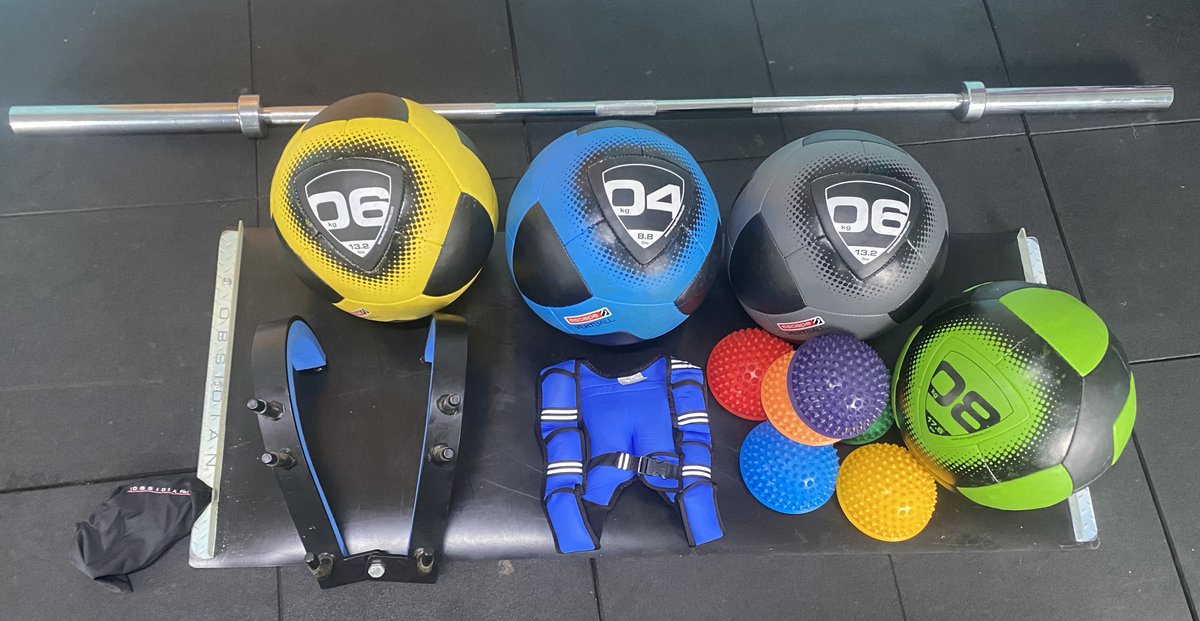
Having a clear out. Escape Vert Balls, Obisidian Slide Board & feet covers, 7 foot 20kgs Olympic Bar, Pullum Front Squat Zercher Harness, weight vest, balance hedgehogs plus a 45kgs Trap/Hex Bar. Over £600 worth of equipment, make me an offer, buyer collects Ringwood, UK area.
I've only gone and gotten myself another role with @Britri. Starting as the SE Club & Workforce Officer, looking forward to celebrating & supporting the life blood of our sport. Exciting times looking at the opportunities changes, challenges & collaboration gives us. #roadtrips
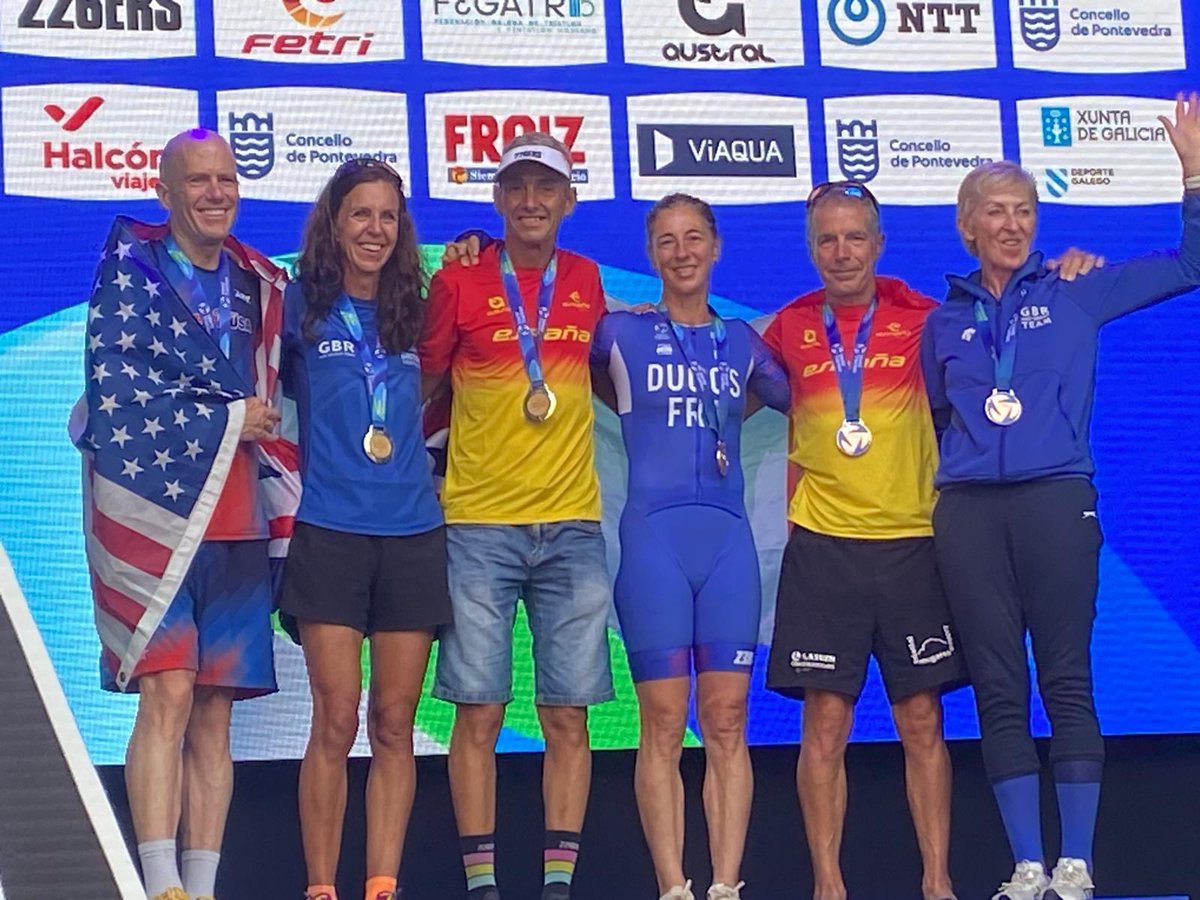
Having challenged herself to race at the Long Distance Triathlon World Championships in Pontevedra, Kirsty executed her race plan and earned herself a place on the podium. Process to performance to podium.
‘Choosing to suffer is a privilege’ I need to your help… can anyone get this unbelievably powerful video to @chrishoy Chris - Lucy is raising money for @MOVEcharity and is sending this LEADING the @TheSpineRace 225miles in.
Can people Retweet this to see how far it can go…❤️
🌟 Big Announcement! 🌟
After 3 years in the making, I’m thrilled to share my new book with you: The Fitness Formula! 🏋️♂️📖
Unlike my strength and conditioning textbooks, tailored for academia, this is written for everyone. It’s a practical self-help guide based on evidence-based exercise and training principles 💪🏃♂️
📖 Grab your copy today: https://t.co/v5IfmmSAQX
I’d love to hear your thoughts, see your reviews, and if you can, please repost to spread the word. 🙏
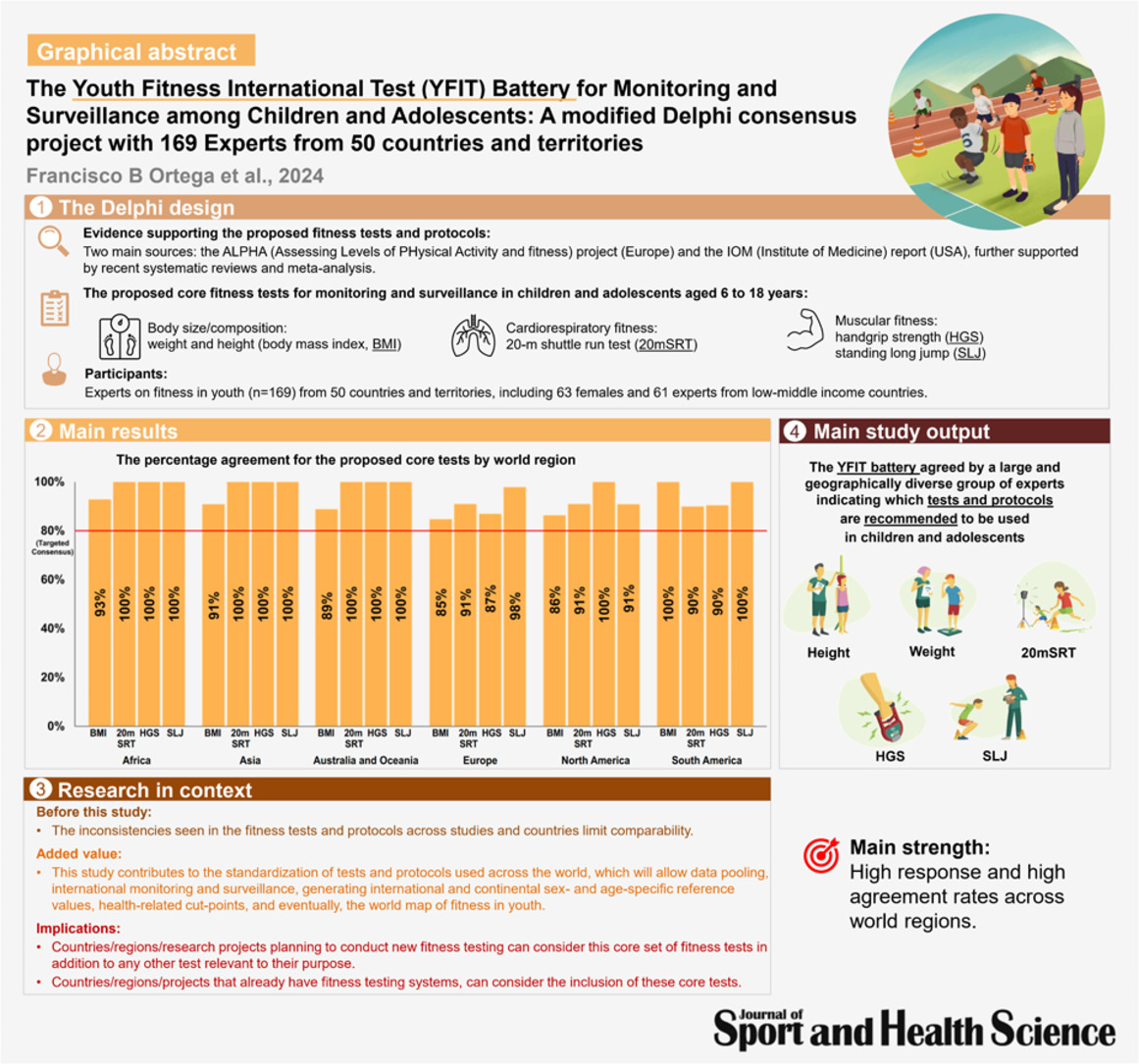
The Youth Fitness International Test (YFIT) battery for monitoring and surveillance among children and adolescents: A modified Delphi consensus project with 169 experts from 50 countries and territories
https://t.co/8M5Pkk9Yg4
Time for a change - heading off here but still rattling around at https://t.co/QXJsWcWPWX, https://t.co/owGpr4Ku5G & @synergiescott.bsky.social No doubt catch up with some of you there. Closing this account in the next few weeks
📢Announcing our brand new Safeguarding Adults online classroom for #SafeguardingAdultsWeek.
Developed with @anncrafttrust it will help you
✅understand how to safeguard adults
✅recognise and respond to safeguarding concerns
Find out more & book here:
https://t.co/PeaWhZYb5M
Updated NICE menopause guidelines published today.
While it’s welcome to see HRT as the preferred treatment for the menopause, this is a disappointing update overall. The focus remains primarily on vasomotor symptoms – hot flushes and night sweats – which are, for many women, not the main symptoms of perimenopause and menopause. Most women experience brain symptoms – brain fog, low mood, anxiety, poor concentration, sleep disturbances, memory problems and fatigue – and these are things we know are unlikely to be alleviated in the long term by CBT, as suggested.
The guidelines also do not differentiate between older, synthetic HRT and the natural (body identical) hormones now more commonly prescribed – while the word “risk” is mentioned three times as often than the word “benefit”, these newer forms offer more benefit than risks.
The true risk comes in NOT taking HRT at all, with good quality evidence showing that low hormones during menopause increases the risk of heart disease, osteoporosis, type 2 diabetes, dementia, neurodegenerative diseases, clincial depression, autoimmune diseases and an earlier death. These diseases reduce in women taking hormones and life expectancy increases.
Women deserve to be fully informed and involved at every step of their healthcare consultation to make an informed decision on the right treatment or combination of treatments for them. While we have seen a rise in recent years in access to evidence-based treatments like HRT, a postcode lottery still exists, particularly for those from lower socio-economic backgrounds. Too many women are still struggling to receive HRT, and these guidelines will be confusing for both healthcare professionals and women.
Perimenopause and menopause is sorely under-researched and under-funded, and this must change. In the meantime, women deserve to have a choice, and those who want to take HRT should be able to have it prescribed. That HRT is now the frontline treatment is refreshing, but future documents and consultations must go further to ensure women get the treatment they deserve.
https://t.co/9tut2nB1SO