Tweeting research, articles & webinars about Tick/Vector-Borne Diseases. Particular focus on TBD in children, TBD & Neuropsychiatric symptoms, current research.
A GLA-funded study analyzing health data from nearly 7 million people over 22 years found Lyme patients faced a significantly increased risk of mental health disorders, including depression and anxiety.
#globallymealliance#lymedisease
⚠️What Happens When the Test Says Negative But the Answer Is Positive?
NEW study published Journal of Clinical Microbiology from our @LymeBiobank confirms it: standard FDA-cleared Lyme tests miss 64–78% of early cases! Read more: https://t.co/dSfIkadkXu
With 1,250+ participants, @LymeBiobank is fueling the fight against Lyme, giving scientists the high-quality data they need to develop better diagnostics and life-changing treatments.
This is how we move from suffering to solutions. 💪
🔗 Our latest: https://t.co/AG5Lq1J5ZA
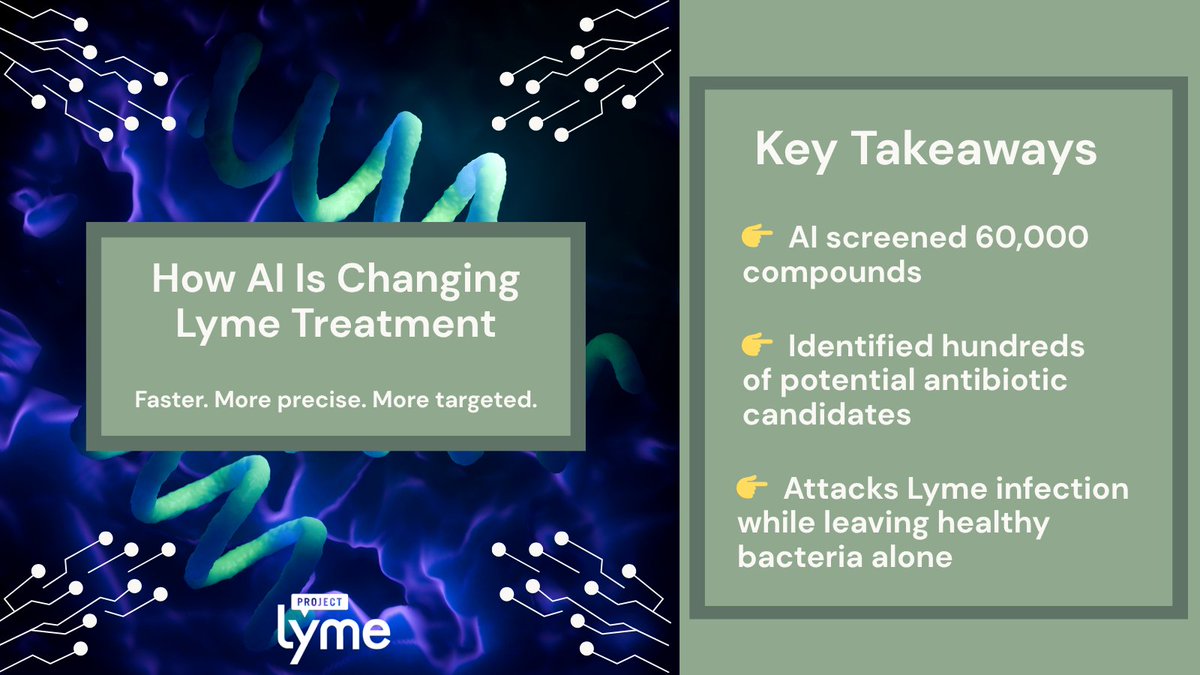
🧵1/4 💡 What if we could find better Lyme treatments faster and more precisely? Researchers are now using AI technology that can analyze massive amounts of data to identify drugs that specifically target Lyme bacteria without harming the rest of the body.
📺 🎧 The full interview with Dr. Somer is a must-see. Deep dives on transmission, symptoms in kids, treatment approaches, and why so many doctors miss it.
Watch the entire conversation here & please subscribe & share! Also avail anywhere you listen to podcasts! https://t.co/e5VHgIUgZk
🧵1/6 In a recent case study, doctors described a 10-year-old boy in Florida who developed hives, itching in his throat and ears, and vomiting six hours after eating a cheeseburger.
The LRC had a productive few days at the British Paediatric Neurological Association (BPNA) conference in Glasgow.
Raising awareness is key to tick bite prevention and to achieving early diagnosis and effective treatment for future Lyme patients.
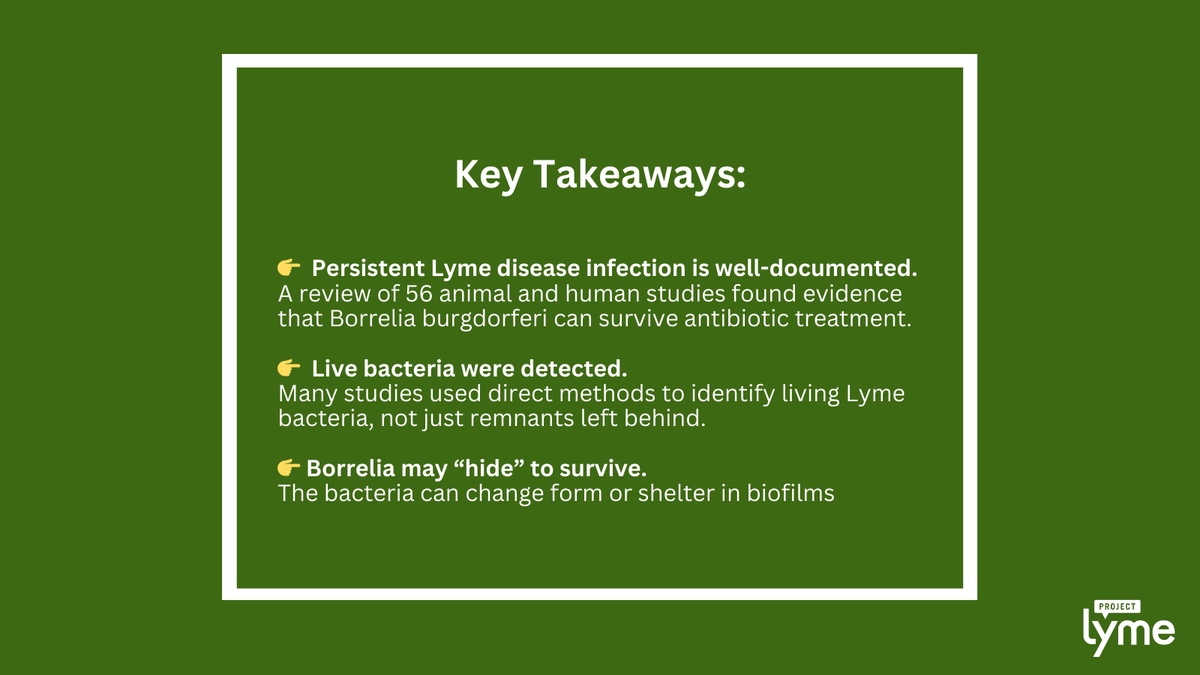
4/4 👉 Lyme bacteria can survive by changing form into round bodies or L-forms
👉 They can also hide in biofilms — complex microbial colonies covered with a protective layer to shield them against antibiotics & the immune system’s defenses
Learn more: https://t.co/i44ZYQfTkE
3/4 After examining 56 animal and human studies, researchers found repeated evidence that:
👉 Live bacteria can persist for months or years after treatment with antibiotics, according to direct tests that look for living organisms, not genetic fragments