What happens if the world crosses 1.5C?
A new report identifies an 'overshoot, peak and decline' pathway as the best remaining option.
Co-authored by Tyndall Centre researcher Prof. Richard Dawson: 🔗 https://t.co/Nf7R8xUJMW
Prof. Neil Ward says that the recent heatwaves has put increasing pressure on UK agriculture and the sector must build greater resilience through improving soil health, increasing water storage, and adapting food production systems 🌽⬇️
https://t.co/vm1V17cqdU
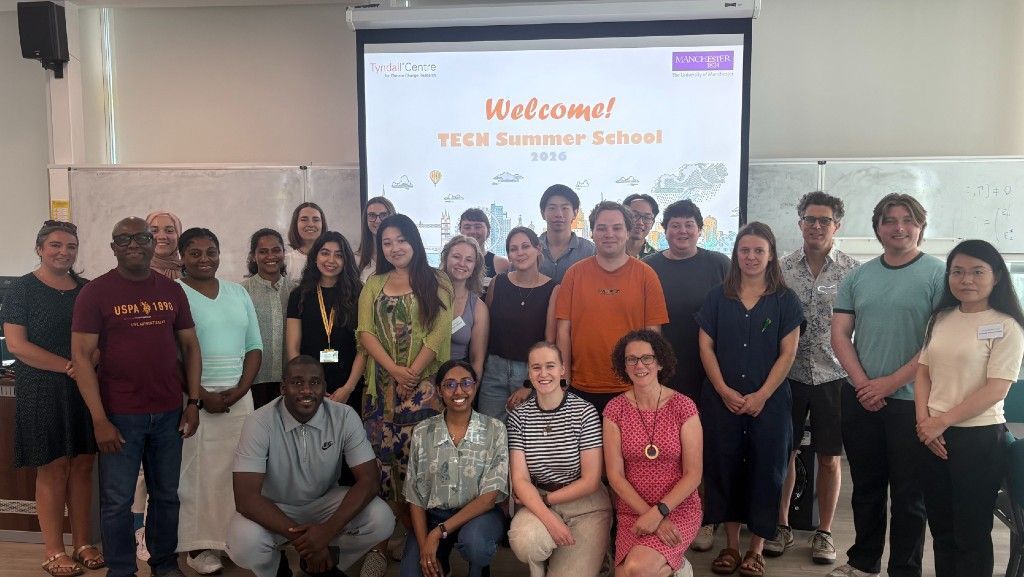
The future of climate research depends on collaboration 🤝
Tara Taylor-Deacon & Wasundara Doradeniya reflect on the TECN Summer School: bringing early career researchers together to connect, exchange ideas, and tackle climate challenges.
🔗 https://t.co/vn0xiFoGSZ
🌡️ The world is set to cross 1.5°C of global warming in the next few years.
A new @unep.org report, co-authored by @richdawson.bsky.social, says we can still limit the scale + duration of this overshoot and potentially return below 1.5°C.
Read more: https://t.co/snhGokXVWk
🛬 New report: Heathrow expansion does not pass the Government's climate test
Our analysis of future aviation scenarios and key tech options shows that extra airport capacity will breach UK climate targets.
Read more: https://t.co/E4WwzRgTF8
#ClimateAction#Heathrow
❓️1.5°C is one of the most recognised numbers in climate change. Where did this number come from? And what does it mean when we breach this target?
Listen to our podcast on the science, politics, and communications of 1.5°C:
🎧️ https://t.co/Kn3r5bXPly
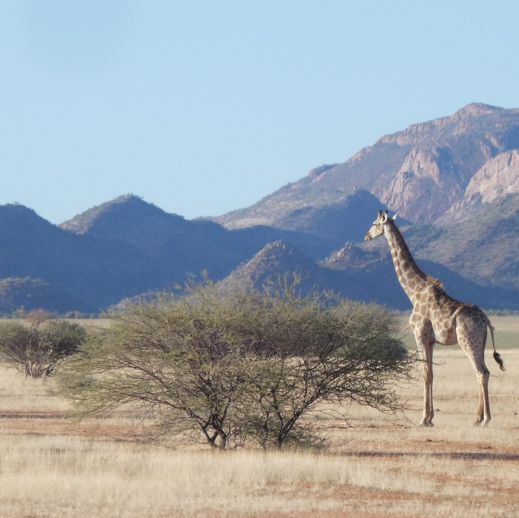
"a tangible, positive impact on the conservation of giraffe” 🦒👏
Dr Ellie Harris (UEA/Tyndall Centre) has turned her research into GiraffeClim: an interactive tool exploring how climate change could affect giraffe across Africa + where they might thrive: https://t.co/5yldX395Bq
Our new report asks: Can we expand Heathrow Airport with a third runway and meet our legally binding climate targets?
❌️ On this basis, and on this evidence, a third runway at Heathrow should NOT be approved.
https://t.co/mdJY1qJdWK
🚨Heathrow expansion doesn't pass the Government climate test
Our report examines the risks of expanding airport capacity before climate technologies succeed for the UK's carbon budget and climate commitments.
Read more: https://t.co/TMzv9ub4Q6
#ClimateChange#Aviation
Water futures 💦 What visions exist, what do people want, and how might the public best engage in their development?
Dr @clairehoolohan.bsky.social from the Tyndall Centre explores all of this in an episode of the Water Conversations Podcast ⬇️
https://t.co/ZCwgmeg4il
Are the public and politicians’ views on net zero and climate action becoming more polarised or not?
💻️ Watch our online public seminar to discover the data and research: https://t.co/OXesPDsISu
#NetZero#Decarbonisation#ClimateAction
Read core research from last September's conference: briefing notes are online, summarising sessions on mitigation, equity, wellbeing, transitions, and more.
➡️ Read key insights: https://t.co/A2eAaEXJUs
#CriticalDecade#ClimateResearch#Tyndall25UEA
Regarding a major new wind farm that could be built onshore in Norfolk, Asher Minns from the Tyndall Centre said more renewable projects were vital for energy security, helping the UK to rely less on foreign imports ⬇️
https://t.co/r20owCgvl6
The UK food system needs to adapt to climate change. How can we manage this food system so it becomes more resilient, stronger and fairer, as we move into the 2030s and 2040s?🌾
🔗 https://t.co/C4Ii48IuFq
Meet the next generation of climate research 🌱
In this blog, two early-career researchers reflect on how events like the Tyndall Centre Summer School are vital to build the connections across disciplines and sectors ➡️ https://t.co/vn0xiFoGSZ
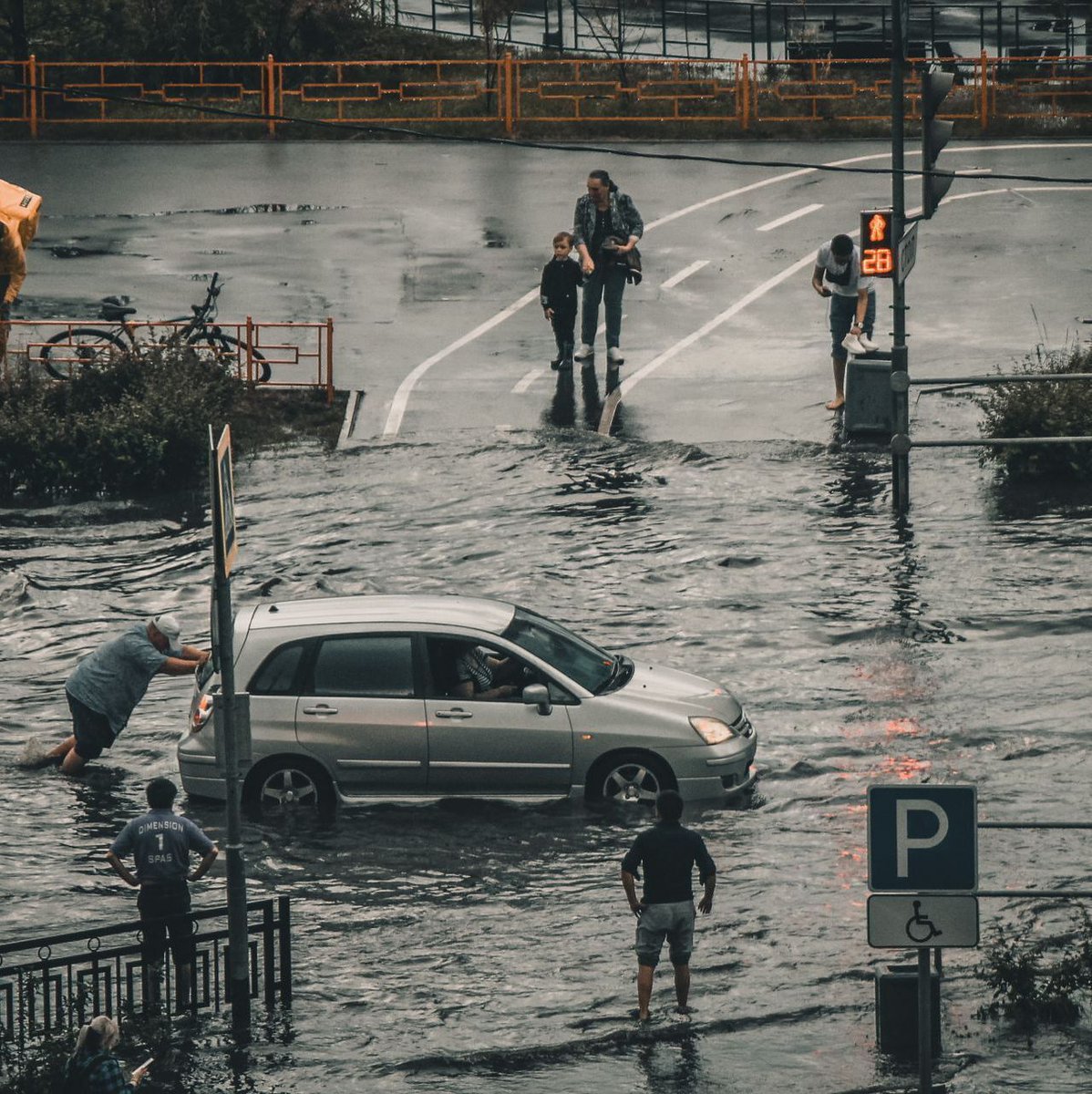
This article below references the low-lying East Anglia as a vulnerable "hot spot" ⬇️ It cites our briefing that 20 per cent of the region is below sea level and 25 per cent of properties are at risk of flooding: https://t.co/4CMel6gqMd
https://t.co/Yh4e2QZjS7
New research explores the trade-off between warming + land-intensive mitigation for biodiversity.
Across 5 integrated assessment models, the study finds that, at the global scale, limiting warming offers greater protection for climate refugia.
🔗 https://t.co/zNrg7BAkq1
Climate challenges require researchers to work across disciplines and sectors.
Tara Taylor-Deacon & Wasundara Doradeniya explore how bringing early-career climate researchers together can build connections for impactful research and collaboration: https://t.co/vn0xiFoGSZ