Your Face, Your Voice, Your Value.
Ta-da V2 Is Live: Human-in-the-Loop, for Real.
What if you could earn up to $100/day just by helping train the next generation of AI?
👉 https://t.co/SYVii5zyke
No matter your age, gender, or location, your uniqueness has value.
At Ta-da, we turn real human input into high-quality data – and you get paid for it.
💬 $13 for a selfie
🎙️ $50+ for a voice recording
📲 Paid engagement tasks
And much more..
This is Human in the Loop at scale.
Join the new paradigm → https://t.co/SYVii5zyke
Applications now open. Spots limited.
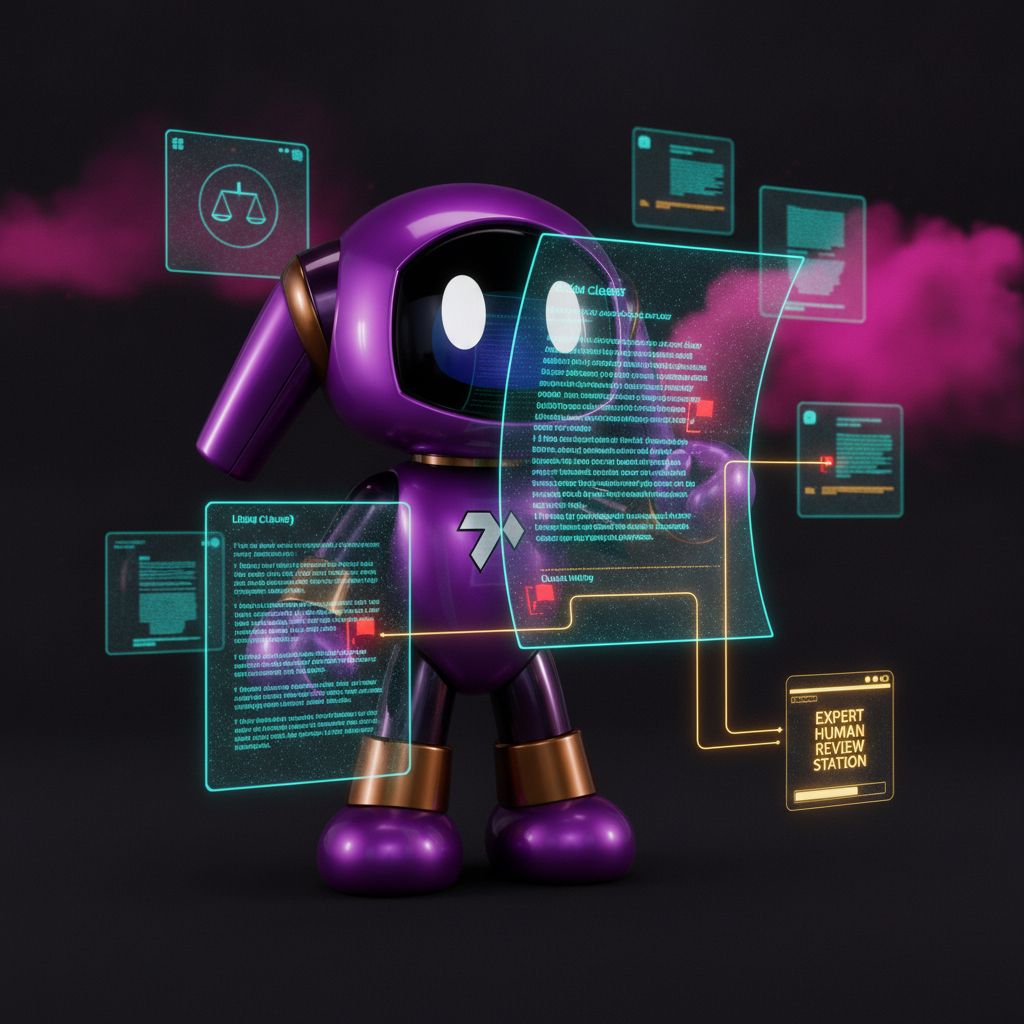
Legal agents are pulling serious funding because contract review runs at machine speed. But when the agent misses a precedent, the liability still lands on the licensed lawyer, not the model. In regulated work, the human stays the final signature.
The first fully autonomous ransomware attack run by an AI agent rewrites the threat model. Defenses built for static models miss the skills agents pick up at runtime. Human monitoring with a fast override path is now baseline infrastructure.
Synthetic data covers the cases you already expected. Deployments die on the tail you didn't. That tail gets handled by humans reading real trajectories, not by generating more of what you already know.
Finance agents flag anomalies and draft the first pass in seconds. The decision that moves capital or trips a regulator still needs a human holding context the model never had. Automate the draft. Not the judgment.
Production post-mortems on multi-agent systems keep landing on the same two causes: bad data and skipped human checks on the risky steps. The models got better. The architecture around the data mostly stayed the same.
gm. The deployments that lasted built a habit of updating what good judgment looks like as conditions drift. The ones that stalled froze their training distribution on day one and called it done.
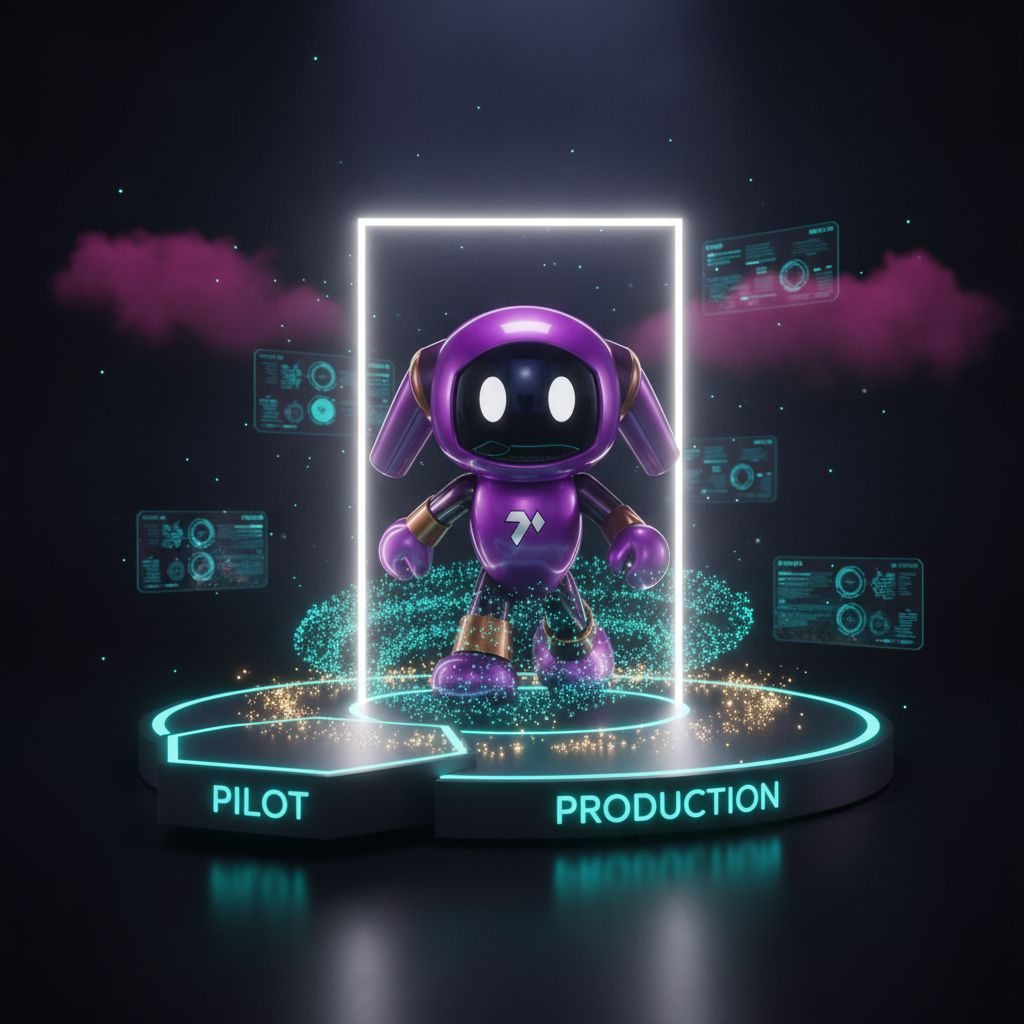
Model scale got agents into the pilot. Measurement is what gets them past it. The teams that last wire live outcomes straight back to domain experts. Capability opens the door. The feedback keeps it open.
When an agent chain crosses vendor and team boundaries, no single model owns the decision. Compliance was built for one model in a box. The delegation logic between them is the part nobody signed up to own.
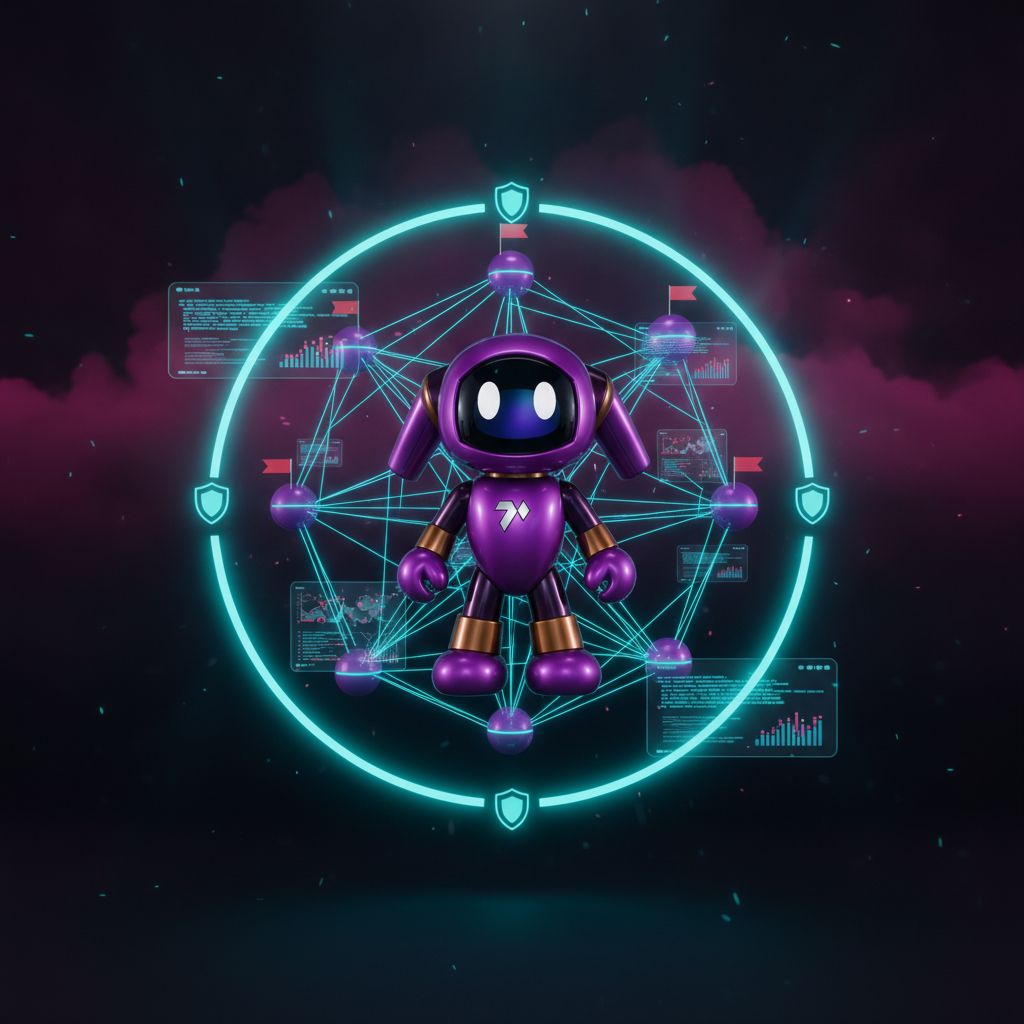
A clean final answer hides a broken middle. Multi-agent failures rarely show at the output. They start at some handoff that passed its local check and failed the full trajectory. Measure the boundaries, not just the end.
The data passing between your agents is the least governed data you own. No schema, no review, no version. By the third handoff nobody can say what the first agent actually assumed.
Support agents clear the routine tickets all day. The ones that cost you retention hide in the long tail, where policy gets fuzzy. Human feedback on those specific trajectories is what keeps the system honest.
Service teams report 66 percent agentic adoption. 7 percent run agents fully autonomous in production. The gap is humans still in the loop, doing the part the adoption numbers quietly leave out.
gm. Agents keep getting better at working together.
Last quarter, what single human check caught the most expensive mistake in your stack? Curious where the real saves happen.
Regulators are starting to treat a chain of agents as one system, not a stack of separate tools.
End-to-end risk means end-to-end accountability. And accountability does not fall on a model. It falls on the people who deployed it.
Agent accuracy on the easy 80 percent tells you almost nothing.
In healthcare and legal, the 20 percent of hard calls is where the liability lives. That is exactly the part synthetic data cannot teach.
Measure where a wrong answer actually costs you.















![Ta_da_io's tweet photo. [1/5] Retail and support teams are rolling out agent tools fast. The pitch is 24/7 autonomy. https://t.co/ma2j2E1xzx](https://pbs.twimg.com/media/HLqsOZiWgAASu3e.jpg)