Nelson Mandela was labelled a terrorist by the apartheid government for his role in the armed struggle against white minority rule in South Africa. In the United States, he remained on terrorism-related watchlists, and restrictions affecting him were not fully lifted until 2008, fourteen years after he became South Africa’s president.
During slavery, slaveholders sometimes allowed enslaved Africans to preach to others in bondage, but they often required a white supervisor to be present to ensure that the sermons promoted obedience to slaveholders.
Preachers were expected to focus on Bible verses such as Ephesians 6:5, which instructed servants to obey their masters, while avoiding passages that challenged the authority of slaveholders or reminded them of their own moral obligations.
Nelson Mandela was labelled a terrorist by the apartheid government for his role in the armed struggle against white minority rule in South Africa. In the United States, he remained on terrorism-related watchlists, and restrictions affecting him were not fully lifted until 2008, fourteen years after he became South Africa’s president.
On this day in 1986, Samora Machel, Mozambique’s first president, died alongside 33 others when his plane crashed near South African border. Machel had led the country’s fight against Portuguese colonial rule and supported liberation movements fighting apartheid across southern Africa. His death remains clouded by suspicions that South Africa’s apartheid regime was behind the crash.
On this day in 1986, Samora Machel, Mozambique’s first president, died alongside 33 others when his plane crashed near South African border. Machel had led the country’s fight against Portuguese colonial rule and supported liberation movements fighting apartheid across southern Africa. His death remains clouded by suspicions that South Africa’s apartheid regime was behind the crash.
During slavery, slaveholders sometimes allowed enslaved Africans to preach to others in bondage, but they often required a white supervisor to be present to ensure that the sermons promoted obedience to slaveholders.
Preachers were expected to focus on Bible verses such as Ephesians 6:5, which instructed servants to obey their masters, while avoiding passages that challenged the authority of slaveholders or reminded them of their own moral obligations.
Mae Jemison, the first Black woman to travel into space, was born on this day in 1956. A physician, engineer and NASA astronaut, she made history in 1992 when she flew aboard the Space Shuttle Endeavour, opening a new chapter in the history of Black women in space exploration.
Mae Jemison, the first Black woman to travel into space, was born on this day in 1956. A physician, engineer and NASA astronaut, she made history in 1992 when she flew aboard the Space Shuttle Endeavour, opening a new chapter in the history of Black women in space exploration.
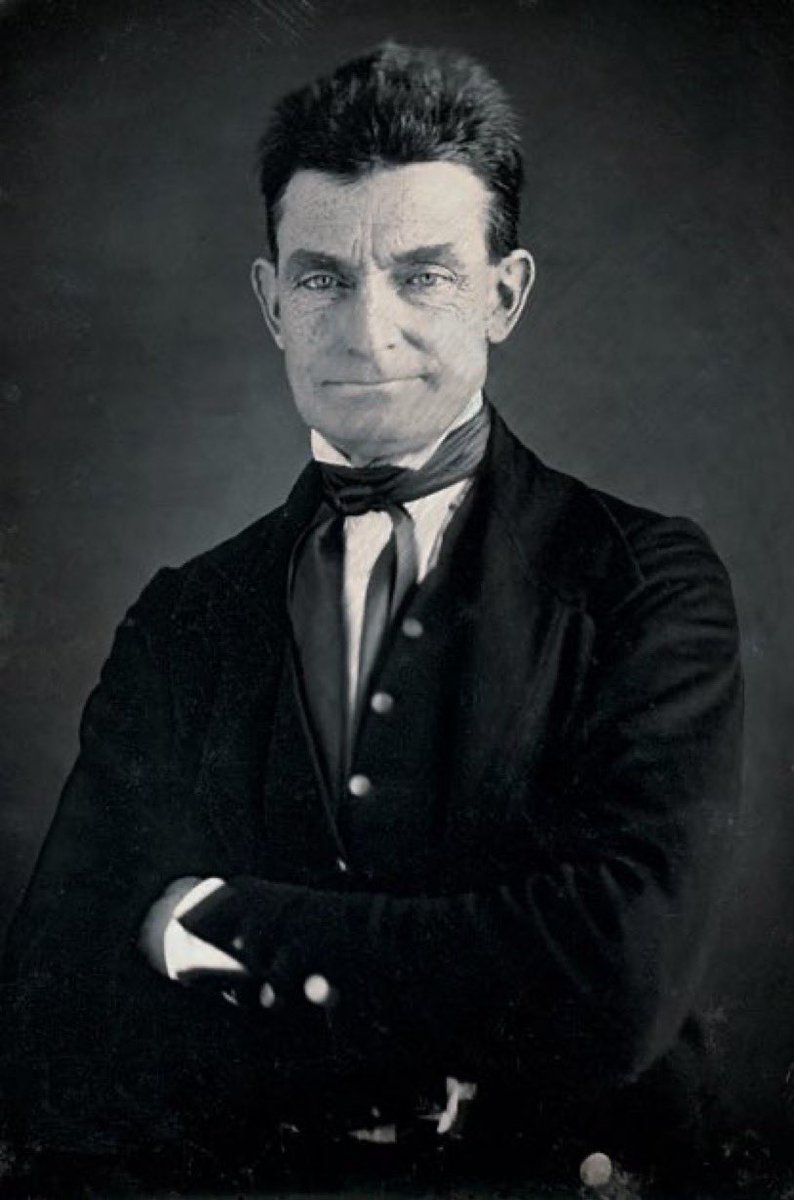
On this day in 1859, abolitionist John Brown and a group of 21 men raided the federal arsenal at Harpers Ferry, Virginia, now in West Virginia, hoping to spark a massive uprising of enslaved people. Their plan was to seize weapons and arm enslaved Africans to fight for their freedom. The raid failed, and Brown was captured, tried and executed.
On this day in 1968, American sprinters Tommie Smith and John Carlos raised their black-gloved fists during the medal ceremony at the Mexico City Olympics to protest racial discrimination and show solidarity with the Black freedom struggle. Smith won gold and Carlos bronze in the 200 metres. Both were expelled from the Olympic team, but their protest became one of the most iconic acts of resistance in sports history.
South African anti-apartheid activist and Anglican bishop Desmond Tutu was awarded the Nobel Peace Prize on this day in 1984 for his nonviolent struggle against apartheid. He used his position to expose the brutality of South Africa’s racist system and demand equal rights for the Black majority.
In 1851, American physician Samuel Cartwright coined the term drapetomania to describe what he called the mental illness that caused enslaved Africans to run away from slavery. He published his theory in a medical journal, presenting their attempts to escape captivity as a medical disorder.
South African anti-apartheid activist and Anglican bishop Desmond Tutu was awarded the Nobel Peace Prize on this day in 1984 for his nonviolent struggle against apartheid. He used his position to expose the brutality of South Africa’s racist system and demand equal rights for the Black majority.
On this day in 1968, American sprinters Tommie Smith and John Carlos raised their black-gloved fists during the medal ceremony at the Mexico City Olympics to protest racial discrimination and show solidarity with the Black freedom struggle. Smith won gold and Carlos bronze in the 200 metres. Both were expelled from the Olympic team, but their protest became one of the most iconic acts of resistance in sports history.
On this day in 1859, abolitionist John Brown and a group of 21 men raided the federal arsenal at Harpers Ferry, Virginia, now in West Virginia, hoping to spark a massive uprising of enslaved people. Their plan was to seize weapons and arm enslaved Africans to fight for their freedom. The raid failed, and Brown was captured, tried and executed.
On this day in 1966, Huey P. Newton and Bobby Seale founded the Black Panther Party in Oakland, California, to fight police brutality and defend Black communities. Beyond armed patrols, the Panthers ran free breakfast programmes for children and community health clinics. As the movement grew, the FBI viewed it as a threat and launched a covert campaign to destroy it through infiltration, informants and disinformation.
On this day in 1966, Huey P. Newton and Bobby Seale founded the Black Panther Party in Oakland, California, to fight police brutality and defend Black communities. Beyond armed patrols, the Panthers ran free breakfast programmes for children and community health clinics. As the movement grew, the FBI viewed it as a threat and launched a covert campaign to destroy it through infiltration, informants and disinformation.
On this day in 1834, Henry Blair became the second African American to receive a US patent, for his invention of a corn planter designed to help farmers plant corn more efficiently.
On this day in 1834, Henry Blair became the second African American to receive a US patent, for his invention of a corn planter designed to help farmers plant corn more efficiently.
In 1851, American physician Samuel Cartwright coined the term drapetomania to describe what he called the mental illness that caused enslaved Africans to run away from slavery. He published his theory in a medical journal, presenting their attempts to escape captivity as a medical disorder.