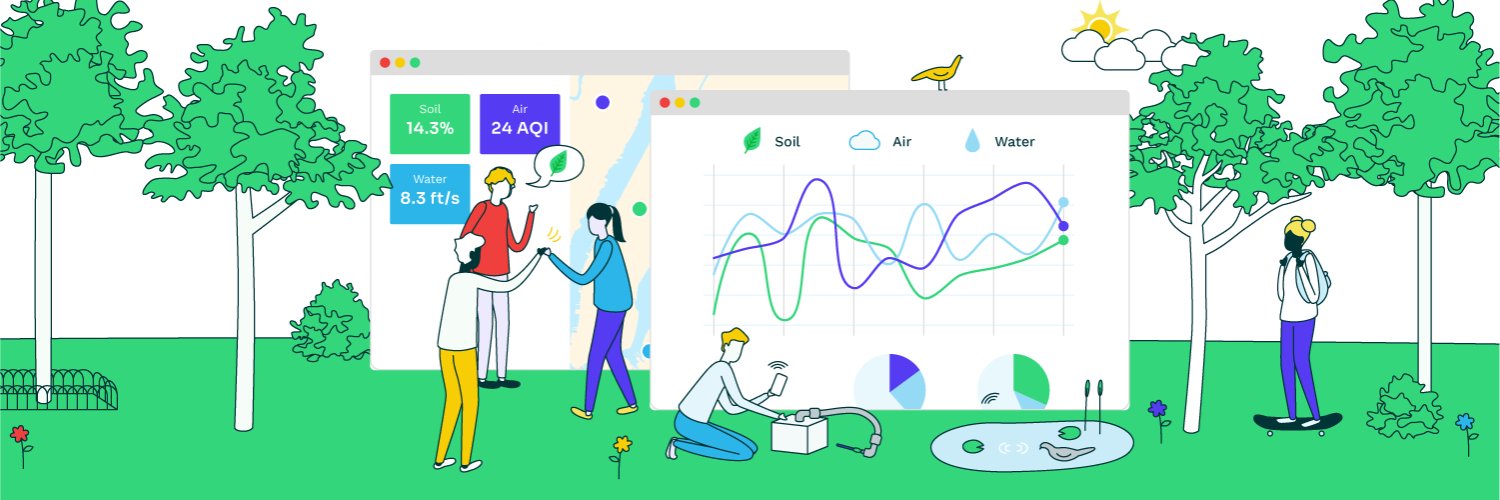
The only #nocode platform for environmental engagement.
Get personalized #airquality reports each morning from The Daily Breather x Temboo. Sign up below!
What if you could scan a tree and find out if it's thirsty? Or check hyperlocal #airquality info in a snap? Our new QR code feature makes it easy for anyone to get environmental insights on the go, opening up access to air, water, and soil data for all: https://t.co/9cJMIXqP1L
Sensors that produce environmental data in a vacuum are of little practical use. It’s the work that happens beyond the sensors that really helps make a difference. Take a quick tour through some inspiring practical uses of environmental data - https://t.co/4YUZrZEmHB
Now that more people have the need, desire, and ability to learn about the air where they live and work, providing context for understanding air quality is more important than ever. In our blog post, we explore why hyperlocal air quality is so necessary. https://t.co/esaOXf2OFL
Something exciting is happening with how people collaborate! A new organizational model for empowering communities has emerged. In our blog post, we explore this new model, its application to environmental initiatives, and some real world examples. https://t.co/8faGKWmyxK
BioBus has partnered with Temboo to deploy sensors aboard the Baylander which monitor DO in the water (important for fish) and particulate matter in the air (important for humans). Learn more about this project and BioBus's work in our blog post! https://t.co/SsodJKfm6W
How much does the water level rise after it rains? How long does it take for the water to go back to normal depth? Now we can put numbers to those questions at Minisceongo Creek, providing valuable insight on flooding and erosion issues. Check it out! https://t.co/zuXjBfhNxY
Let's take a look at what is expected from AI in the environmental realm, and how AI technologies are being applied on real projects today. https://t.co/vMIRxFsghx
Curious about green roofs? We’ll tell you what they are, how they benefit us, which types are available, and where to find them! Read about it on our blog https://t.co/n54eI06sZd
We're bringing you a topic that affects all of us every day, whether we think about it or not. Water Quality – what is it, why it is important, how it is measured, and some recent real world examples. Let’s dive in! https://t.co/JMDENnIk41
New York City is known for its high quality tap water, but where exactly does it come from? Head on over to our blog post to find out! https://t.co/c6rFqNpmEm
Sensors that produce environmental data in a vacuum are of little practical use. It’s the work that happens beyond the sensors that really helps make a difference. Take a quick tour through some inspiring practical uses of environmental data - https://t.co/4YUZrZEUx9
Why do we need healthy watersheds? Well, they’re crucial for clean water, flood control, and wildlife habitats. Sadly, pollution and development can damage them, but restoration can be successful at restoring balance. Check it out on our blog! https://t.co/nDKc4dIhFG
Summer has arrived, and so have longer days and warmer weather. However, summer also brings worse air quality. In this post, we explain four factors that make air quality worse in summer, and show you how to take action - let's check it out!
https://t.co/LYflDs4R0s
Now that more people have the need, desire, and ability to learn about the air where they live and work, providing context for understanding air quality is more important than ever. In our blog post, we explore why hyperlocal air quality is so necessary. https://t.co/esaOXf2OFL
Something exciting is happening with how people collaborate! A new organizational model for empowering communities has emerged. In our blog post, we explore this new model, its application to environmental initiatives, and some real world examples. https://t.co/8faGKWmyxK
BioBus has partnered with Temboo to deploy sensors aboard the Baylander which monitor DO in the water (important for fish) and particulate matter in the air (important for humans). Learn more about this project and BioBus's work in our blog post! https://t.co/SsodJKfm6W
How much does the water level rise after it rains? How long does it take for the water to go back to normal depth? Now we can put numbers to those questions at Minisceongo Creek, providing valuable insight on flooding and erosion issues. Check it out! https://t.co/zuXjBfhNxY
Let's take a look at what is expected from AI in the environmental realm, and how AI technologies are being applied on real projects today. https://t.co/vMIRxFsghx