There's a category of crypto holder nobody talks about: the guild player. 🎮
Not a trader. Not a DeFi yield farmer. Just someone who logs into a game every day, completes tasks, earns tokens, and needs to spend them.
Mobile-native. Southeast Asia-heavy. 4.2 million daily active wallets and growing.
This isn't a niche. It's a permanent segment of people who earn in digital assets and live in the physical world.
PayFi exists for them too. 🌏💚
The next AI problem isn't intelligence. It's accountability. 🤖
An agent can now hire contractors, pay for APIs, and settle invoices, no human in the loop.
Okay.. but who audits what it spent?
The machine economy doesn't just need wallets. It needs wallets with rules, spending limits, whitelists, on-chain receipts.
Not "can it pay?"
"Should it?" 💚
Stablecoin supply just hit a new all-time high. $323 billion. 📊
Here's what's interesting though: transaction volume actually dropped.
That's not weakness. That's a structural shift.
Stablecoins are being held as reserves. Used for treasury. Settled between institutions. Not just traded.
We're watching the moment programmable money stops being a speculative asset... and starts being a line item at Morgan Stanley. 💚
Western Union has been charging 6-8% to move money since 1851.
Now they're launching their own Solana stablecoin.
Let that sit for a second.
The oldest wire transfer company in the world didn't fight blockchain. It migrated to it.
The incumbents aren't at the gate anymore. They're at the keyboard 📊💚
Web3 gaming guilds pay out real tokens every day.
Mobile-first. Southeast Asia-heavy. Millions of active wallets.
Okay.. the earning part is solved. The spending part isn't.
Your character just farmed $12 in tokens. Your next move is the market across the street.
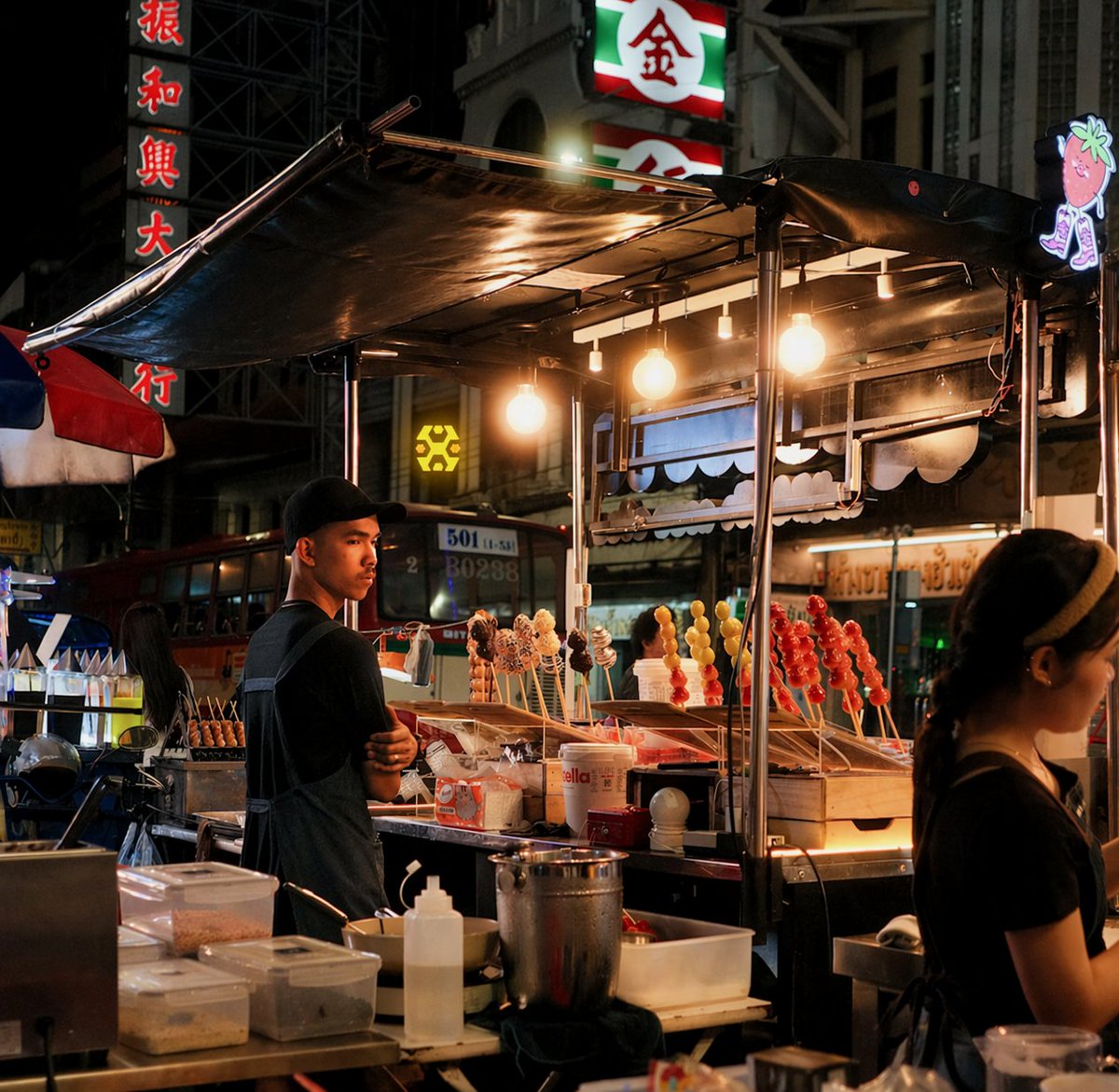
Connect your wallet, scan the QR, eat. Earn in-game. Spend IRL. That's Terminus 🎮🌏💚
Vietnam just made crypto legally real 🇻🇳
The Law on Digital Technology Industry formally recognized digital assets as a class of property, backed by national law.
17 million crypto holders already in-country. One of the highest retail adoption rates on the planet.
Look.. the law didn't create the demand. It caught up to it.
That's the playbook for how emerging markets build financial infrastructure. Behavior first. Rules after 💚
DoorDash is routing gig worker earnings through stablecoin rails.
Meta is paying creators in USDC.
Western Union (175 years of wire transfers) is building on Solana.
Yeah but.. notice who's making these moves. Not crypto startups. The most cautious, compliance-heavy companies on the planet.
When risk management becomes the argument for crypto payments... the transition is structural 🤖💚
Western Union: 6–8% cross-border.
Credit card: 3% foreign transaction fee in Vietnam.
ATM in Hanoi: flat fee on top of that. 🇻🇳
Terminus: under 1%. Merchant gets dong. You don't think about it.
This isn't a competitor comparison. It's just math. 💚
Hong Kong's first regulated HKD-backed stablecoins are operational. 📊
HSBC and Anchorpoint now hold official stablecoin issuer licenses from the HKMA. The first jurisdictional commitment to programmable money as legal banking infrastructure.
These aren't retail tokens. They're designed for machine-speed settlement: AI agents that need to execute API billing and smart contract obligations in milliseconds, not business days.
The line between 'crypto money' and 'bank money' just got a lot blurrier 🤖💚
The crypto 'Supercycle' used to be a price story.
Now it's a rails story. 📊
Regulatory frameworks are converging. The US stablecoin bill is advancing. MiCA is live. Hong Kong recently issued its first stablecoin licenses. Major frameworks moving from debate to live operating standards.
The sectors gaining real structural momentum right now aren't speculative assets. They're payment stablecoins. PayFi infrastructure. And the plumbing = Terminus💚
You land in Bangkok. Hotel counter. No baht. No ATM. 🇹🇭
Your USDT converts in real-time. The hotel gets Thai baht directly in their bank account. You check in without touching a single banknote.
That's not a fintech demo. That's Terminus running on the QR code they already had.
Zero new hardware. Zero merchant setup. Just a wallet and a scan 💚
Crypto adoption is highest where traditional banking was most unreliable.
Vietnam, the Philippines, and Indonesia consistently rank in the global top 10 for retail crypto ownership. 🌏
Not Silicon Valley. Not Zurich.
When your banking system is fragile, you don't wait for permission to find an alternative. These markets aren't 'catching up' to the West.
They're setting the pace 📊💚
AI agents executed 140 million on-chain transactions in a single month.
Not traders. Not humans. Machines.. autonomously signing, settling, paying for compute without a human approving anything.
Okay.. let's sit with that number. A major exchange processes around 6 million trades a day at peak. Agents are already operating at a scale that dwarfs human market activity.
The agentic economy is now the baseline 🤖 Terminus💚
SoFi just launched a single platform where businesses manage fiat and crypto from one account. 24/7 settlement. No switching between systems. 📊
This isn't a crypto startup. It's a nationally chartered U.S. bank.
When traditional banks start treating crypto as just another column in the ledger, the line between "crypto finance" and "finance" disappears.
We've been saying this for a while.. the best tech is the one you stop noticing. 💚
Digital nomads don't have a 'home' currency. 🌏
You earn in USDT. You spend in baht. Tomorrow it's dong. Next week, rupiah.
Terminus doesn't care where you are. Connect your wallet, scan the local QR, and the merchant gets their currency instantly.
No forex apps. No ATM fees. No leftover bills from 6 different countries.
One wallet. Every market. 💚