Some paths we walk alone, and some we share, even without words.
Journey gave us something rare, a connection with another player, felt through presence, movement, and music. A fleeting companionship that stayed long after the credits.
✨ Thank you for walking that path with us
Be sincere, someone needs your calm vibe
Be sincere, someone needs your calm vibe
Be sincere, someone needs your calm vibe
Be sincere, someone needs your calm vibe
Be sincere, someone needs your calm vibe
Now that Google official killed search engine with AI summarise and added chatbot box to it. For those who wants alternatives to Google search try (this is sorted list):
Brave
DuckDuckGo
Ecosia
Kagi
Marginalia Search
Mojeek
Startpage
"Well, I know what I've been told / You gotta work to feed the soul / But I can't do this all on my own / No, I know / I'm no Superman / I'm no Superman"
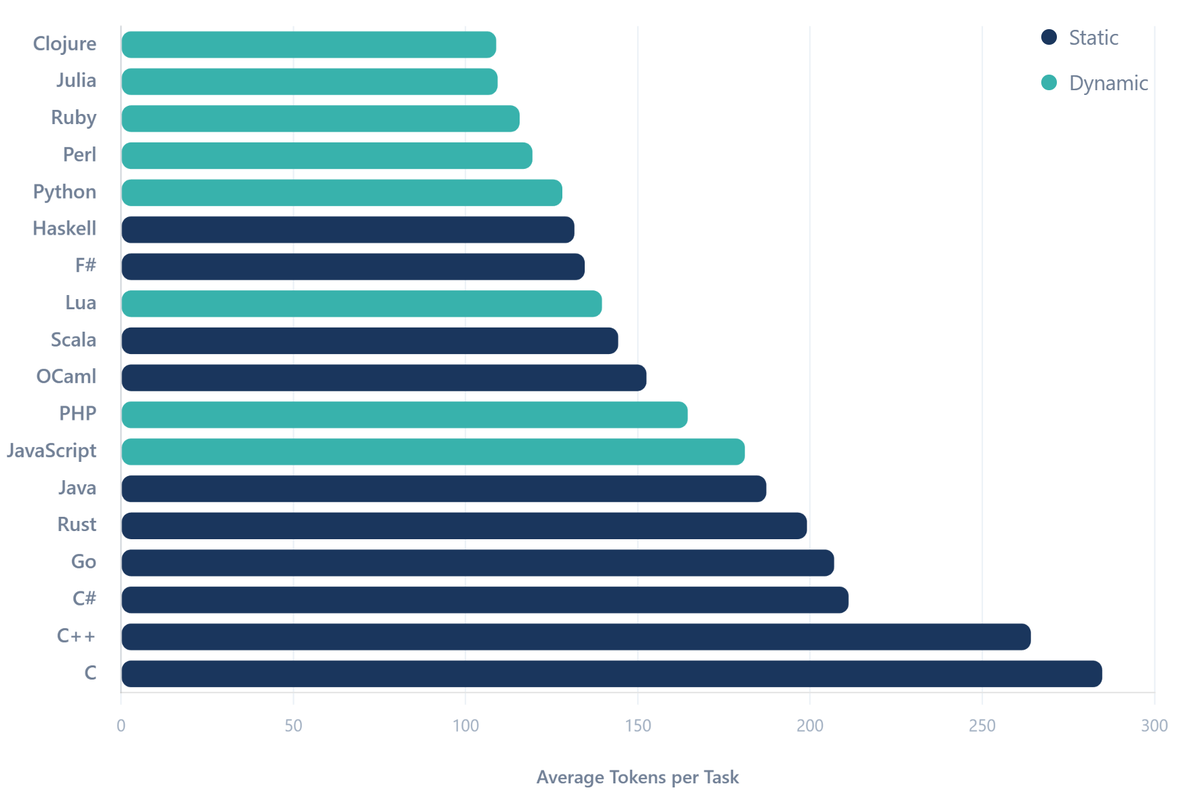
this got me thinking, what’s the most token-dense programming language?
One that could fit the most program flow into the smallest context window?
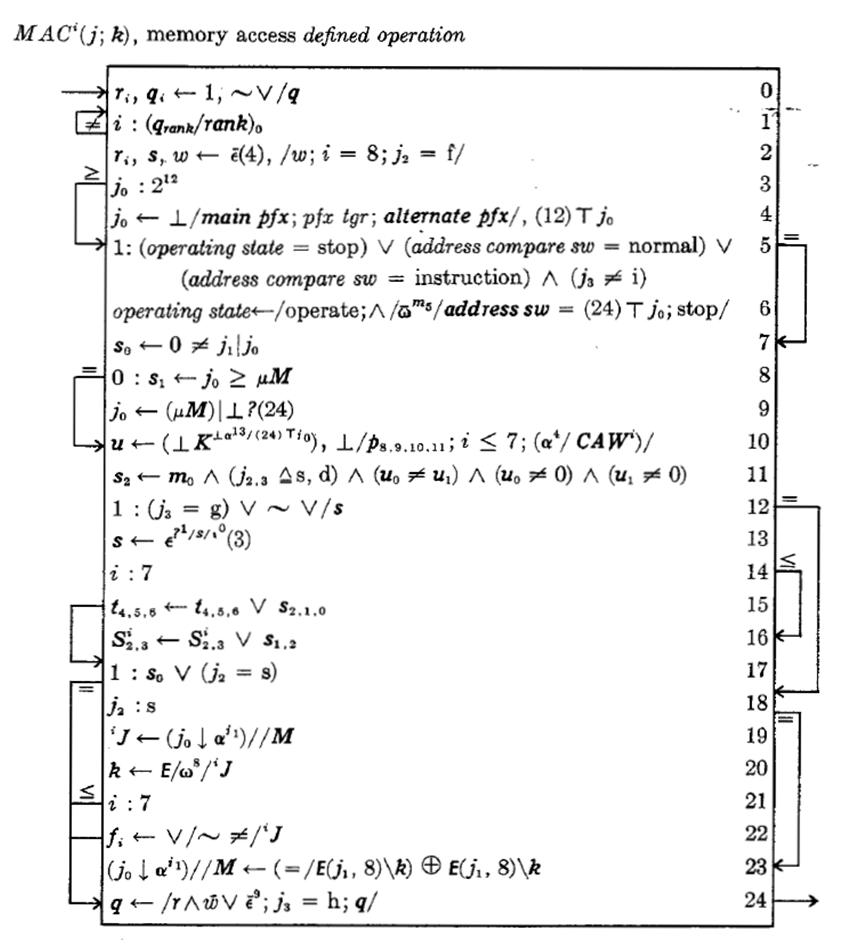
The winner, by a lot, is Array-Based Languages. J, K, that sort of thing.
It’s actually a two-part problem, because you need something that is logically dense (saves length), but symbolically simple. Most tokenizers are optimized for standard text, so if you get *too* fancy with rare mathematical symbols like APL, token usage actually blows up!
Python scores pretty well actually, but whitespace hurts you a bit. Haskell is an interesting outlier; it’s likely the most token-efficient statically typed language.
Now, if you were to extend the problem assuming you’re making your own tokenizer and training a model to *specifically* be as efficient with program writing as possible…
…you probably wouldn’t even use text. Just train/produce Abstract-Syntax-Trees directly, which would eventually start to look like compiler IRs / bytecode, which could eventually start looking like an ISA…
and with hardware/software co-design we’d end up with CPUs where we don’t understand the execution at all ;)