France became the world's first country to make it illegal for large supermarkets to throw away or deliberately destroy edible unsold food.
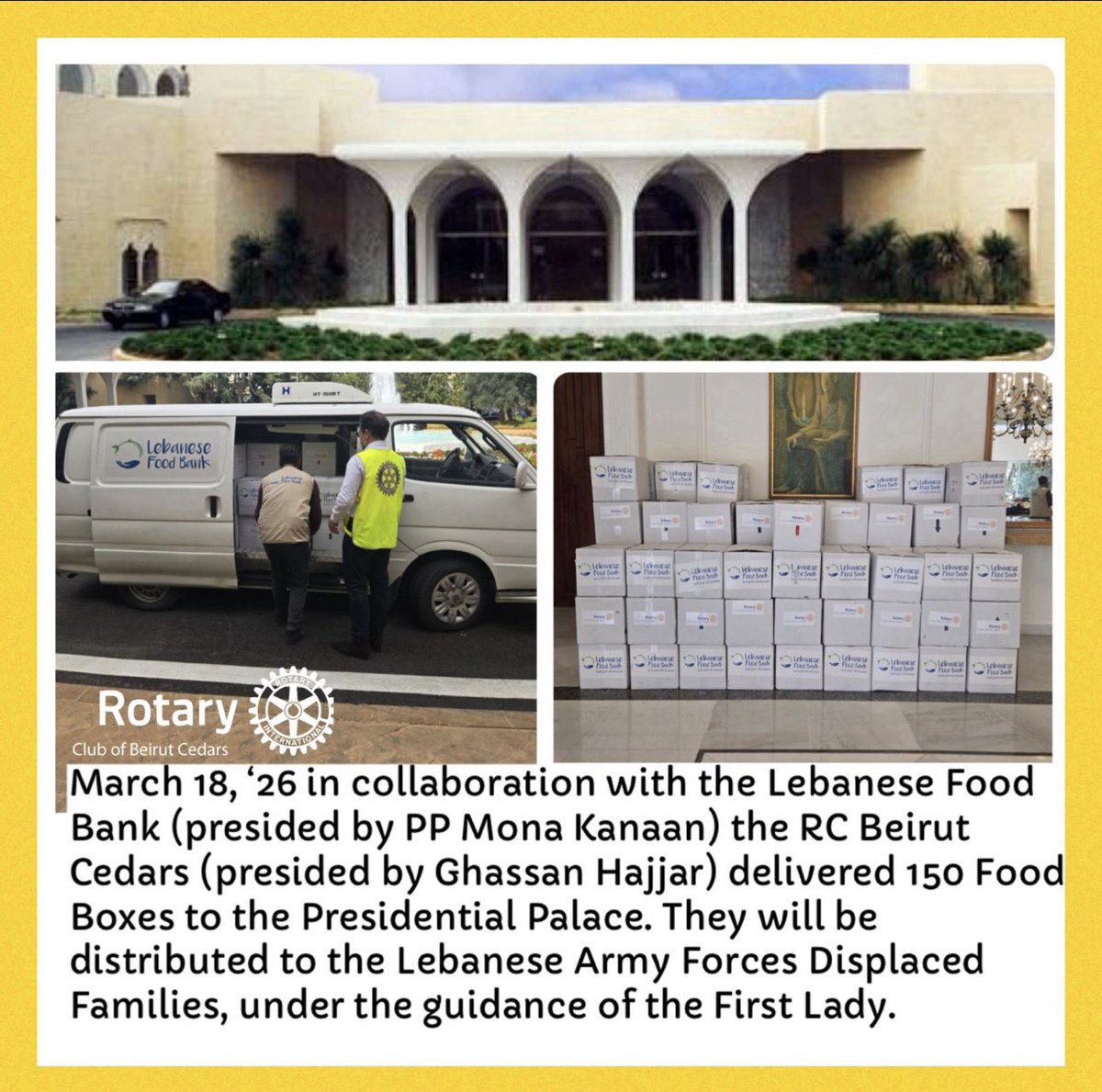
Under the groundbreaking law (known as Loi Garot), stores over 400 square meters (about 4,305 square feet) must now partner with charities and food banks to donate still-safe surplus food rather than discard it. They are explicitly banned from spoiling items—like dousing them in bleach—to prevent dumpster diving. Non-edible food can go to animal feed, composting, or other recovery uses instead of landfills.
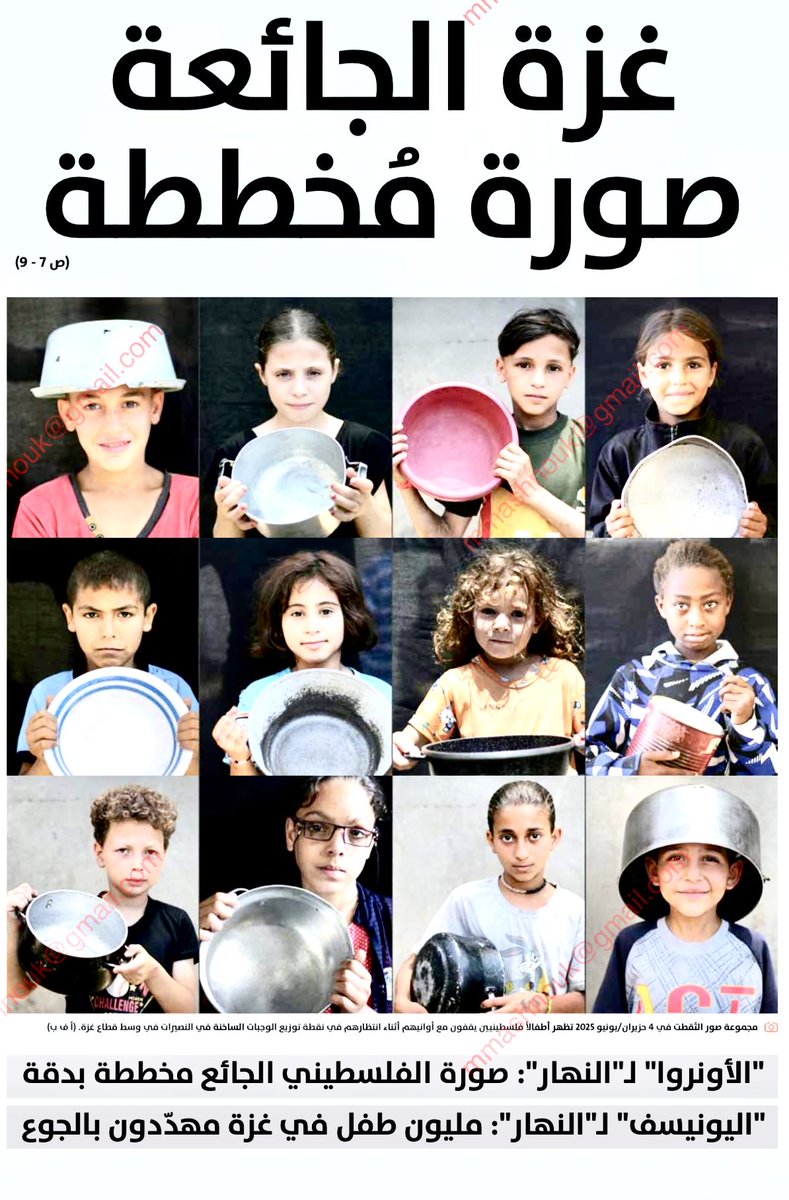
The measure tackled a glaring contradiction: France was wasting around 7 million tons of food annually while millions faced food insecurity. Supermarkets previously contributed significantly to that waste, sometimes for liability reasons or to avoid competition with discounted sales.
The policy has boosted donations—food banks report receiving far more usable goods—and forms part of a national push to halve food waste, including school education, business incentives, and supply-chain reforms.
While critics note it doesn't fully address overproduction upstream and compliance varies, the approach has inspired similar efforts in places like Italy and the Czech Republic.
🦃Thursday Nov. 27, 2025 🇺🇸
HELPING OTHERS
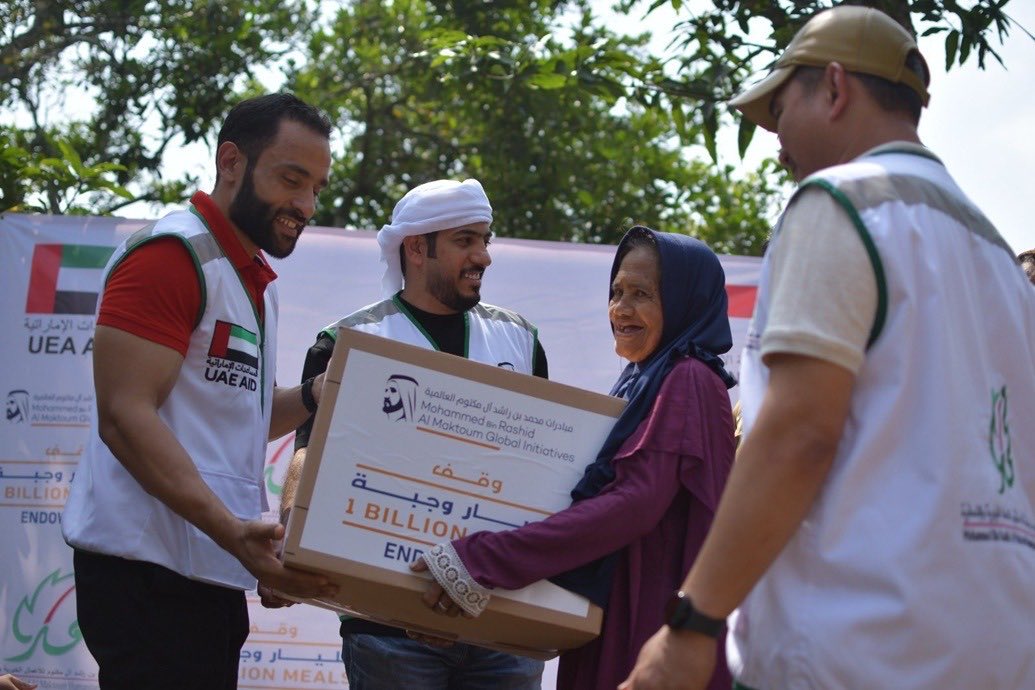
TᕼᗩᑎKᔕᘜIᐯIᑎᘜ is a great time to help out people who might not be as lucky as you. Some people volunteer to serve food at homeless shelters; others donate to shelters or participate in canned food drives.